Efficacy and Safety of Lebrikizumab in Adults with Moderate-to-Severe Atopic Dermatitis: A Systematic Review and Meta-Analysis
Oscar M. Lopez-Mallama, Raul Sandoval-Ato, Pedro Ruiz Vega, Hady Keita, Gerson Diaz-Gonzales, Oriana Rivera-Lozada, Joshuan J. Barboza

TL;DR
Lebrikizumab, a drug targeting interleukin-13, shows significant improvement in symptoms of moderate-to-severe atopic dermatitis with a good safety profile in adults.
Contribution
This study provides a comprehensive meta-analysis of lebrikizumab's efficacy and safety in treating moderate-to-severe atopic dermatitis in adults.
Findings
Lebrikizumab significantly improves EASI-50, EASI-75, EASI-90, and pruritus compared to placebo.
The drug has a favorable safety profile with no significant increase in adverse events.
Findings are limited to adults, with insufficient data for adolescents.
Abstract
Background: Atopic dermatitis (AD) is a chronic inflammatory skin disease associated with substantial symptom burden and impaired quality of life. Lebrikizumab, a monoclonal antibody targeting interleukin-13, has emerged as a therapeutic option for patients with moderate-to-severe AD; however, a comprehensive synthesis of its efficacy and safety is required. Methods: We conducted a systematic review and meta-analysis of randomized controlled trials comparing lebrikizumab with placebo in patients with moderate-to-severe AD. Searches were performed across major databases and trial registries. The primary outcome was achievement of a 50% improvement in the Eczema Area and Severity Index (EASI-50). Secondary efficacy outcomes included EASI-75, EASI-90, and improvement in pruritus measured by the Numeric Rating Scale (NRS). Safety was assessed through a quantitative meta-analysis of…
Genes, proteins, chemicals, diseases, species, mutations and cell lines named across the full text — each resolved to its canonical identifier and authoritative record.
Click any figure to enlarge with its caption.
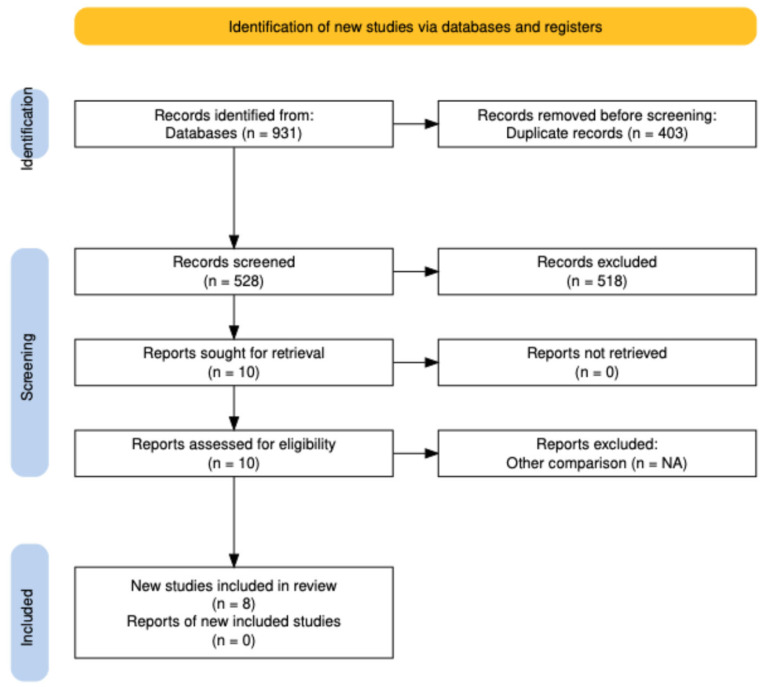 Figure 1
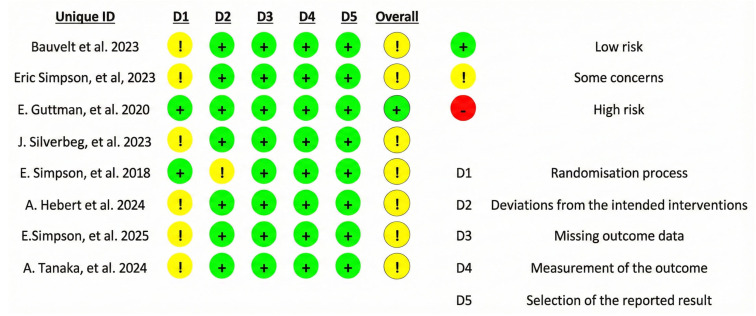 Figure 2
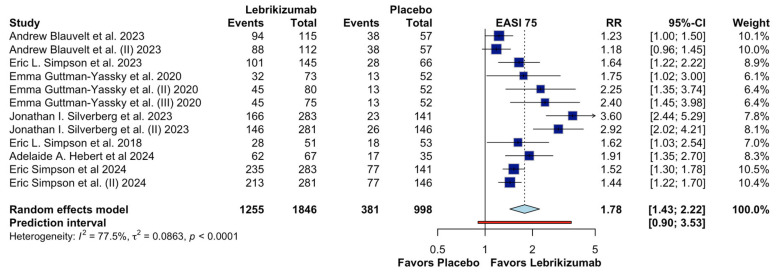 Figure 3
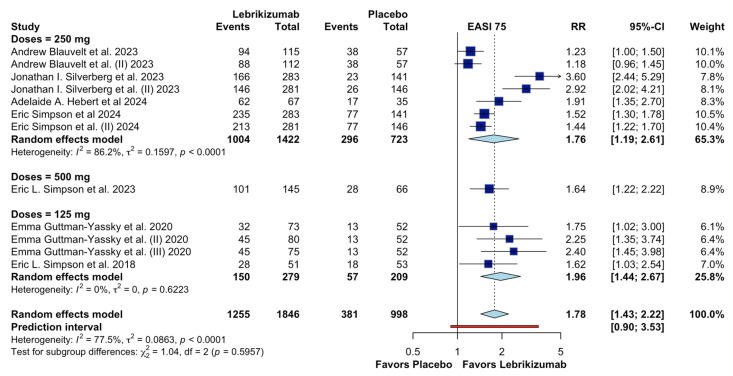 Figure 4
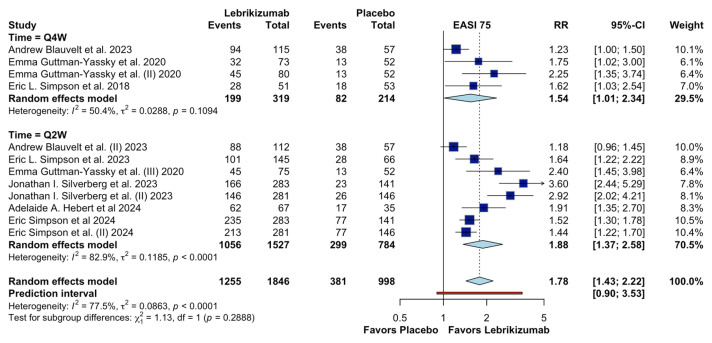 Figure 5
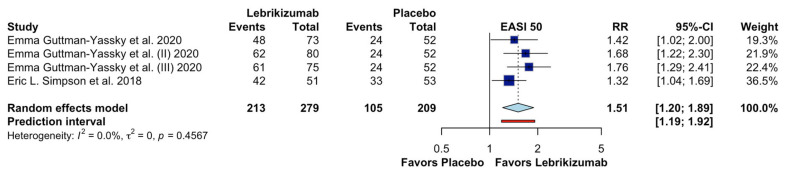 Figure 6
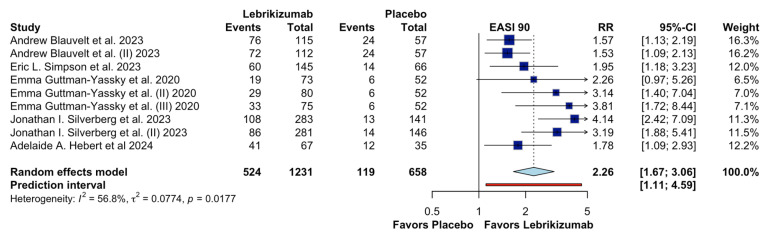 Figure 7
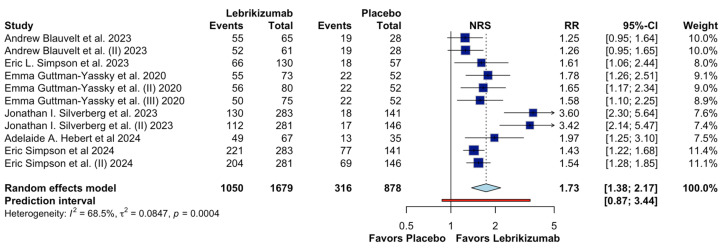 Figure 8
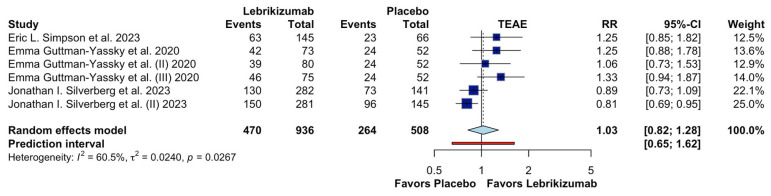 Figure 9
Peer Reviews
No public reviews on file for this paper yet. If you reviewed it on a platform where reviews are public (OpenReview, ICLR, NeurIPS, ICML), you can paste yours below so the community can read it here.
Videos
No videos yet. Explain this paper in a talk, walkthrough, or lecture? Add one.
Taxonomy
TopicsDermatology and Skin Diseases · Psoriasis: Treatment and Pathogenesis · Tryptophan and brain disorders