In Vivo Evaluation of the Effect of Limosilactobacillus fermentum MC1 and Its EPSs on the Microbiota and Inflammatory Processes in the Mouse Intestine
Nina Čuljak, Nada Oršolić, Dyana Odeh, Andreja Leboš Pavunc, Katarina Butorac, Martina Banić, Jasna Novak, Kate Šešelja, Mirela Baus Lončar, Snježana Ramić, Tanja Jurkin, Jagoda Šušković, Blaženka Kos

TL;DR
This study evaluates how Limosilactobacillus fermentum MC1 and its exopolysaccharides affect gut microbiota and inflammation in mice with colitis.
Contribution
The study demonstrates the in vivo anti-inflammatory and microbiota-modulating effects of Lb. fermentum MC1 and its EPSs in a mouse model of colitis.
Findings
MC1 and its EPSs altered gut microbiome composition, increasing Firmicutes and decreasing Candidatus saccharibacteria.
Administration reduced disease activity index, colitis histology index, and inflammation-related gene expression in mice with colitis.
MC1 and EPSs promoted M1 macrophage polarization to M2-like macrophages and improved intestinal barrier function.
Abstract
Limosilactobacillus fermentum MC1 is an exopolysaccharide (EPS)-producing strain with previously determined probiotic potential in vitro. This study aimed to investigate the in vivo capacity of the MC1 strain or its EPSs to modulate intestinal microbiota and assess its anti-inflammatory effects in both healthy and dysbiotic conditions. Therefore, Lb. fermentum MC1 and its EPSs were administered to a mouse model of dextran sulfate sodium (DSS)-induced colitis (DIC) and to a healthy group, and the effects were observed. Microbiome analysis was used to detect taxonomic differences between treatments. According to the results, administration of the MC1 strain and MC1-EPSs significantly altered gut microbiome composition at different taxonomic levels. The most notable effect was an increased relative abundance of Firmicutes and decreased levels of Candidatus saccharibacteria. Llb. fermentum…
Genes, proteins, chemicals, diseases, species, mutations and cell lines named across the full text — each resolved to its canonical identifier and authoritative record.
Click any figure to enlarge with its caption.
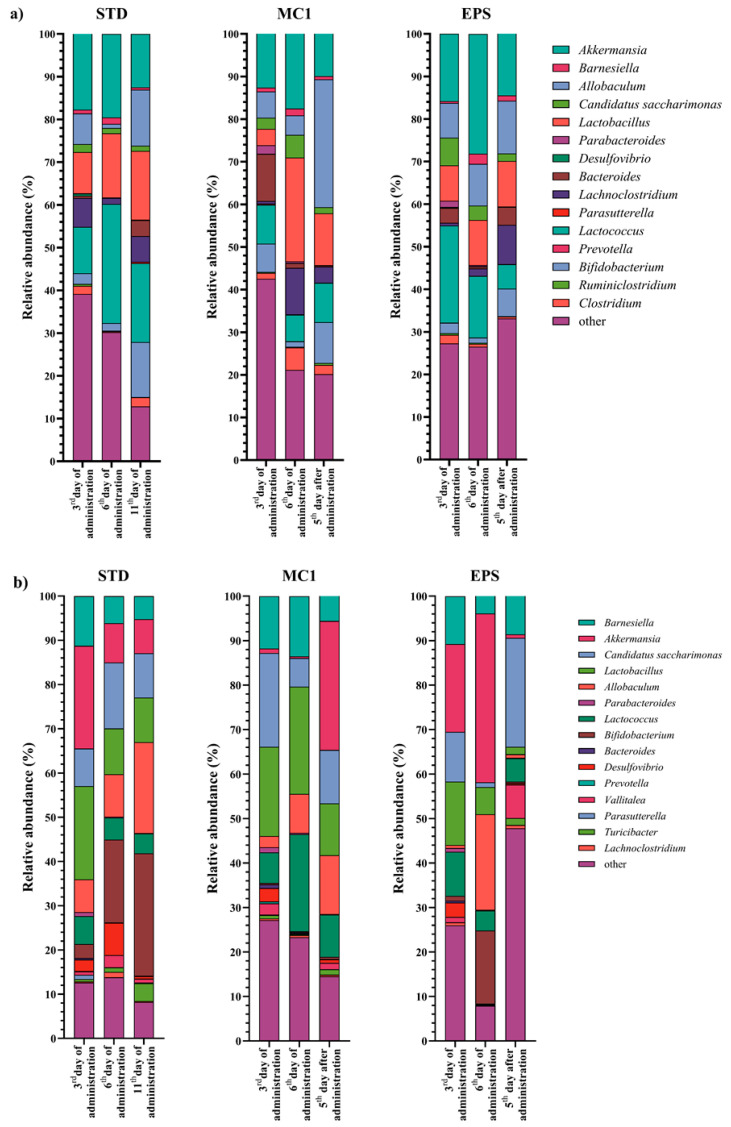 Figure 1
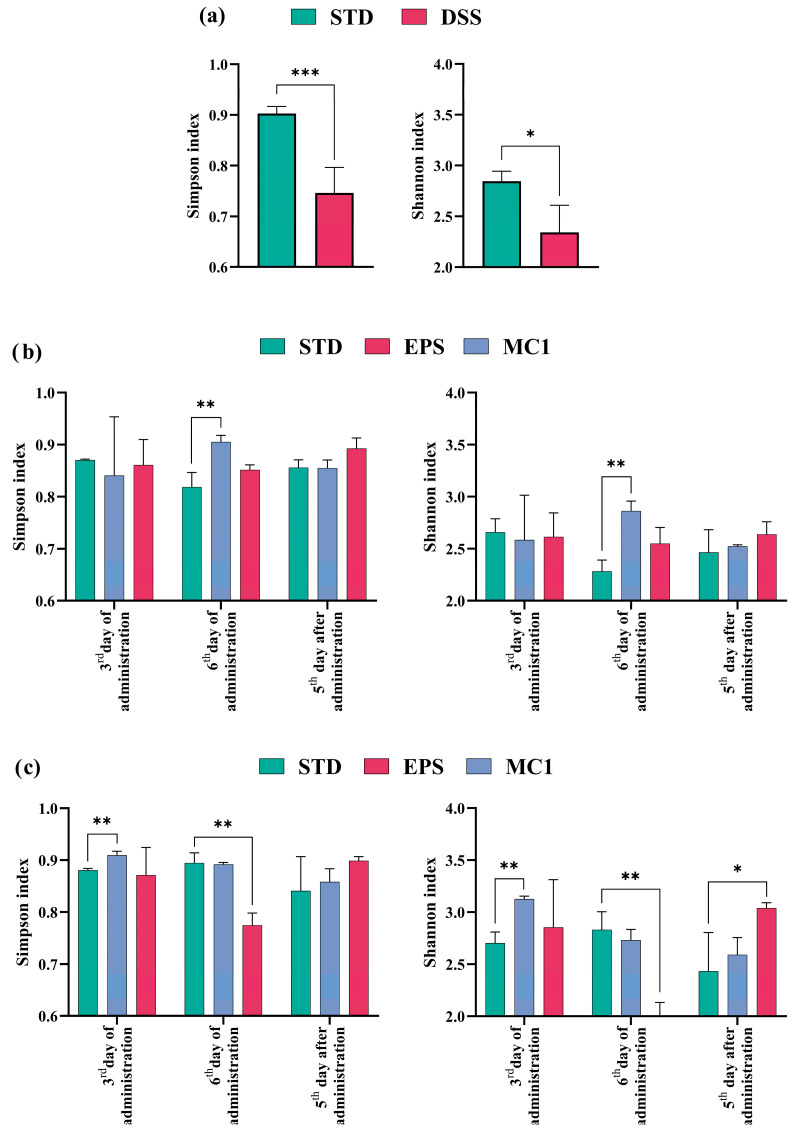 Figure 2
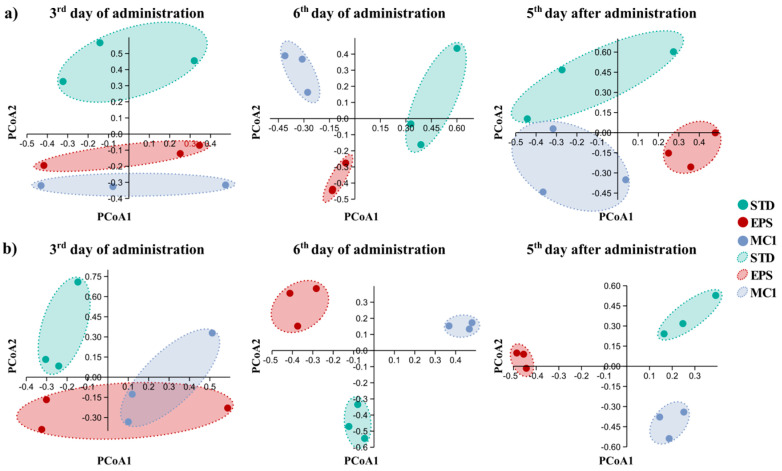 Figure 3
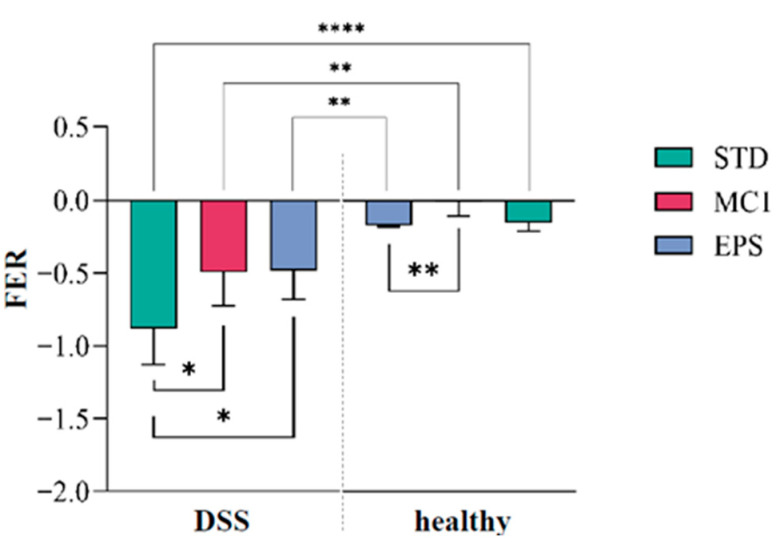 Figure 4
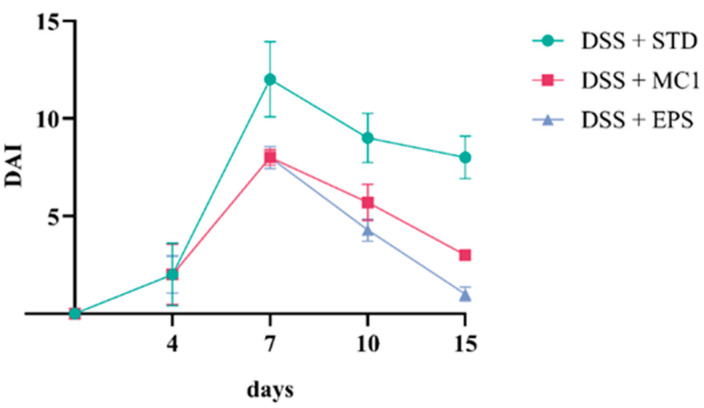 Figure 5
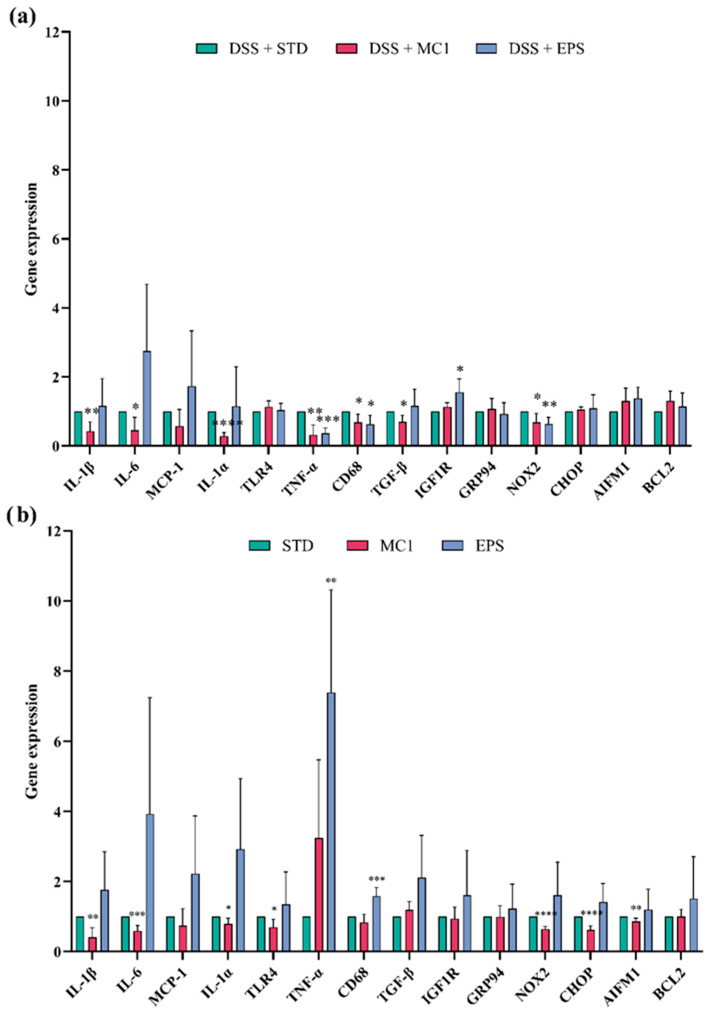 Figure 6
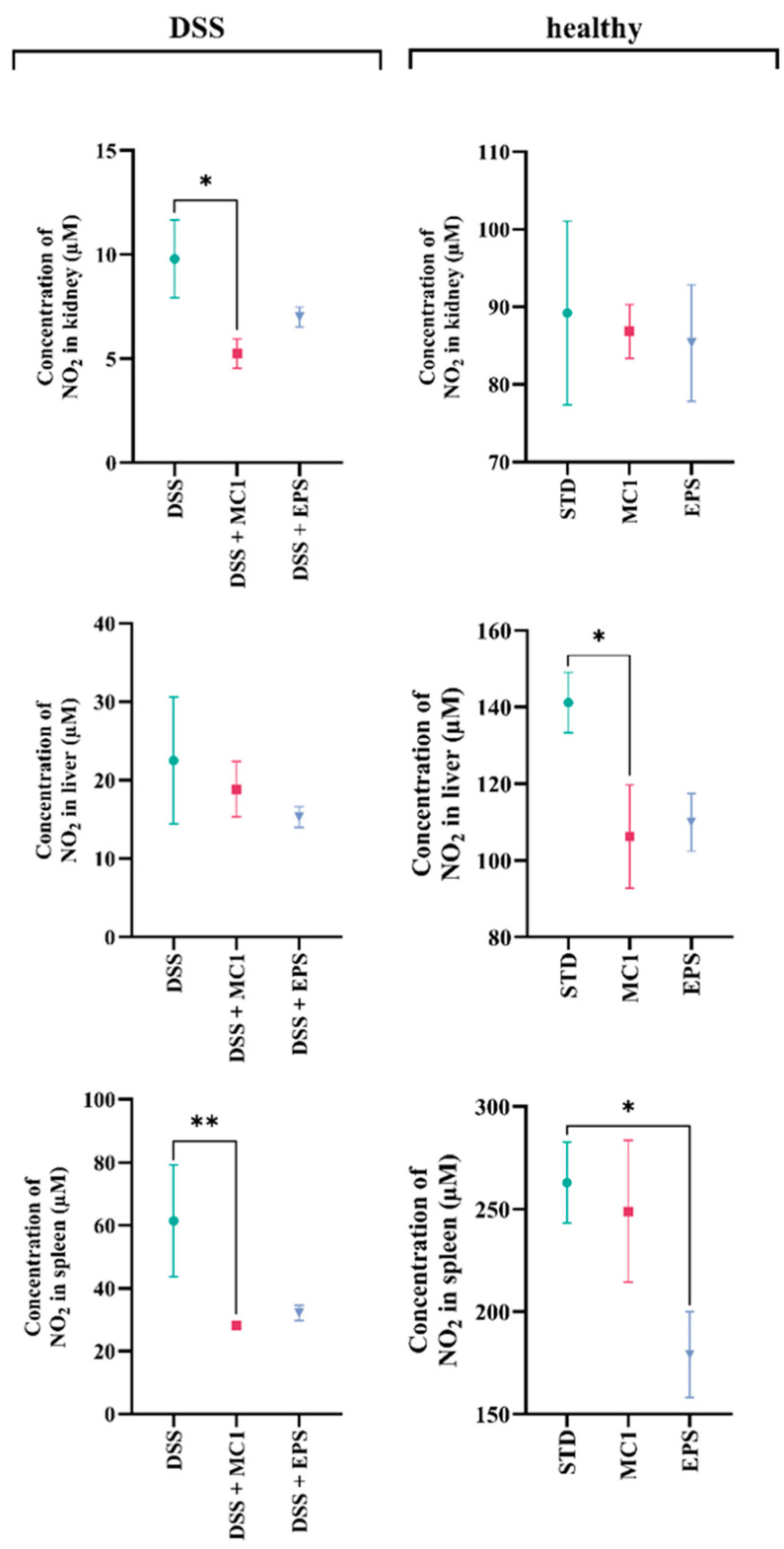 Figure 7
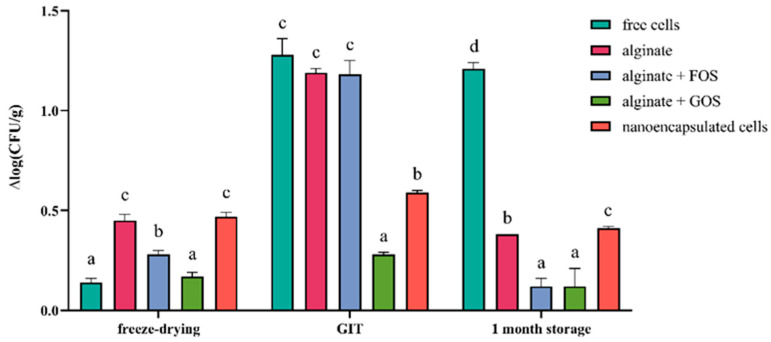 Figure 8
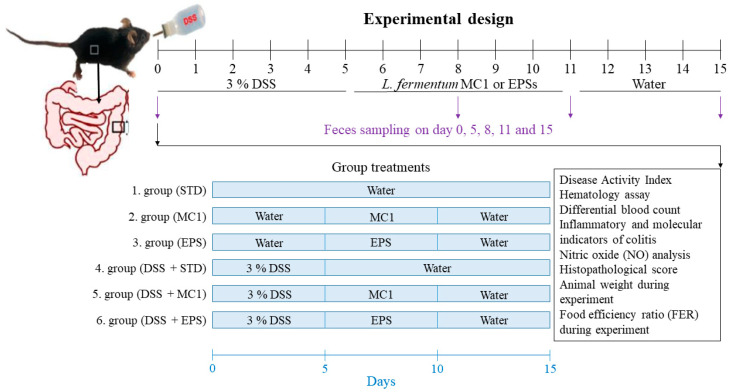 Figure 9
Peer Reviews
No public reviews on file for this paper yet. If you reviewed it on a platform where reviews are public (OpenReview, ICLR, NeurIPS, ICML), you can paste yours below so the community can read it here.
Videos
No videos yet. Explain this paper in a talk, walkthrough, or lecture? Add one.
Taxonomy
TopicsGut microbiota and health · Probiotics and Fermented Foods · Polysaccharides and Plant Cell Walls