Objective Dynamic Assessment of Facial Movement Asymmetry in Children Using a Marker-Based Video Method
Dawid Danecki, Agata Sage, Zuzanna Miodońska, Sebastian Zowada, Anna Lipowicz, Andrzej Myśliwiec, Krzysztof Dowgierd, Ewa Piętka, Michał Kręcichowst

TL;DR
This study introduces a low-cost method using markers and video to assess facial movement symmetry in children, helping detect neuromuscular issues.
Contribution
A marker-based video method is proposed for reliable and low-cost dynamic assessment of facial movement asymmetry in children.
Findings
Dynamic descriptors from marker-based tracking showed significant differences between symmetric and asymmetric facial movements.
VertDist and Ratio features, particularly their first derivatives, effectively distinguish symmetric from asymmetric exercises like eyebrow raising and smiling.
Abstract
Background: Facial movement symmetry is an important indicator of neuromuscular function, with asymmetries associated with neurological disorders, trauma, and surgery. Quantitative symmetry assessment supports diagnosis, therapy monitoring, and surgical planning. This study proposes a marker-based approach to improve tracking stability and investigates whether dynamic facial movement descriptors can distinguish symmetric from asymmetric exercise execution. Methods: Videos were recorded using a low-cost acquisition setup during two facial exercises: eyebrow raising and smiling (75 patient; mean age 14 ± 4 years). Seventeen ArUco markers were placed at predefined facial landmarks. The dataset comprised 134 recordings labeled as symmetric (S) or asymmetric (AS). The processing pipeline included marker and face detection, symmetry axis estimation, feature extraction, and statistical…
Genes, proteins, chemicals, diseases, species, mutations and cell lines named across the full text — each resolved to its canonical identifier and authoritative record.
Click any figure to enlarge with its caption.
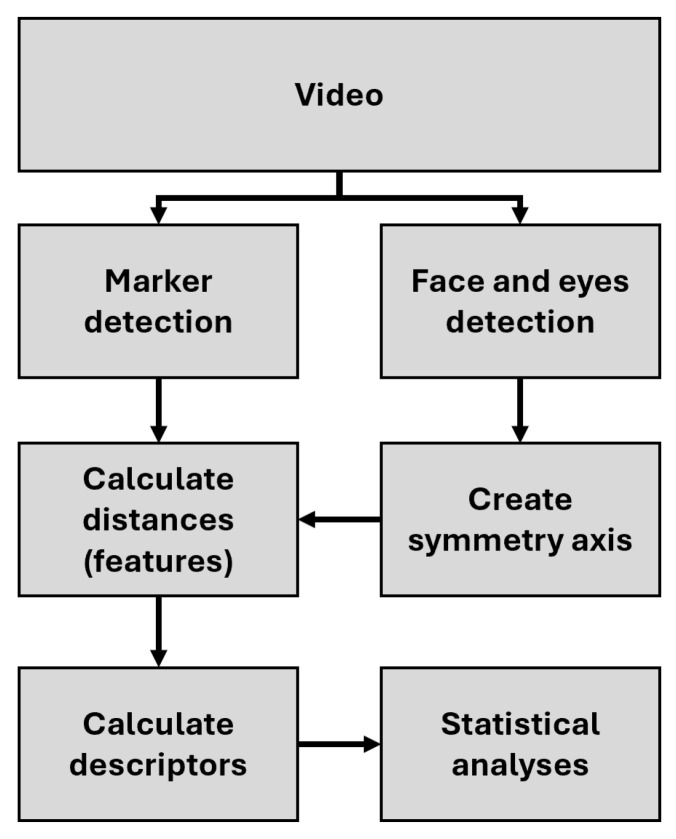 Figure 1
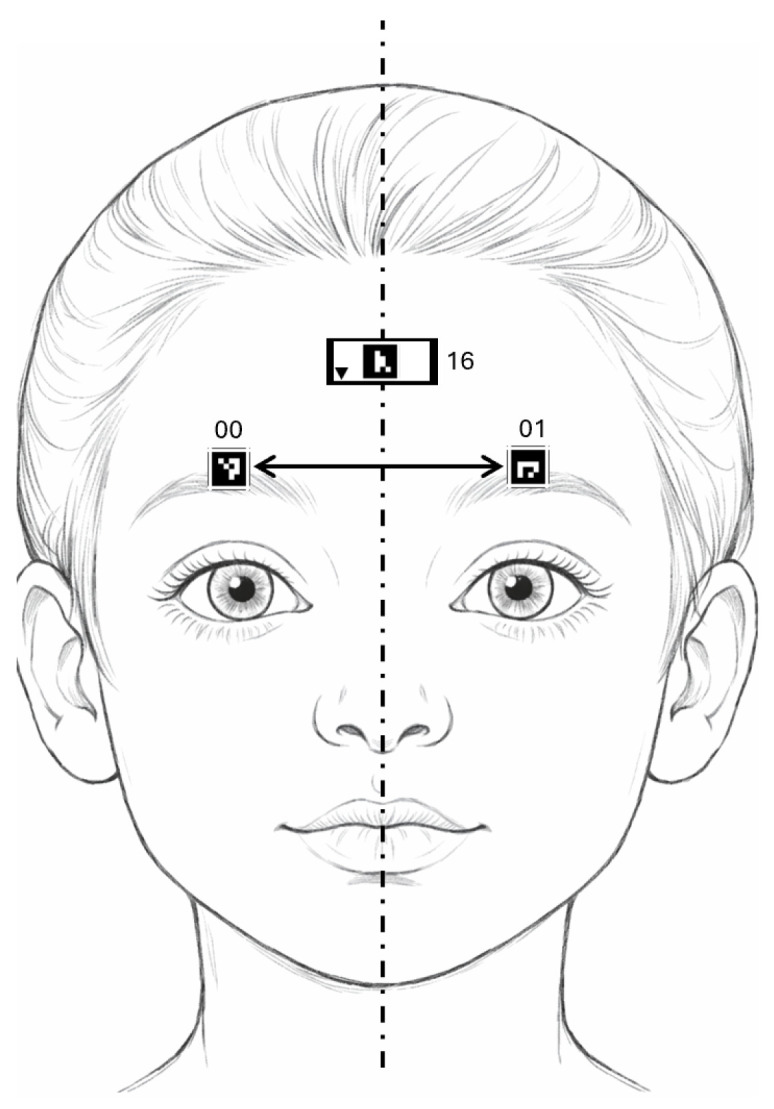 Figure 2
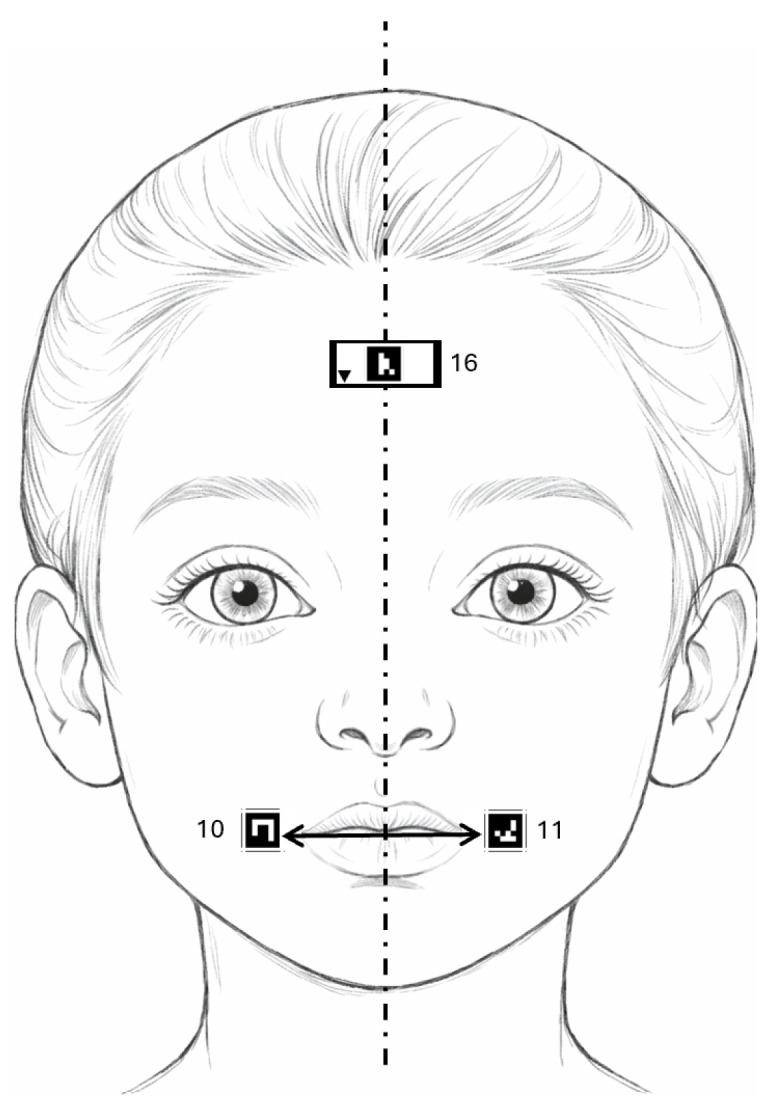 Figure 3
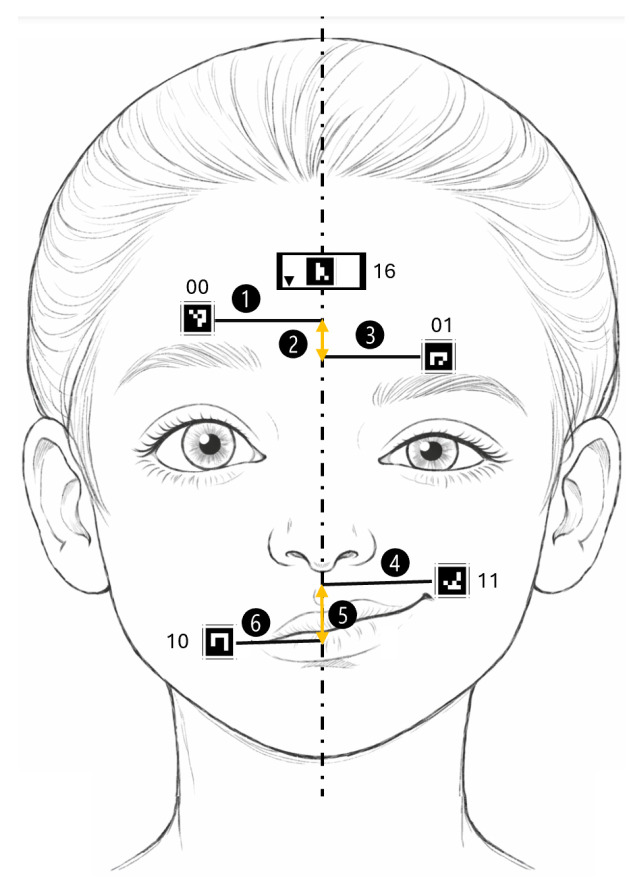 Figure 4
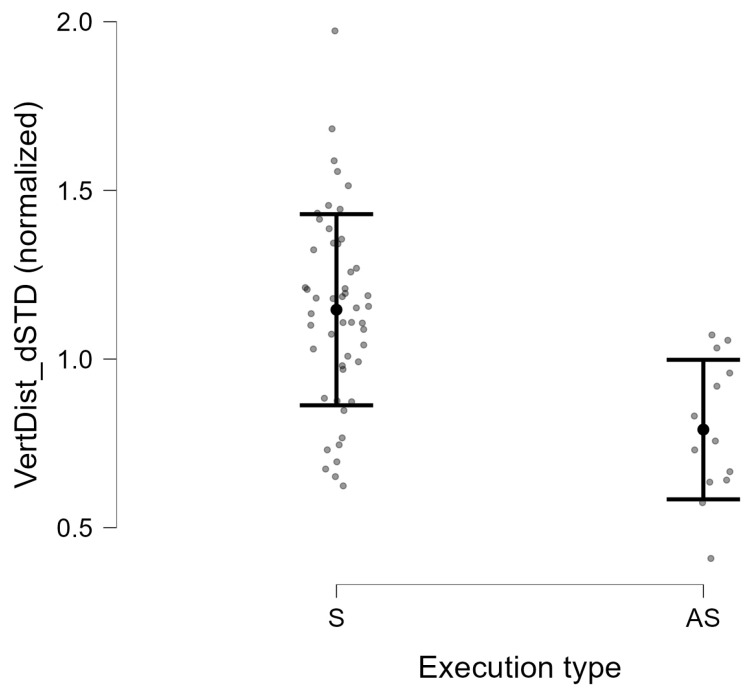 Figure 5
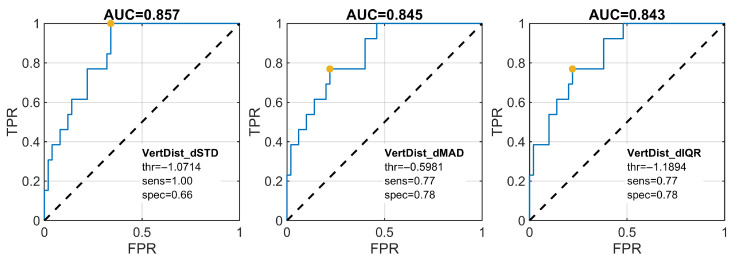 Figure 6
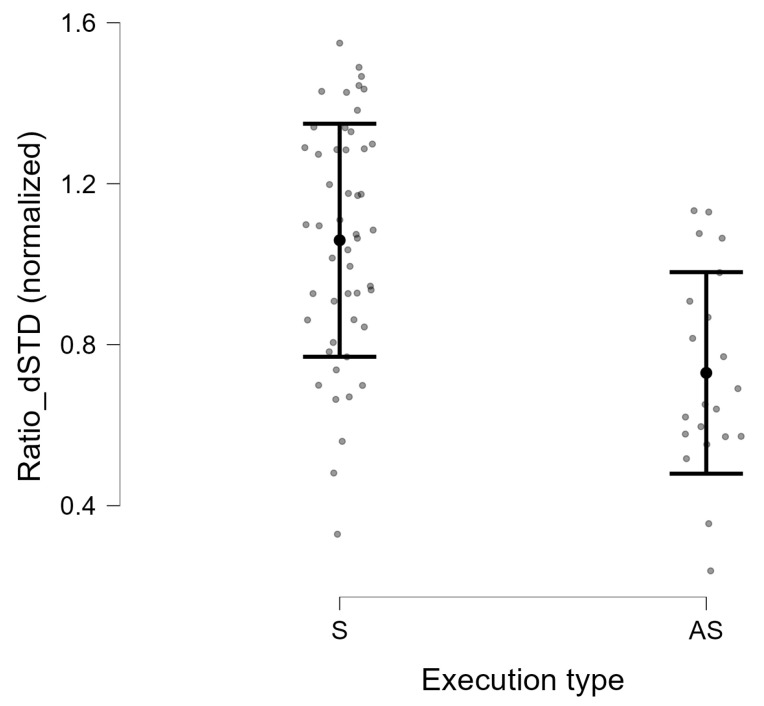 Figure 7
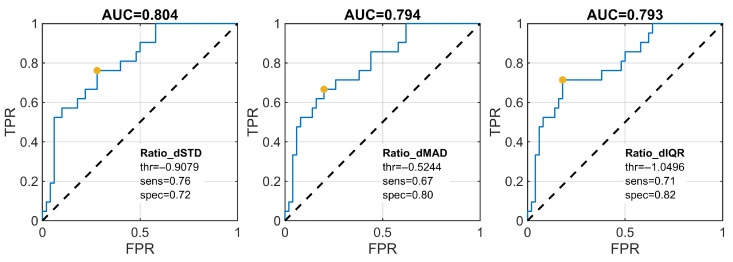 Figure 8
Peer Reviews
No public reviews on file for this paper yet. If you reviewed it on a platform where reviews are public (OpenReview, ICLR, NeurIPS, ICML), you can paste yours below so the community can read it here.
Videos
No videos yet. Explain this paper in a talk, walkthrough, or lecture? Add one.
Taxonomy
TopicsTemporomandibular Joint Disorders · Orthodontics and Dentofacial Orthopedics · Facial Nerve Paralysis Treatment and Research