Application of the Novel Two-Compartmental Model to Quantify Coronary Artery Calcium: A Pilot Study
Yu-Tai Shih, Zhe-Yu Lin, Jay Wu

TL;DR
A new two-compartment model called TACS was developed to more reliably measure coronary artery calcium, showing strong correlation with traditional methods and potential for routine CT screening.
Contribution
The novel two-compartmental model (TACS) offers a more robust and reliable method for quantifying coronary artery calcium compared to conventional CACS.
Findings
TACS showed stable performance across tube voltages with VCD errors between 3.8% and −19.0%.
TACS maintained consistency under varying slice thicknesses and reconstruction algorithms with near-zero residual percentages.
A strong correlation (r = 0.932) was found between TACS and conventional CACS in patient analyses.
Abstract
Background: Cardiovascular disease (CVD) remains a major global health concern and the leading cause of mortality and disability. Early detection and prevention strategies rely heavily on evaluating coronary artery calcification, traditionally assessed using the coronary artery calcium score (CACS). However, CACS is limited by its dependence on strictly fixed tube voltage and slice thickness, sensitivity to changes in scanning parameters, and the need for an additional dedicated coronary calcium scan that increases radiation exposure. Methods: To address these challenges, we developed a novel two-compartment coronary artery calcium score system (TACS) for quantitative calcium assessment. TACS was established and validated using a QRM Thorax phantom scanned on a GE Revolution CT at 70–140 kVp. Volumetric calcium density (VCD) derived from TACS was compared with conventional CACS under…
Genes, proteins, chemicals, diseases, species, mutations and cell lines named across the full text — each resolved to its canonical identifier and authoritative record.
Click any figure to enlarge with its caption.
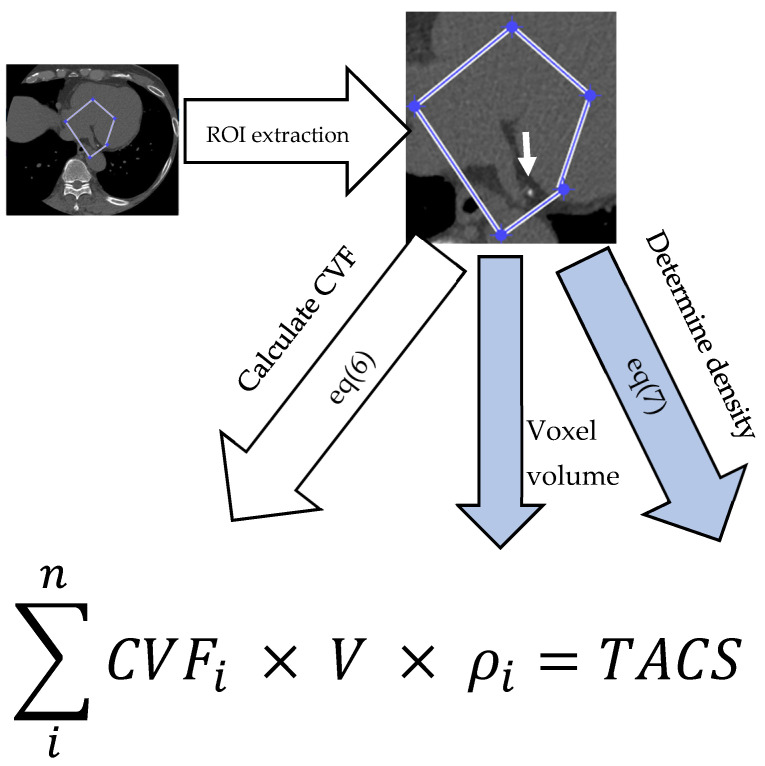 Figure 1
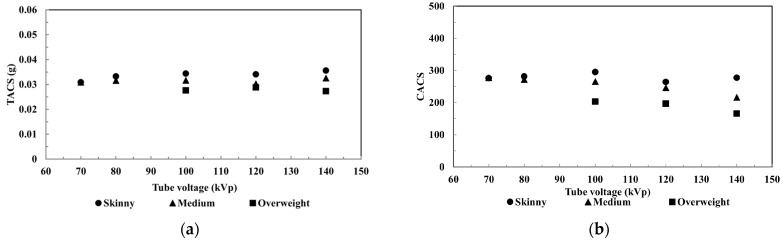 Figure 2
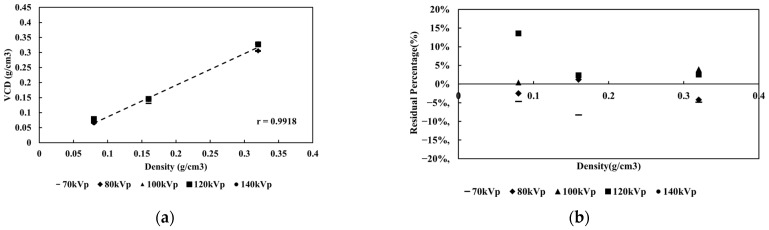 Figure 3
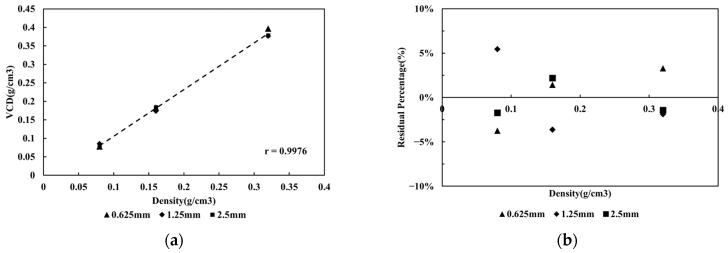 Figure 4
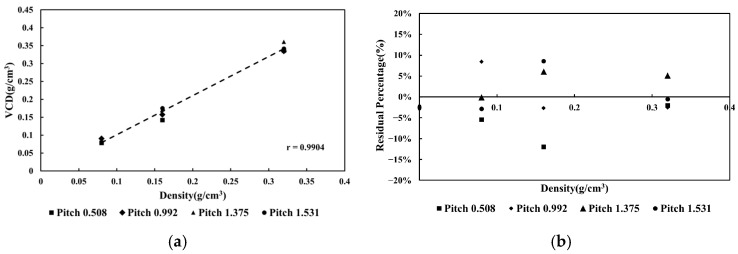 Figure 5
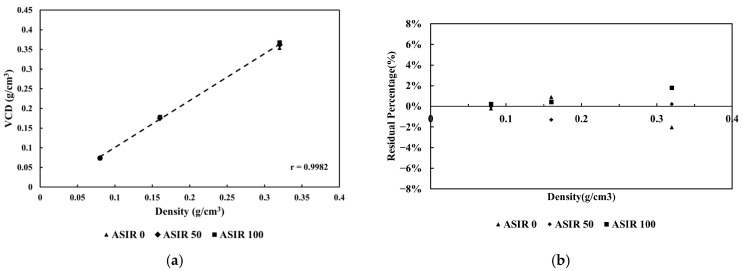 Figure 6
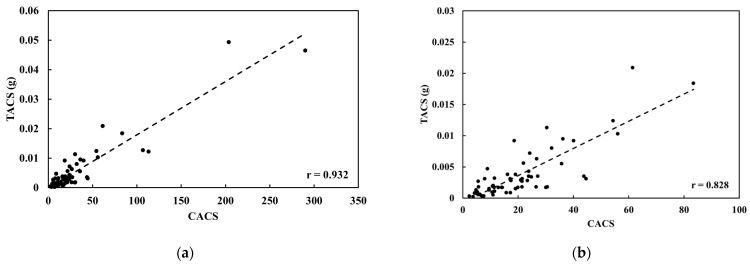 Figure 7
Peer Reviews
No public reviews on file for this paper yet. If you reviewed it on a platform where reviews are public (OpenReview, ICLR, NeurIPS, ICML), you can paste yours below so the community can read it here.
Videos
No videos yet. Explain this paper in a talk, walkthrough, or lecture? Add one.
Taxonomy
TopicsCardiac Imaging and Diagnostics · Advanced X-ray and CT Imaging · Cerebrovascular and Carotid Artery Diseases