Study on the Performance Evolution Law and Microscopic Mechanism of Cement–Sodium Silicate Grout Prepared by Seawater
Dengfeng Wang, Zhen Li, Yujie Qi, Daiwei Wei, Xiaopeng Zhao, Jianfeng Zhang, Fanlu Min

TL;DR
This study investigates how using seawater instead of freshwater in cement-sodium silicate grout affects its performance and microscopic properties during underwater tunnel construction.
Contribution
The study reveals that seawater can significantly enhance the 28-day compressive strength of cement-sodium silicate grout despite initial challenges.
Findings
Using seawater to expand bentonite increases bleeding rate beyond acceptable limits, but using freshwater avoids this issue.
Seawater shortens the setting time of the grout and boosts its 28-day compressive strength by 52% at a 45% replacement ratio.
Chloride ions in seawater positively affect strength development by promoting hydration reactions more than sulfate ions negatively impact it.
Abstract
During the construction of underwater shield tunnels (excavated using a slurry pressure balance shield machine), whether seawater (Sw) can be used to replace freshwater (Fw) in the preparation of cement–sodium silicate grout (CSG) has become a major concern in the engineering community. CSG is formed by mixing components A and B, where component A is a liquid prepared by mixing bentonite, cement, and water, and component B is a sodium silicate solution. In this paper, the CSG was prepared using Sw instead of part of Fw. The properties, including bleeding rate, initial and final setting time, gel time, compressive strength, and microscopic characteristics, were tested to investigate the influence of Sw on the performance of CSG and explore its impact mechanism. The results showed that when expanding bentonite with Sw, the bleeding rate of Component A exceeded 50%, failing to meet the…
Genes, proteins, chemicals, diseases, species, mutations and cell lines named across the full text — each resolved to its canonical identifier and authoritative record.
Click any figure to enlarge with its caption.
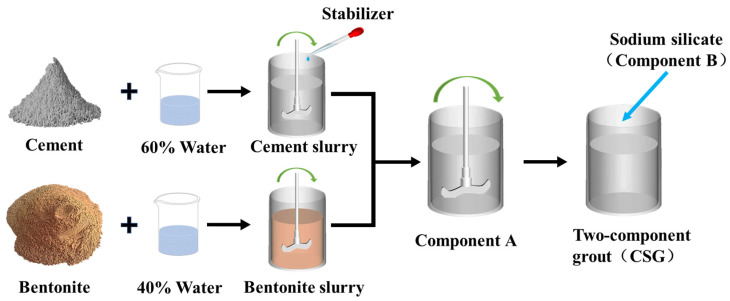 Figure 1
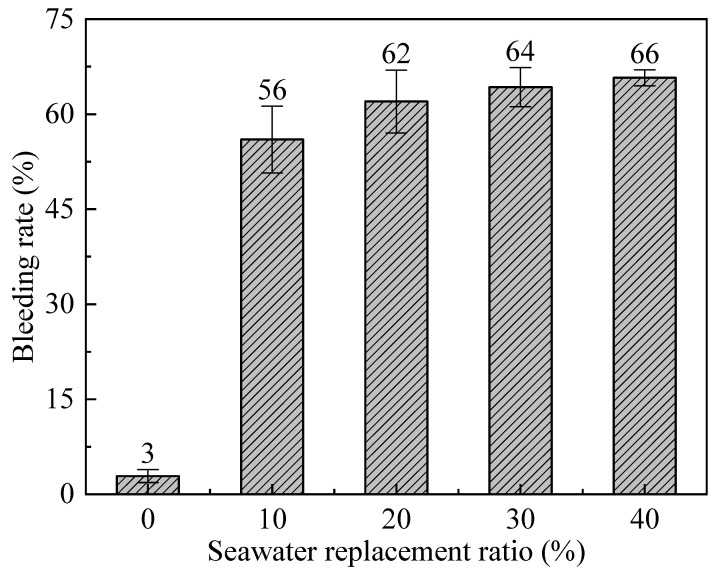 Figure 2
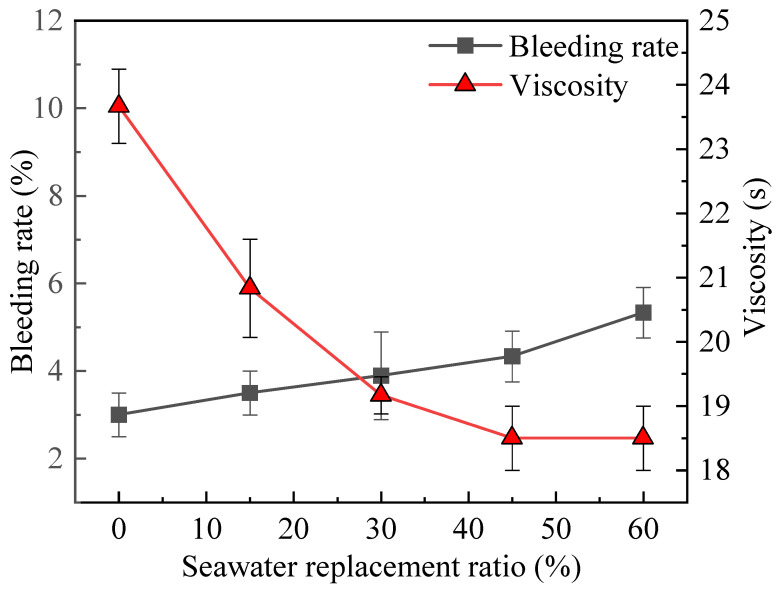 Figure 3
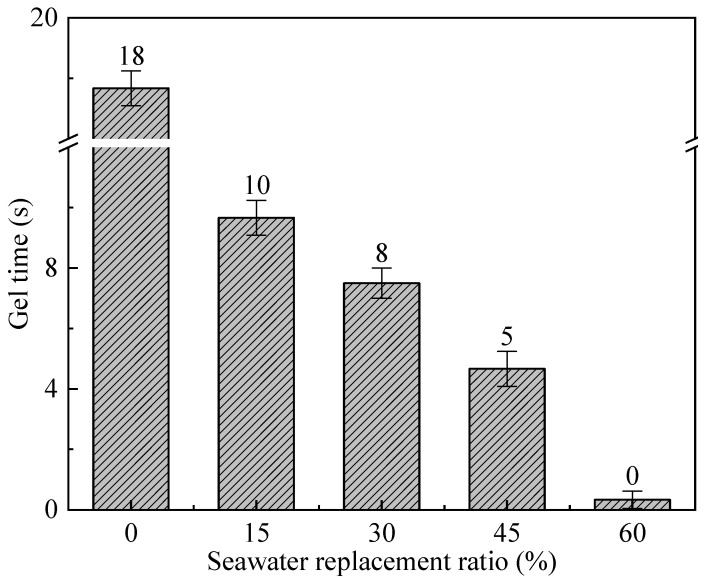 Figure 4
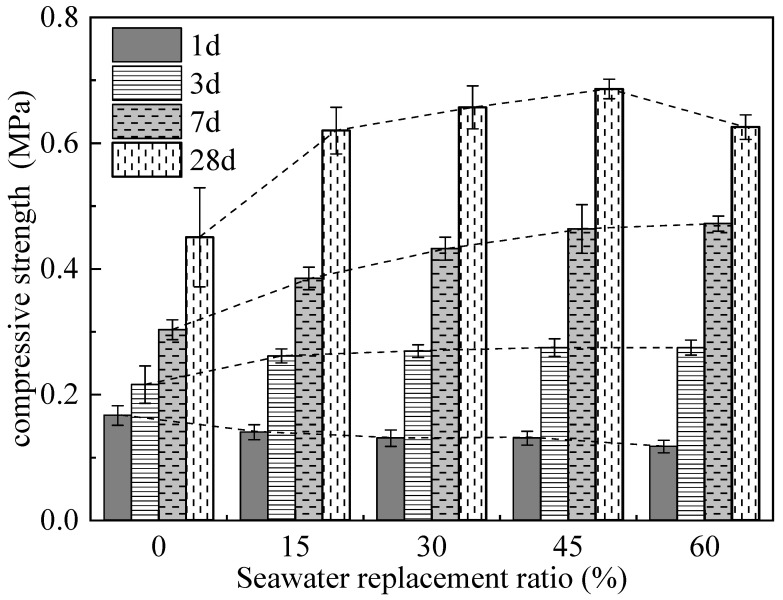 Figure 5
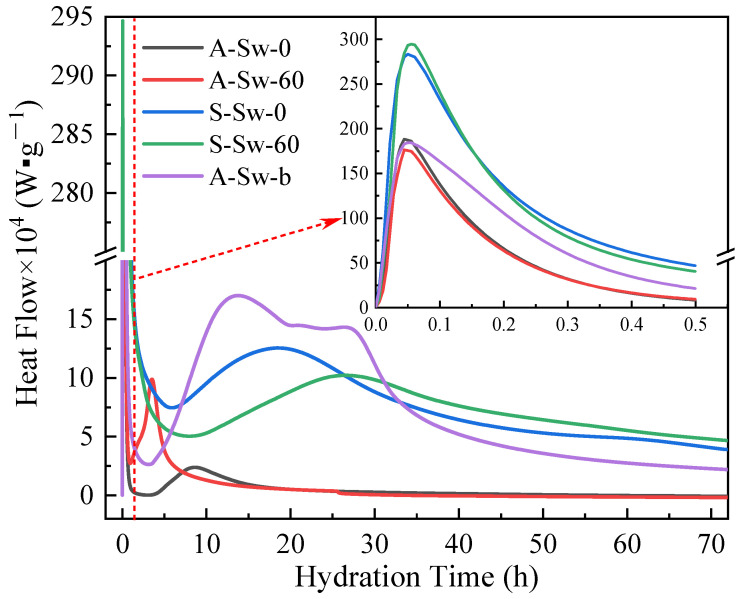 Figure 6
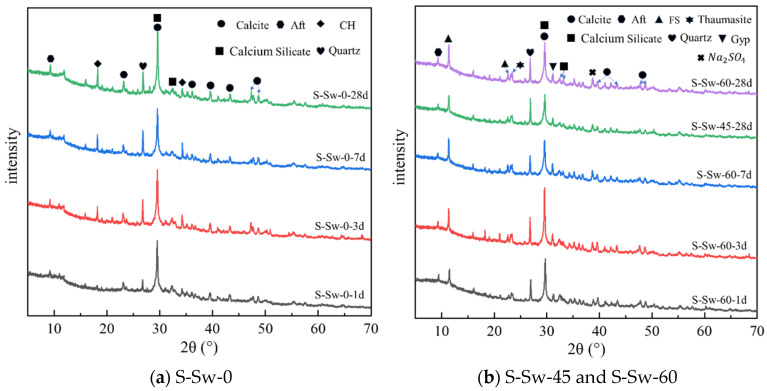 Figure 7
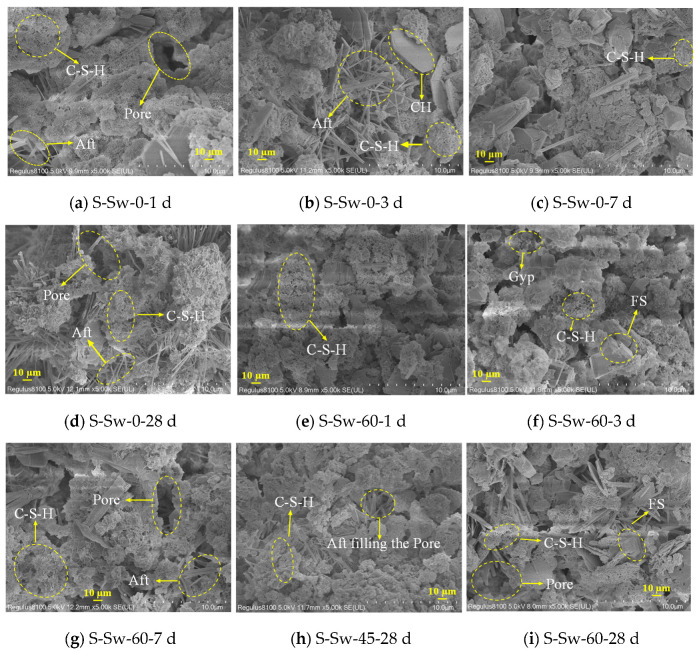 Figure 8
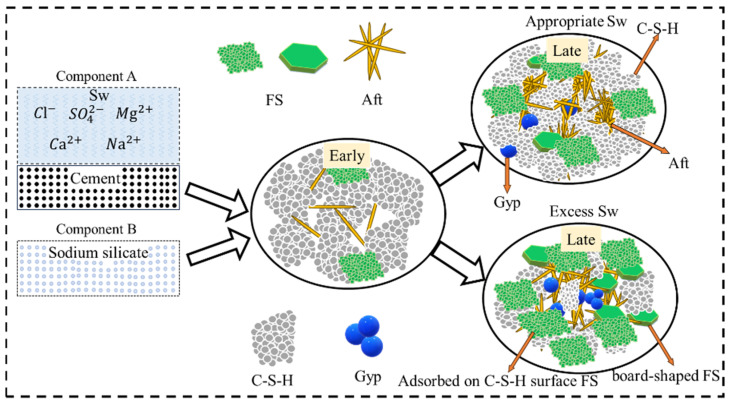 Figure 9
Peer Reviews
No public reviews on file for this paper yet. If you reviewed it on a platform where reviews are public (OpenReview, ICLR, NeurIPS, ICML), you can paste yours below so the community can read it here.
Videos
No videos yet. Explain this paper in a talk, walkthrough, or lecture? Add one.
Taxonomy
TopicsGrouting, Rheology, and Soil Mechanics · Concrete and Cement Materials Research · Drilling and Well Engineering