Matrix Metalloproteinase 7 Mediates Epithelial–Mesenchymal Transition to Promote Liver Fibrosis Through E-cadherin/β-catenin Pathway in Biliary Atresia
Liying Rong, Jingfeng Tang, Xiangyang Li, Mengxin Zhang, Shuiqing Chi, Yun Zhou, Xi Zhang, Guoqing Cao, Yibo Li, Shaotao Tang

TL;DR
This study shows that a protein called MMP7 contributes to liver fibrosis in biliary atresia by triggering a cell transformation process called EMT through a specific pathway involving E-cadherin and beta-catenin.
Contribution
The study identifies MMP7 as a novel driver of liver fibrosis in biliary atresia through epithelial–mesenchymal transition.
Findings
MMP7 is positively correlated with liver fibrosis in biliary atresia patients.
MMP7 induces epithelial–mesenchymal transition in biliary epithelial cells by cleaving E-cadherin and promoting β-catenin nuclear translocation.
Blocking MMP7 reduces liver fibrosis in a mouse model of biliary atresia.
Abstract
Biliary atresia (BA) is characterized by rapidly progressive hepatic fibrosis with unclear mechanisms. This study aimed to investigate the role of matrix metalloproteinase 7 (MMP7) in this process and its potential for targeted therapy. Serum and liver tissue samples from BA patients were collected to analyze the correlation between MMP7 and liver fibrosis. Gene set enrichment analysis (GSEA) based on GEO datasets was performed to explore MMP7-associated biological processes. Clinical samples were further used to examine the relationship between MMP7 and epithelial–mesenchymal transition (EMT) in biliary epithelial cells (BECs). The effects of MMP7 on BECs and the underlying mechanisms were validated in vitro. Finally, the profibrotic effects and therapeutic potential of MMP7 were explored in chronic BA mice. Results showed that MMP7 was positively correlated with liver fibrosis in BA…
Genes, proteins, chemicals, diseases, species, mutations and cell lines named across the full text — each resolved to its canonical identifier and authoritative record.
Click any figure to enlarge with its caption.
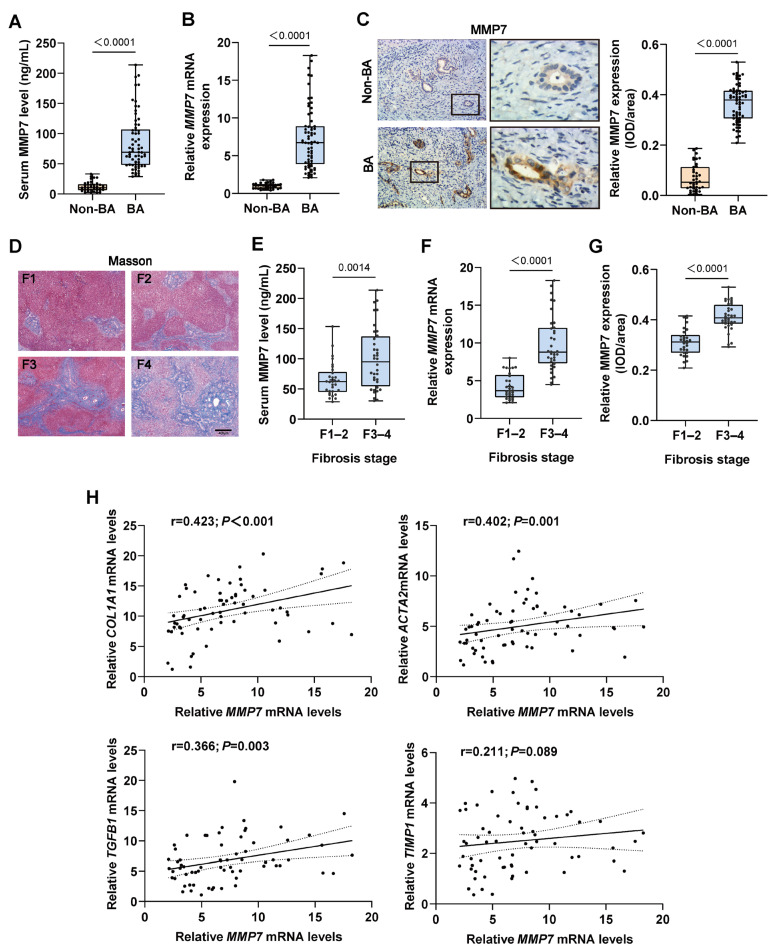 Figure 1
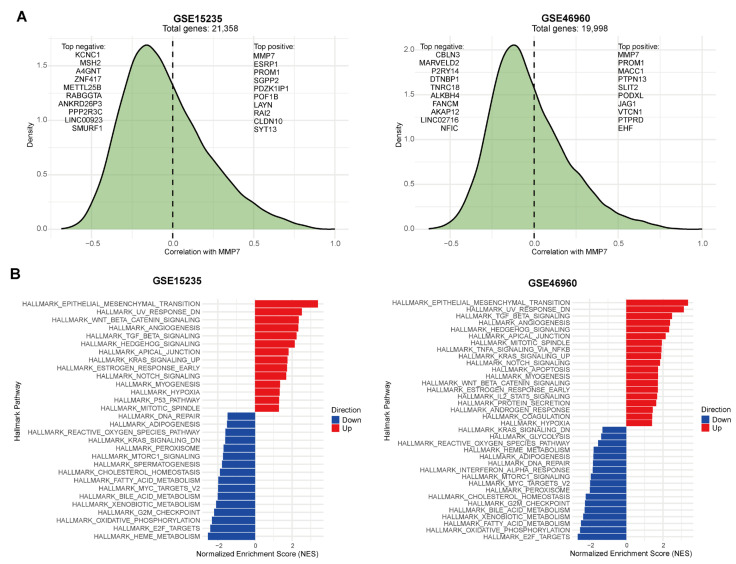 Figure 2
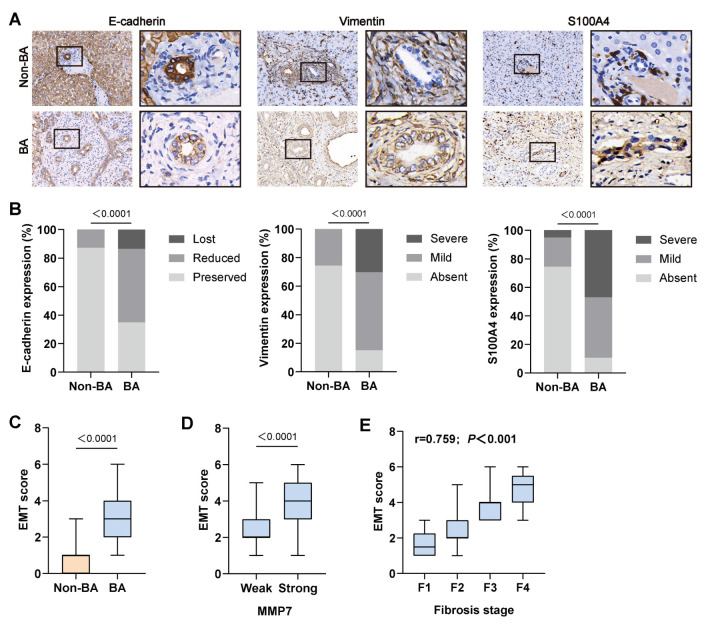 Figure 3
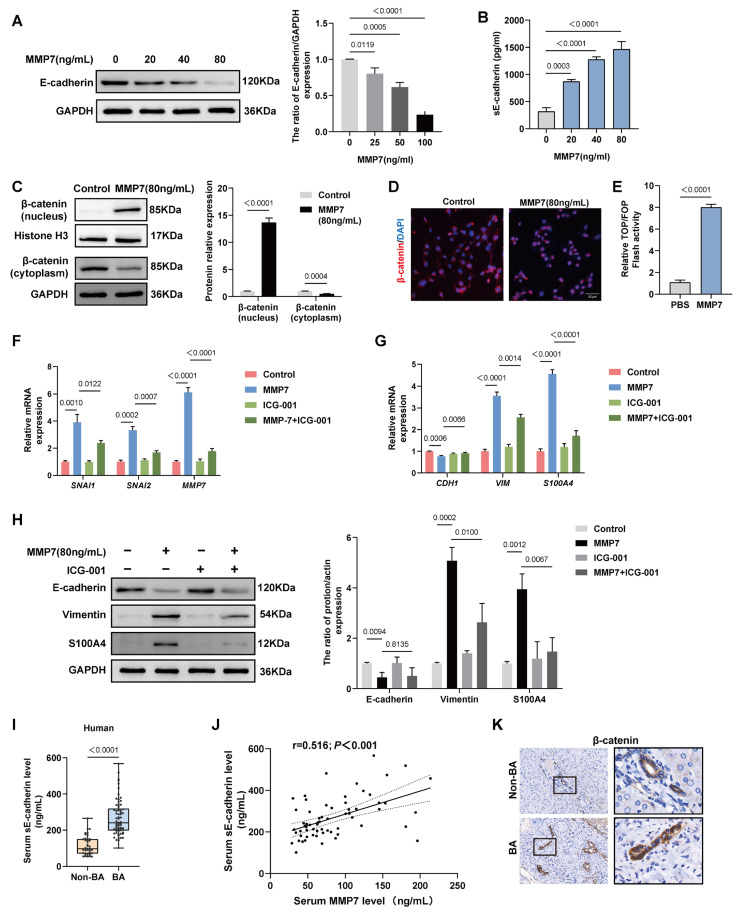 Figure 4
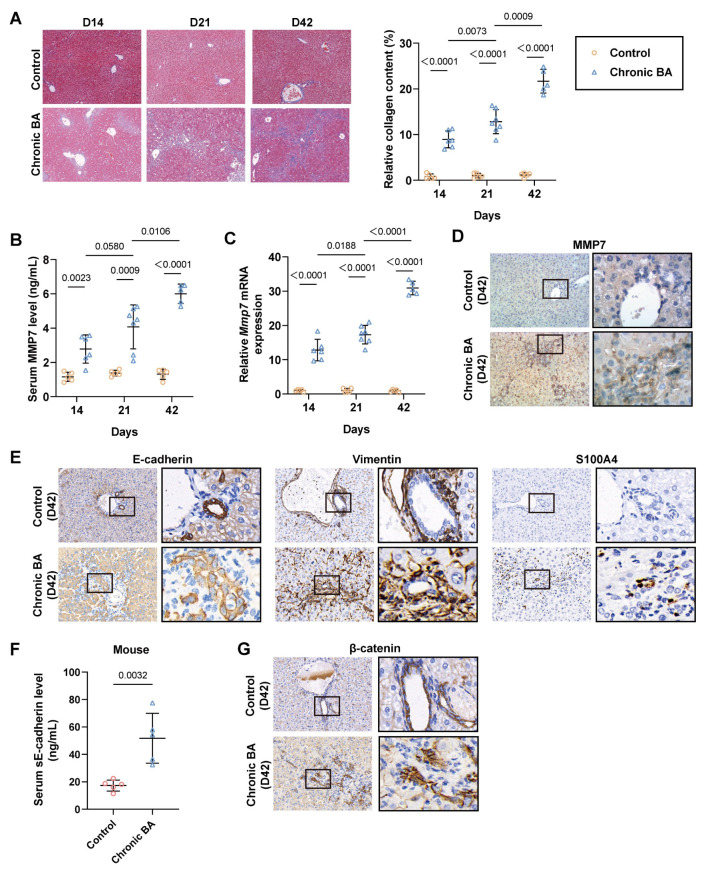 Figure 5
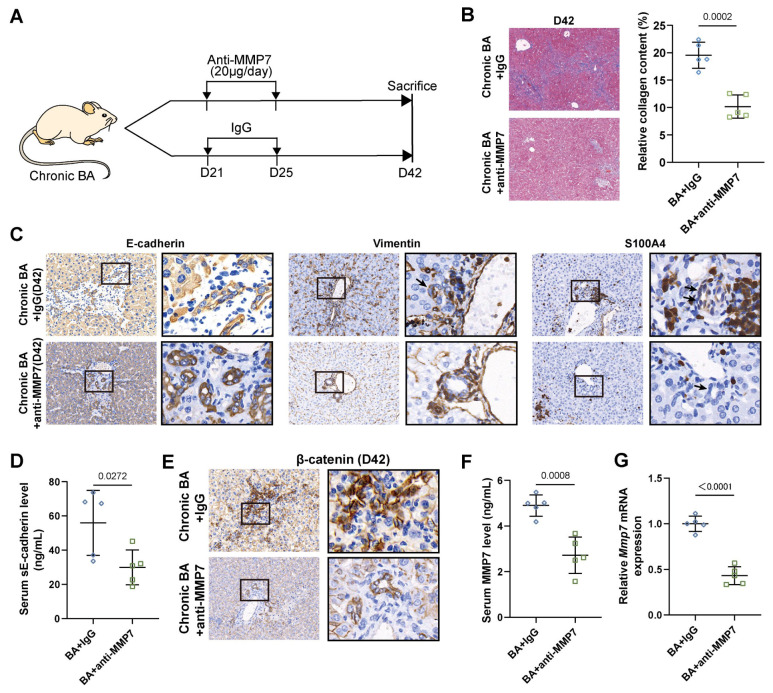 Figure 6
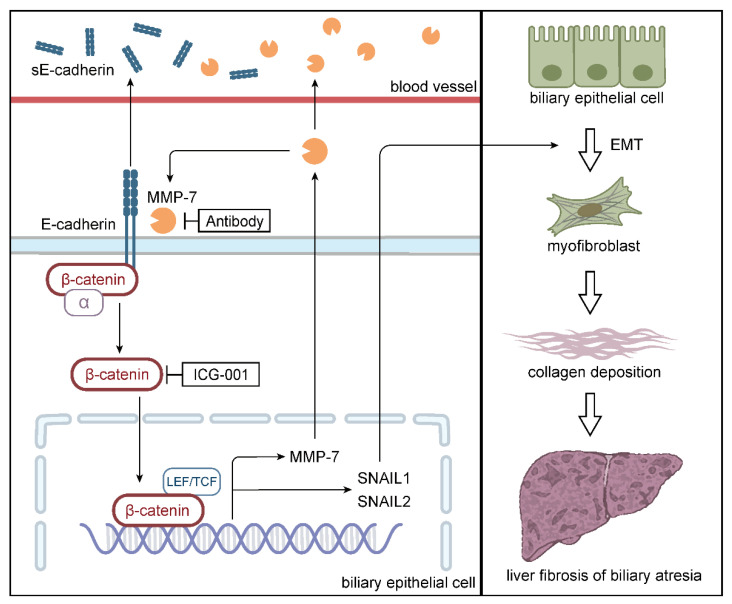 Figure 7
Peer Reviews
No public reviews on file for this paper yet. If you reviewed it on a platform where reviews are public (OpenReview, ICLR, NeurIPS, ICML), you can paste yours below so the community can read it here.
Videos
No videos yet. Explain this paper in a talk, walkthrough, or lecture? Add one.
Taxonomy
TopicsPediatric Hepatobiliary Diseases and Treatments · Gallbladder and Bile Duct Disorders · Liver physiology and pathology