Quantitative Analysis of Bisphenol A in Commercial Beverages
Ana I. Freitas, Marta S. Ferreira, José C. Marques

TL;DR
This study measures Bisphenol A in various beverages and finds it in about 30% of samples, with higher levels in iced teas and canned drinks.
Contribution
The study introduces a potential chitosan-coated optical fiber sensor for rapid BPA detection in food matrices.
Findings
BPA was detected in 30% of beverage samples with concentrations ranging from 0.15 to 0.94 ng/mL.
Iced teas and canned beverages showed the highest BPA detection frequencies.
A preliminary test demonstrated a chitosan-coated sensor's ability to detect BPA in real food matrices.
Abstract
Bisphenol A (BPA) is a widely used synthetic compound and a well-known endocrine-disrupting chemical that has been linked to a range of health issues and poses significant public health concern. Despite efforts to regulate its use in food-contact materials, BPA remains a significant food contaminant due to its widespread use and its ability to leach into consumer products. Therefore, it is paramount to continue monitoring this contaminant in the food supply chain. This work aims to assess human exposure by investigating the presence of BPA in beverages, including iced teas, fruit juices, water, and carbonated drinks. The analysis by liquid chromatography coupled with fluorescence detection reveals BPA above the limit of quantification in about 30% of samples, with concentrations ranging from 0.15 to 0.94 ng/mL. The highest detection frequencies are observed in iced teas and canned…
Genes, proteins, chemicals, diseases, species, mutations and cell lines named across the full text — each resolved to its canonical identifier and authoritative record.
Click any figure to enlarge with its caption.
 Figure 1
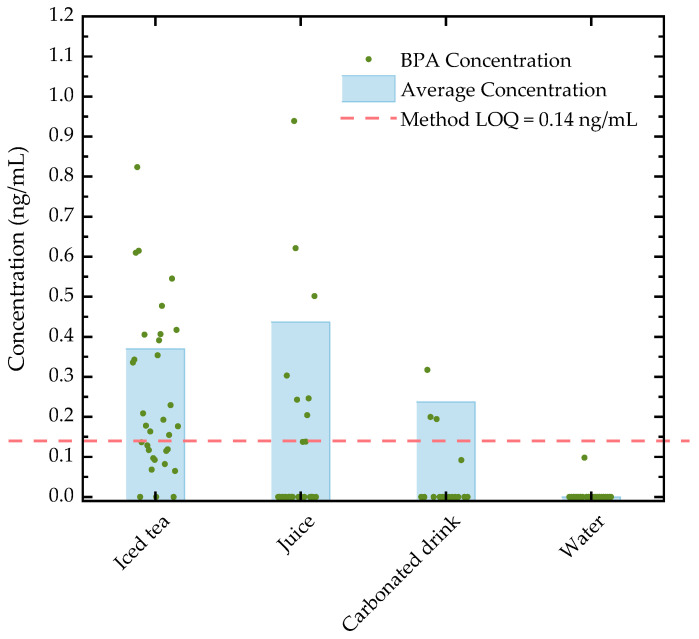 Figure 2
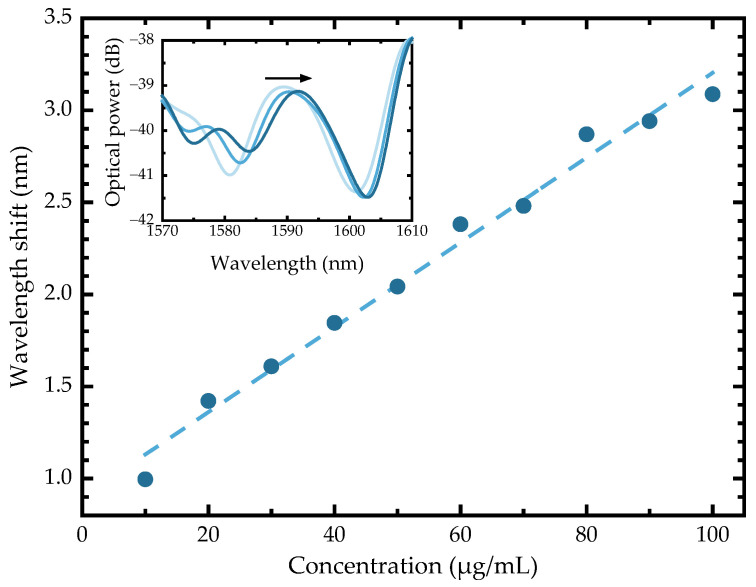 Figure 3
Peer Reviews
No public reviews on file for this paper yet. If you reviewed it on a platform where reviews are public (OpenReview, ICLR, NeurIPS, ICML), you can paste yours below so the community can read it here.
Videos
No videos yet. Explain this paper in a talk, walkthrough, or lecture? Add one.
Taxonomy
TopicsEffects and risks of endocrine disrupting chemicals · Microplastics and Plastic Pollution · Per- and polyfluoroalkyl substances research