A Numerical Study on Optimization of Shape and Dimensions for Cold-Extruded Blank of Copper Pin-Type Heat Dissipation Substrates
Wei Wei, Fakai Chen, Jingbo Gao, Yong Xu, Tengfei Zhang, Wenlong Xie

TL;DR
This study optimizes the shape and dimensions of copper pin-type heat sink substrates to improve material usage and reduce forming loads during cold extrusion.
Contribution
The novel contribution is the numerical investigation and optimization of stepped blank shapes and orientations to enhance cold extrusion performance.
Findings
The stepped blank with front orientation provides the best forming performance with the lowest load and sufficient pin-fin filling.
Dimension optimization reduced the forming load by 35.3% while meeting design requirements for thickness and pin-fin height.
Experiments confirmed the feasibility of the optimized stepped blank configuration for mass production.
Abstract
The thermal dissipation performance of the radiator is crucial for the stable operation of power electronic devices. Due to excellent thermal performance, copper pin-type heat sink substrates are widely adopted. However, the cold extrusion process for heat sink substrates suffers from low material utilization and high forming loads. To improve material utilization and reduce cold extrusion forming load, four blank shapes (rectangular, trapezoidal, trapezoidal cap, and stepped) were designed using finite-element simulation to investigate the effects of blank shape and placement method with orientation relative to the die cavity on forming quality. Further dimensional optimization was conducted to determine the optimal configuration. The results show that the stepped blank with front orientation exhibits the optimal forming performance, featuring the lowest forming load and the most…
Genes, proteins, chemicals, diseases, species, mutations and cell lines named across the full text — each resolved to its canonical identifier and authoritative record.
Click any figure to enlarge with its caption.
 Figure 1
 Figure 2
 Figure 3
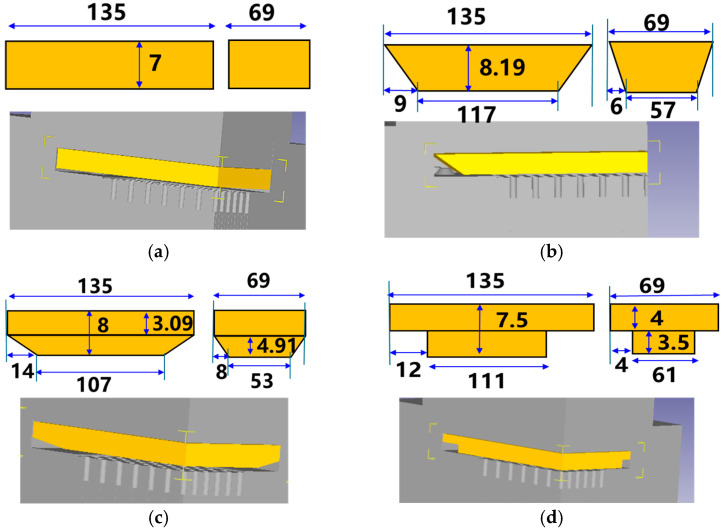 Figure 4
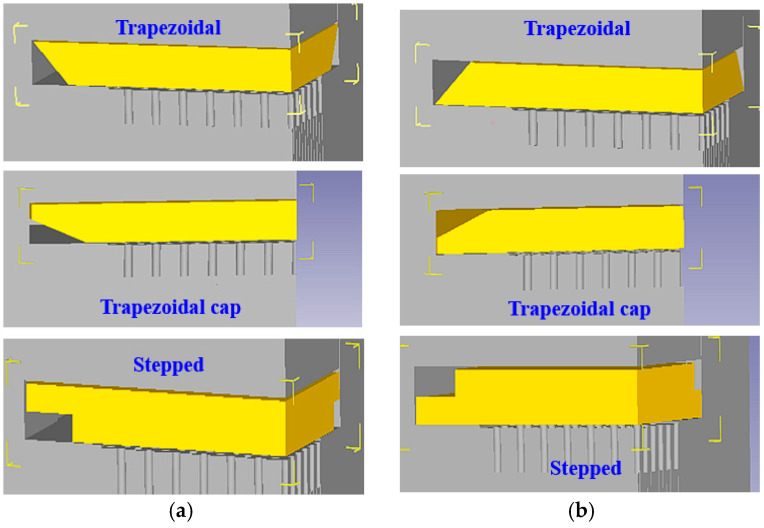 Figure 5
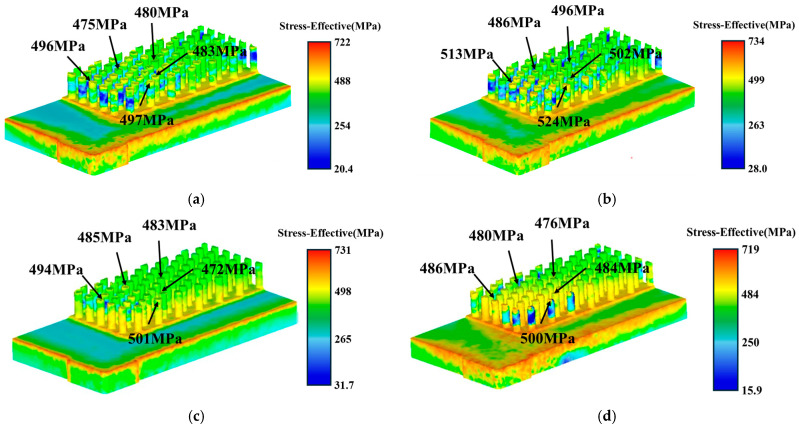 Figure 6
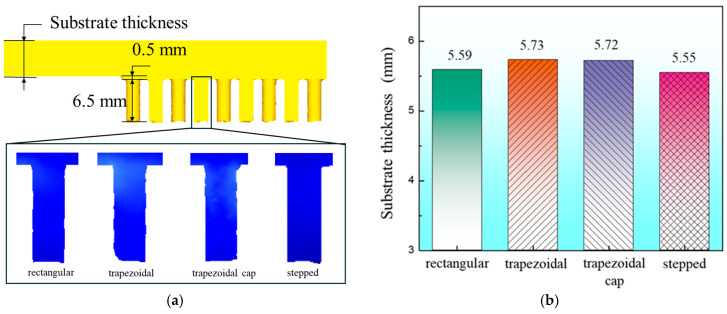 Figure 7
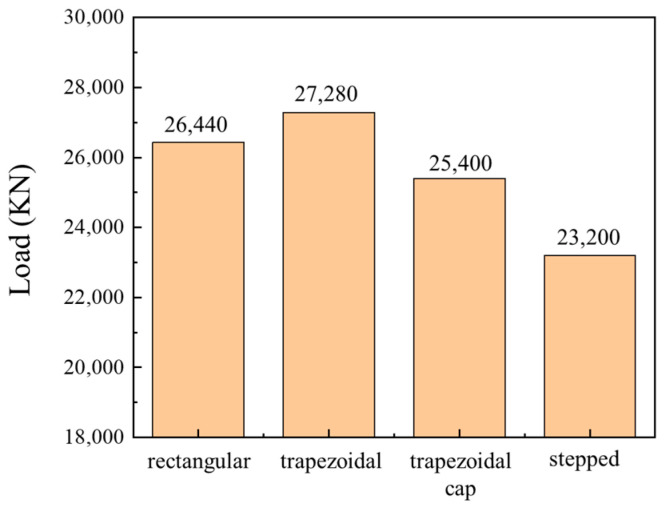 Figure 8
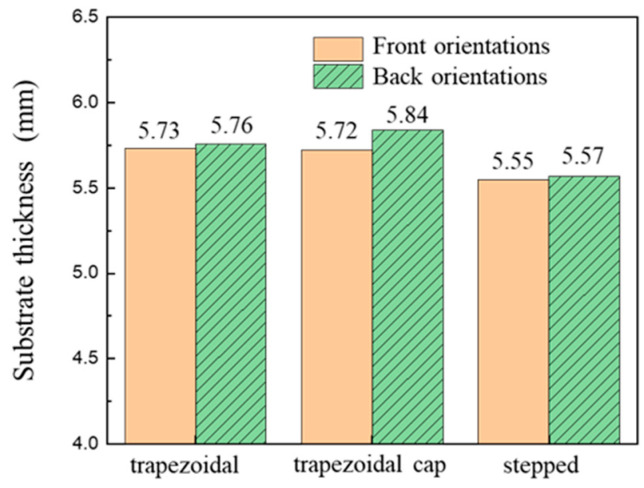 Figure 9
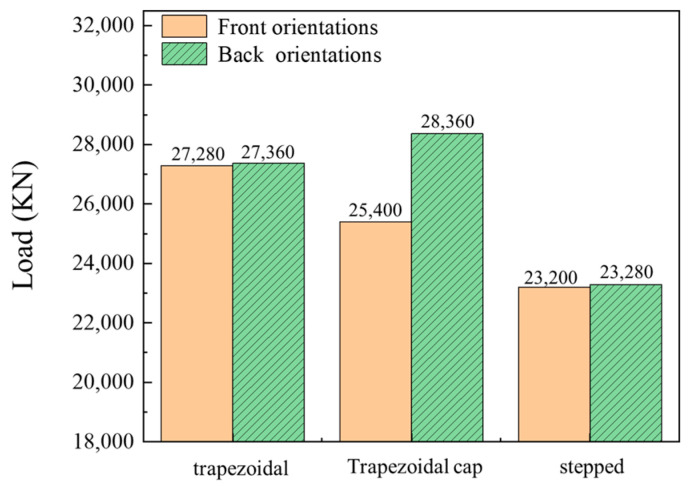 Figure 10
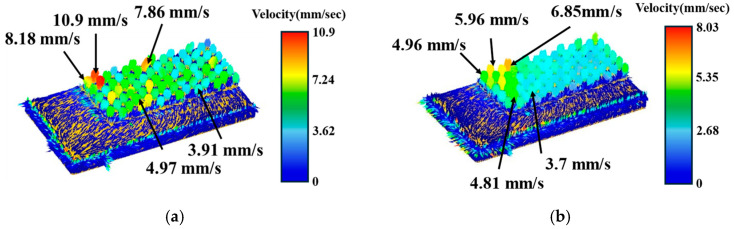 Figure 11
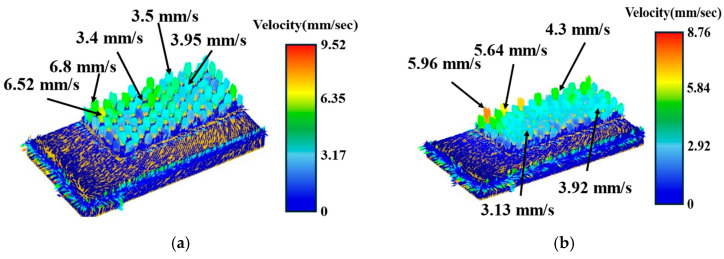 Figure 12
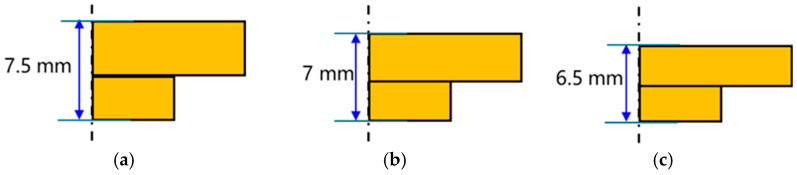 Figure 13
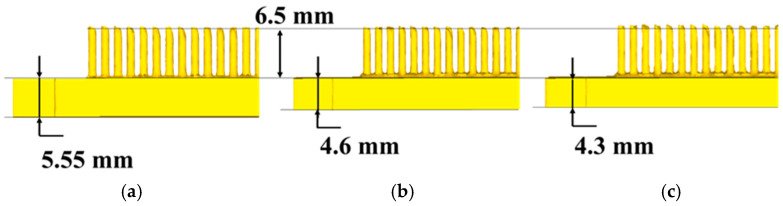 Figure 14
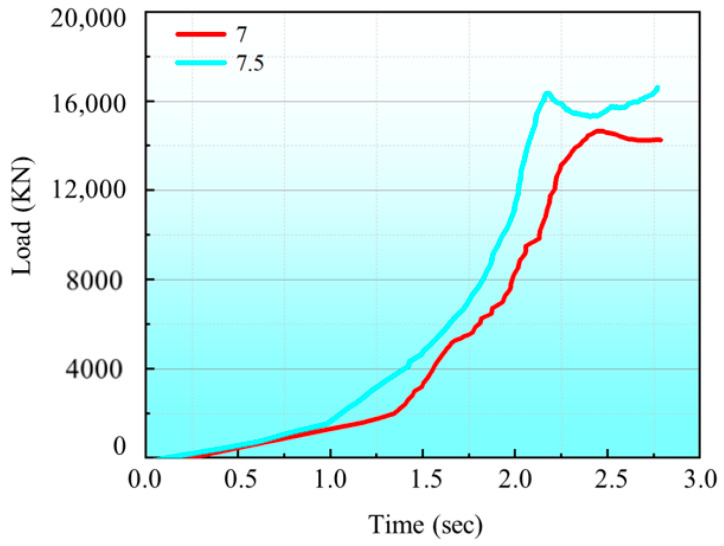 Figure 15
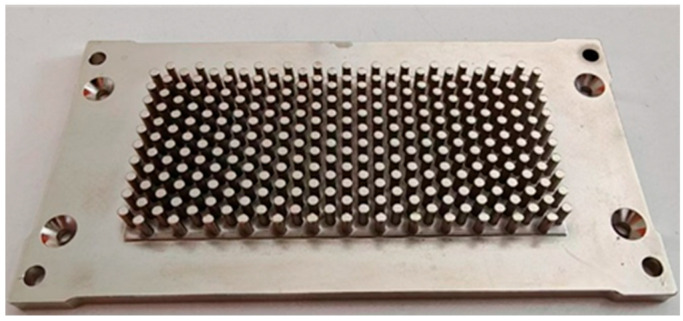 Figure 16
Peer Reviews
No public reviews on file for this paper yet. If you reviewed it on a platform where reviews are public (OpenReview, ICLR, NeurIPS, ICML), you can paste yours below so the community can read it here.
Videos
No videos yet. Explain this paper in a talk, walkthrough, or lecture? Add one.
Taxonomy
TopicsMetal Forming Simulation Techniques · Metallurgy and Material Forming · Microstructure and mechanical properties