Advances in Membrane, Dialyzer Design, and Related Monitoring Technologies for Hemodiafiltration: Translating Bench-Side Innovations to Bedside Applications
Alfred Gagel, Gerhard Wiesen, Stefano Stuard, Bernard Canaud

TL;DR
This paper reviews recent advancements in hemodiafiltration technology, focusing on how improved dialyzer design and membrane materials can enhance toxin removal and patient outcomes in kidney disease.
Contribution
The paper highlights novel developments in membrane materials and dialyzer engineering that improve the precision and efficacy of hemodiafiltration.
Findings
New membrane materials like polysulfone and polyethersulfone improve the clearance of middle molecules and protein-bound toxins.
Optimized dialyzer design and machine algorithms enable safe delivery of high convective volumes, enhancing toxin removal.
Mechanistic modeling supports clinical translation but requires careful interpretation for individualized treatment.
Abstract
Background: Online hemodiafiltration (HDF) represents the most advanced form of kidney replacement therapy, combining diffusive and convective transport to enhance the removal of uremic toxins across a wide molecular spectrum. Achieving high convective volumes is a key determinant of treatment efficacy and has been associated with improved survival. Beyond small solutes, HDF targets middle molecules and protein-bound uremic toxins (PBUTs), including β2-microglobulin, inflammatory cytokines, and other large uremic compounds implicated in cardiovascular and systemic complications. Aims: This narrative review examines advances in dialysis membrane materials, dialyzer design, and monitoring technologies that optimize mass transfer in HDF. It focuses on the interplay between membrane permeability, hemocompatibility, and convective dose delivery, and discusses how these engineering…
Genes, proteins, chemicals, diseases, species, mutations and cell lines named across the full text — each resolved to its canonical identifier and authoritative record.
Click any figure to enlarge with its caption.
 Figure 1
 Figure 2
 Figure 3
 Figure 4
 Figure 5
 Figure 6
 Figure 7
 Figure 8
 Figure 9
 Figure 10
 Figure 11
 Figure 12
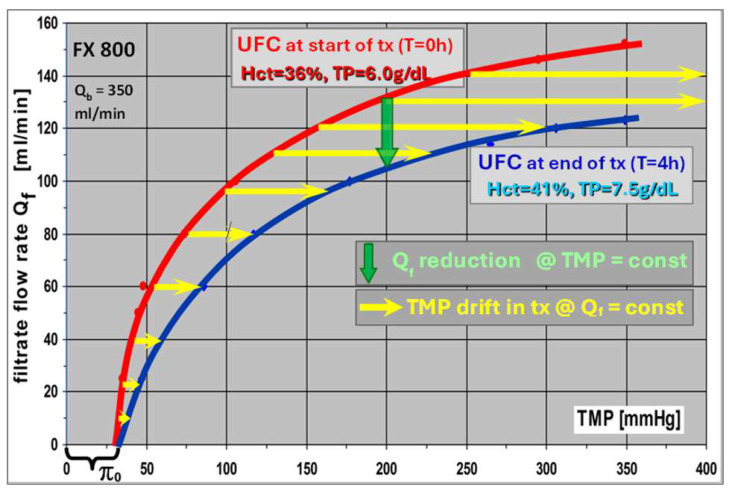 Figure 13
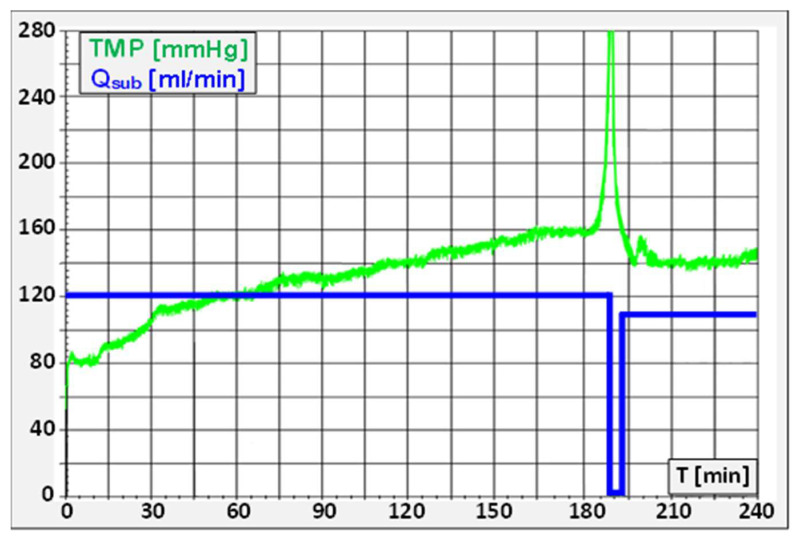 Figure 14
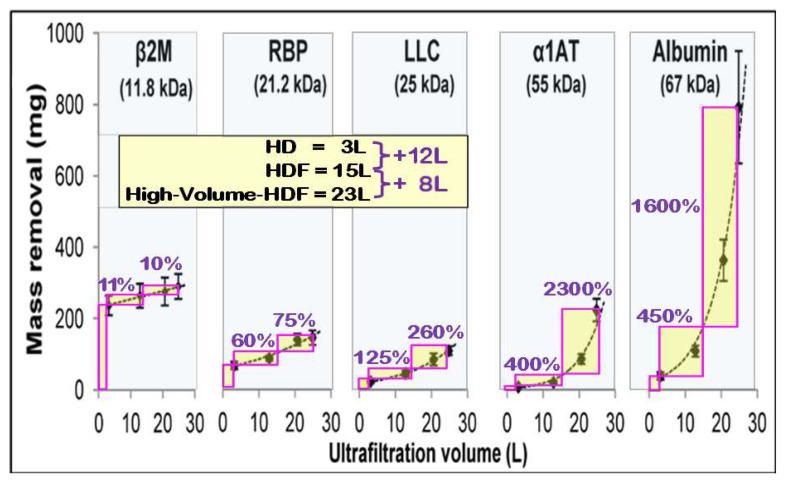 Figure 15
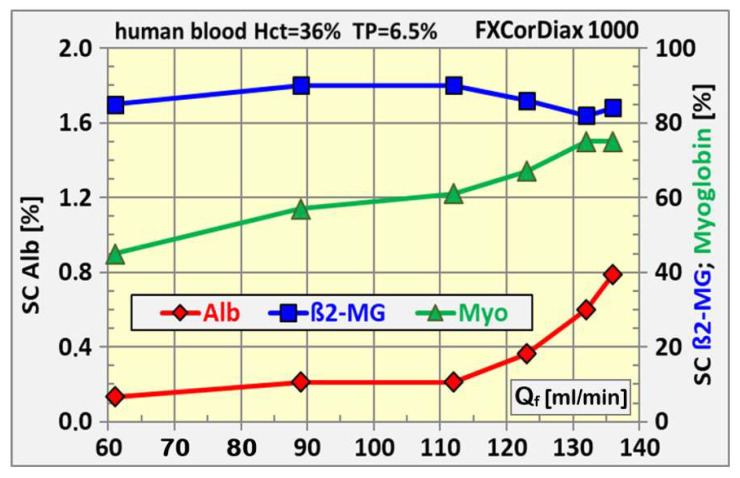 Figure 16
 Figure 17
 Figure 18
 Figure 19
Peer Reviews
No public reviews on file for this paper yet. If you reviewed it on a platform where reviews are public (OpenReview, ICLR, NeurIPS, ICML), you can paste yours below so the community can read it here.
Videos
No videos yet. Explain this paper in a talk, walkthrough, or lecture? Add one.
Taxonomy
TopicsDialysis and Renal Disease Management · Central Venous Catheters and Hemodialysis · Membrane Separation Technologies