Comparison of Qualitative and Quantitative Methods for Gingival Thickness Assessment: Color-Coded Probe Versus Ultrasound Measurements
Jakub Hadzik, Paweł Kubasiewicz-Ross, Tomasz Gedrange, Krzysztof Kujawa, Marzena Dominiak

TL;DR
This study compares two methods for measuring gum thickness and finds they can be used together for better diagnosis in dental care.
Contribution
The study establishes a consistent relationship between qualitative and quantitative gingival thickness assessments.
Findings
Qualitative categories correlate with quantitative ultrasound measurements.
Color-coded probes are effective as rapid screening tools.
Ultrasonography offers objective data for detailed monitoring.
Abstract
Accurate assessment of gingival thickness is essential for clinical decision-making in implant dentistry, periodontology, and orthodontics. Qualitative phenotype assessment using color-coded periodontal probes is commonly applied as a rapid screening tool, whereas ultrasonography provides quantitative, non-invasive measurements expressed in millimeters. The relationship between these two approaches, however, remains insufficiently defined. The aim of this study was to evaluate the correspondence between qualitative gingival phenotype classification using a color-coded probe and quantitative soft tissue thickness measured with an ultrasound-based system. In this observational diagnostic substudy, the gingival phenotype was categorized as thin, medium, thick, or very thick based on probe translucency and compared with ultrasound-derived thickness values obtained at standardized sites.…
Click any figure to enlarge with its caption.
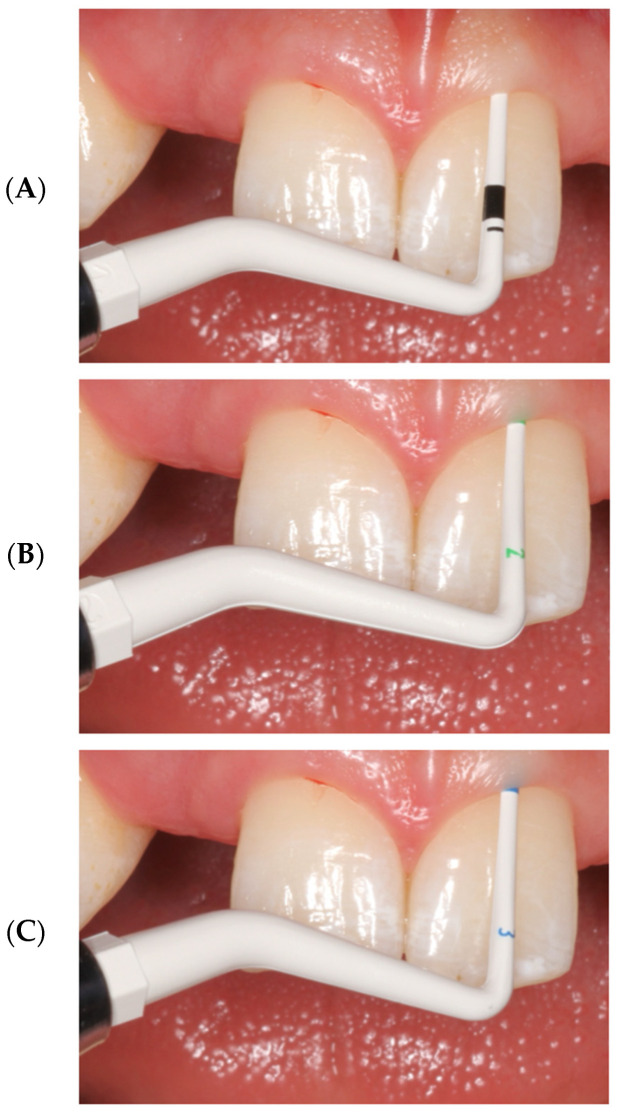 Figure 1
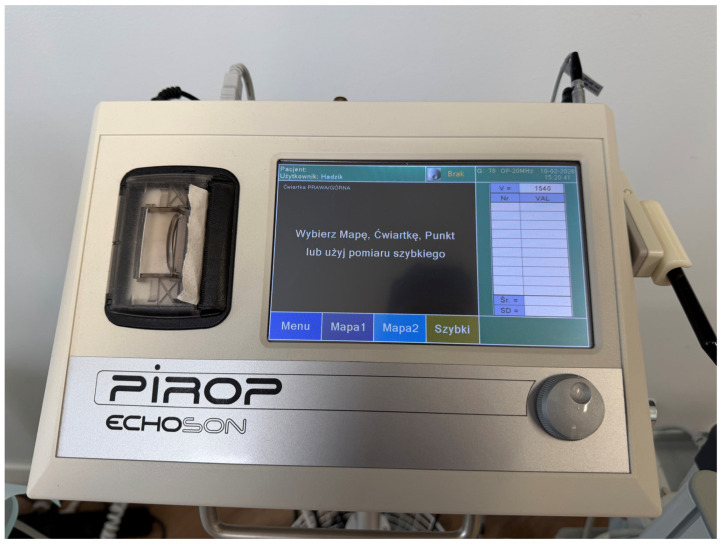 Figure 2
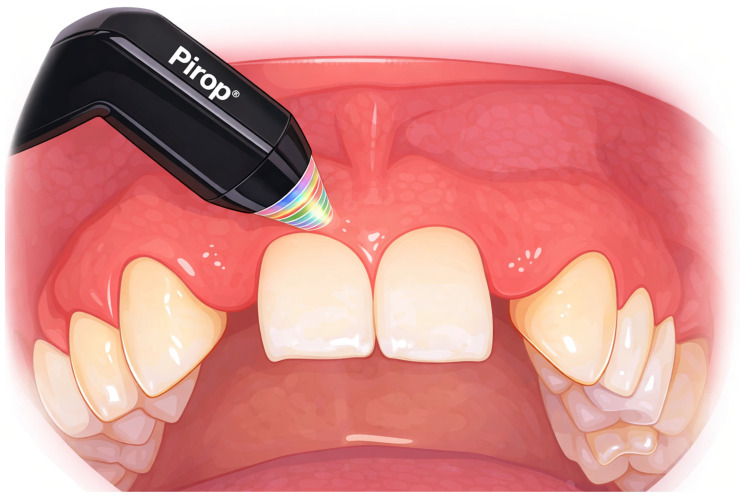 Figure 3
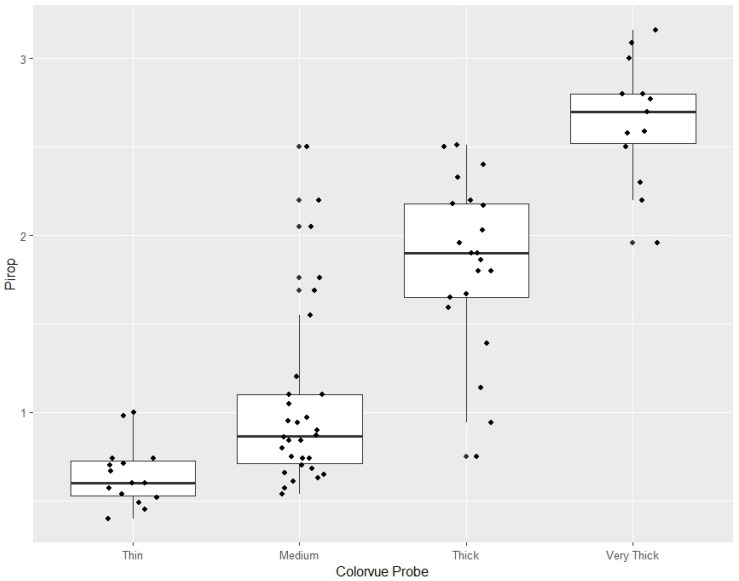 Figure 4
Peer Reviews
No public reviews on file for this paper yet. If you reviewed it on a platform where reviews are public (OpenReview, ICLR, NeurIPS, ICML), you can paste yours below so the community can read it here.
Videos
No videos yet. Explain this paper in a talk, walkthrough, or lecture? Add one.
Taxonomy
TopicsPeriodontal Regeneration and Treatments · Oral microbiology and periodontitis research · Dental Implant Techniques and Outcomes