Feature Analysis for Evaluating the Risk of Postoperative Delirium in Pediatric Patients
Andrzej Czyrski, Jowita Rosada-Kurasińska, Weronika Ziętkiewicz, Klaudia Sarniak, Estera Szwedziak, Agnieszka Bienert, Alicja Bartkowska-Śniatkowska

TL;DR
This study identifies risk factors for postoperative delirium in children, finding that chronic diseases and postoperative pain are linked to higher delirium rates.
Contribution
The study introduces a feature analysis linking chronic diseases and postoperative pain to postoperative delirium in pediatric patients.
Findings
60% of patients showed delirium based on the CAPD scale, and 39% based on the PAED scale.
A strong correlation was found between CAPD and PAED scale scores.
Chronic disease and postoperative pain were identified as risk factors for delirium.
Abstract
Background/Objectives: Postoperative delirium is an acute condition commonly seen in pediatric patients. It is often observed in intensive care units for patients undergoing general anesthesia. Characteristic symptoms include disturbances of consciousness, attention, perception, or disorientation. The occurrence of delirium can be assessed using the CAPD and PAED scales. Methods: A single-center observational cohort studyof the 2022–2024 results was conducted. A total of 89 patients of the Pediatric Anesthesiology and Intensive Care Unit undergoing procedures under general anesthesia were included in this study. The state of delirium just after the recovery from anesthesia was assessed using the CAPD and PAED scales. Results: A total of 60% of patients experienced delirium taking the results according to the CAPD scale, 39% according to the PAED scale. A score indicating delirium…
Genes, proteins, chemicals, diseases, species, mutations and cell lines named across the full text — each resolved to its canonical identifier and authoritative record.
Click any figure to enlarge with its caption.
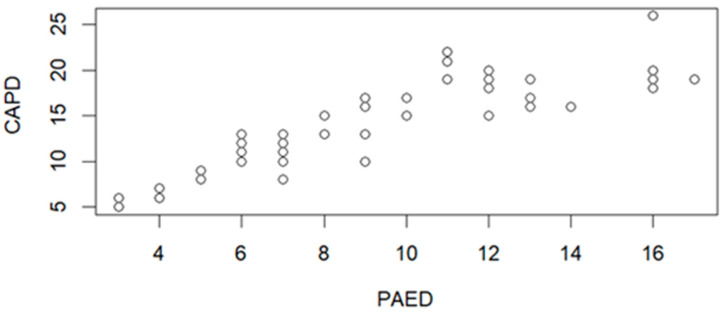 Figure 1
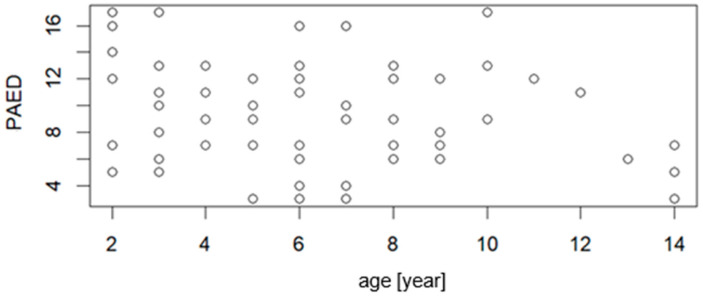 Figure 2
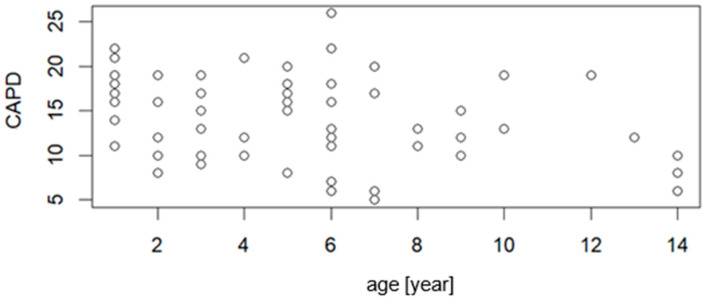 Figure 3
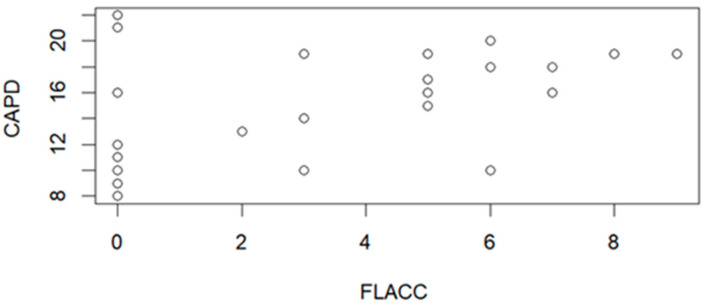 Figure 4
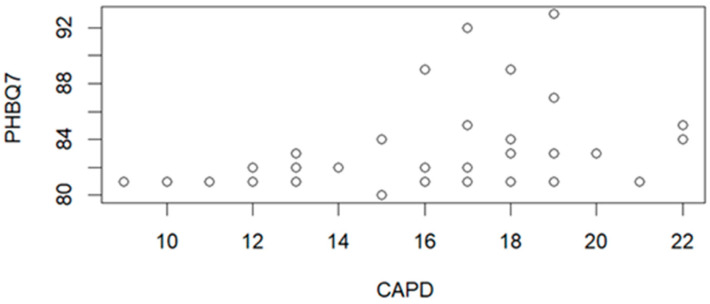 Figure 5
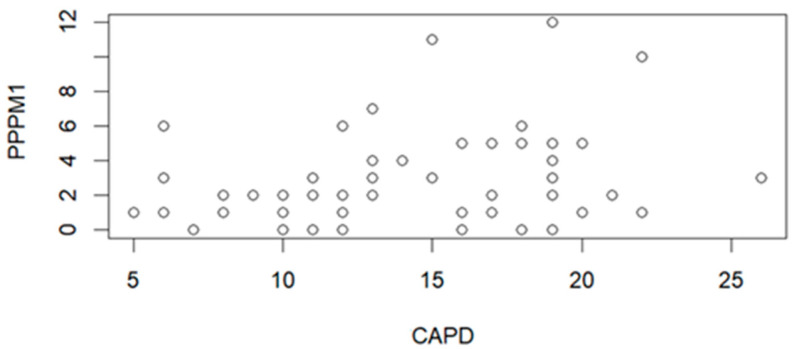 Figure 6
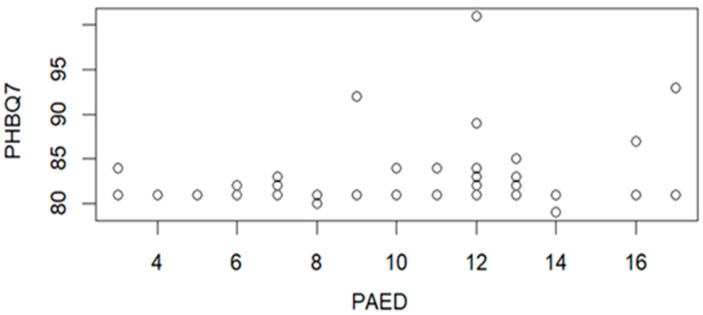 Figure 7
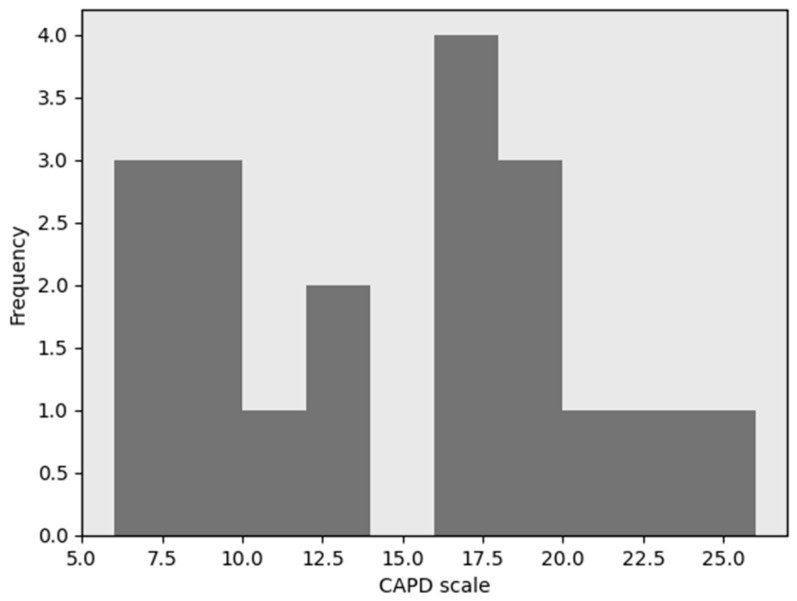 Figure 8
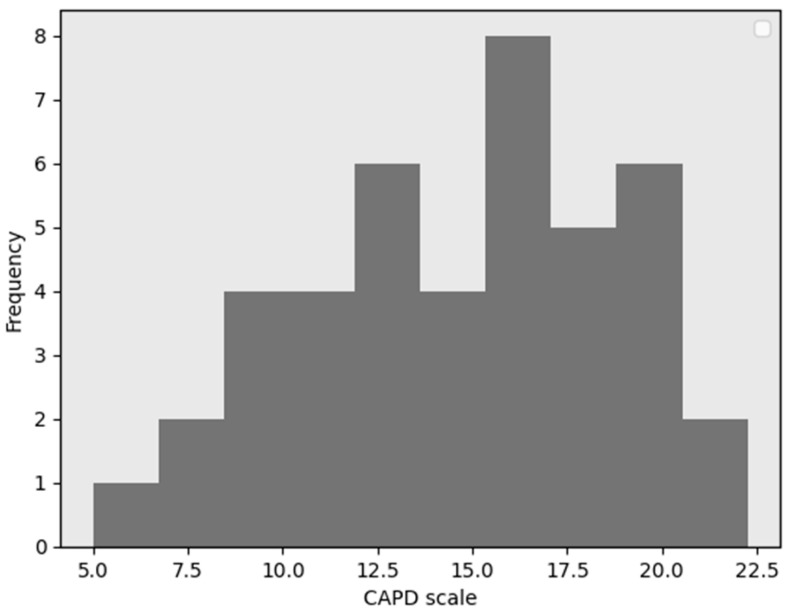 Figure 9
Peer Reviews
No public reviews on file for this paper yet. If you reviewed it on a platform where reviews are public (OpenReview, ICLR, NeurIPS, ICML), you can paste yours below so the community can read it here.
Videos
No videos yet. Explain this paper in a talk, walkthrough, or lecture? Add one.
Taxonomy
TopicsIntensive Care Unit Cognitive Disorders · Anesthesia and Neurotoxicity Research · Anesthesia and Sedative Agents