Efficient Valorization of Waste Surgical Masks for the Production of Activated Carbon-like Sorbent and Its Application in Solid-Phase Extraction and UHPLC-PDA Analysis of Phthalates in Water
Pantaleone Bruni, Vanessa Da Fermo, Rafal Wolicki, Michele Ciulla, Pietro Di Profio, Leonardo Sbrascini, Francesco Nobili, Giuseppe Carlucci, Vincenzo Ferrone, Salvatore Genovese, Stefania Ferrari

TL;DR
This paper presents a method to recycle used surgical masks into a material that can extract harmful chemicals from water, offering an eco-friendly and cost-effective solution.
Contribution
A novel, low-cost method to convert waste surgical masks into an activated carbon-like sorbent for PAEs analysis in water.
Findings
The sorbent showed high recovery rates (95.9–104.7%) for phthalates in water.
The method achieved low detection limits (LODs between 0.003 and 0.008 ng/mL).
The approach enables reliable and precise analysis of phthalates using UHPLC-PDA.
Abstract
One of the major current societal challenges concerns the reuse of waste materials and valuable substances to mitigate the environmental impact of human activities, which has led to the increasing release of pollutants, from plastics to pharmaceuticals. In this study, we report a simple recycling strategy for surgical masks to obtain an activated carbon-like material, suitable for the solid-phase extraction (SPE) of Phthalic acid esters (PAEss) from plastic bottled water. The sorbent was produced by high-temperature calcination after sulfuric acid treatment to enhance the thermal stability of polypropylene. The sorbent was characterized by thermal analysis, Raman spectroscopy, FTIR and scanning electron microscopy. SPE was used to preconcentrate the analytes, and the main parameters affecting the extraction, such as pH, sorbent amount, organic modifier percentage, ionic strength and…
Genes, proteins, chemicals, diseases, species, mutations and cell lines named across the full text — each resolved to its canonical identifier and authoritative record.
Click any figure to enlarge with its caption.
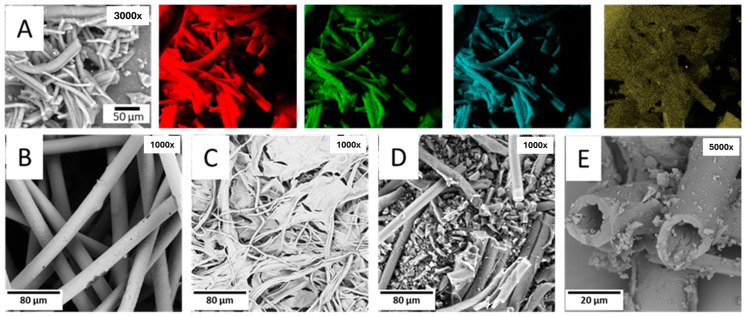 Figure 1
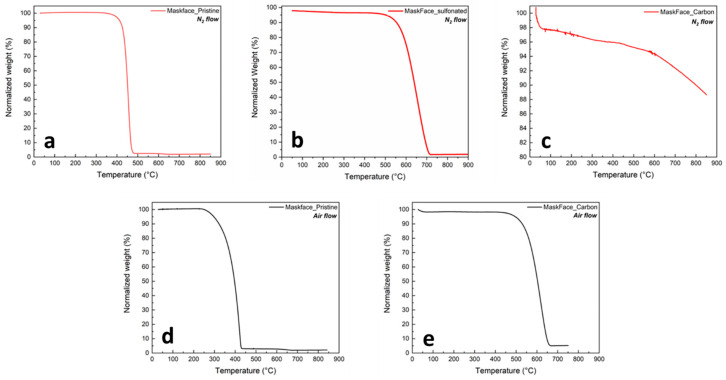 Figure 2
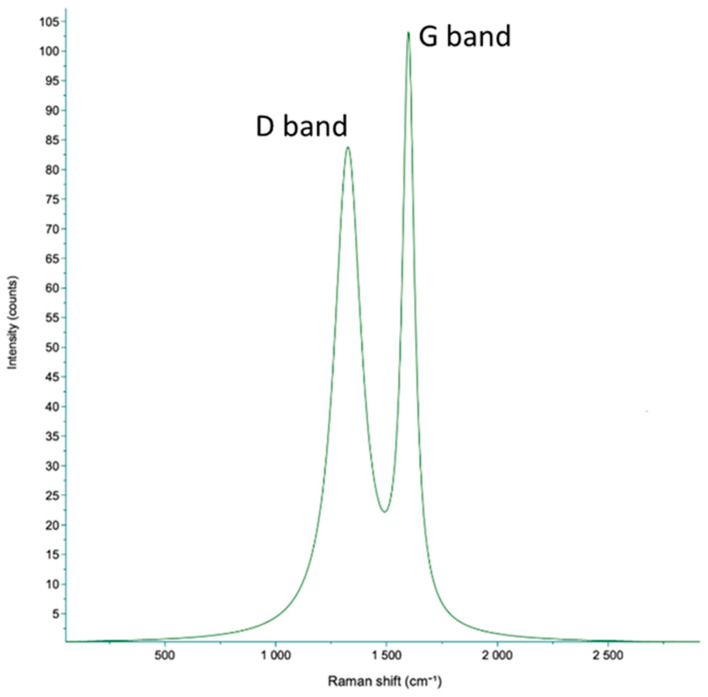 Figure 3
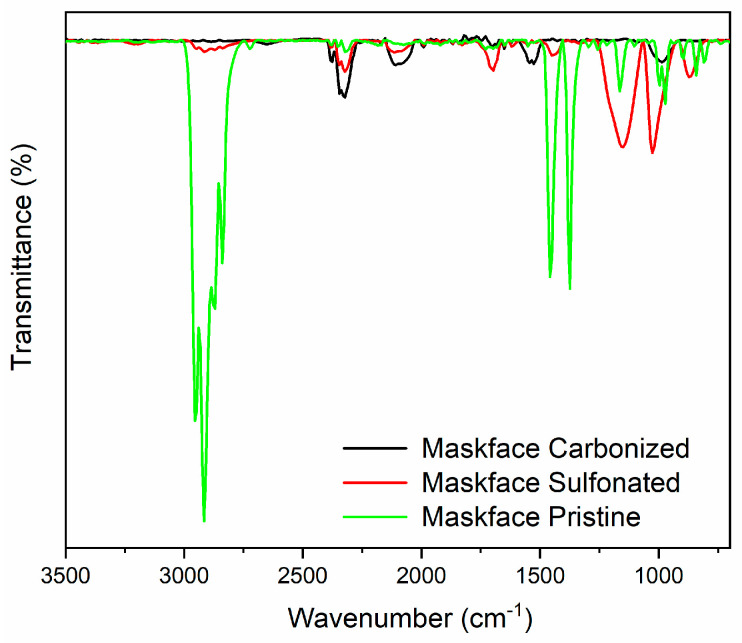 Figure 4
 Figure 5
 Figure 6
 Figure 7
 Figure 8
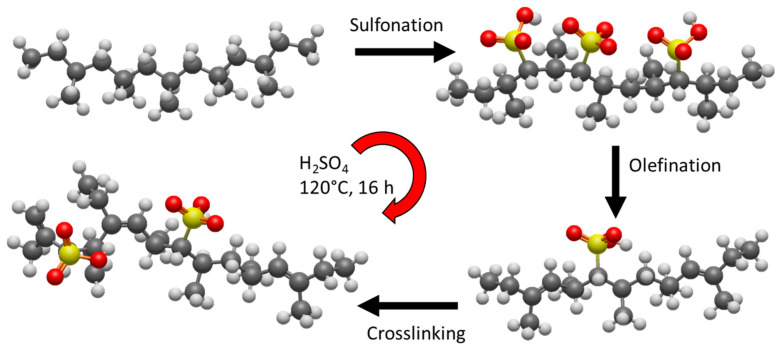 Figure 9
Peer Reviews
No public reviews on file for this paper yet. If you reviewed it on a platform where reviews are public (OpenReview, ICLR, NeurIPS, ICML), you can paste yours below so the community can read it here.
Videos
No videos yet. Explain this paper in a talk, walkthrough, or lecture? Add one.
Taxonomy
TopicsEffects and risks of endocrine disrupting chemicals · Analytical chemistry methods development · Extraction and Separation Processes