Expanding the Role of Implantable Loop Recorders: Diagnostic and Therapeutic Yields Across Seven Clinical Indications in 388 Real-World Patients
Carlos Plappert, Philipp Lacour, Abdul S Parwani, Leif-Hendrik Boldt, Felix Bähr, Doreen Schöppenthau, Anna Feuerstein, Leonie H Wieland, Emanuel Heil, Felix Hohendanner, Nikolaos Dagres, Gerhard Hindricks, Ingo Hilgendorf, Florian Blaschke

TL;DR
Implantable loop recorders help diagnose and treat heart rhythm issues in various conditions, showing high value beyond their traditional uses.
Contribution
The study provides real-world evidence of ILR effectiveness across seven clinical indications, including therapeutic impact.
Findings
ILRs detected arrhythmias in 62.1% of patients, with highest rates in AF and AFL.
Diagnostic yield was highest for AF and AFL, with most diagnoses made within the first year.
ILR findings led to therapeutic interventions in 40.2% of patients, including pacemaker implantation and anticoagulation therapy.
Abstract
Background/Objectives: Implantable loop recorders (ILRs) enable long-term electrocadiographic monitoring and are established diagnostic tools for syncope and atrial fibrillation (AF). However, their diagnostic yield and therapeutic impact in other clinical settings remain less well defined. We aimed to evaluate the diagnostic yield and clinical impact of ILR implantation across contemporary clinical indications. Methods: In this retrospective single-center study, 388 patients who underwent ILR implantation between 2011 and 2018 were included. Indications were categorized into seven groups: unexplained syncope, presyncope, cryptogenic stroke or transient ischemic attack (TIA), AF detection, AF recurrence after atrial flutter (AFL) ablation, risk stratification in structural or inherited heart disease, and palpitations. Results: Among 388 patients (median age 63 [51.8–71.8] years, 57.5%…
Genes, proteins, chemicals, diseases, species, mutations and cell lines named across the full text — each resolved to its canonical identifier and authoritative record.
Click any figure to enlarge with its caption.
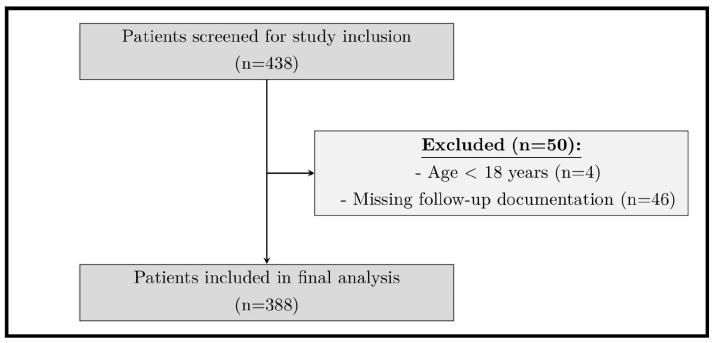 Figure 1
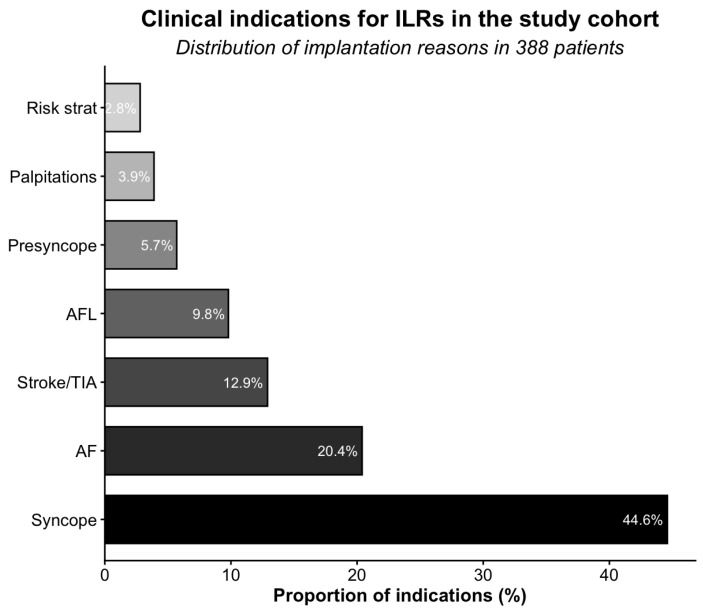 Figure 2
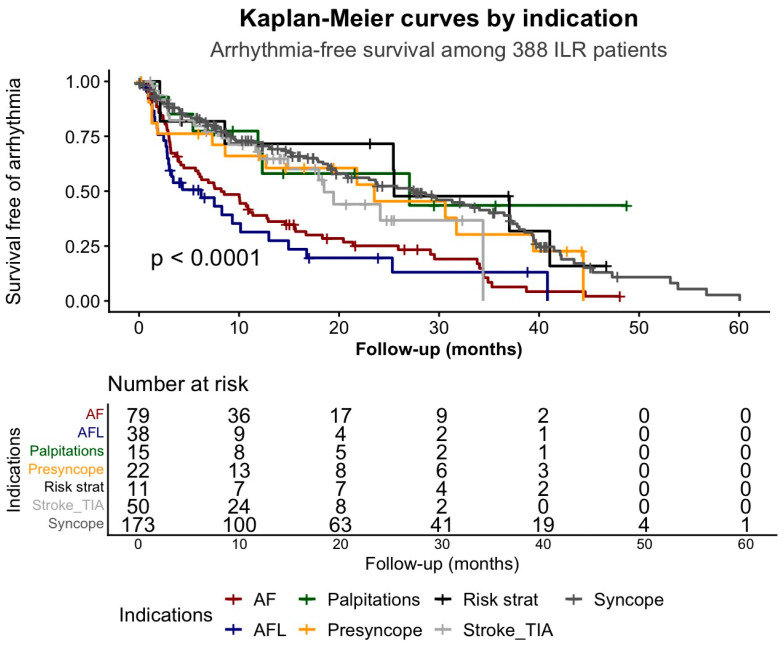 Figure 3
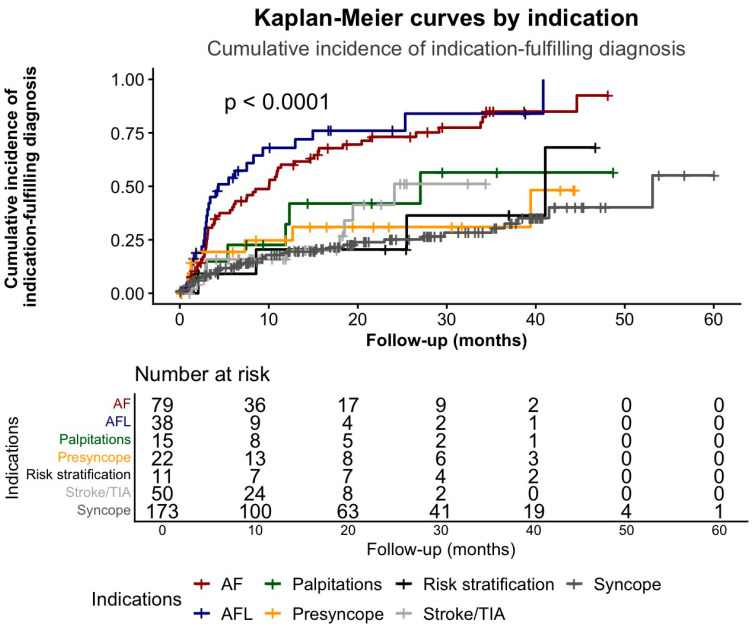 Figure 4
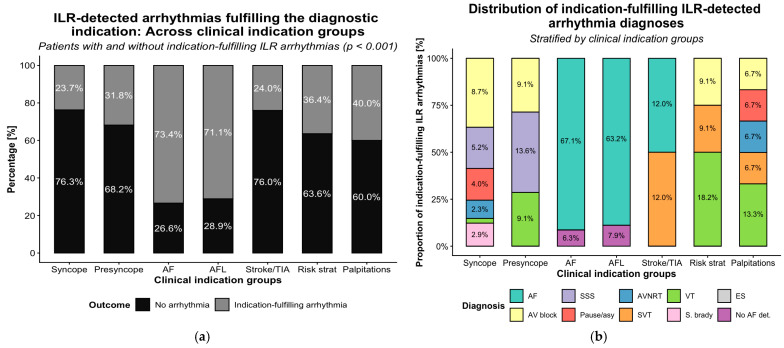 Figure 5
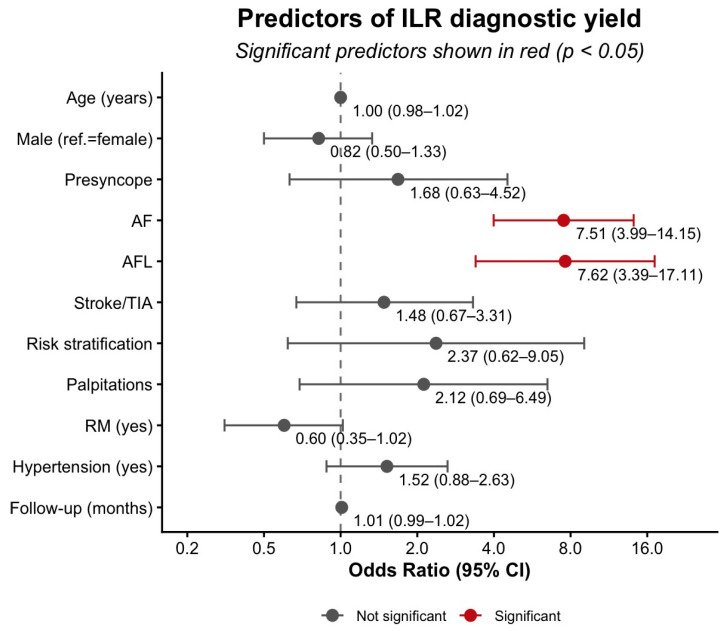 Figure 6
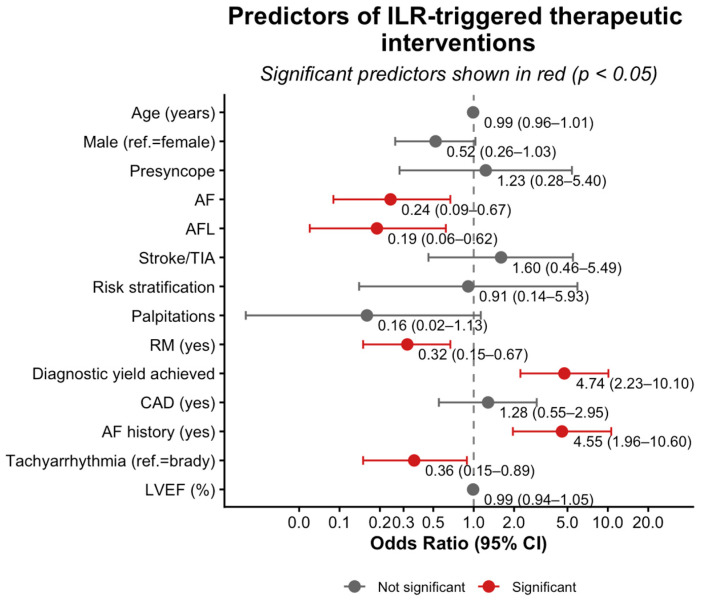 Figure 7
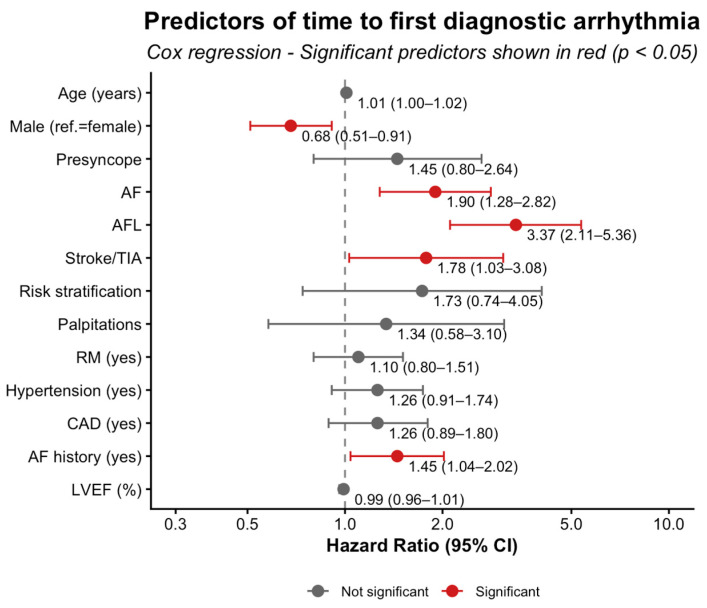 Figure 8
Peer Reviews
No public reviews on file for this paper yet. If you reviewed it on a platform where reviews are public (OpenReview, ICLR, NeurIPS, ICML), you can paste yours below so the community can read it here.
Videos
No videos yet. Explain this paper in a talk, walkthrough, or lecture? Add one.
Taxonomy
TopicsCardiovascular Syncope and Autonomic Disorders · Cardiac pacing and defibrillation studies · Atrial Fibrillation Management and Outcomes