Age-Associated Metabolomic Changes in Human Spermatozoa
Mohd Amin Beg, Md Shawkat Khan, Ishfaq Ahmad Sheikh, Taha Abo-Almagd Abdel-Meguid Hamoda, Mohammad Imran Khan, Priyanka Sharma, Ali Hasan Alkhzaim, Kenaz Basem Abuzenada, Arif Mohammed, Abrar Ahmad, Adel Mohammad Abuzenadah, Erdogan Memili

TL;DR
This study identifies age-related changes in the sperm metabolome of Arab men, revealing biomarkers that could help address age-related fertility decline.
Contribution
The study provides novel insights into age-associated metabolomic changes in sperm and identifies potential biomarkers for male fertility decline.
Findings
164 metabolites showed significant differences across age groups, with distinct clustering between young and advanced-age groups.
137 potential aging-sperm biomarkers were identified, affecting sperm motility, energy metabolism, and fertilization.
Advanced-age sperm showed undetectable L-homocysteine and uniquely abundant methyloctadecanoyl-CoA.
Abstract
The functional genomic mechanisms contributing to aging-associated decline in fertility in men remain insufficiently elucidated. This study investigated age-related alterations in the sperm metabolome of healthy fertile Arab men across three groups: young adult (21–30 years, n = 6), late adult (31–40 years, n = 7), and advanced age (41–51 years, n = 5). Metabolomics was performed using LC-MS/MS. Statistical/functional analyses were performed using MetaboAnalyst-Pro. A total of 380 metabolites were identified, of which 164 showed significant differences (p < 0.05) across age groups. Principal component analysis, partial least squares-discriminate (PLS-DA), and sparse PLS-DA consistently demonstrated distinct metabolomic clustering between young adult and advanced age groups. Notably, in the advanced-age spermatozoa, L-homocysteine was undetectable, while methyloctadecanoyl-CoA was…
Genes, proteins, chemicals, diseases, species, mutations and cell lines named across the full text — each resolved to its canonical identifier and authoritative record.
Click any figure to enlarge with its caption.
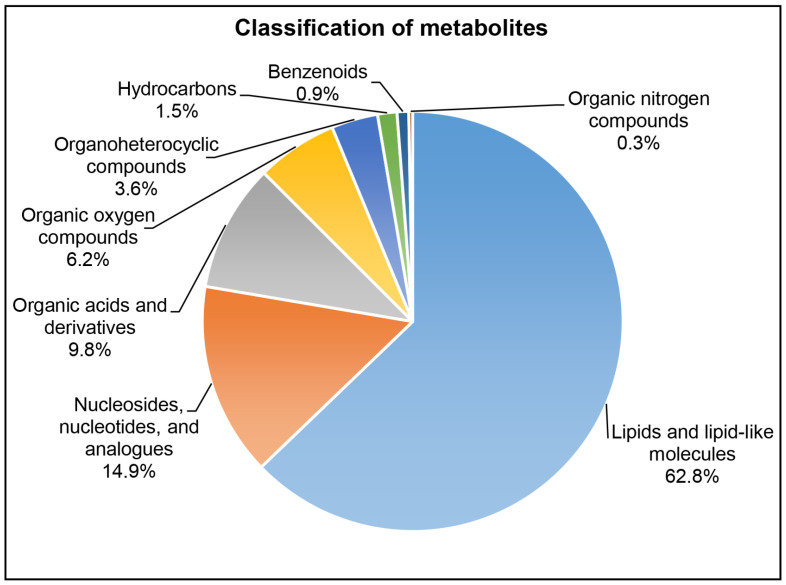 Figure 1
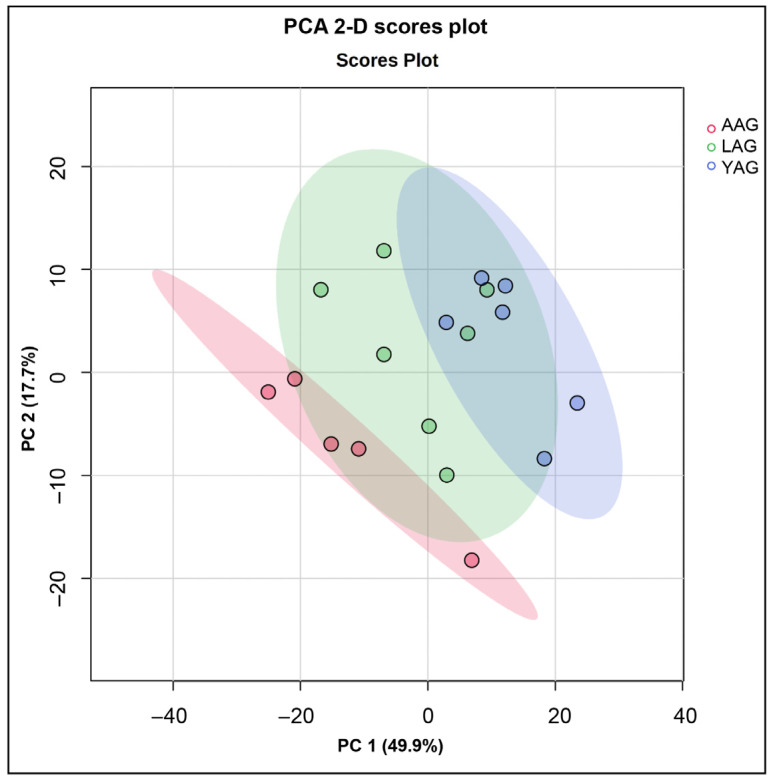 Figure 2
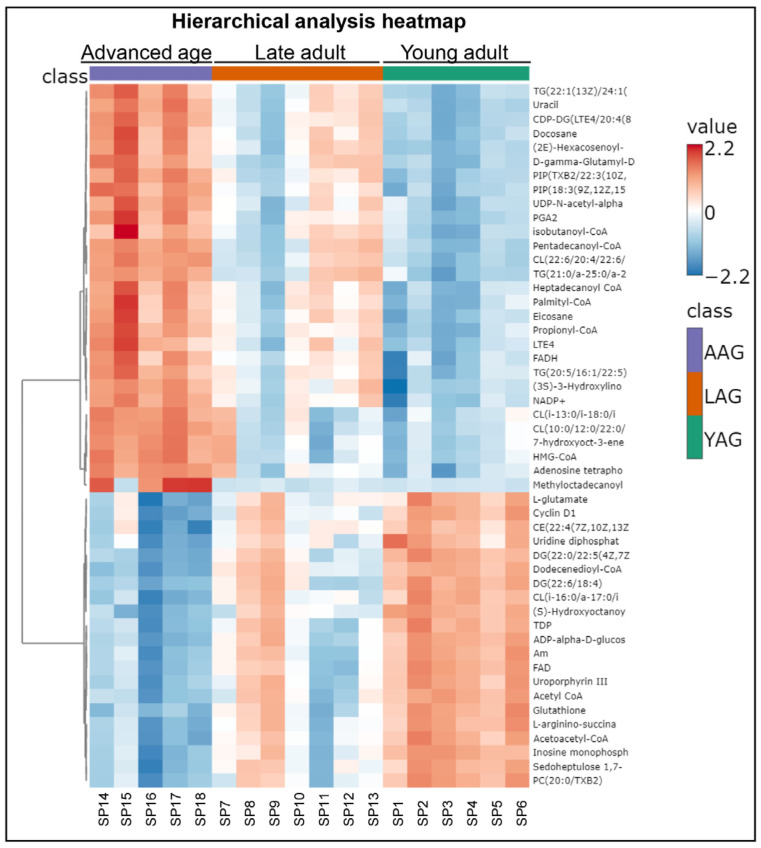 Figure 3
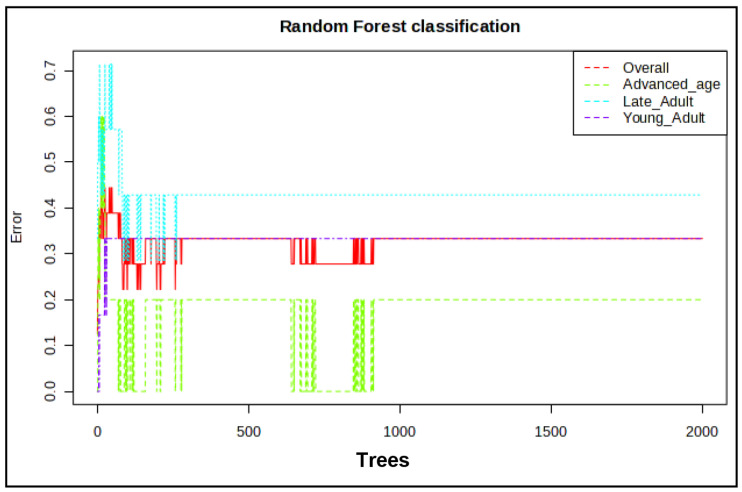 Figure 4
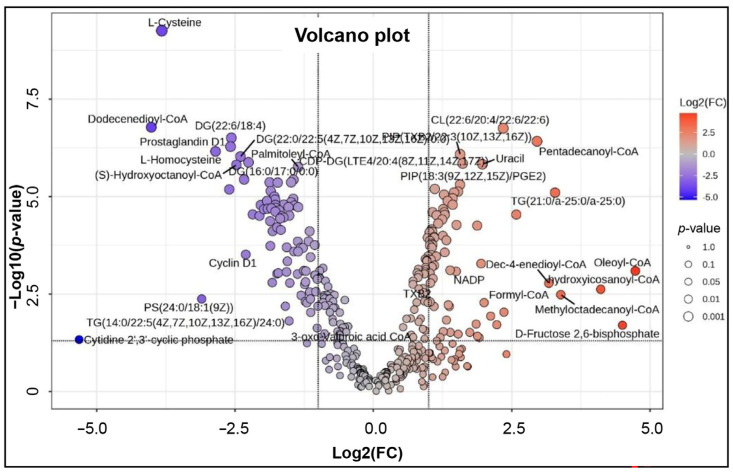 Figure 5
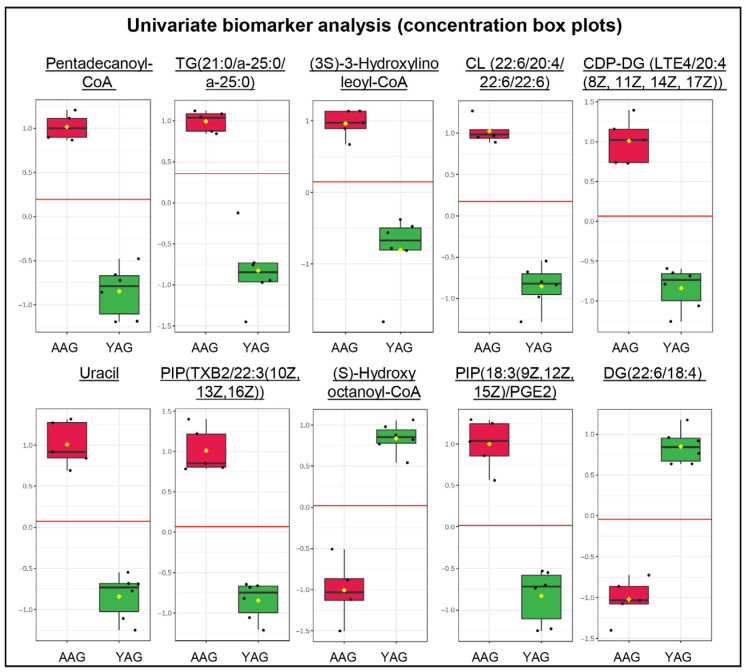 Figure 6
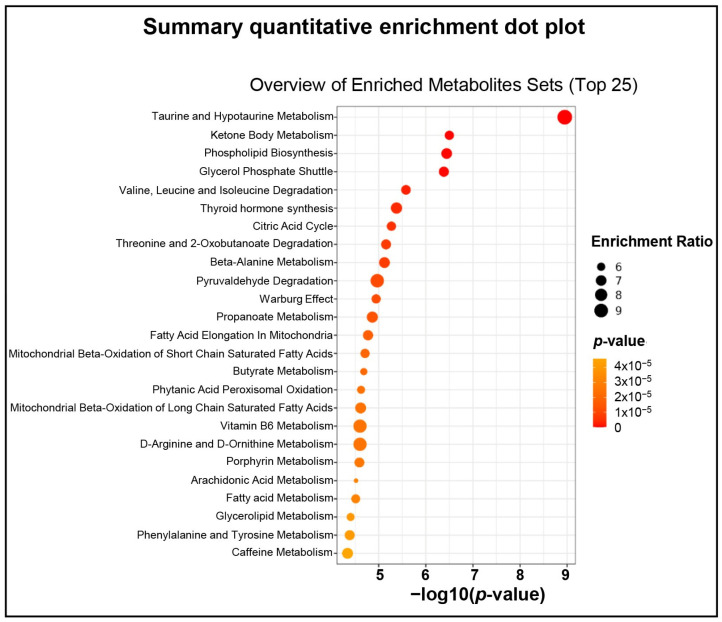 Figure 7
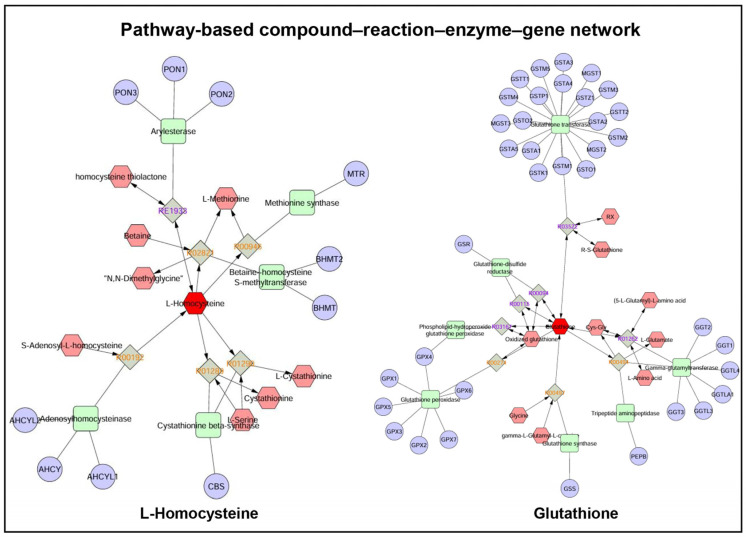 Figure 8
Peer Reviews
No public reviews on file for this paper yet. If you reviewed it on a platform where reviews are public (OpenReview, ICLR, NeurIPS, ICML), you can paste yours below so the community can read it here.
Videos
No videos yet. Explain this paper in a talk, walkthrough, or lecture? Add one.
Taxonomy
TopicsSperm and Testicular Function · Folate and B Vitamins Research · Ovarian function and disorders