Zona Pellucida Dynamics Integrate Biochemical and Clinical Indicators of Embryo Competence
Péter Mauchart, Krisztina Gödöny, Rita Jakabfi-Csepregi, Ákos Várnagy, Endre Sulyok, József Bódis

TL;DR
This study shows that changes in the zona pellucida, a protective layer around embryos, can predict embryo quality and pregnancy success in IVF.
Contribution
The study introduces Δrel, a new quantitative measure of zona pellucida thinning, as a novel marker of embryo developmental competence.
Findings
Embryos that spontaneously hatch have significantly higher Δrel values than non-hatching embryos.
Δrel is the strongest predictor of hatching and is associated with clinical pregnancy outcomes.
Follicular fluid biomarkers like GDF-9 show limited predictive value compared to Δrel.
Abstract
Background/Objectives: Dynamic remodeling of the zona pellucida (ZP) is a fundamental biochemical and structural process during human preimplantation development; however, its quantitative characterization and clinical relevance remain incompletely defined. The objective of this study was to evaluate dynamic ZP thinning as a functional marker of embryo developmental competence and to examine its relationship with follicular fluid (FF) biomarkers and clinical pregnancy. Methods: This prospective observational study included 47 IVF cycles performed at a single center, yielding 64 transferred blastocysts with complete time-lapse data. ZP thickness was measured from fertilization to 120 h post-fertilization using time-lapse imaging. Two quantitative parameters were derived: the relative thinning ratio (Δrel) and the linear thinning rate (slope). FF concentrations of growth differentiation…
Genes, proteins, chemicals, diseases, species, mutations and cell lines named across the full text — each resolved to its canonical identifier and authoritative record.
Click any figure to enlarge with its caption.
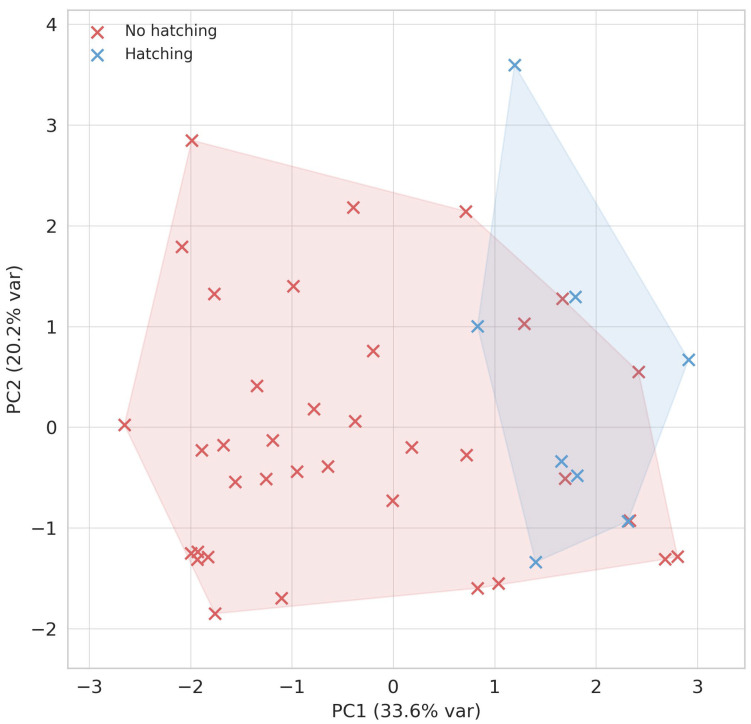 Figure 1
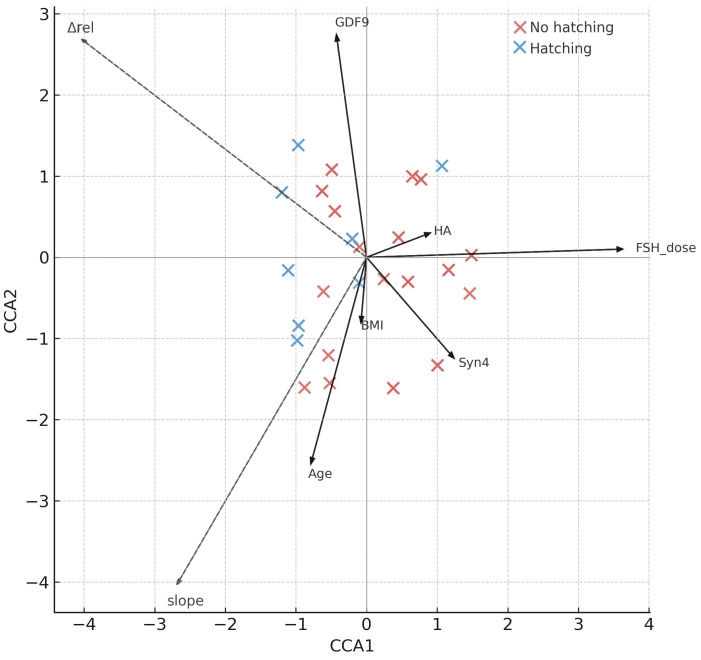 Figure 2
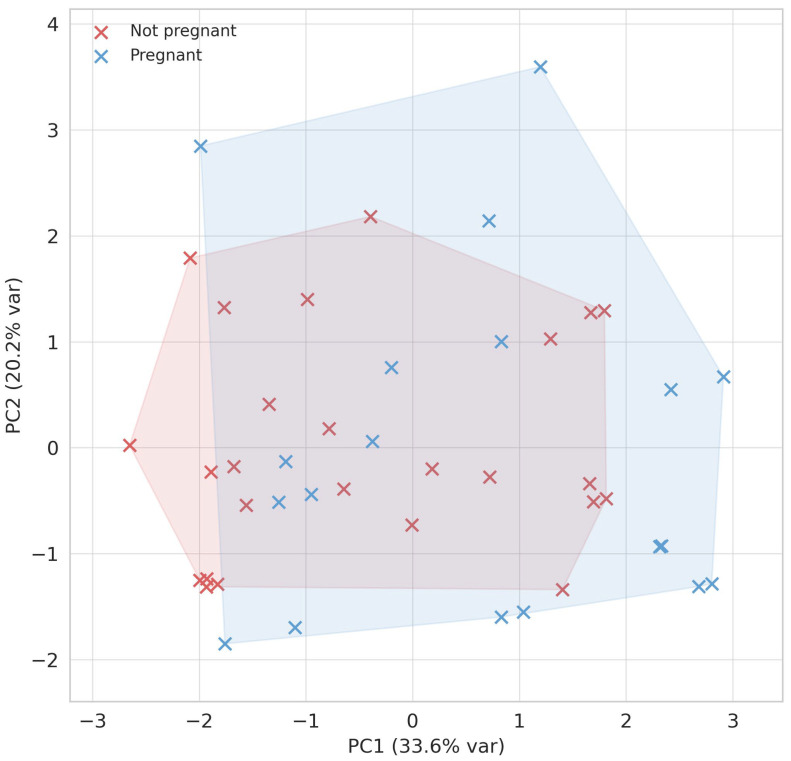 Figure 3
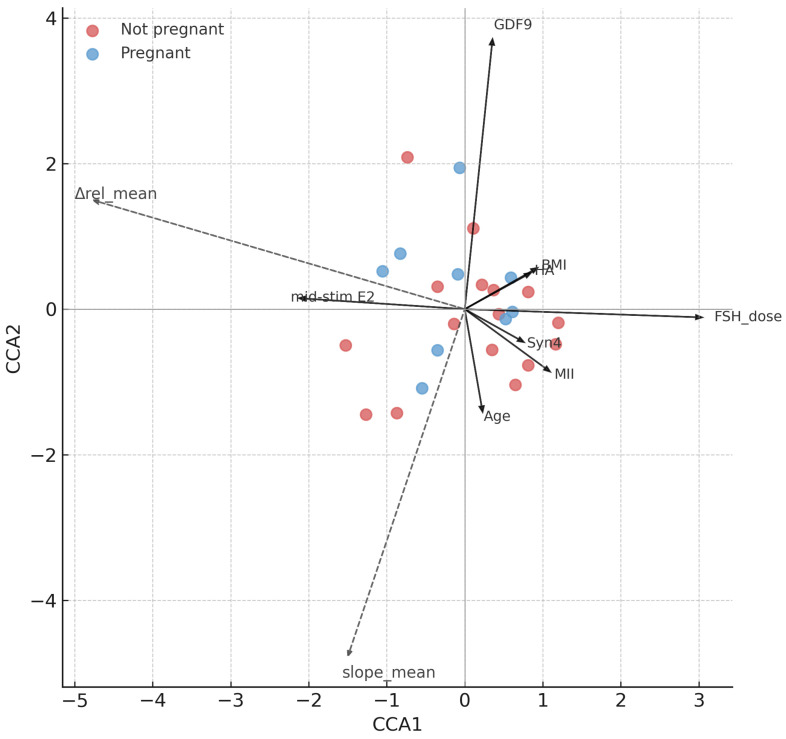 Figure 4
Peer Reviews
No public reviews on file for this paper yet. If you reviewed it on a platform where reviews are public (OpenReview, ICLR, NeurIPS, ICML), you can paste yours below so the community can read it here.
Videos
No videos yet. Explain this paper in a talk, walkthrough, or lecture? Add one.
Taxonomy
TopicsReproductive Biology and Fertility · Reproductive System and Pregnancy · Ovarian function and disorders