Metabolic Myopathies and HyperCKemia in Adulthood: A Clinical Approach to Diagnosis and Management
Loai A. Shakerdi

TL;DR
This paper discusses how elevated creatine kinase levels in adults can indicate metabolic muscle diseases and emphasizes the importance of early diagnosis and treatment.
Contribution
The paper provides a clinical overview of metabolic causes of hyperCKemia in adults, emphasizing diagnostic approaches and management strategies.
Findings
Metabolic myopathies often present with nonspecific or exercise-related symptoms and variable creatine kinase elevations.
Conditions like McArdle disease and mitochondrial cytopathies have distinct metabolic vulnerabilities leading to hyperCKemia.
Early diagnosis through biochemical and genetic testing can lead to targeted therapies and improved outcomes.
Abstract
Background: HyperCKemia, defined as elevated serum creatine kinase, commonly reflects muscle injury but may also indicate underlying metabolic disease. Metabolic aetiologies, including glycogen storage disorders, fatty acid oxidation defects, mitochondrial cytopathies, and purine metabolism disorders, are clinically important owing to diagnostic complexity, therapeutic implications, and potential reversibility. Objective: To summarise current evidence on metabolic causes of hyperCKemia in adults, with emphasis on disorders of carbohydrate, lipid, and purine metabolism and mitochondrial disease. Methods: Semi-systematic narrative review of pathophysiology, clinical features, diagnostic approaches, and management of metabolic disorders associated with hyperCKemia. Results: Metabolic myopathies often present with nonspecific or exercise-related symptoms, with creatine kinase levels ranging…
Genes, proteins, chemicals, diseases, species, mutations and cell lines named across the full text — each resolved to its canonical identifier and authoritative record.
Click any figure to enlarge with its caption.
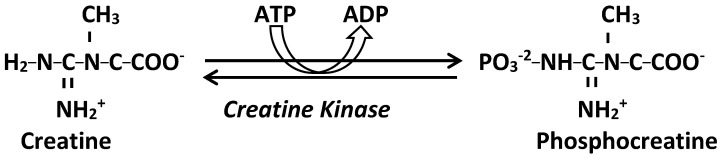 Figure 1
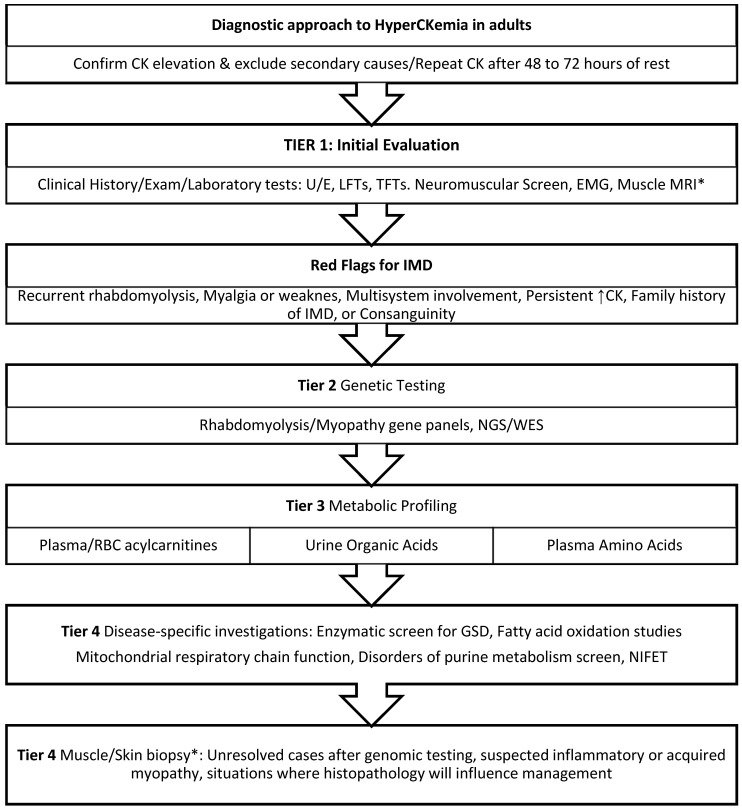 Figure 2
Peer Reviews
No public reviews on file for this paper yet. If you reviewed it on a platform where reviews are public (OpenReview, ICLR, NeurIPS, ICML), you can paste yours below so the community can read it here.
Videos
No videos yet. Explain this paper in a talk, walkthrough, or lecture? Add one.
Taxonomy
TopicsGlycogen Storage Diseases and Myoclonus · Metabolism and Genetic Disorders · Biochemical and Molecular Research