Anatomical Mechanisms Underlying Clinically Reported Complications of the Infraclavicular Brachial Plexus Block: A Narrative Review
Petar-Preslav Petrov, Delyan Dimitrov, Darina Barbutska, Rumyana Etova

TL;DR
This review explains how anatomical factors contribute to complications during infraclavicular brachial plexus blocks, a common anesthesia technique for upper limb surgery.
Contribution
The paper provides a detailed anatomical-clinical correlation framework to understand and mitigate complications in infraclavicular brachial plexus blocks.
Findings
Anatomical factors like proximity of brachial plexus cords to axillary vessels explain variations in complication rates.
Ultrasound guidance and optimized injection strategies can reduce risks of adverse events.
Complications include hematoma, neurological deficits, and systemic toxicity, influenced by technique and anatomy.
Abstract
Background: The infraclavicular brachial plexus block is a widely used regional anesthesia technique for surgery of the distal upper limb. Although generally considered safe—particularly with ultrasound guidance—a range of vascular, neurological, respiratory, and anesthetic-related complications continues to be reported. Understanding how anatomic factors can influence the occurrence of these events is essential for improving procedural safety. Objective: This narrative review aims to correlate clinically reported complications of the infraclavicular block with underlying anatomical mechanisms that may predispose to their development. Methods: A narrative review of the literature was conducted using PubMed, Scopus and Web of Science to identify clinical studies, observational series, and case reports published between 1995 and 2025 that documented complications associated with…
Genes, proteins, chemicals, diseases, species, mutations and cell lines named across the full text — each resolved to its canonical identifier and authoritative record.
Click any figure to enlarge with its caption.
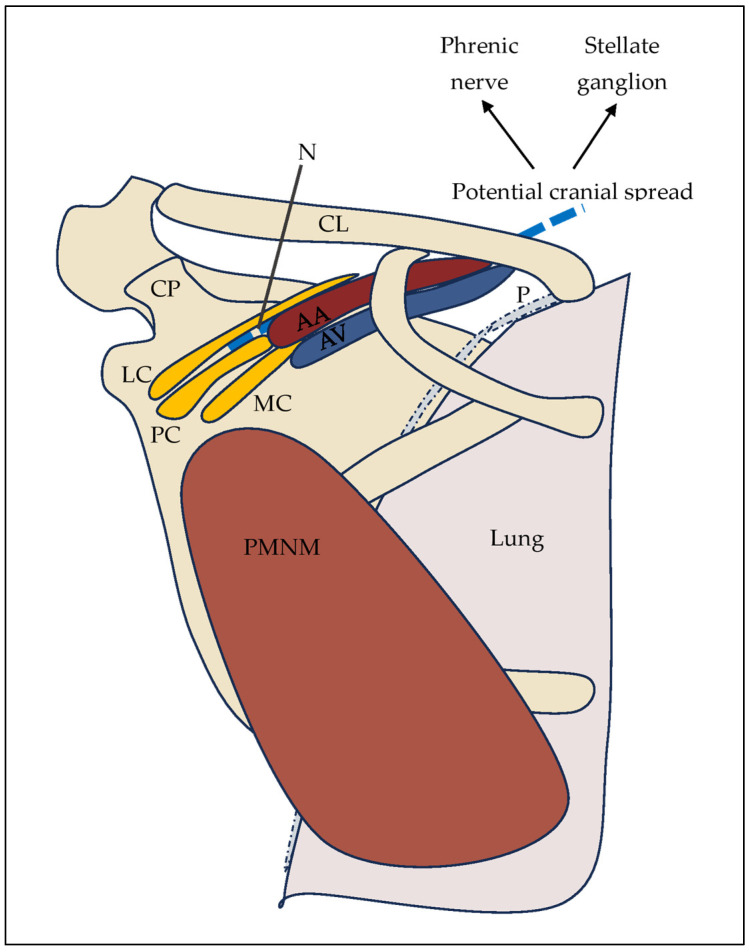 Figure 1
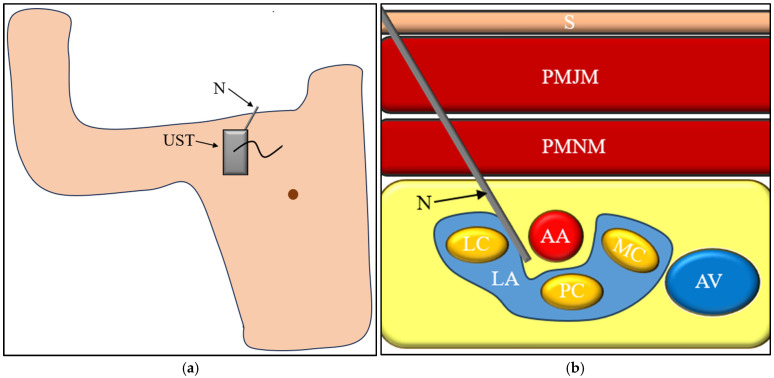 Figure 2
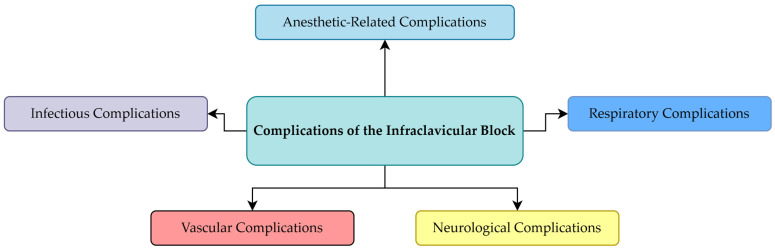 Figure 3
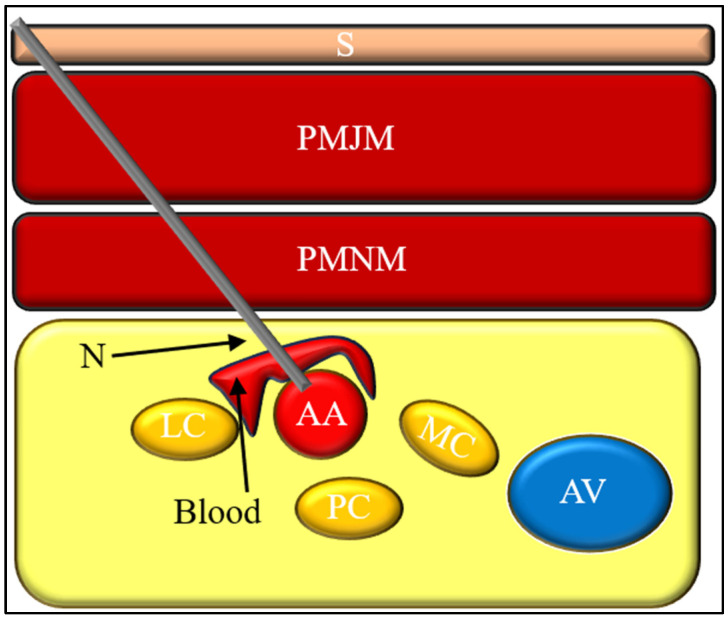 Figure 4
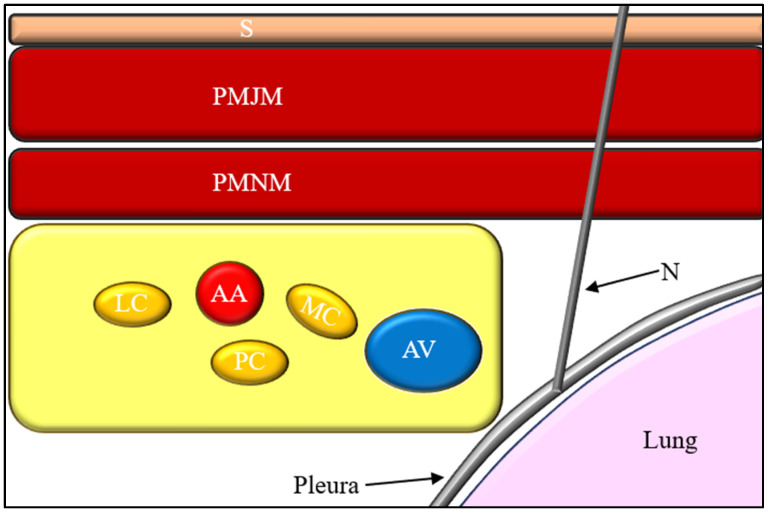 Figure 5
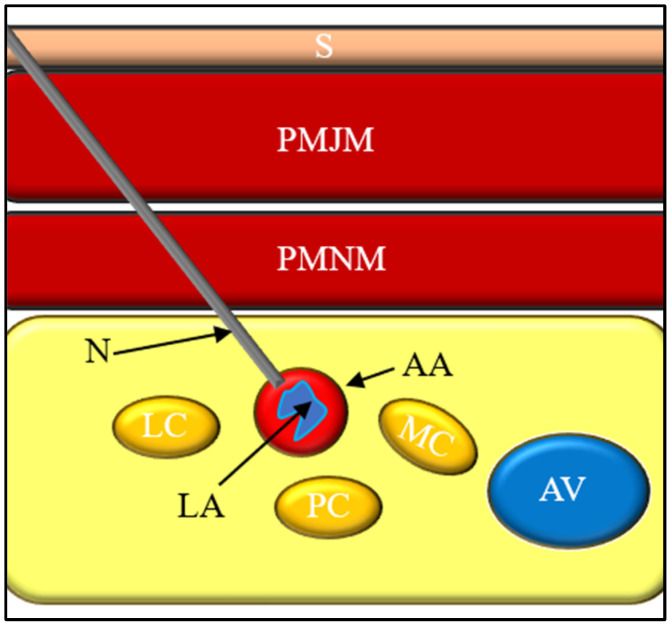 Figure 6
Peer Reviews
No public reviews on file for this paper yet. If you reviewed it on a platform where reviews are public (OpenReview, ICLR, NeurIPS, ICML), you can paste yours below so the community can read it here.
Videos
No videos yet. Explain this paper in a talk, walkthrough, or lecture? Add one.
Taxonomy
TopicsAnesthesia and Pain Management · Pain Management and Opioid Use · Pediatric Pain Management Techniques