Conjugated Nitroolefins as Twofold Electrophiles for the Assembly of Five-Membered Monoheterocycles via MIRC [3+2] Annulation: An Update on Synthetic and Mechanistic Aspects
Lara Bianchi, Massimo Maccagno, Giovanni Petrillo, Cinzia Tavani

TL;DR
This paper reviews the use of conjugated nitroolefins in a specific chemical reaction to build five-membered rings, which are important structures in chemistry.
Contribution
The paper provides an updated review of synthetic and mechanistic aspects of using conjugated nitroolefins in [3+2] annulation reactions over the last decade.
Findings
Conjugated nitroolefins act as twofold electrophiles in [3+2] MIRC annulations.
The methodology is practical and environmentally favorable for synthesizing five-membered monoheterocycles.
The review covers developments in the field from 2015 to 2025.
Abstract
Five-membered monoheterocycles, either isolated or embedded in more complex systems, are ubiquitous structural motifs in nature and hence privileged targets of synthetic chemistry. Among a plethora of methodologies used for their assembly, [3+2] annulation strategies keep attracting particular interest among chemists, partly because of some significant characteristics from both the operative and the environmental viewpoints. Herein, the extensive use of conjugated nitroolefins as twofold electrophilic, two-carbon components of [3+2] MIRC (Michael-Initiated Ring Closure) annulations is reviewed as a practical and mechanistic update covering the last decade (2015–2025).
Genes, proteins, chemicals, diseases, species, mutations and cell lines named across the full text — each resolved to its canonical identifier and authoritative record.
Click any figure to enlarge with its caption.
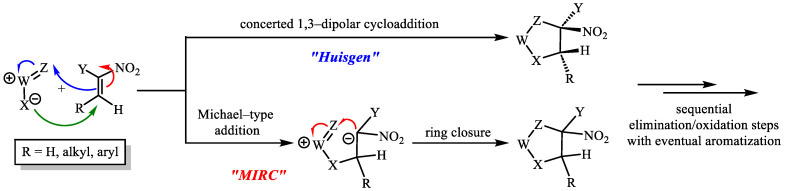 Figure 1
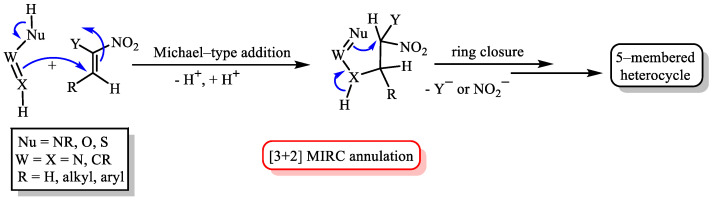 Figure 2
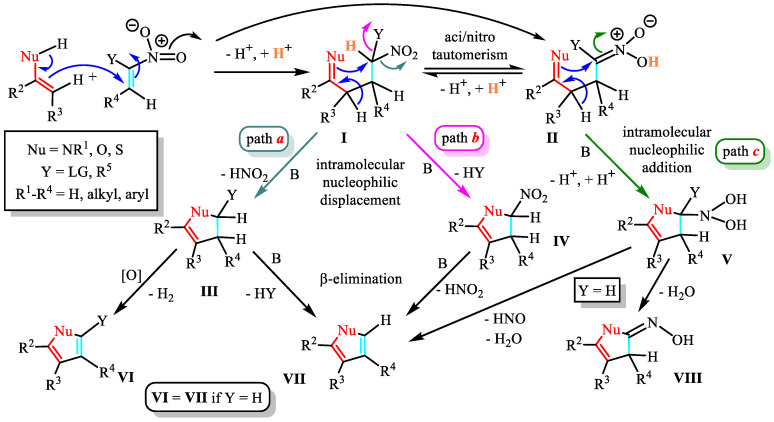 Figure 3
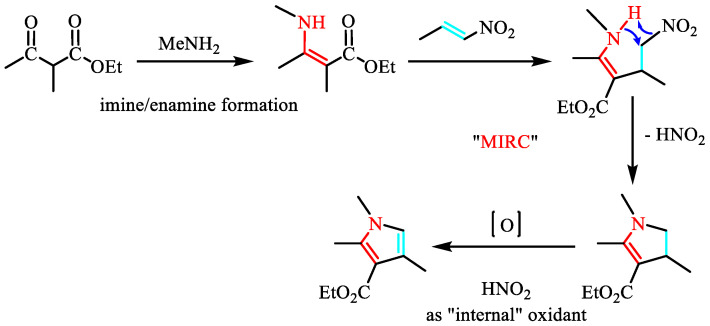 Figure 4
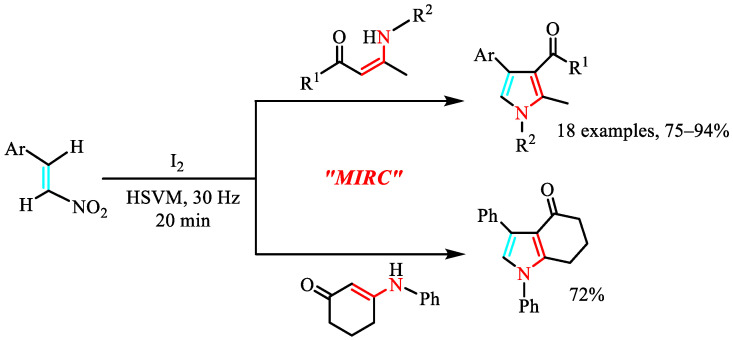 Figure 5
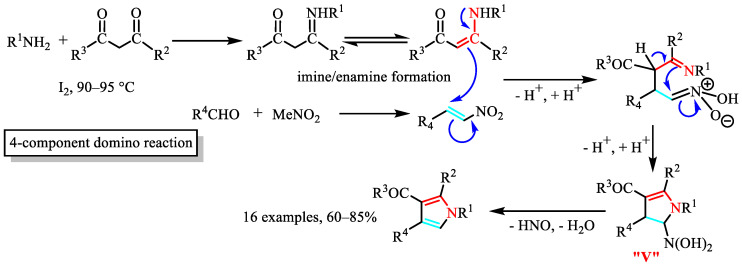 Figure 6
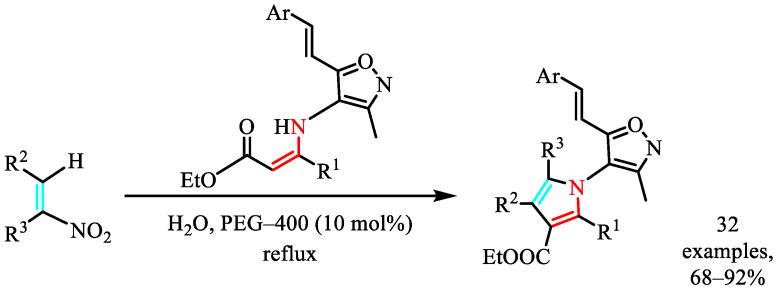 Figure 7
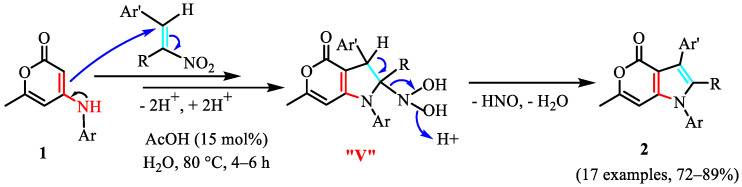 Figure 8
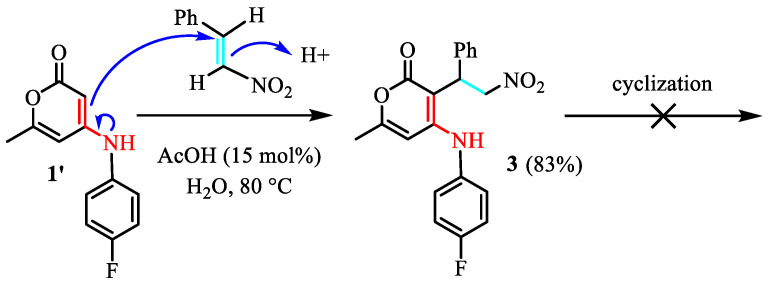 Figure 9
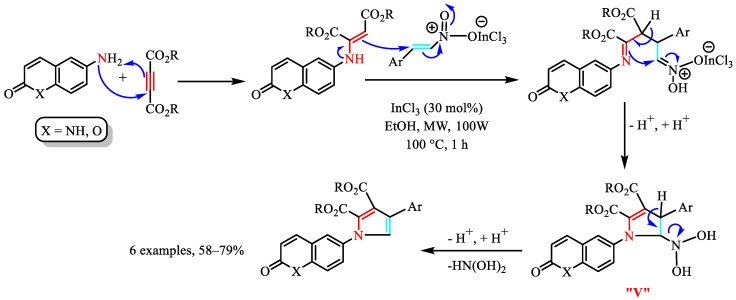 Figure 10
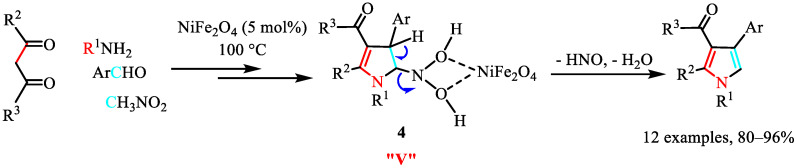 Figure 11
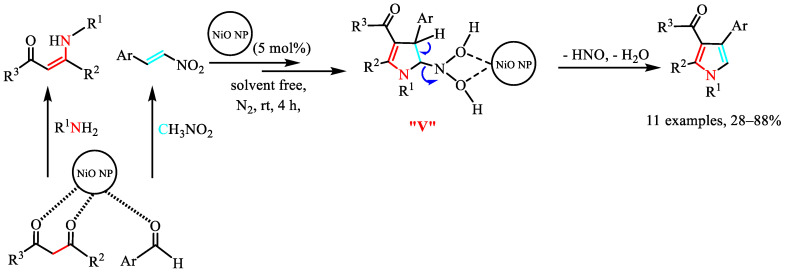 Figure 12
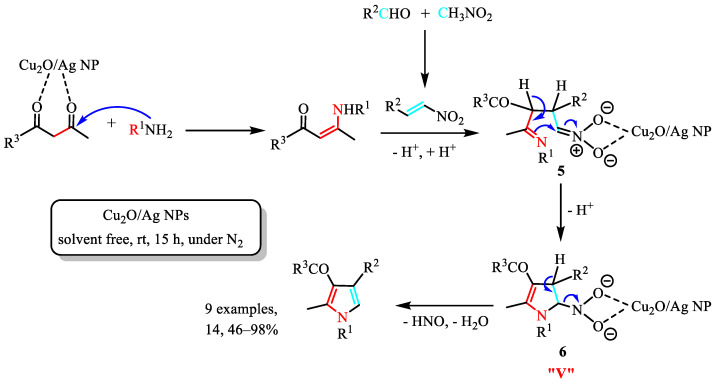 Figure 13
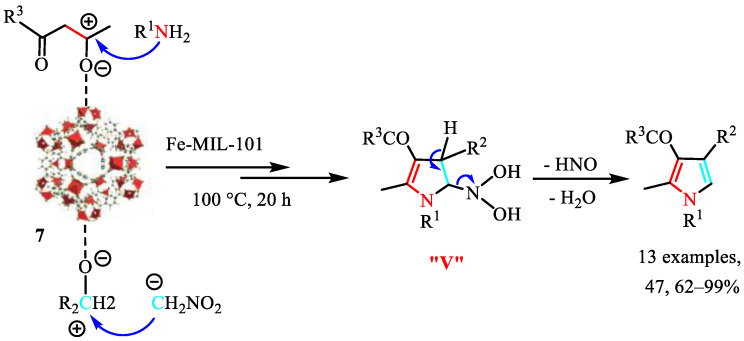 Figure 14
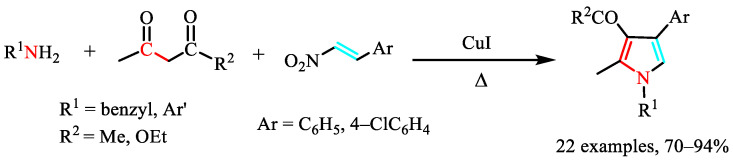 Figure 15
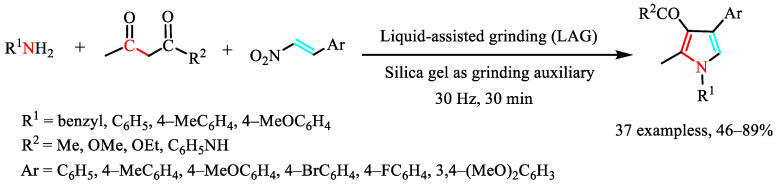 Figure 16
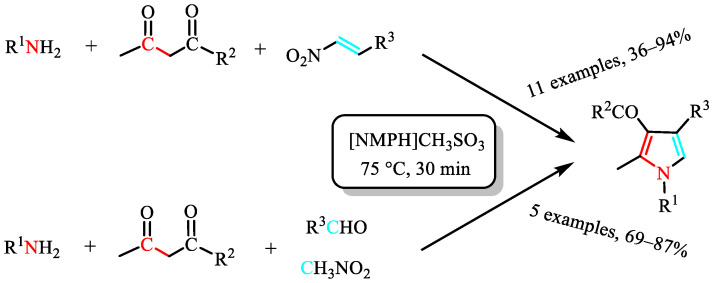 Figure 17
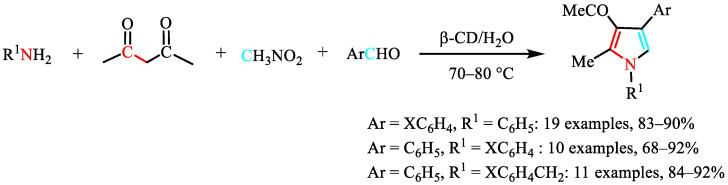 Figure 18
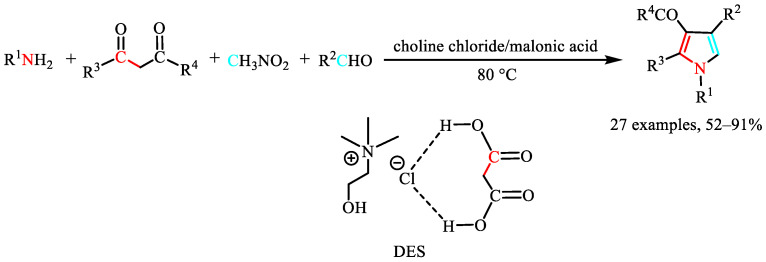 Figure 19
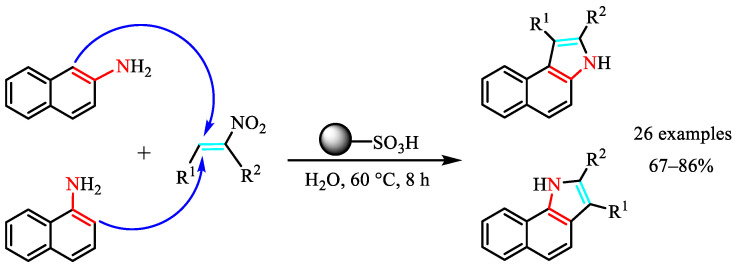 Figure 20
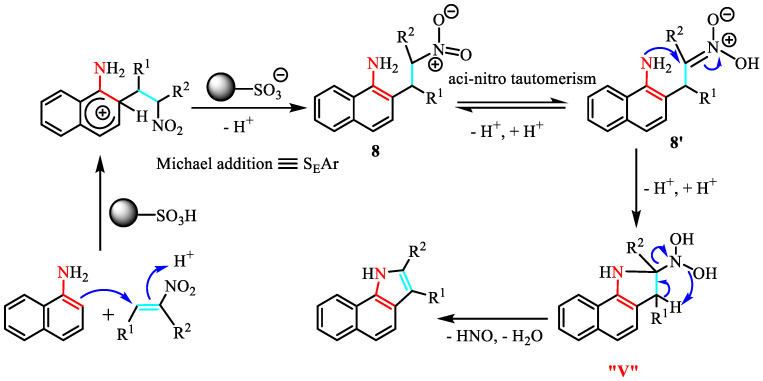 Figure 21
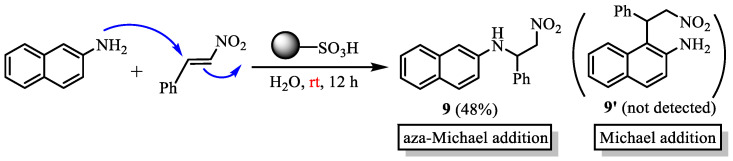 Figure 22
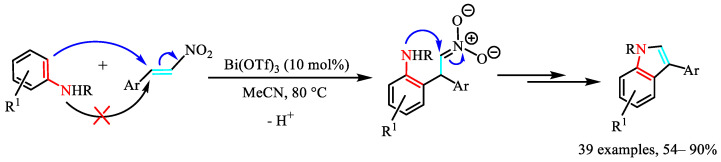 Figure 23
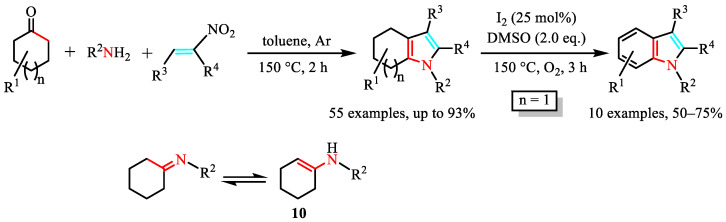 Figure 24
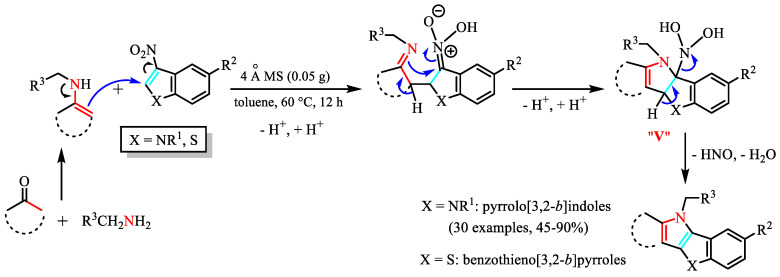 Figure 25
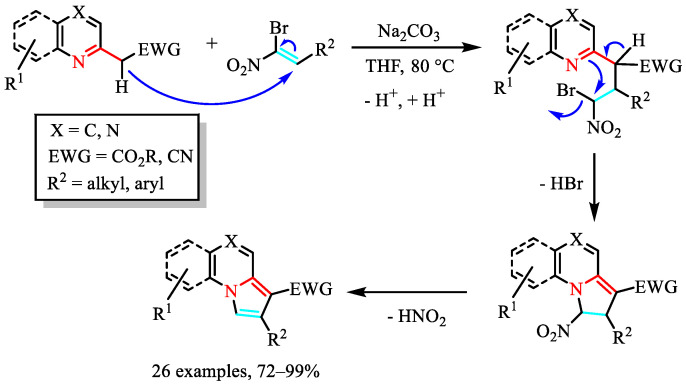 Figure 26
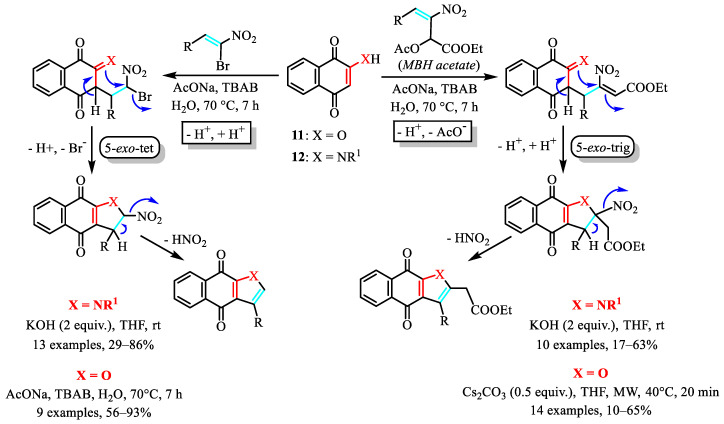 Figure 27
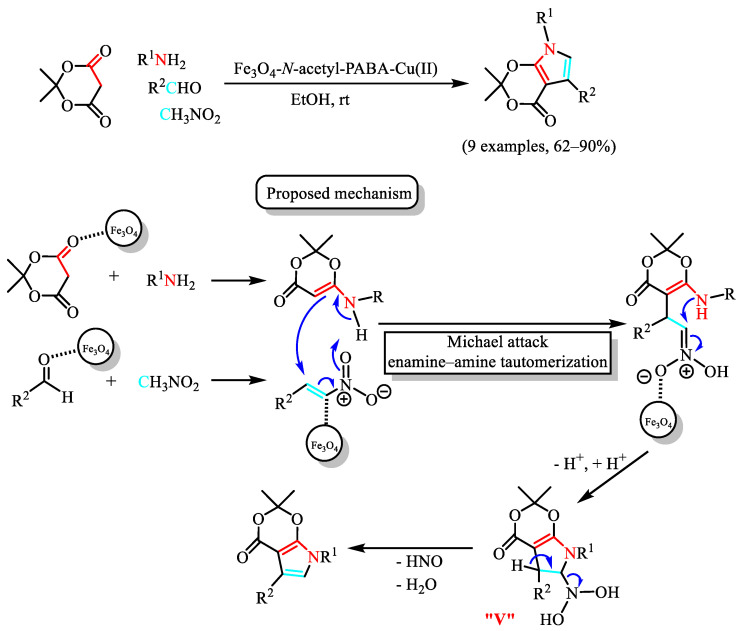 Figure 28
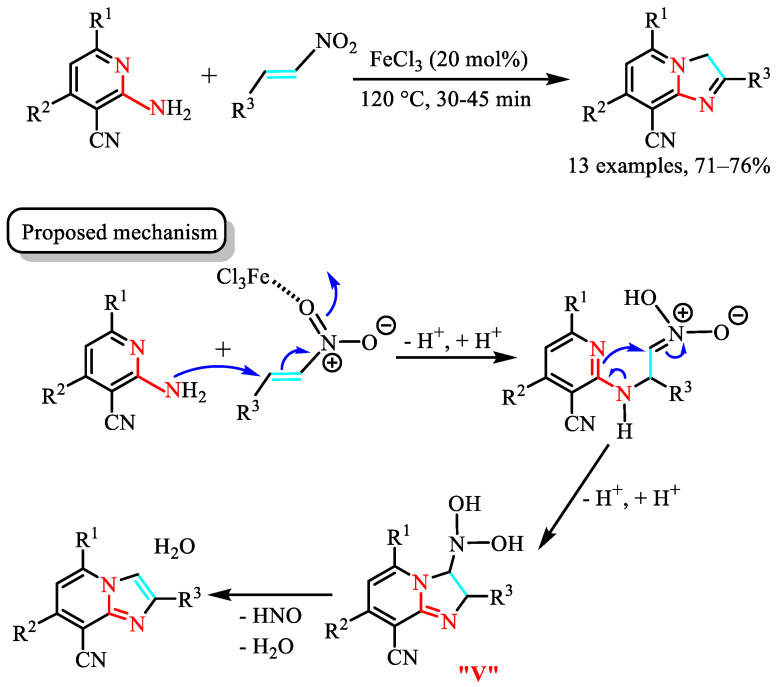 Figure 29
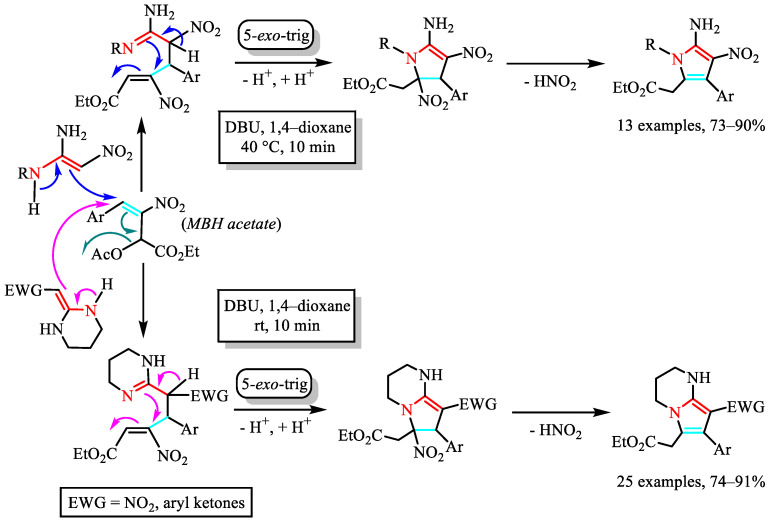 Figure 30
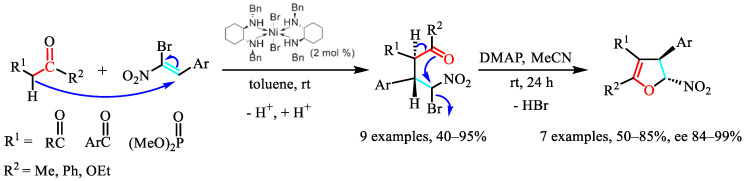 Figure 31
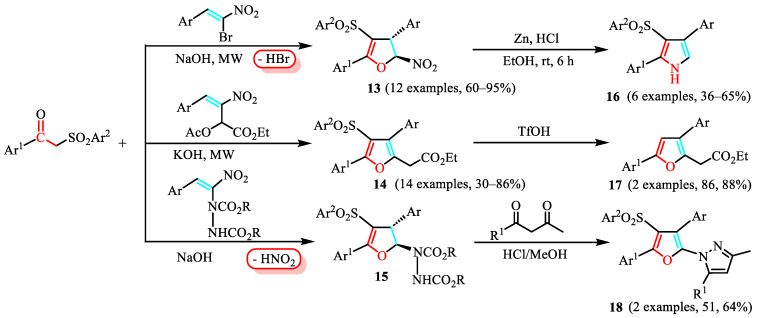 Figure 32
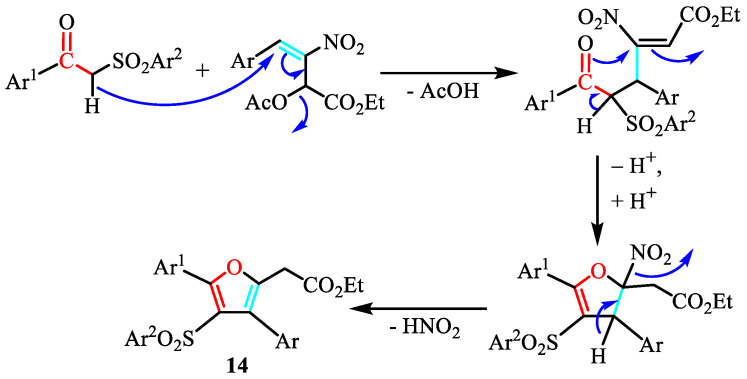 Figure 33
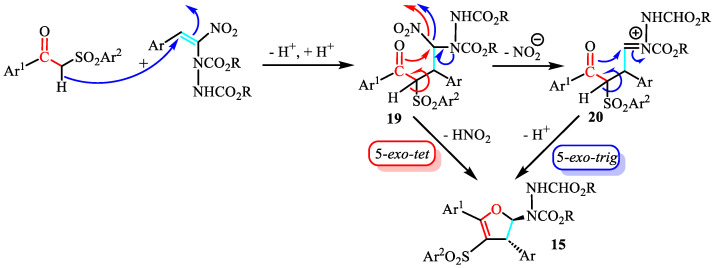 Figure 34
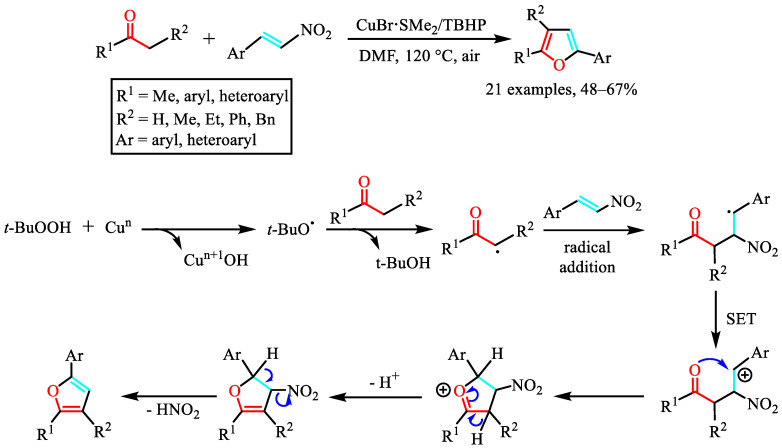 Figure 35
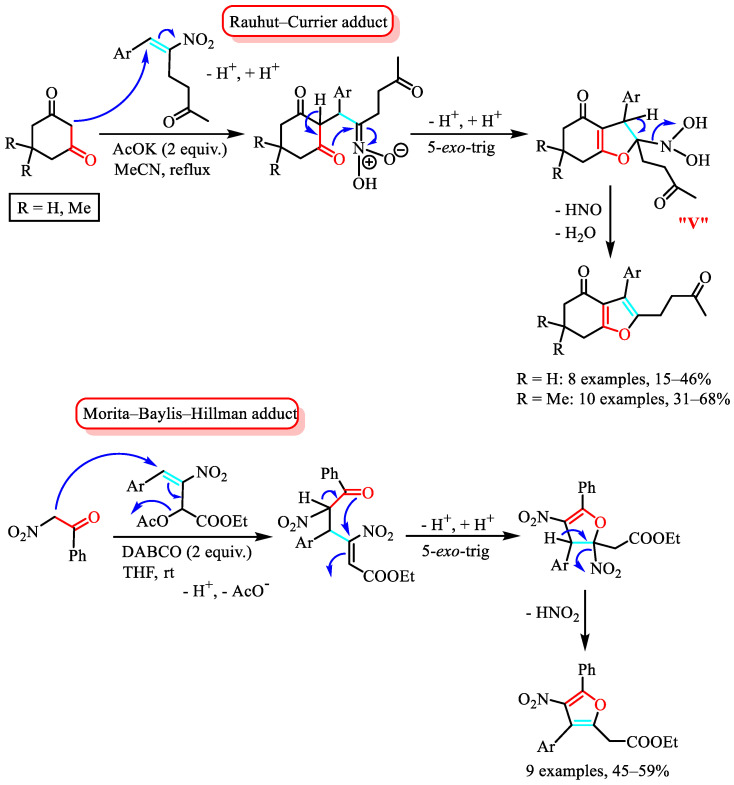 Figure 36
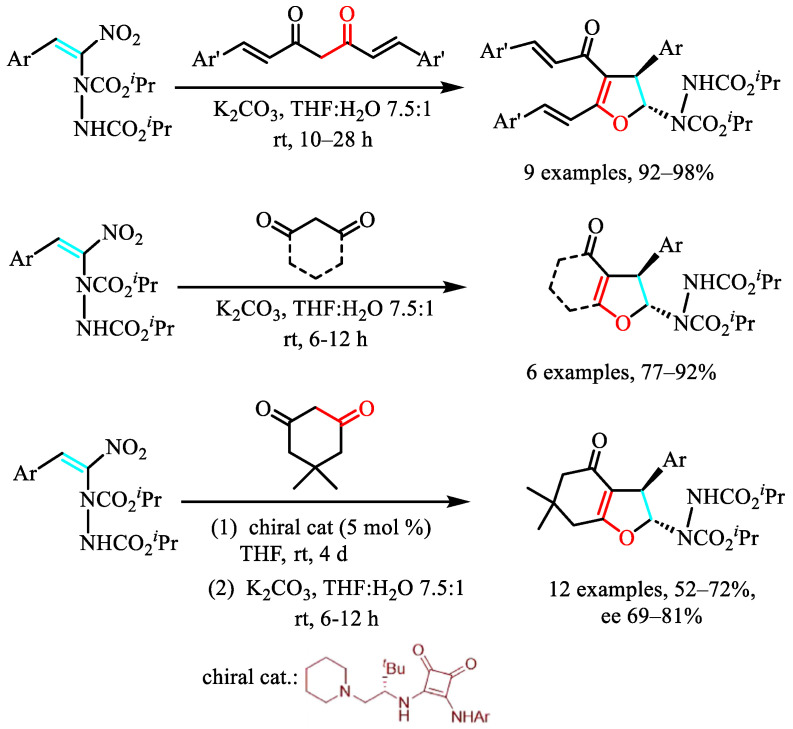 Figure 37
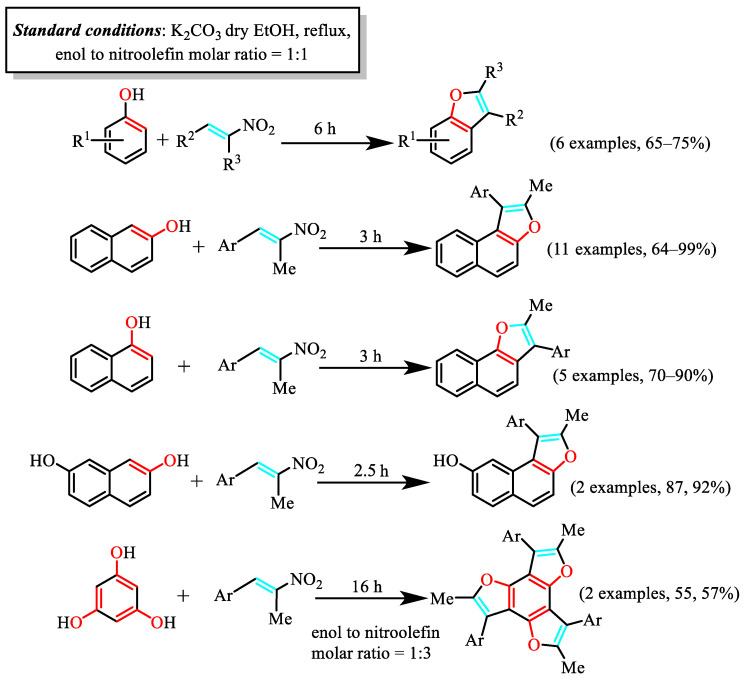 Figure 38
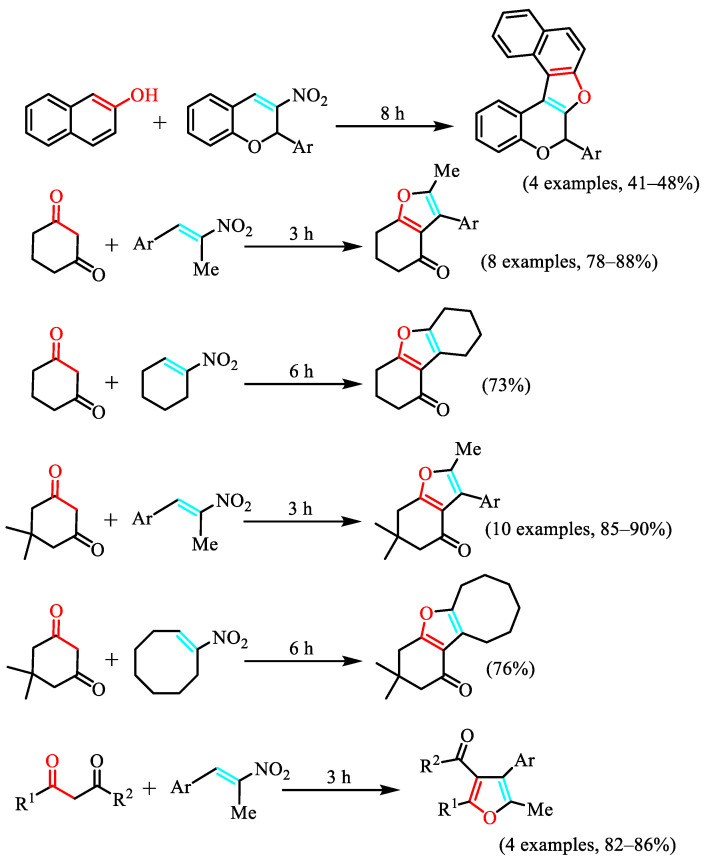 Figure 39
 Figure 40
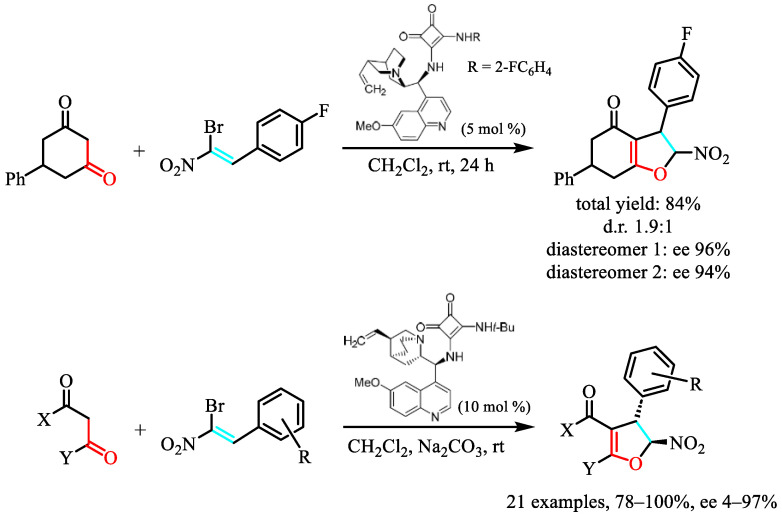 Figure 41
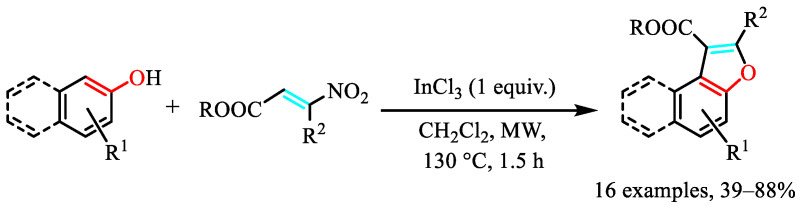 Figure 42
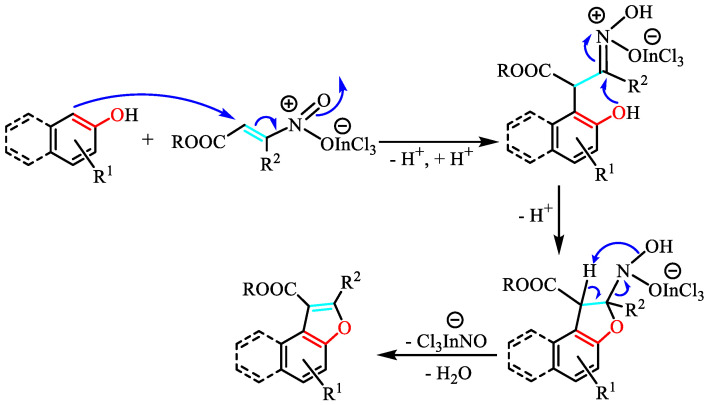 Figure 43
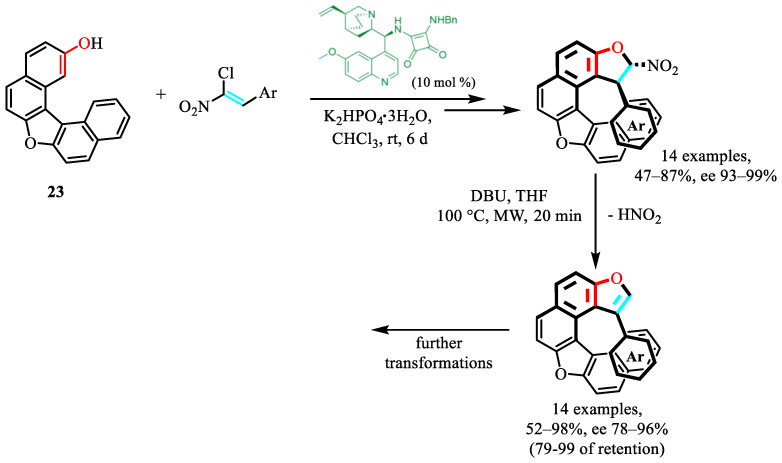 Figure 44
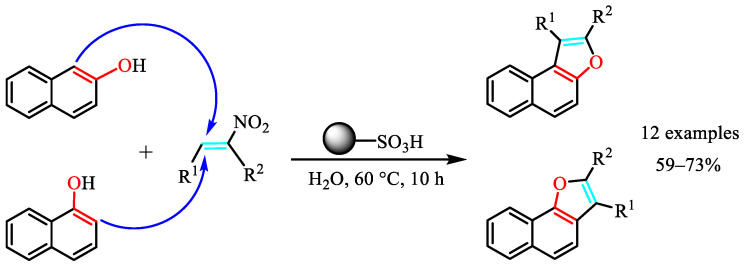 Figure 45
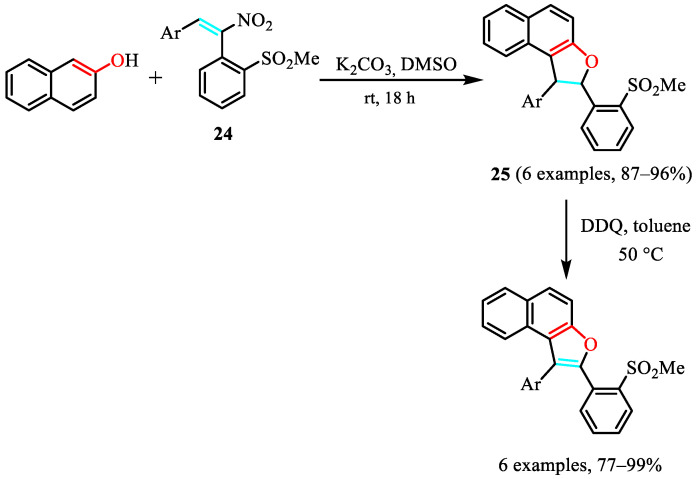 Figure 46
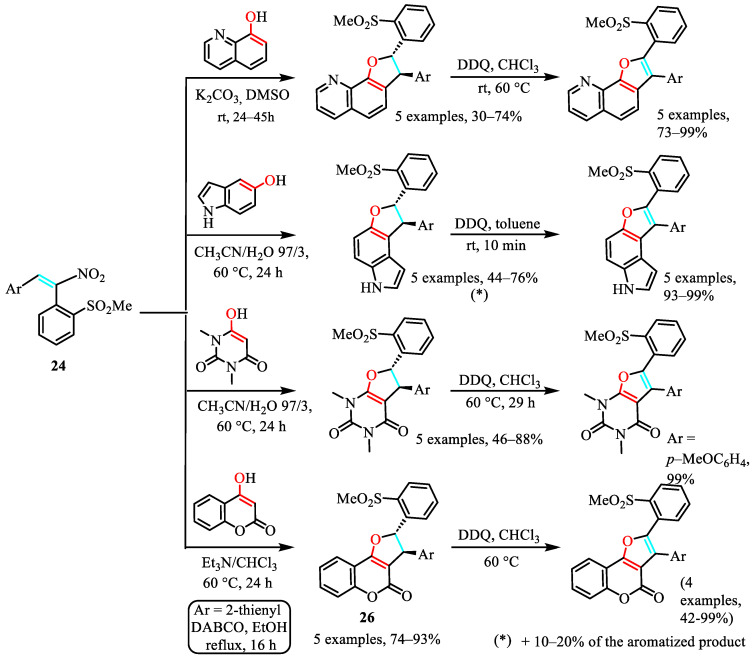 Figure 47
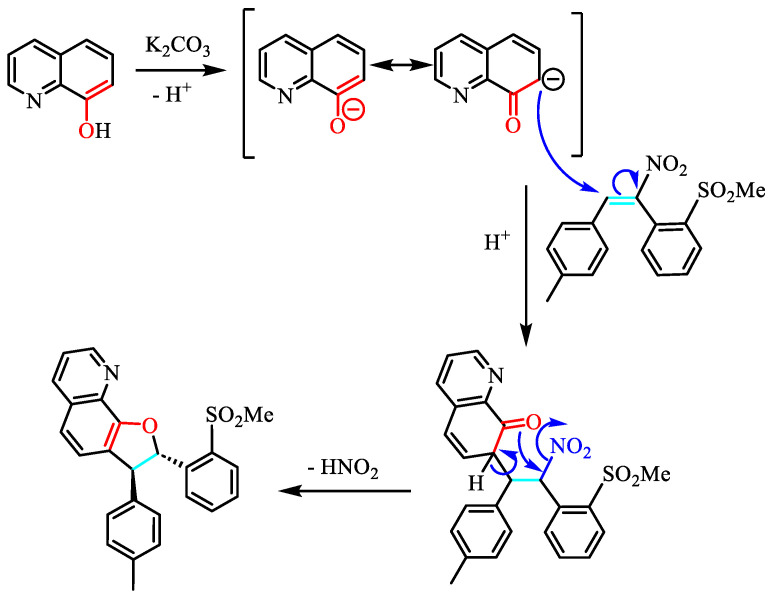 Figure 48
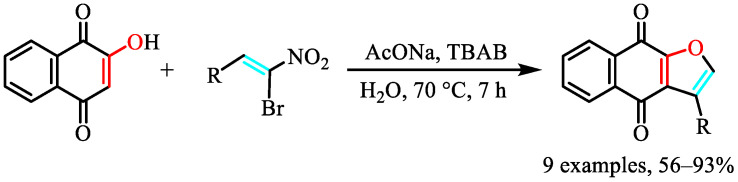 Figure 49
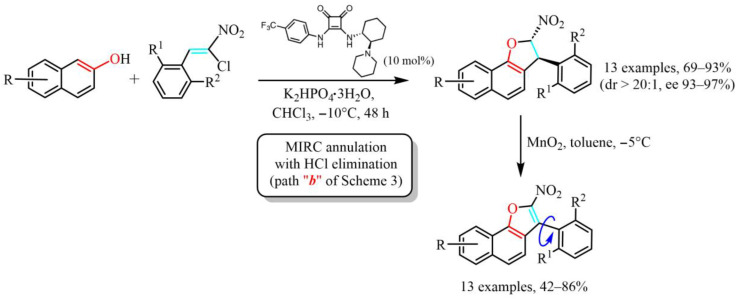 Figure 50
Peer Reviews
No public reviews on file for this paper yet. If you reviewed it on a platform where reviews are public (OpenReview, ICLR, NeurIPS, ICML), you can paste yours below so the community can read it here.
Videos
No videos yet. Explain this paper in a talk, walkthrough, or lecture? Add one.
Taxonomy
TopicsSynthesis of heterocyclic compounds · Catalytic C–H Functionalization Methods · Catalytic Cross-Coupling Reactions