The Critical Role of Adenylate Kinase in Regulating the Glycolysis Rate in Cells
Michael V. Martinov, Fazoil I. Ataullakhanov, Victor M. Vitvitsky

TL;DR
This paper explains how adenylate kinase helps regulate glycolysis in cells by linking ATP levels to AMP, which controls the rate of energy production.
Contribution
The study reveals that adenylate kinase enables negative feedback regulation of glycolysis through AMP, which is crucial for stabilizing ATP levels.
Findings
Adenylate kinase converts small ATP changes into large AMP changes, which activates glycolysis via PFK.
Negative feedback regulation of glycolysis is achieved through AMP, not directly through ATP inhibition of PFK.
ATP production via adenylate kinase is minimal, and energy metabolism is regulated by energy charge rather than ATP concentration alone.
Abstract
The role of adenylate kinase in regulating the glycolysis rate and the potential contribution of the adenylate kinase reaction to ATP production were examined using mathematical models of energy metabolism in human erythrocytes and resting anaerobic mammalian skeletal muscle. The adenylate kinase reaction was shown to play a critical role in the regulation of cellular energy metabolism. Through the action of adenylate kinase, small changes in intracellular [ATP] give rise to large changes in [AMP], a potent activator of glycolytic flux via the activation of phosphofructokinase (PFK). This mechanism ensures an increase in the glycolytic rate as [ATP] decreases within the physiological range of ATP concentrations. As a result, negative feedback regulation of glycolysis by [ATP] is established, allowing the rate of ATP production to adjust to the energy demands of the cell and thereby…
Genes, proteins, chemicals, diseases, species, mutations and cell lines named across the full text — each resolved to its canonical identifier and authoritative record.
Click any figure to enlarge with its caption.
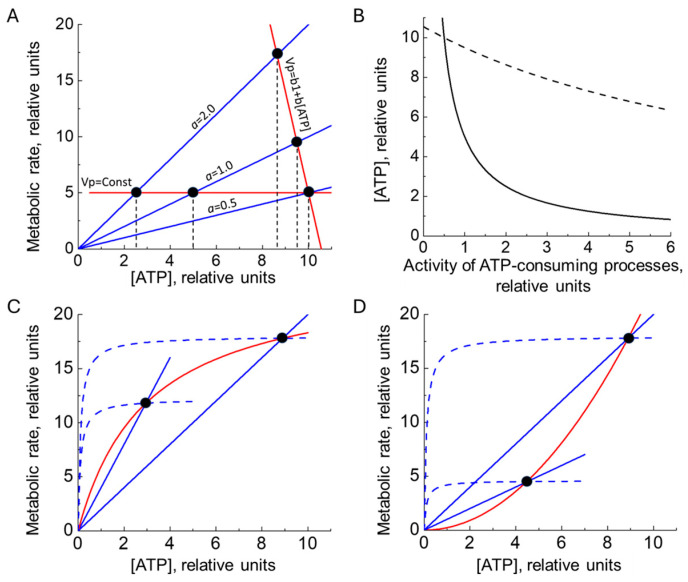 Figure 1
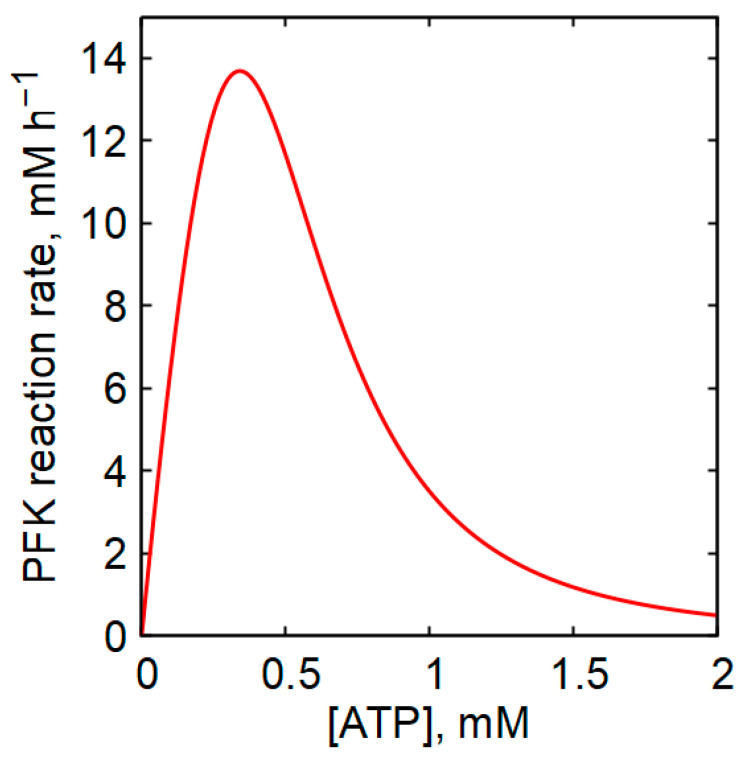 Figure 2
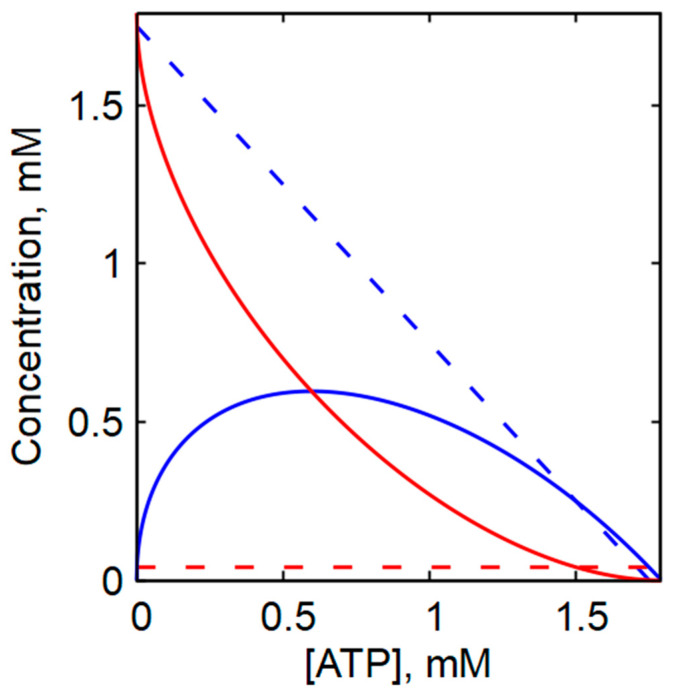 Figure 3
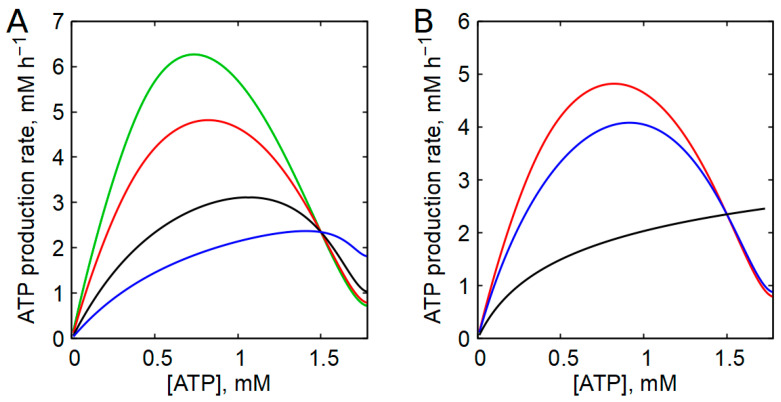 Figure 4
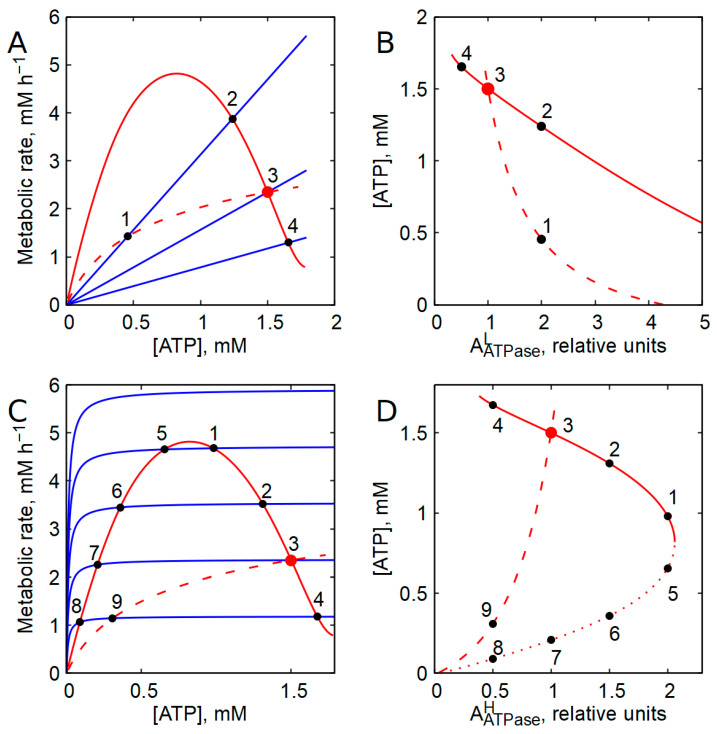 Figure 5
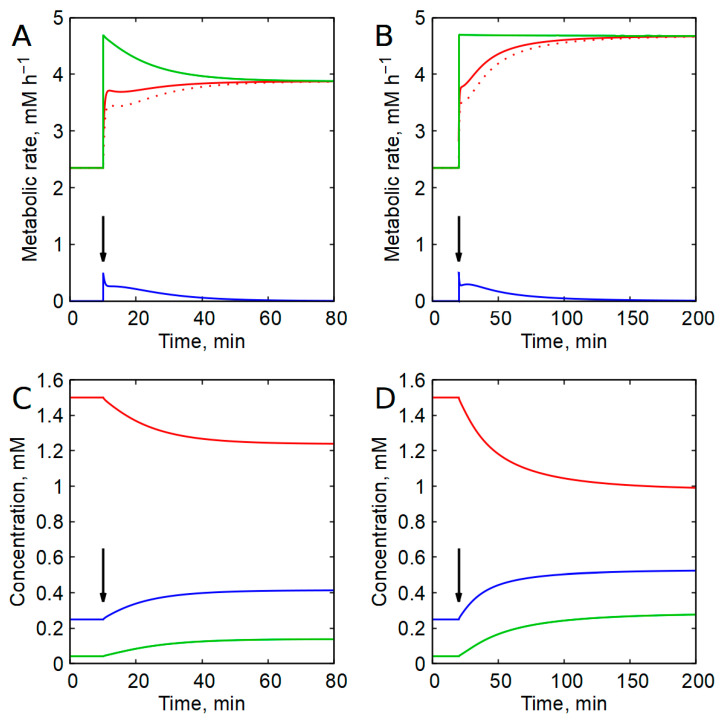 Figure 6
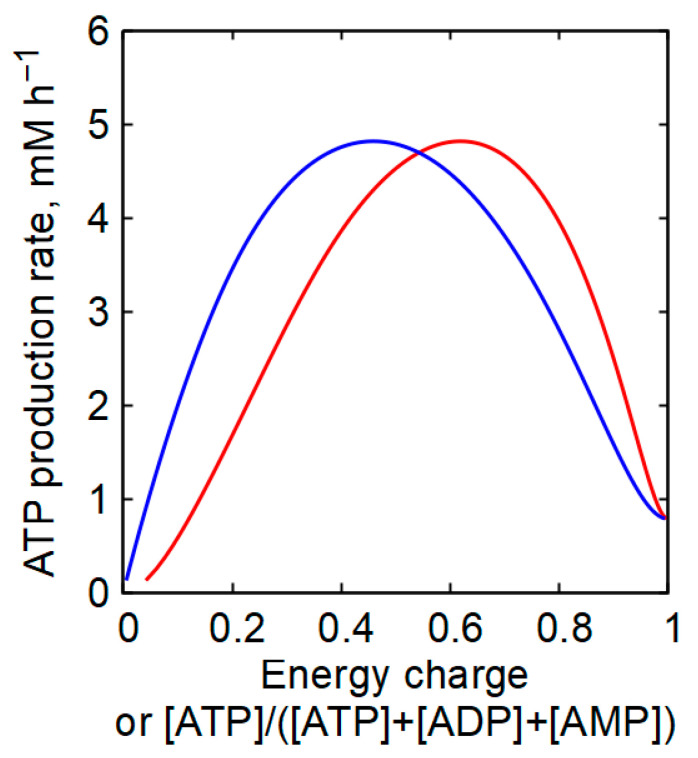 Figure 7
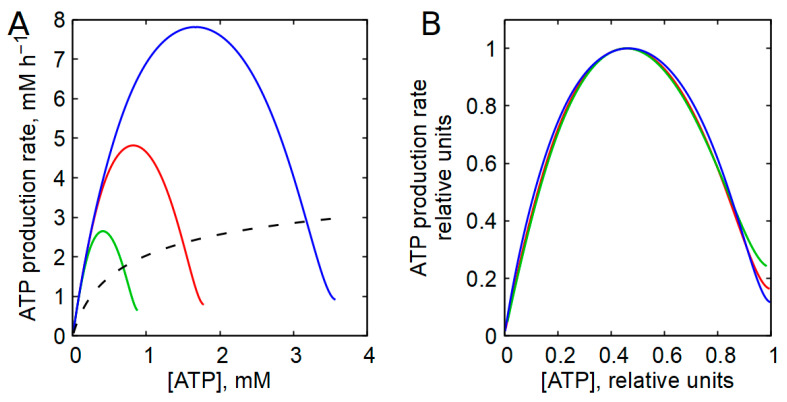 Figure 8
Peer Reviews
No public reviews on file for this paper yet. If you reviewed it on a platform where reviews are public (OpenReview, ICLR, NeurIPS, ICML), you can paste yours below so the community can read it here.
Videos
No videos yet. Explain this paper in a talk, walkthrough, or lecture? Add one.
Taxonomy
TopicsMetabolism, Diabetes, and Cancer · Cancer, Hypoxia, and Metabolism · Mitochondrial Function and Pathology