Impact of C-Terminal Amide N-Derivatization on the Conformational Dynamics and Antimitotic Activity of Cemadotin Analogues
Dayana Alonso, Daniel Platero-Rochart, Pauline Stark, Leonardo G. Ceballos, Robert Rennert, Daniel G. Rivera, Julieta Coro-Bermello, Ludger A. Wessjohann

TL;DR
This study explores how changes in the structure of cemadotin analogues affect their shape and ability to stop cancer cell division by targeting tubulin.
Contribution
The study reveals how conformational rigidity and rotamer populations influence the binding of cemadotin analogues to tubulin.
Findings
The s-trans rotamer of cemadotin analogues is the predominant form in solution.
The s-trans rotamer interacts more favorably with tubulin than the s-cis isomer.
Conformational rigidity and energy barriers were observed in the amide bond isomer interconversion.
Abstract
Tubulin is a heterodimeric protein composed of α- and β-subunits, which polymerize to form the cell’s microtubules. The latter are key components in mitotic spindle formation and essential targets in anticancer therapy. Compounds such as paclitaxel, tubulysins, dolastatins and synthetic analogues of these latter compounds, including cemadotin, exert their cytotoxic effects by disrupting microtubule dynamics. Previously, we reported the production and anticancer activity of a library of cemadotin analogues featuring a C-terminal tertiary amide functionalized with a variety of N-substituents, thus resulting in compounds occurring as a mixture of amide rotamers. Here we describe a comprehensive NMR and conformational study that provides new insights into the effect of the conformational equilibrium on the binding mode of the novel cemadotin analogues to the tubulin target. The…
Genes, proteins, chemicals, diseases, species, mutations and cell lines named across the full text — each resolved to its canonical identifier and authoritative record.
Click any figure to enlarge with its caption.
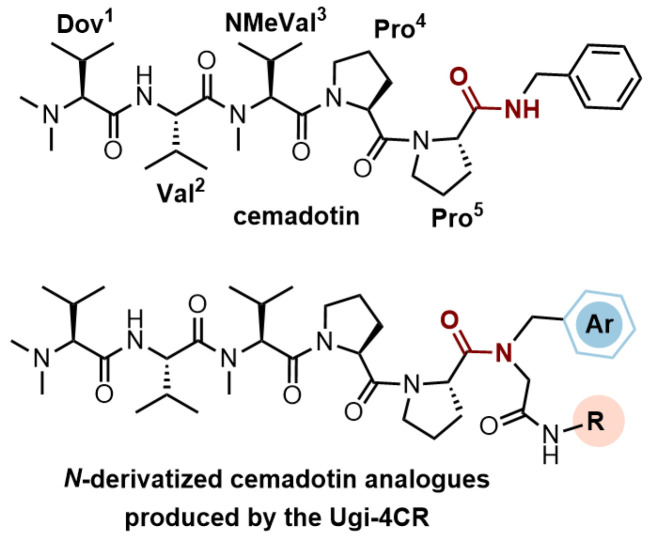 Figure 1
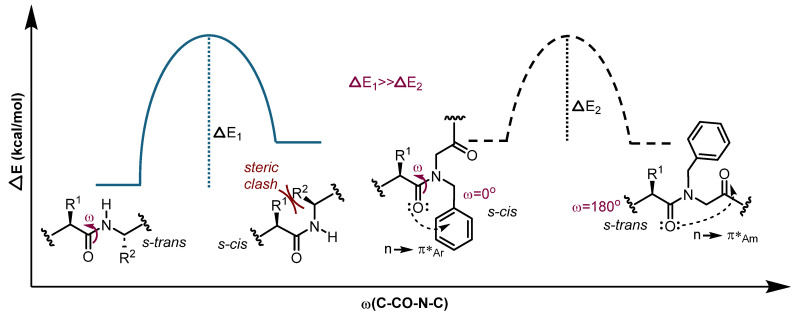 Figure 2
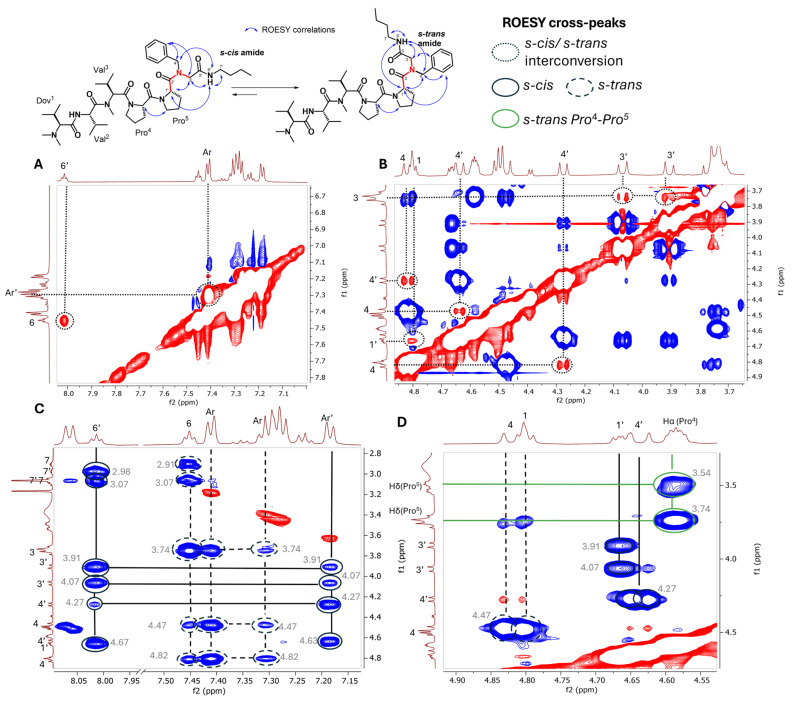 Figure 3
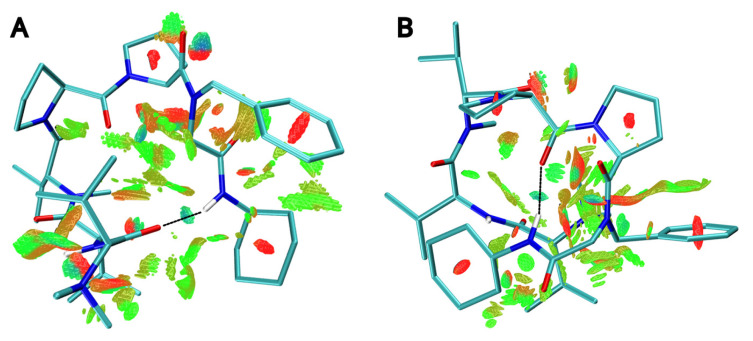 Figure 4
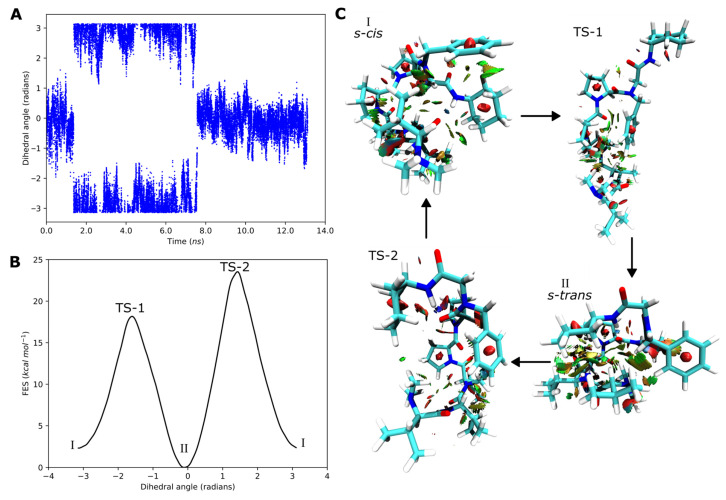 Figure 5
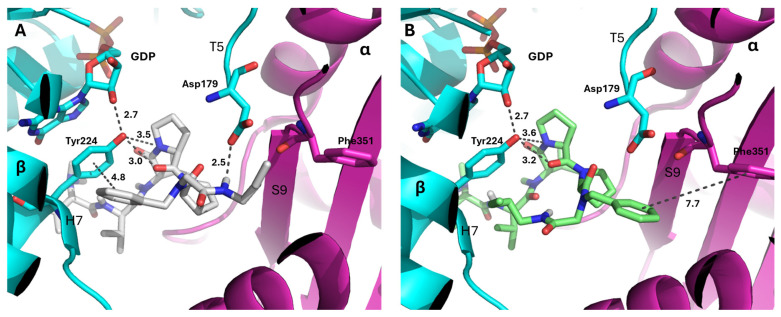 Figure 6
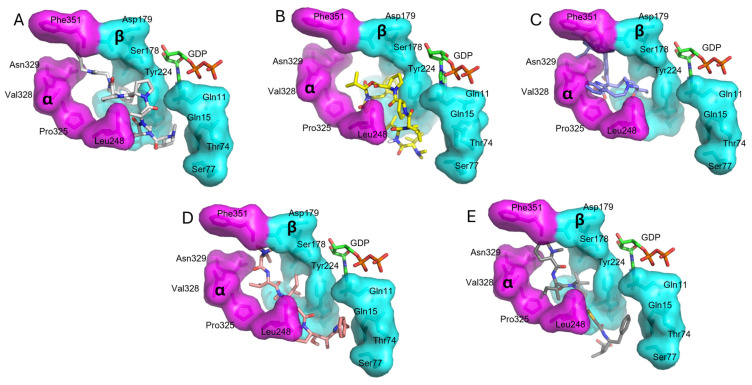 Figure 7
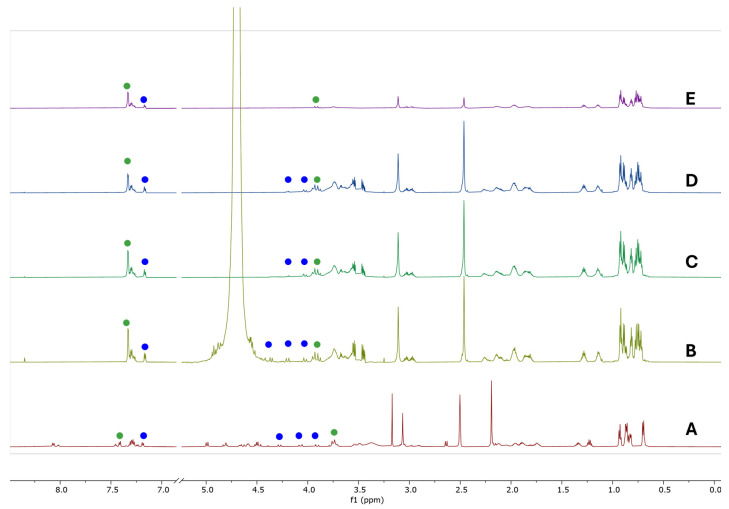 Figure 8
 Figure 9
 Figure 10
 Figure 11
 Figure 12
 Figure 13
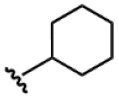 Figure 14
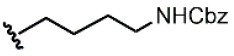 Figure 15
 Figure 16
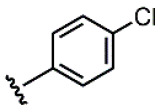 Figure 17
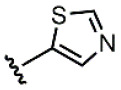 Figure 18
 Figure 19
 Figure 20
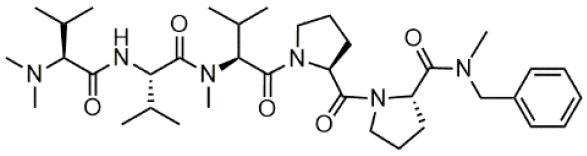 Figure 21
Peer Reviews
No public reviews on file for this paper yet. If you reviewed it on a platform where reviews are public (OpenReview, ICLR, NeurIPS, ICML), you can paste yours below so the community can read it here.
Videos
No videos yet. Explain this paper in a talk, walkthrough, or lecture? Add one.
Taxonomy
TopicsMicrotubule and mitosis dynamics · Axial and Atropisomeric Chirality Synthesis · Supramolecular Chemistry and Complexes