Microstructure and Properties of Different Modulus Sections in JG4246A Alloy Characteristic Simulation Castings
Hai-Tao Jiang, Lei Jin, Gao-Yang Jing, Peng Li, Bing-Zheng Fan, Yi-Peng Li, Lan-Bo Ma, Ao-Qi Li, Tian-Yv Liu, Xun Sun, Yang Guan

TL;DR
This study examines how different cooling rates during casting affect the microstructure and strength of a nickel-based superalloy, showing significant variations in grain size and mechanical properties.
Contribution
The study quantitatively establishes the relationship between cooling rate, microstructure, and mechanical properties in JG4246A alloy castings.
Findings
The fastest cooling rate produced the finest grains (0.46 mm) and highest strength (698 MPa tensile, 581 MPa yield).
The slowest cooling rate resulted in the largest grains (1.55 mm) and lowest strength (612.5 MPa tensile, 524.5 MPa yield).
MC carbide size varied by up to 94% between sections, affecting elongation rates.
Abstract
This study takes the commercial JG4246A cast Ni3Al-based superalloy as the research object, under the conditions of preheating the mold shell at 1020 °C and a pouring temperature of 1520 °C, characteristic simulation castings were poured. The microstructure and room temperature mechanical properties of different modulus sections of the castings were systematically investigated. It was found that, except for the edge towards the middle section of the larger modulus, the cooling rates at the edge were greater than those at the middle sections. The cooling rate was the fastest at the upper-right corner section (referring to the castings position during pouring, the same below), and the grain is the finest (approximately 0.46 mm), with the highest strength (tensile strength approximately 698 MPa, yield strength approximately 581 MPa), while the cooling rate at the lower-middle section was…
Genes, proteins, chemicals, diseases, species, mutations and cell lines named across the full text — each resolved to its canonical identifier and authoritative record.
Click any figure to enlarge with its caption.
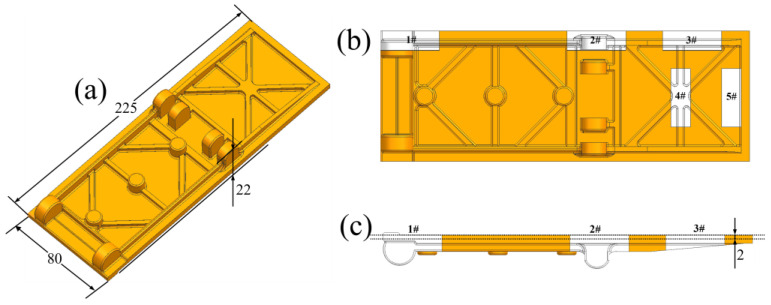 Figure 1
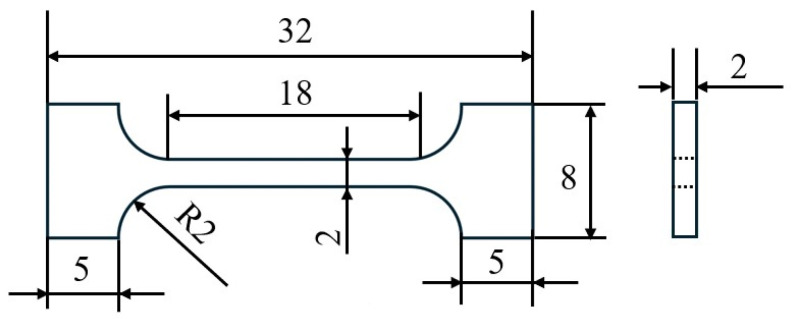 Figure 2
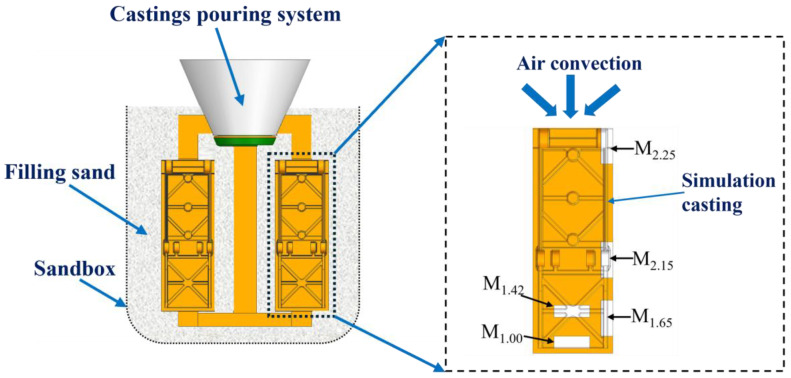 Figure 3
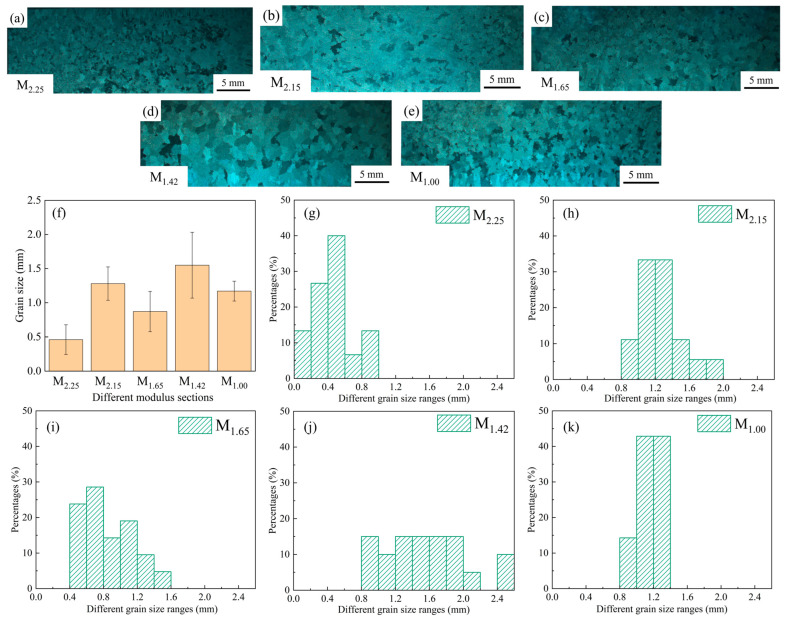 Figure 4
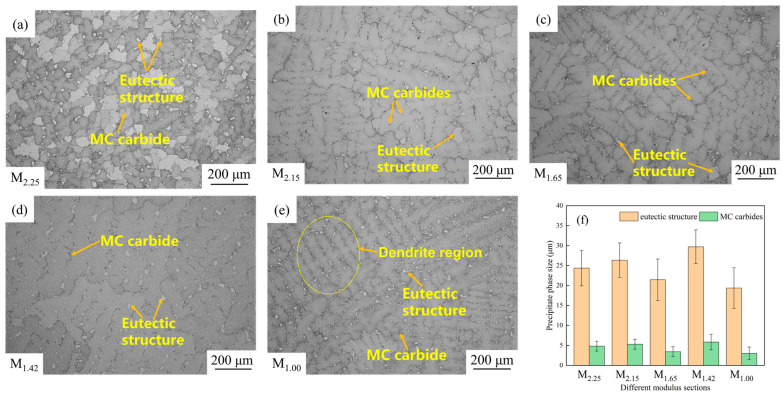 Figure 5
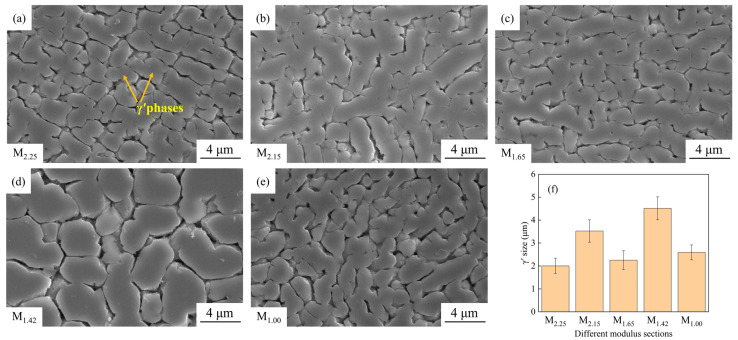 Figure 6
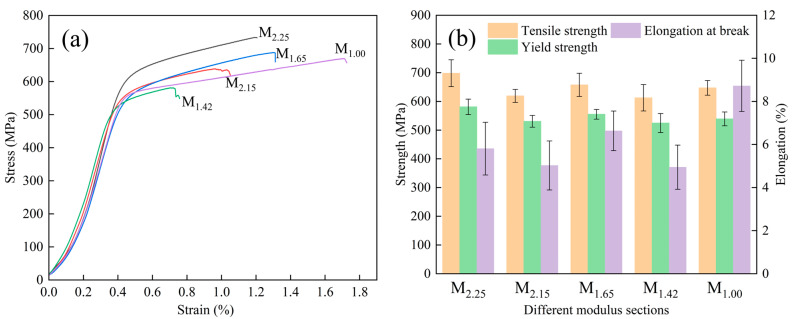 Figure 7
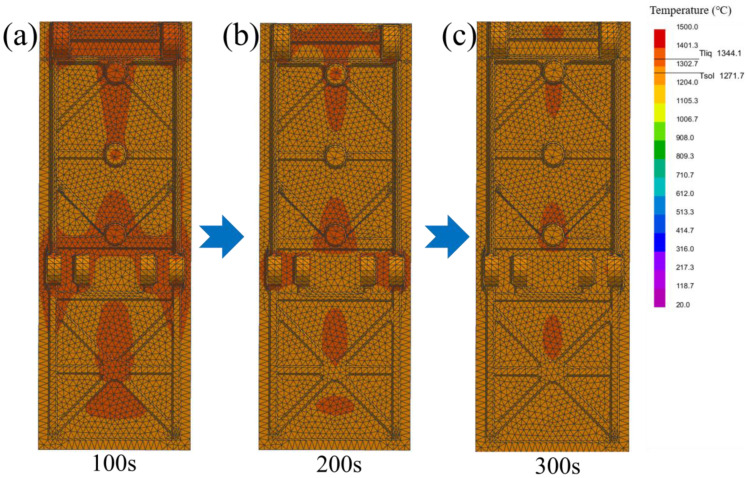 Figure 8
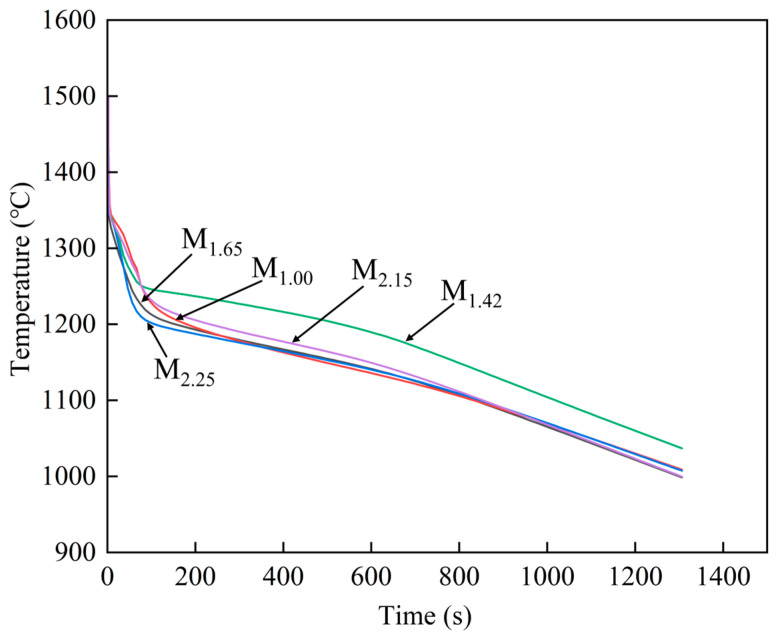 Figure 9
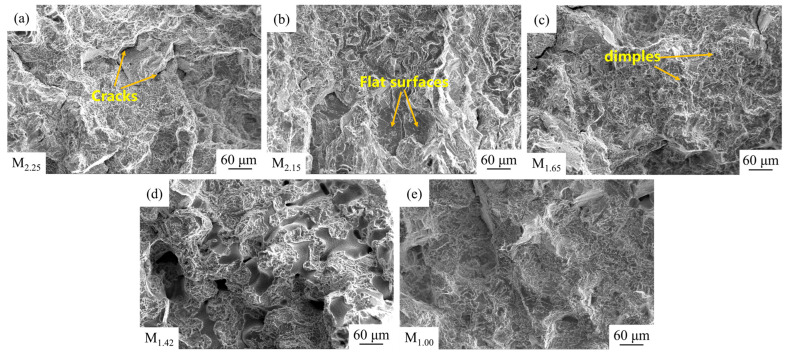 Figure 10
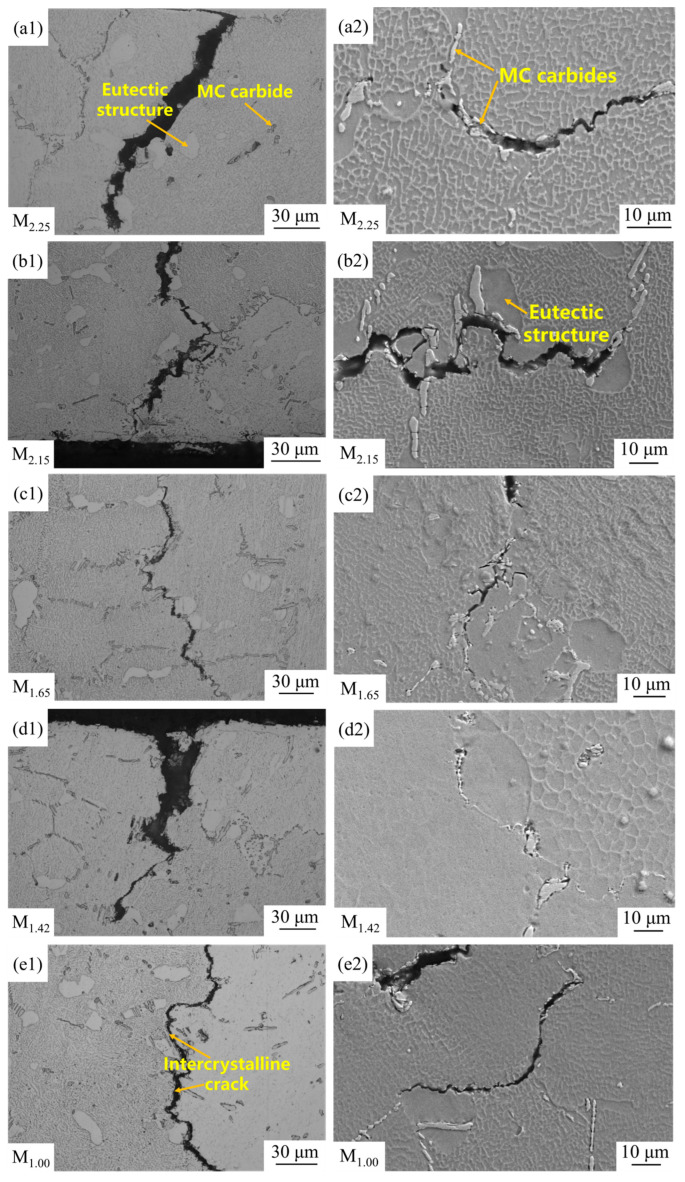 Figure 11
Peer Reviews
No public reviews on file for this paper yet. If you reviewed it on a platform where reviews are public (OpenReview, ICLR, NeurIPS, ICML), you can paste yours below so the community can read it here.
Videos
No videos yet. Explain this paper in a talk, walkthrough, or lecture? Add one.
Taxonomy
TopicsSolidification and crystal growth phenomena · Additive Manufacturing Materials and Processes · Aluminum Alloy Microstructure Properties