From Simulation to Conversation: Simulated Patients’ Contribution to Meaningful Feedback Dialogues
Annelies Lovink, Karlijn Geelkerken, Heleen Miedema, Jan-Joost Rethans, Walther van Mook, Marleen Groenier

TL;DR
This study examines how simulated patients contribute to feedback conversations in medical training, highlighting their roles and the impact on student learning.
Contribution
The study identifies specific ways simulated patients contribute to feedback dialogues and their potential educational impact.
Findings
36 episodes were classified as meaningful feedback dialogues, showing SPs' guidance on task performance.
SPs shift between multiple positions during feedback, such as patient, expert, and meta-position.
SPs' contributions can support learning but may reduce student reflection if not managed carefully.
Abstract
Simulated patients (SPs) play a key role in medical communication training, yet their contribution to feedback dialogues during post-simulation feedback sessions remains underexplored. This study explored how SPs contribute to meaningful feedback dialogues among students during feedback sessions after simulation-based consultations. Using an interpretivist qualitative approach, video-recorded feedback sessions with first-year technical medical students and SPs were analyzed. Episodes identified as meaningful feedback dialogues were thematically analyzed, focusing on SP contributions. Of the 120 one-minute episodes during feedback sessions, 36 episodes were classified as meaningful feedback dialogue. These were characterized by one or more of the following aspects: SPs’ guidance on task performance, shifting positions of SPs, and SPs supporting the contribution of students by…
Genes, proteins, chemicals, diseases, species, mutations and cell lines named across the full text — each resolved to its canonical identifier and authoritative record.
Click any figure to enlarge with its caption.
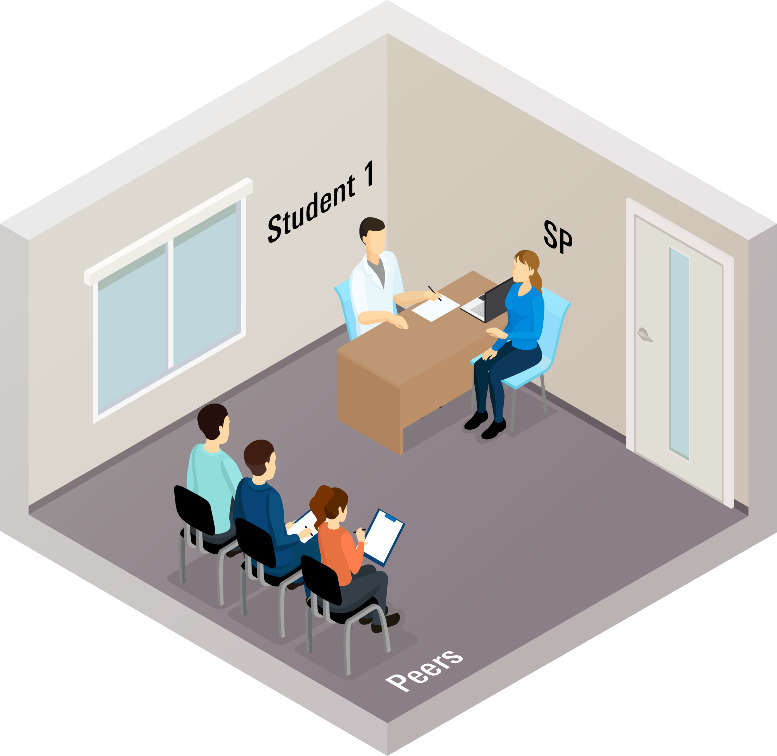 Figure 1
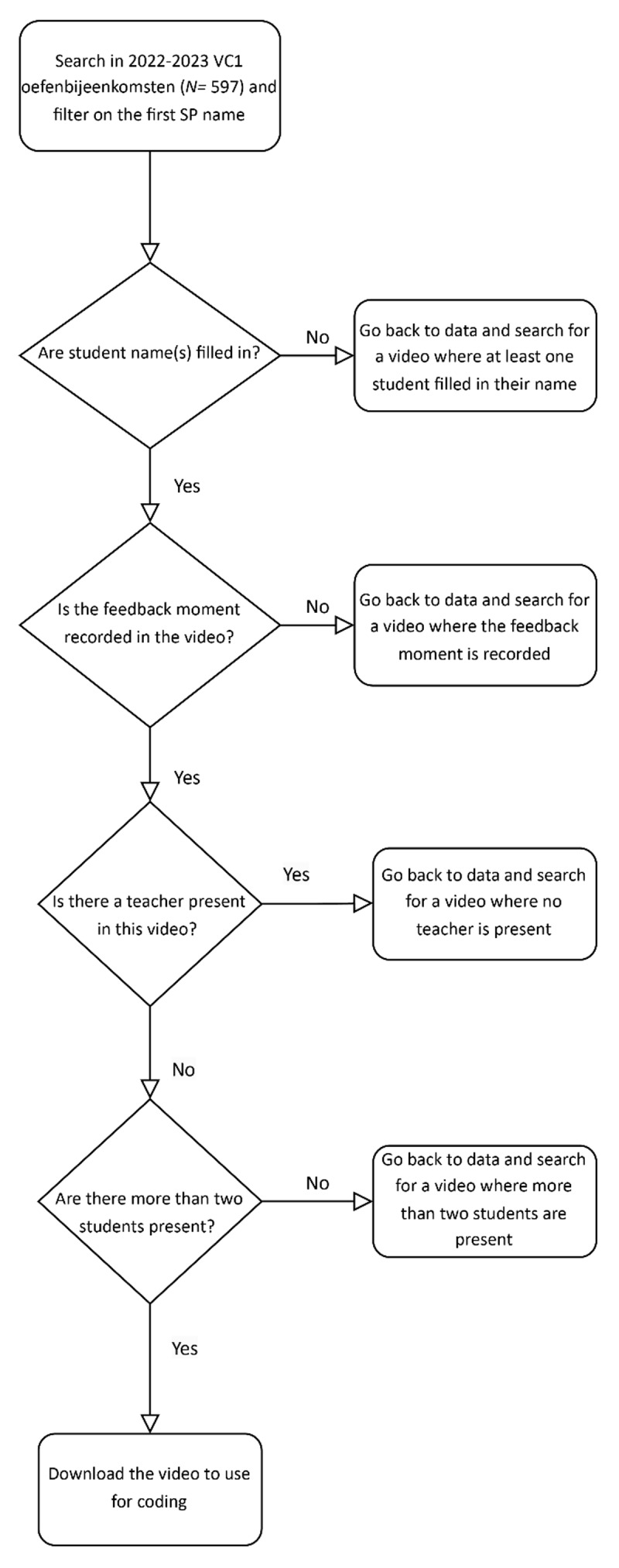 Figure 2
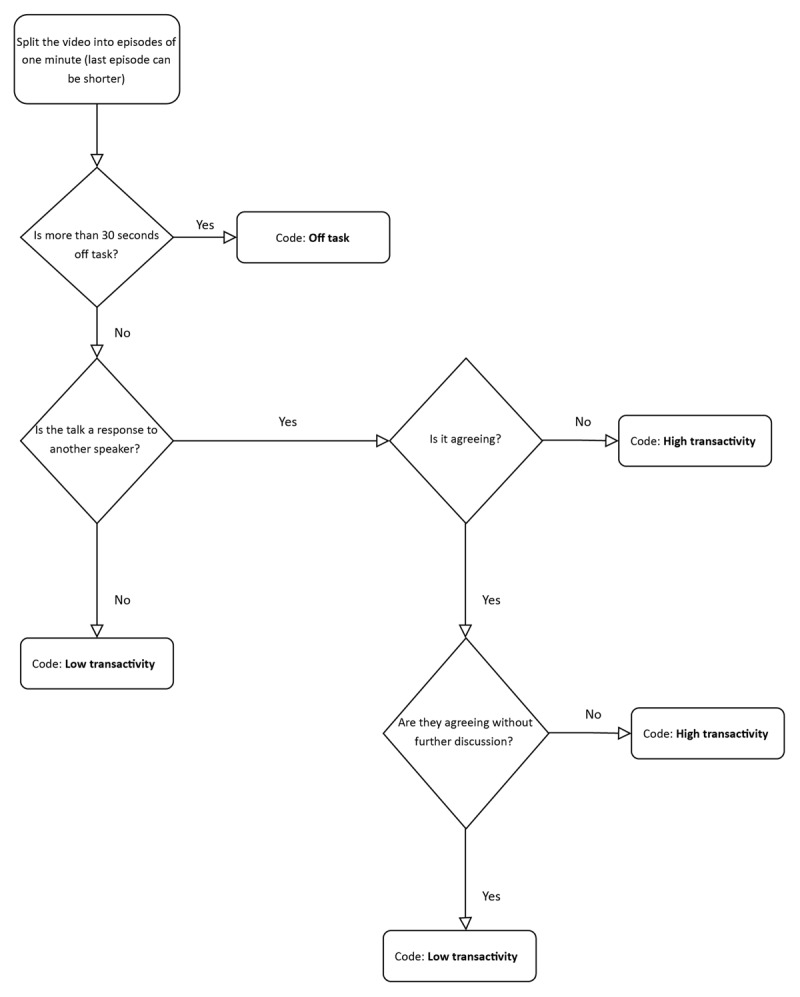 Figure 3
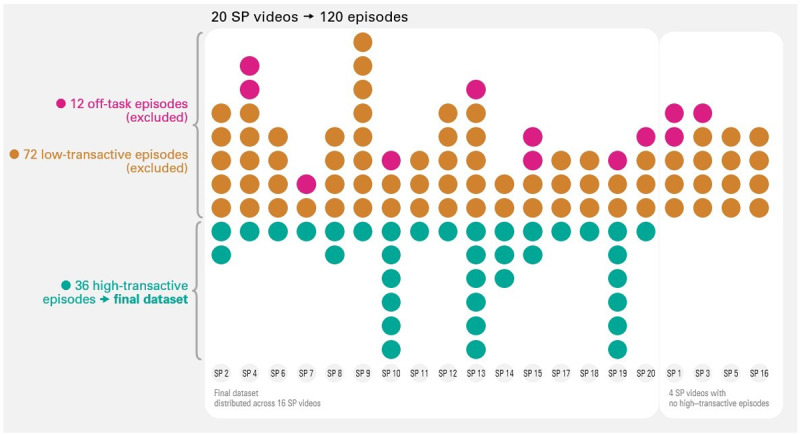 Figure 4
Peer Reviews
No public reviews on file for this paper yet. If you reviewed it on a platform where reviews are public (OpenReview, ICLR, NeurIPS, ICML), you can paste yours below so the community can read it here.
Videos
No videos yet. Explain this paper in a talk, walkthrough, or lecture? Add one.
Taxonomy
TopicsInnovations in Medical Education · Simulation-Based Education in Healthcare · Patient-Provider Communication in Healthcare