Thyroid Function, Inflammation, and HDL-Cholesterol in Women with Acne: A Real-World Cross-Sectional Study Integrating Biochemistry and Thyroid Ultrasound
Maria Madalina Singer, Ștefănița Bianca Vintilescu, Denisa Floriana Vasilica Pirscoveanu, Virginia Maria Rădulescu, Andreea Gabriela Mocanu, Oana-Elena Nicolaescu, Renata Maria Varut, Denisa Preoteasa, Mioara Desdemona Stepan, Ion Dorin Pluta, Cristina Elena Singer

TL;DR
This study finds that elevated thyroid-stimulating hormone (TSH) is strongly linked to low HDL-cholesterol in women with acne, independent of inflammation.
Contribution
The paper integrates thyroid biochemistry, ultrasound, and metabolic markers in acne patients, revealing novel associations between TSH and HDL-C.
Findings
High TSH is strongly associated with low HDL-cholesterol (OR 13.13) in women with acne.
HDL-C levels inversely correlate with the neutrophil-to-lymphocyte ratio (NLR), indicating metabolic-inflammation interplay.
Thyroid ultrasound metrics show limited correlation with thyroid biochemical markers in this population.
Abstract
Background: Acne in adult women is increasingly recognized as a condition with systemic endocrine–metabolic correlates. Evidence linking acne to thyroid-related abnormalities and cardiometabolic risk markers remains mixed, and integrated real-world evaluations combining thyroid biochemistry, ultrasound metrics, inflammatory indices, and lipid profile are limited. Methods: We performed a cross-sectional observational analysis of 80 women with acne who underwent routine laboratory testing and thyroid ultrasound assessment. Thyroid status was defined using TSH (reference 0.4–4.5 mIU/L) and free T4 (0.8–1.8 ng/dL), with an additional TSH-only sensitivity definition (high TSH >4.5 mIU/L). Low HDL-cholesterol (HDL-C) was defined as <50 mg/dL. Group comparisons used Mann–Whitney U tests with Hodges–Lehmann shifts; associations were summarized using odds ratios (ORs) with Fisher’s exact tests;…
Genes, proteins, chemicals, diseases, species, mutations and cell lines named across the full text — each resolved to its canonical identifier and authoritative record.
Click any figure to enlarge with its caption.
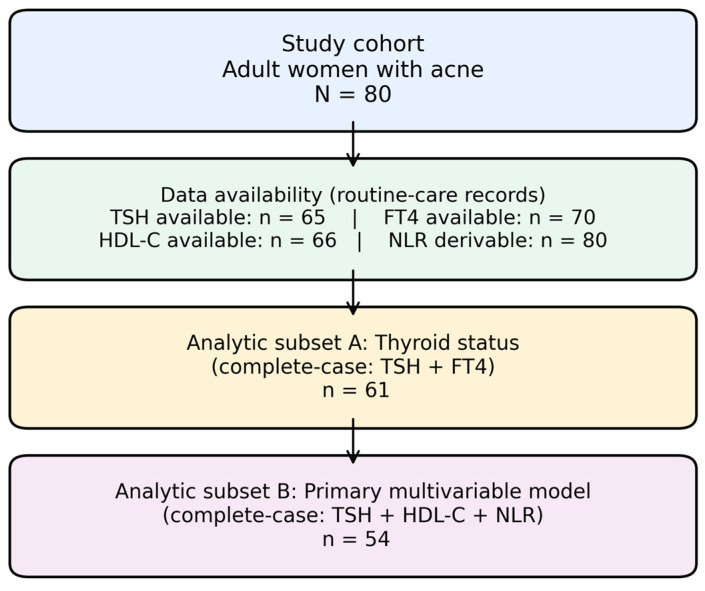 Figure 1
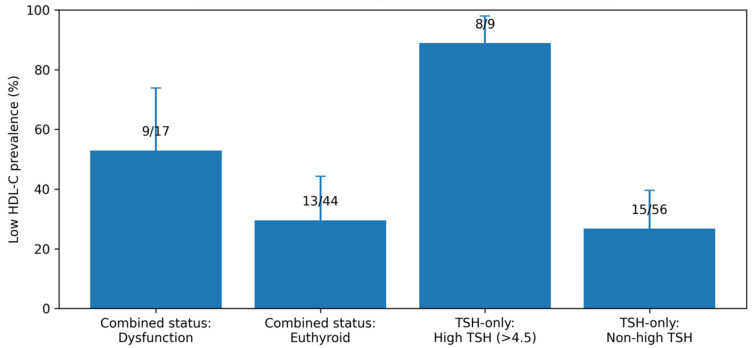 Figure 2
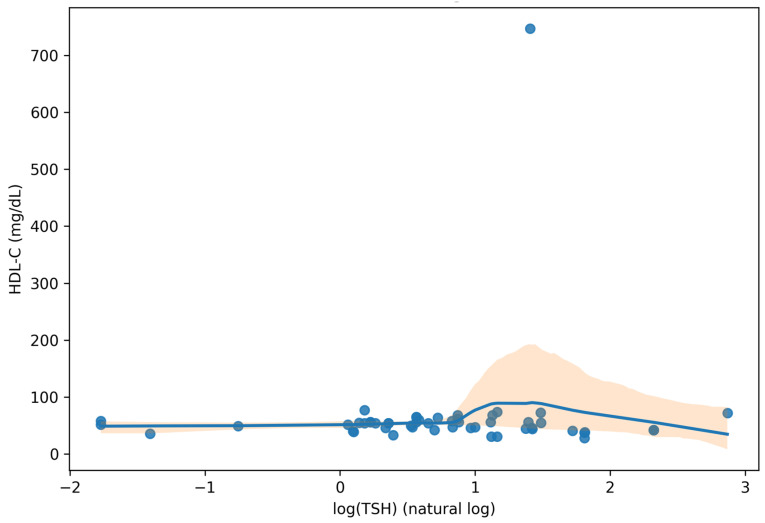 Figure 3
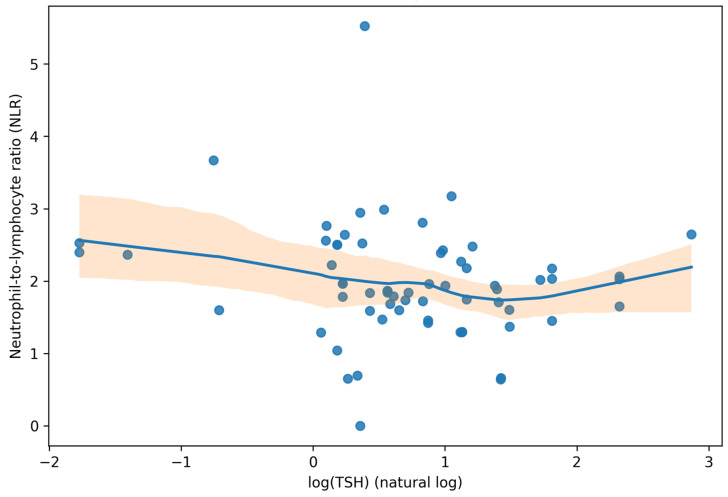 Figure 4
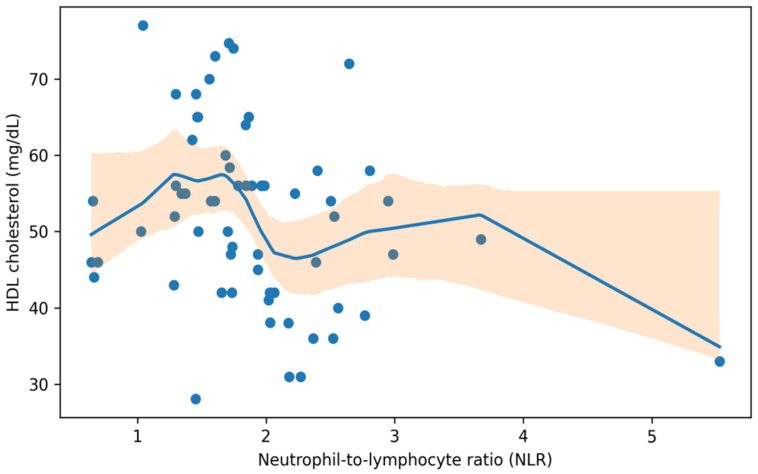 Figure 5
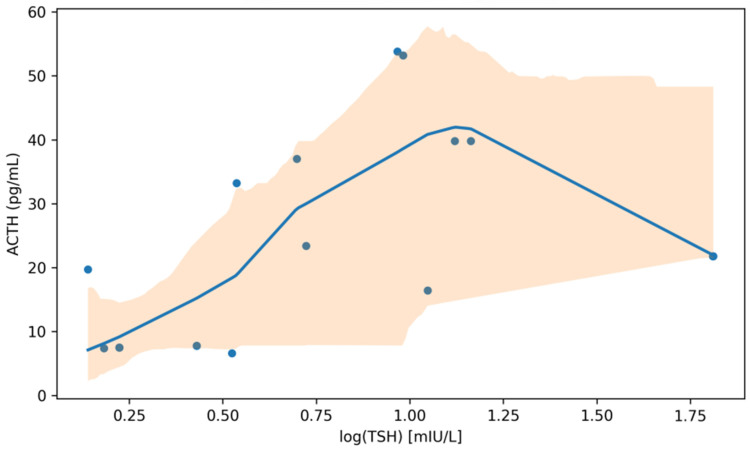 Figure 6
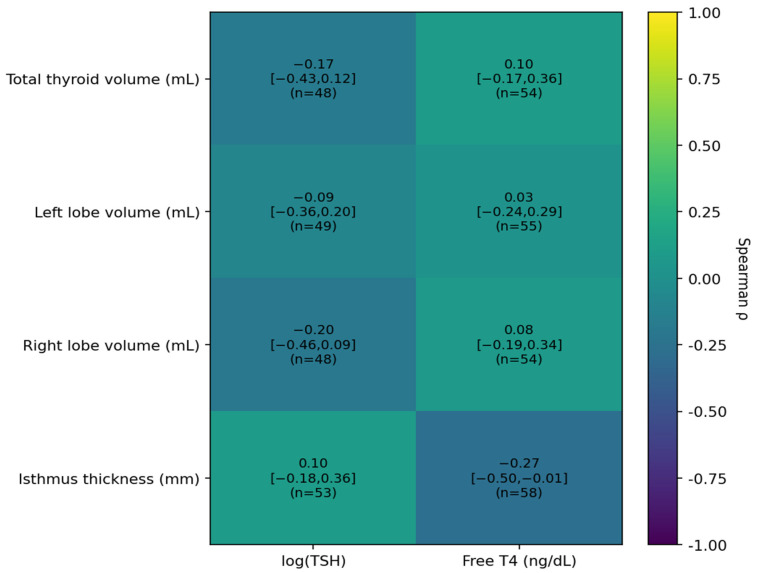 Figure 7
Peer Reviews
No public reviews on file for this paper yet. If you reviewed it on a platform where reviews are public (OpenReview, ICLR, NeurIPS, ICML), you can paste yours below so the community can read it here.
Videos
No videos yet. Explain this paper in a talk, walkthrough, or lecture? Add one.
Taxonomy
TopicsAcne and Rosacea Treatments and Effects · Hidradenitis Suppurativa and Treatments · Retinoids in leukemia and cellular processes