Resilience Mitigates the Link between Adverse Childhood Experiences and Musician’s Dystonia: A Neuroendocrine and Psychological Perspective
Julian Burek, Stine Alpheis, Christopher Sinke, Tillmann H. C. Krüger, Michael Großbach, Daniel S. Scholz, Florian Worschech, André Lee, Eckart Altenmüller

TL;DR
Resilience helps reduce the impact of childhood trauma on the development of musician's dystonia, a movement disorder in musicians.
Contribution
This study is the first to show that psychological resilience moderates the link between adverse childhood experiences and musician’s dystonia.
Findings
Healthy musicians showed higher resilience in adaptability and emotional regulation compared to MD patients.
Resilience significantly reduced the negative effects of adverse childhood experiences on dystonia development.
No differences in cortisol levels were found between MD patients and healthy musicians during acute stress.
Abstract
Musician’s dystonia (MD) is a task-specific movement disorder affecting up to 1% of all professional musicians. Although adverse childhood experiences (ACEs) have been proposed as risk factors, the etiology of MD is not fully understood, and protective factors remain largely unexplored. This study investigated a possible protective role of psychological resilience on the association between MD and adverse childhood experiences and examined the influence of dystonia, resilience and ACEs on the stress reactivity of musicians. Forty participants with MD were compared to 39 matched healthy musicians. While undergoing the “Montreal Imaging Stress Task”, cortisol responses of the participants were measured. Furthermore, participants completed two psychological assessments, the Connor-Davidson Resilience Scale and the Childhood Trauma Questionnaire. Mediation and moderation analyses…
Genes, proteins, chemicals, diseases, species, mutations and cell lines named across the full text — each resolved to its canonical identifier and authoritative record.
Click any figure to enlarge with its caption.
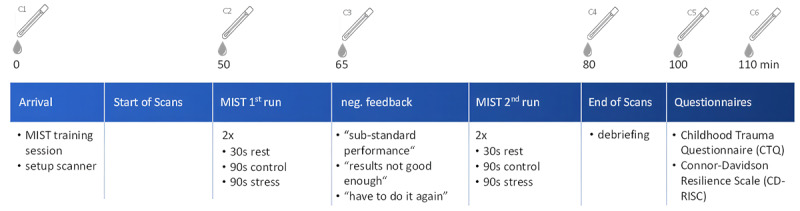 Figure 1
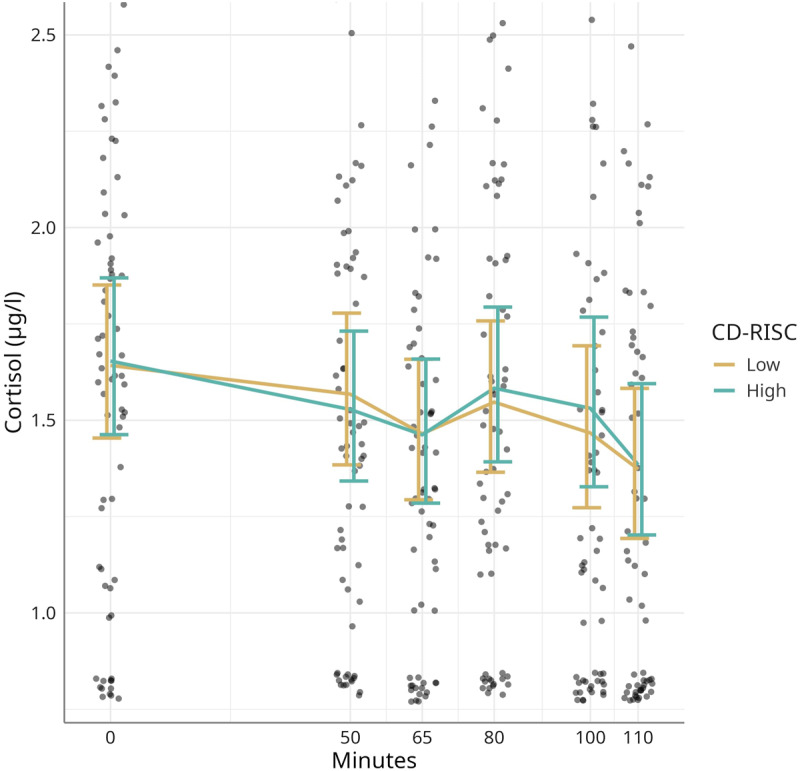 Figure 2
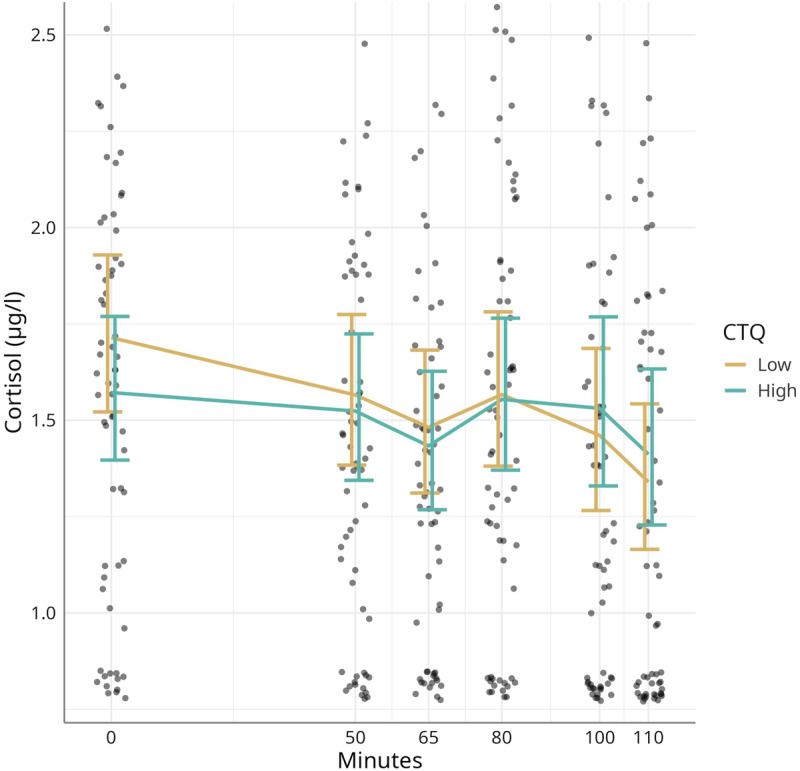 Figure 3
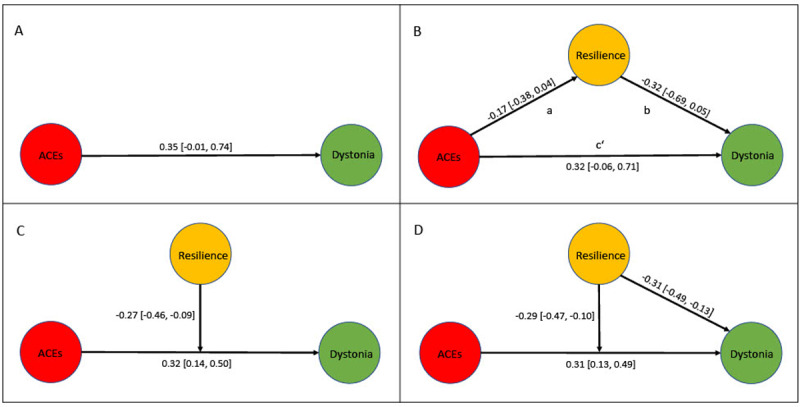 Figure 4
Peer Reviews
No public reviews on file for this paper yet. If you reviewed it on a platform where reviews are public (OpenReview, ICLR, NeurIPS, ICML), you can paste yours below so the community can read it here.
Videos
No videos yet. Explain this paper in a talk, walkthrough, or lecture? Add one.
Taxonomy
TopicsMusicians’ Health and Performance · Diverse Music Education Insights · Transcranial Magnetic Stimulation Studies