The Influence of Pharmacological Agents Used During General Anesthesia on the Intensity of Postoperative Pain and the Occurrence of Post-Anesthetic Delirium—A Scoping Review
Amelia Dąbrowska, Izabella Jadwiga Brykczyńska, Sandra Lange, Mateusz Szczupak, Sabina Krupa-Nurcek, Wioletta Mędrzycka-Dąbrowska

TL;DR
This review explores how anesthetic drugs and post-surgery pain affect the risk of delirium after surgery, focusing on agents like dexmedetomidine and remimazolam.
Contribution
The study provides a scoping review of pharmacological agents' effects on postoperative delirium and pain, highlighting novel agents like dexmedetomidine and remimazolam.
Findings
Dexmedetomidine and remimazolam are associated with reduced postoperative delirium and agitation.
Hydromorphone provides better pain control than sufentanil, while magnesium sulfate alleviates postoperative symptoms like pain and insomnia.
Ketamine does not consistently prevent delirium and may increase neuropsychiatric events in some cases.
Abstract
Introduction: Postoperative delirium, including emergence agitation, is recognized in the post-anesthesia care unit as a fluctuating disturbance of attention and cognition. The current evidence examined suggests that both anesthetic agents and postoperative pain intensity may influence the risk of delirium. The aim of this review is to discuss the significance of pharmacological agents used during anesthesia and the relationship between the intensity of postoperative pain and the occurrence of postoperative delirium in patients undergoing surgical procedures, regardless of age. Methods: A scoping review was conducted from December 2024 to December 2025. The articles identified in each search were limited to those published between 2015 and 2025. Results: Agents such as dexmedetomidine, remimazolam, and magnesium sulfate were examined in the included trials and were reported to be…
Genes, proteins, chemicals, diseases, species, mutations and cell lines named across the full text — each resolved to its canonical identifier and authoritative record.
Click any figure to enlarge with its caption.
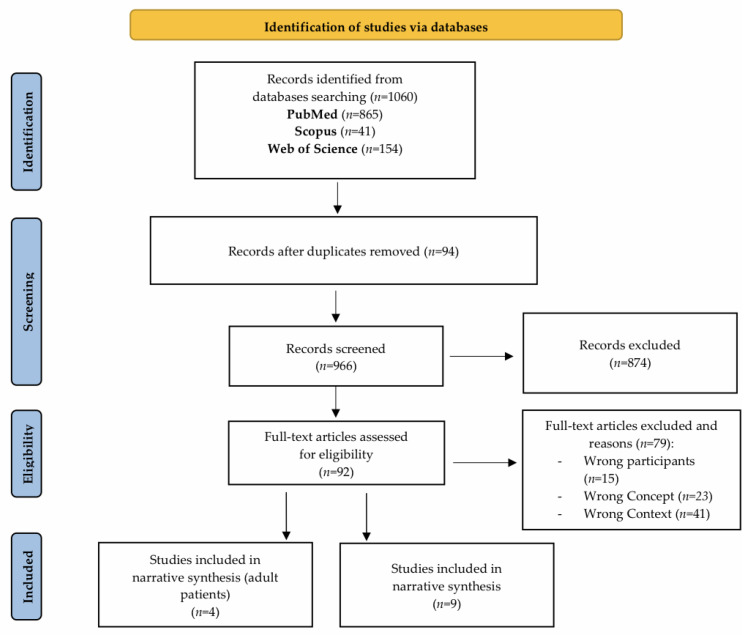 Figure 1
Peer Reviews
No public reviews on file for this paper yet. If you reviewed it on a platform where reviews are public (OpenReview, ICLR, NeurIPS, ICML), you can paste yours below so the community can read it here.
Videos
No videos yet. Explain this paper in a talk, walkthrough, or lecture? Add one.
Taxonomy
TopicsIntensive Care Unit Cognitive Disorders · Anesthesia and Sedative Agents · Anesthesia and Neurotoxicity Research