Endovascular Creation of Native Arteriovenous Fistulas for Hemodialysis: A Percutaneous, Vessel-Sparing Strategy for Vascular Access
Giulio Distefano, Alessio Sturiale, Concetto Sessa, Ivana Maria Grazia Alessandrello, Andrea Boncoraglio, Elisa Cicero, Dario Galeano, Roberta Maria Messina, Vincenzo Ficara, Fiorenza Rauseo, Alessia Tigano, Viviana Scollo, Fortunata Zirino, Carmelo Zuppardo, Domenico Patanè

TL;DR
A minimally invasive endovascular method for creating arteriovenous fistulas for hemodialysis is reviewed, offering a vessel-sparing alternative to surgery.
Contribution
This paper provides an updated review of endovascular arteriovenous fistula creation, emphasizing its feasibility and integration into clinical practice.
Findings
Endovascular AVF creation has high technical success and low complication rates.
EndoAVFs can be integrated into multidisciplinary access pathways as a complement to surgical strategies.
Standardized protocols and training are recommended to support consistent implementation.
Abstract
Surgically created native arteriovenous fistulas (AVFs) remain the preferred vascular access for chronic hemodialysis, yet they are limited by substantial early failure and progressive consumption of venous capital. Endovascular arteriovenous fistulas (endoAVFs, also referred to as percutaneous AVFs) have become a catheter-based alternative to surgical AVF (sAVF). We conduct an updated narrative, practice-oriented review of the literature on endoAVF creation, and we qualitatively synthesize evidence. Two devices are currently available in contemporary clinical practice: a dual 4 Fr-catheter, fluoroscopy-guided radiofrequency system (WavelinQ) and a single 6 Fr-catheter, ultrasound-guided thermal resistance system (Ellipsys). Across prospective studies and real-world series, endoAVF creation is consistently reported to have high technical success, with low major complication and…
Genes, proteins, chemicals, diseases, species, mutations and cell lines named across the full text — each resolved to its canonical identifier and authoritative record.
Click any figure to enlarge with its caption.
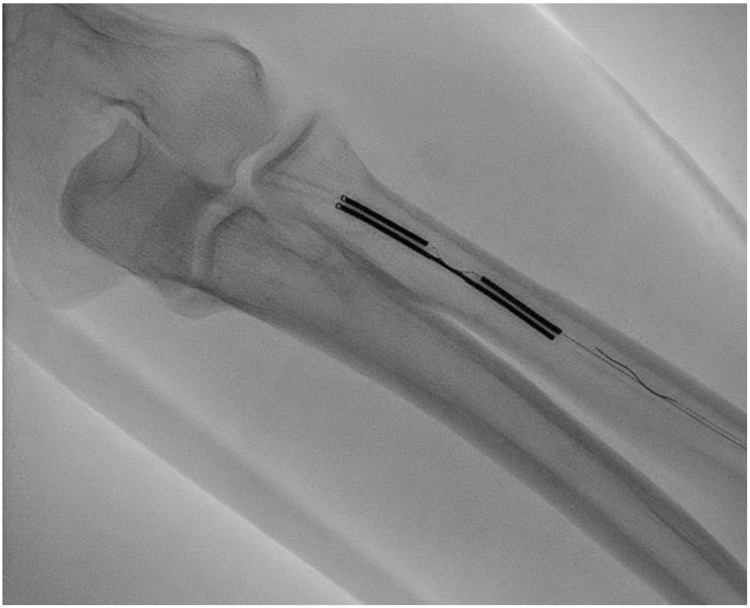 Figure 1
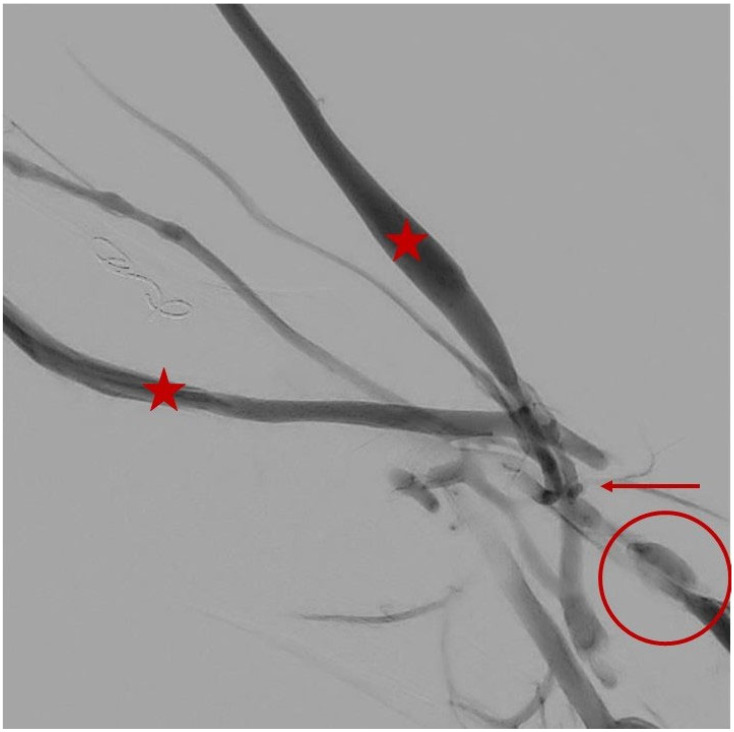 Figure 2
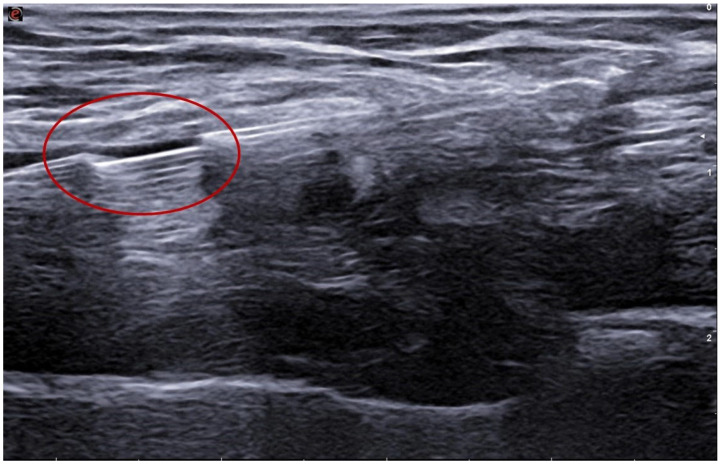 Figure 3
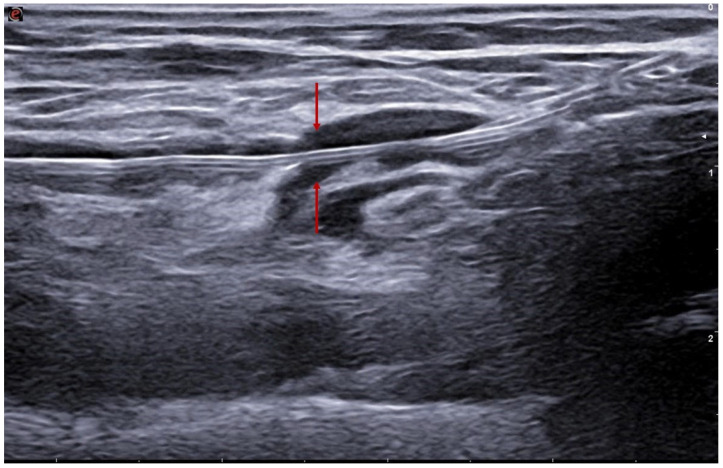 Figure 4
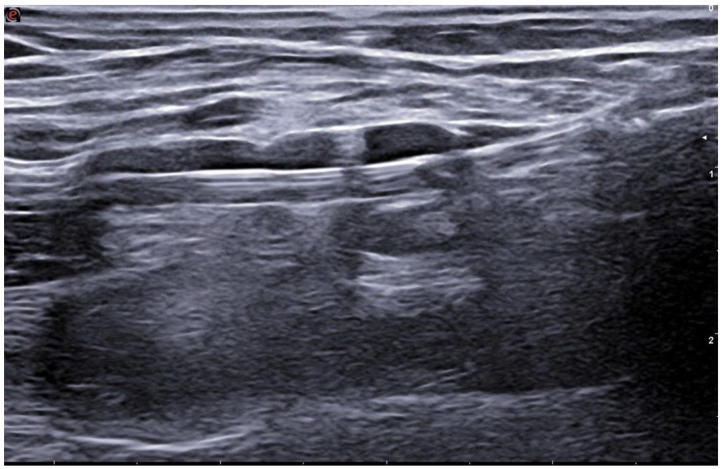 Figure 5
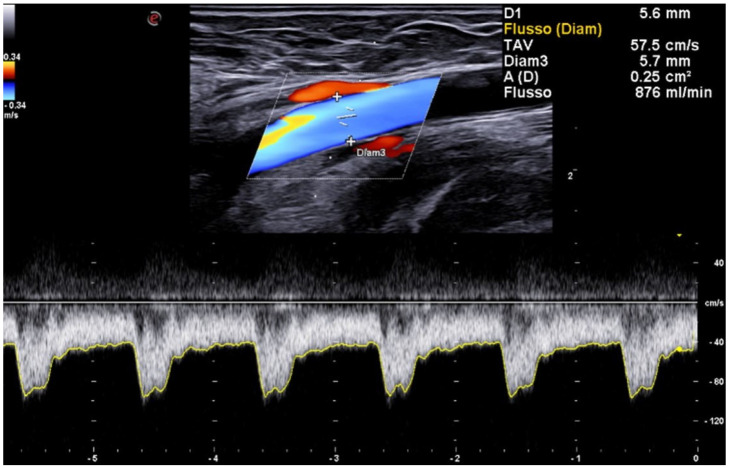 Figure 6
Peer Reviews
No public reviews on file for this paper yet. If you reviewed it on a platform where reviews are public (OpenReview, ICLR, NeurIPS, ICML), you can paste yours below so the community can read it here.
Videos
No videos yet. Explain this paper in a talk, walkthrough, or lecture? Add one.
Taxonomy
TopicsCentral Venous Catheters and Hemodialysis · Diagnosis and Treatment of Venous Diseases · Vascular Procedures and Complications