Sound-Based Tool Wear Classification in Turning of AISI 316L Using Multidomain Acoustic Features and SHAP-Enhanced Gradient Boosting Models
Savaş Koç, Mehmet Şükrü Adin, Ramazan İlenç, Mateusz Bronis, Serdar Ekinci

TL;DR
This paper introduces a sound-based system to detect tool wear during machining of a specific stainless steel using advanced machine learning models and acoustic features.
Contribution
A novel framework combining multidomain acoustic features and SHAP-enhanced gradient boosting models for accurate tool-wear classification in machining.
Findings
LightGBM and XGBoost achieved mean accuracies above 0.96 for tool-wear classification.
SHAP-enhanced feature selection improved model performance and interpretability.
Unworn and Severe wear states were clearly separable, while Slight wear was more challenging.
Abstract
Reliable tool-wear monitoring is essential for maintaining machining quality and preventing unscheduled downtime in manufacturing. This investigation presents a sound-based classification framework for identifying wear states in the turning of AISI 316L stainless steel using advanced gradient-boosting models. Acoustic signals were recorded under constant cutting parameters to eliminate process-induced variability, and each recording was divided into standardized 2 s segments. A total of 540 multidomain features—including RMS, ZCR, spectral descriptors, Mel-spectrogram statistics, MFCCs and their derivatives, and discrete wavelet energies—were extracted to capture both stationary and transient characteristics of tool–workpiece interactions. Feature selection was performed using a three-stage pipeline comprising Boruta, LASSO, and SHAP analysis, resulting in a compact subset of highly…
Genes, proteins, chemicals, diseases, species, mutations and cell lines named across the full text — each resolved to its canonical identifier and authoritative record.
Click any figure to enlarge with its caption.
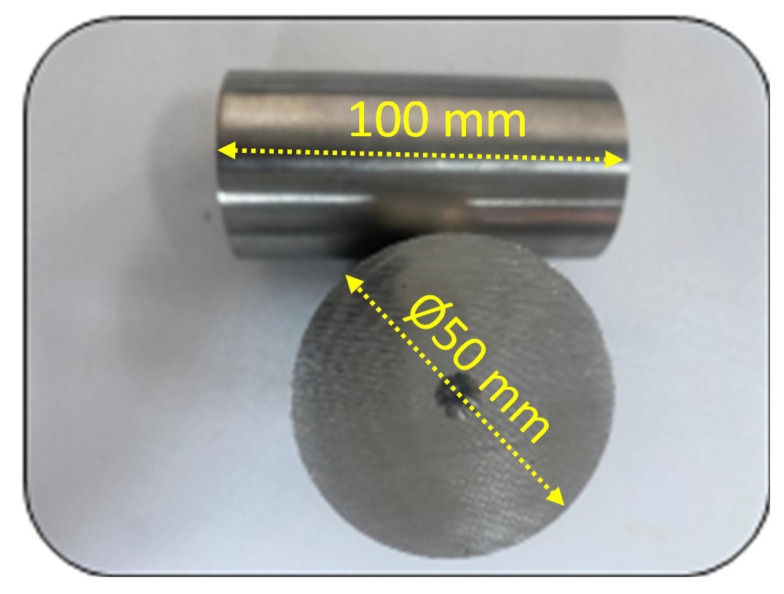 Figure 1
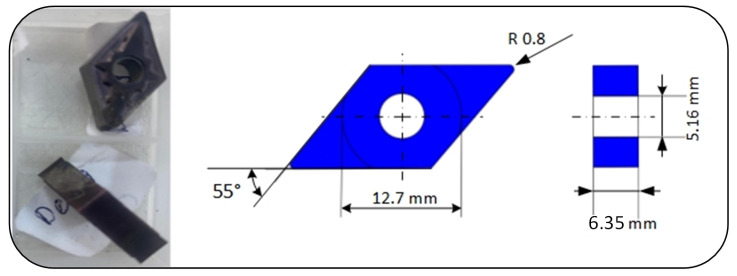 Figure 2
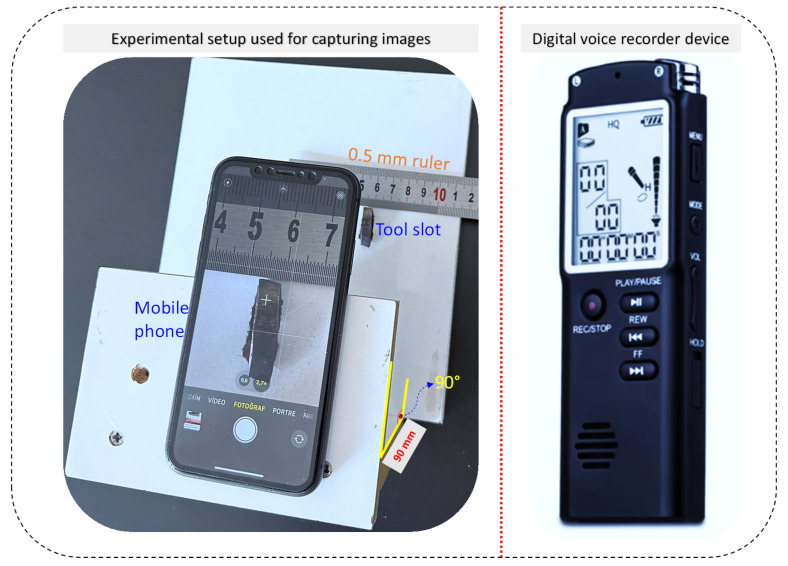 Figure 3
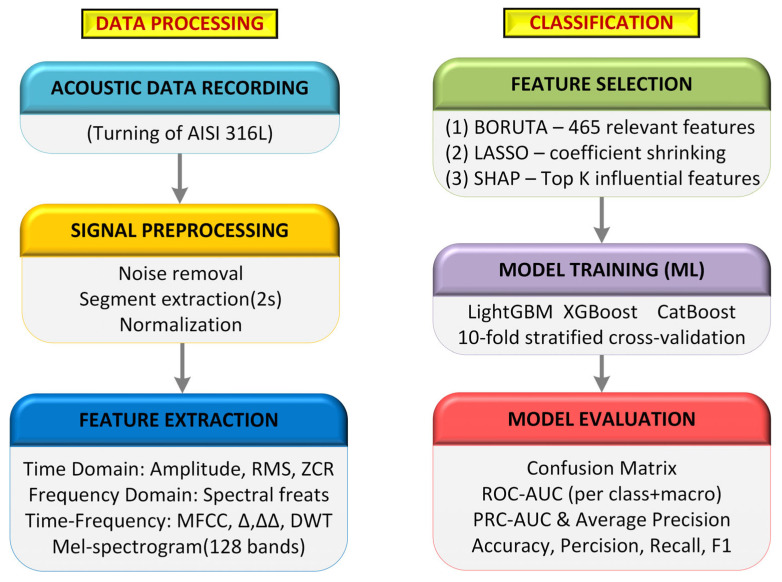 Figure 4
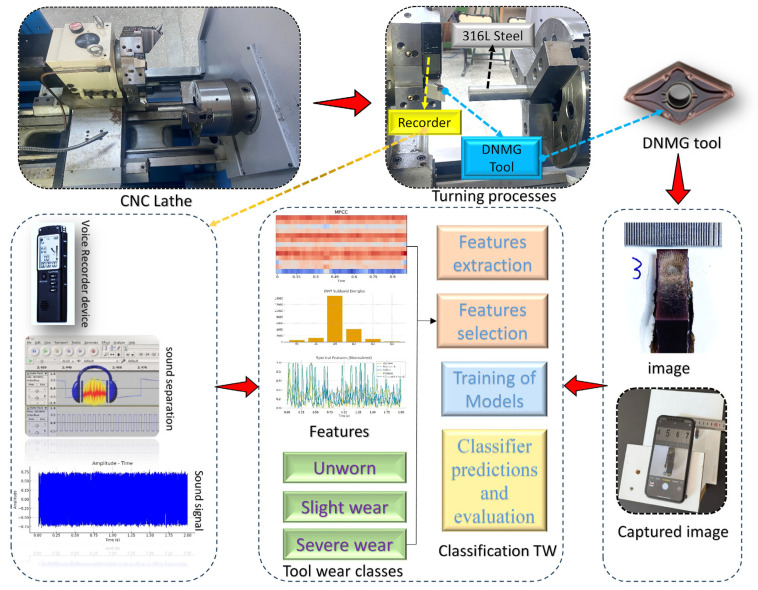 Figure 5
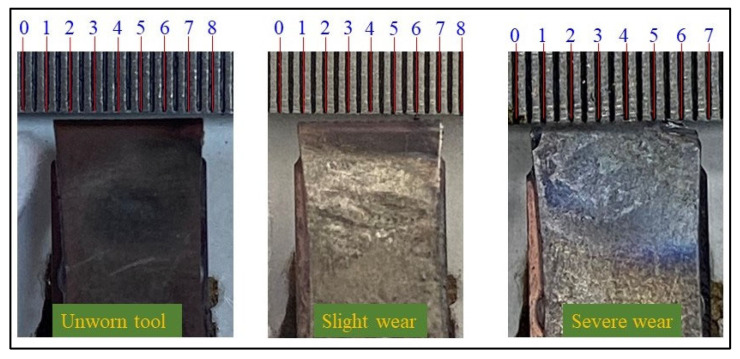 Figure 6
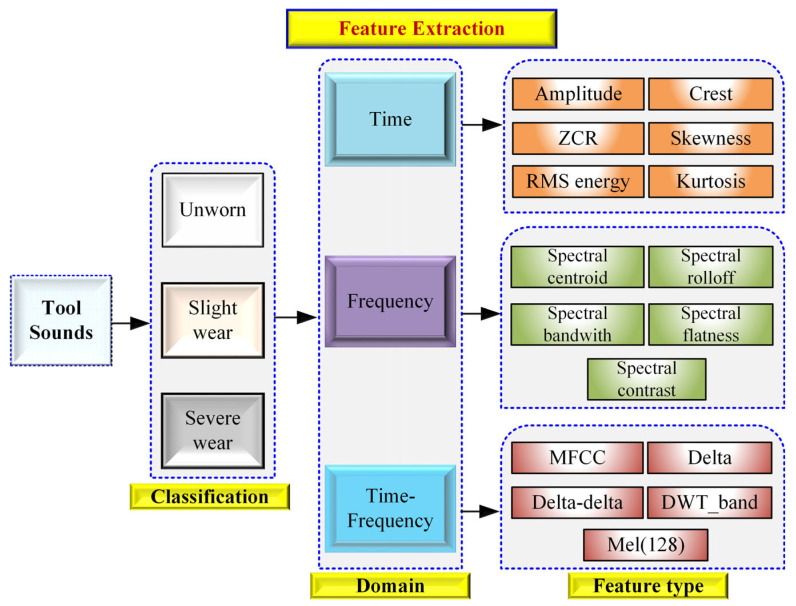 Figure 7
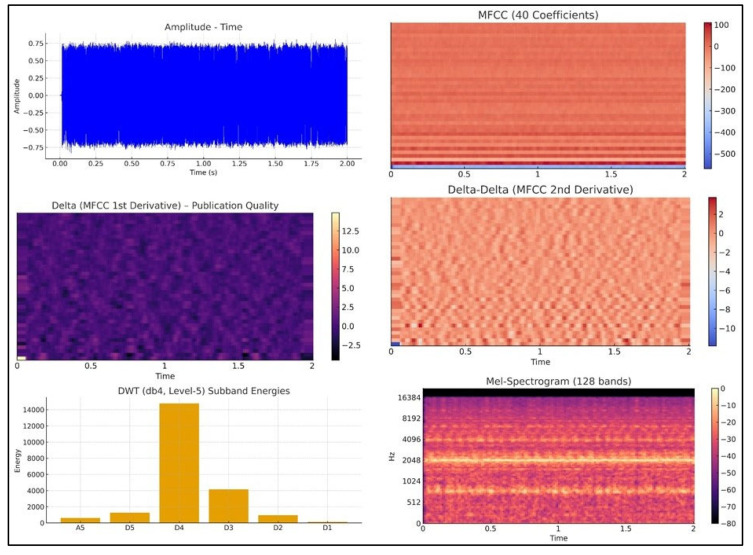 Figure 8
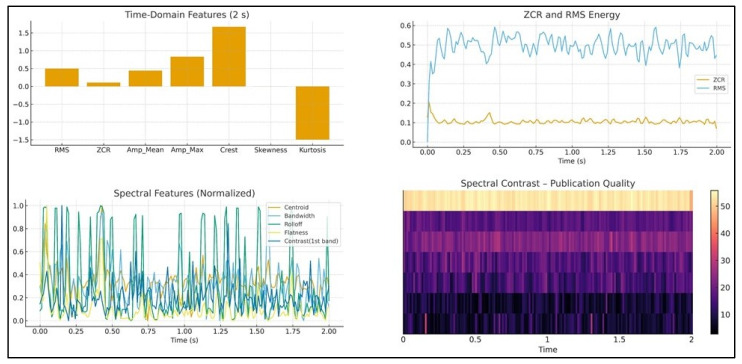 Figure 9
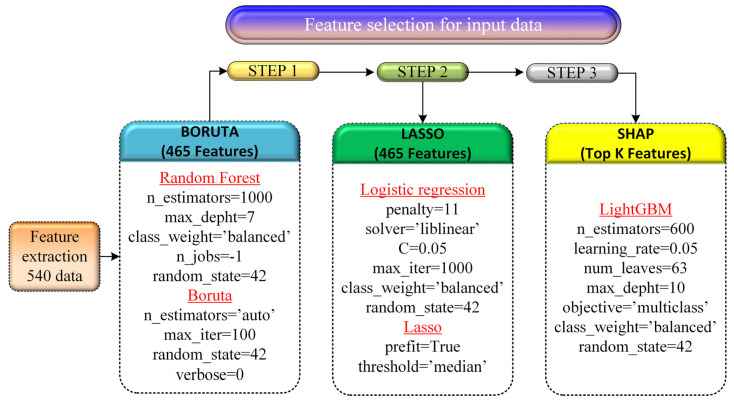 Figure 10
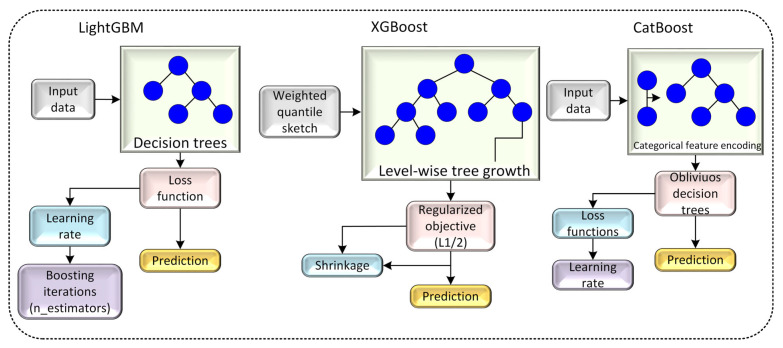 Figure 11
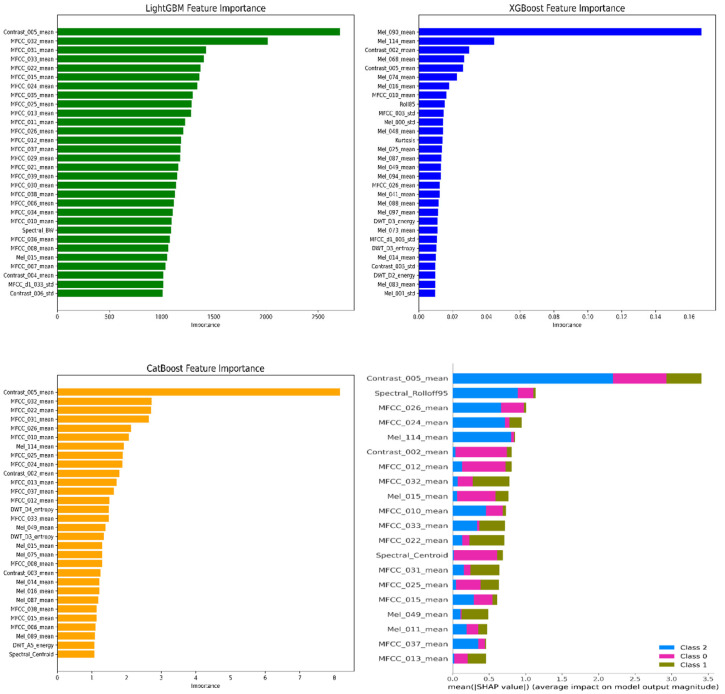 Figure 12
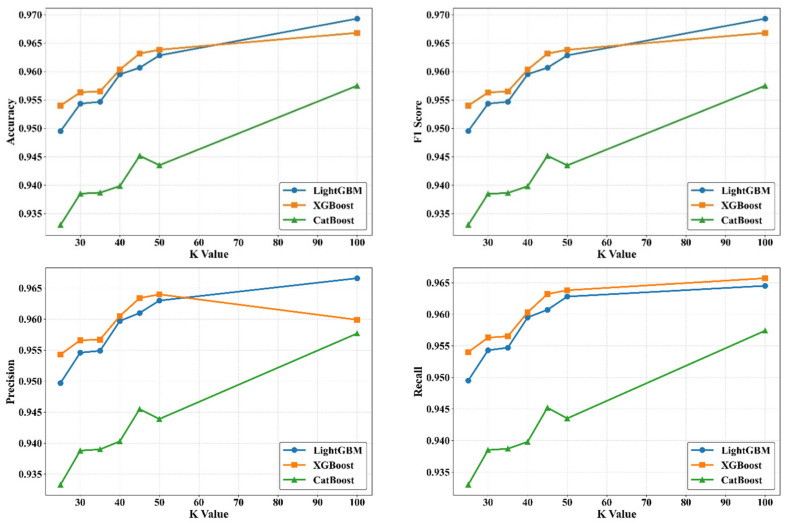 Figure 13
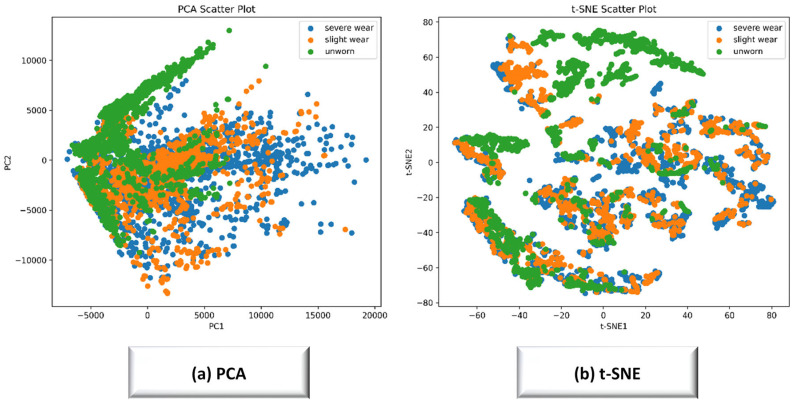 Figure 14
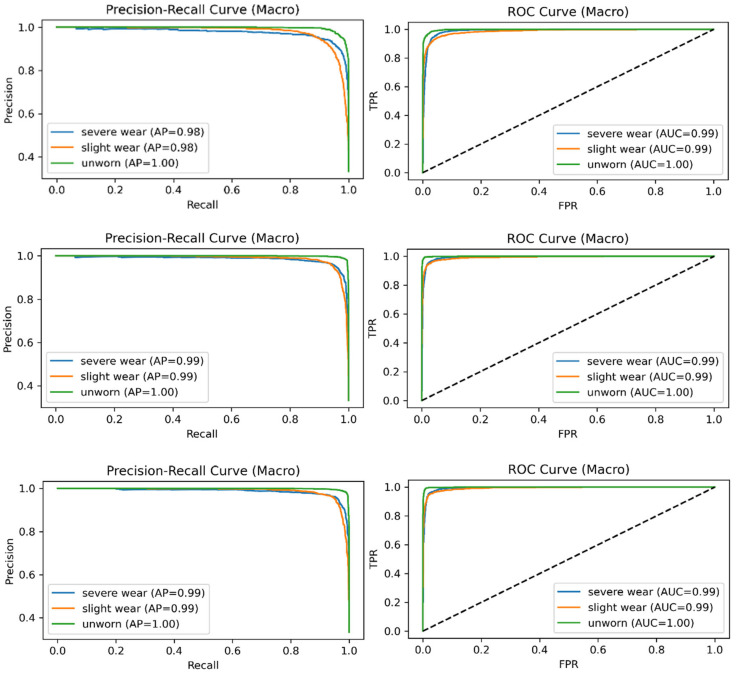 Figure 15
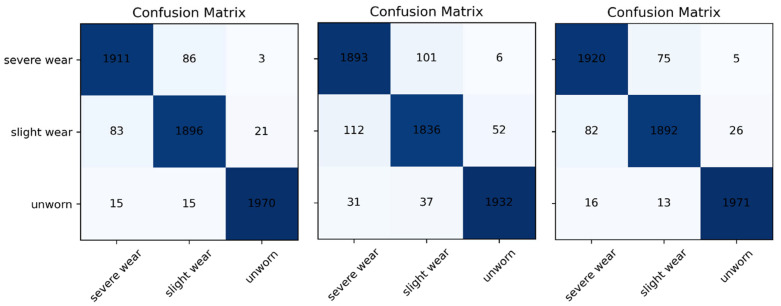 Figure 16
Peer Reviews
No public reviews on file for this paper yet. If you reviewed it on a platform where reviews are public (OpenReview, ICLR, NeurIPS, ICML), you can paste yours below so the community can read it here.
Videos
No videos yet. Explain this paper in a talk, walkthrough, or lecture? Add one.
Taxonomy
TopicsAdvanced machining processes and optimization · Machine Fault Diagnosis Techniques · Advanced Machining and Optimization Techniques