Recent Applications of Hydantoins in Drug Discovery: Updates (2019~Present)
Jyoti Dnyaneshwar Palkhede, Eo-Jin Park, Om Darlami, Dongyun Shin

TL;DR
This review summarizes recent progress in using hydantoin compounds for drug discovery, highlighting their roles in treating cancer, neurological, and infectious diseases.
Contribution
The paper provides an updated overview of hydantoin-based drug discovery from 2019 to present, emphasizing novel scaffolds and therapeutic applications.
Findings
Hydantoins have shown success as kinase inhibitors, androgen receptor antagonists, and metalloprotease inhibitors.
Novel hybrid scaffolds like catechol–hydantoins and spirocyclic thiohydantoins have produced potent anticancer and antiviral leads.
Compounds like BAY-9835 and GLPG1972 demonstrate clinical potential in cardiovascular and osteoarthritic conditions.
Abstract
Hydantoins, exemplified by the imidazolidine-2,4-dione core, are privileged scaffolds in medicinal chemistry due to their compact structure, versatile hydrogen-bonding capacity, ability to fine-tune physicochemical properties for drug-like molecules, and potential to engage a diverse array of biological targets. This review highlights major advances in hydantoin-based drug discovery since 2019, emphasizing their evolving applications in oncology; neurology; infectious diseases; and cardiovascular, metabolic, and immune disorders. Recent studies demonstrate their success as kinase inhibitors, androgen receptor antagonists, and metalloprotease inhibitors, and emerging roles in modulating sterol isomerase, glycogen synthase kinase-3β, and ADAMTS family enzymes. Novel hybrid scaffolds—such as catechol–hydantoins, β-carboline–hydantoins, and spirocyclic thiohydantoins—have yielded potent and…
Genes, proteins, chemicals, diseases, species, mutations and cell lines named across the full text — each resolved to its canonical identifier and authoritative record.
Click any figure to enlarge with its caption.
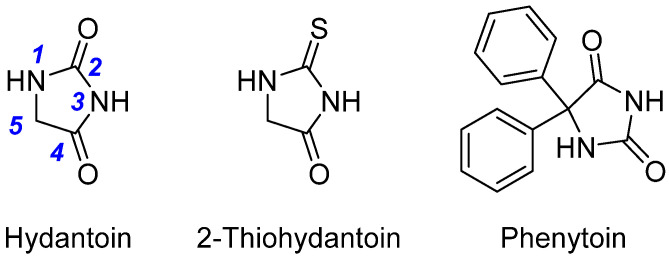 Figure 1
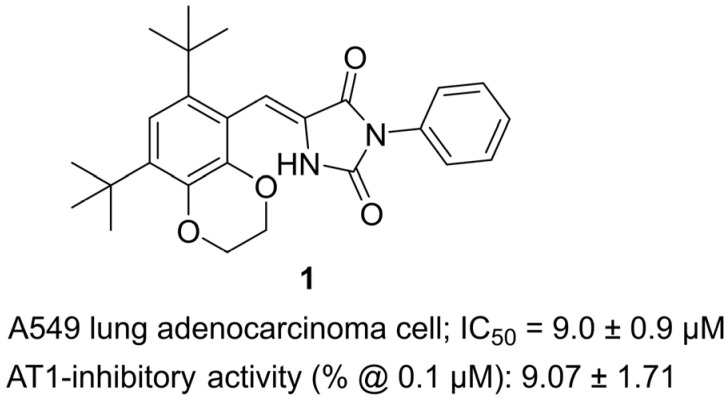 Figure 2
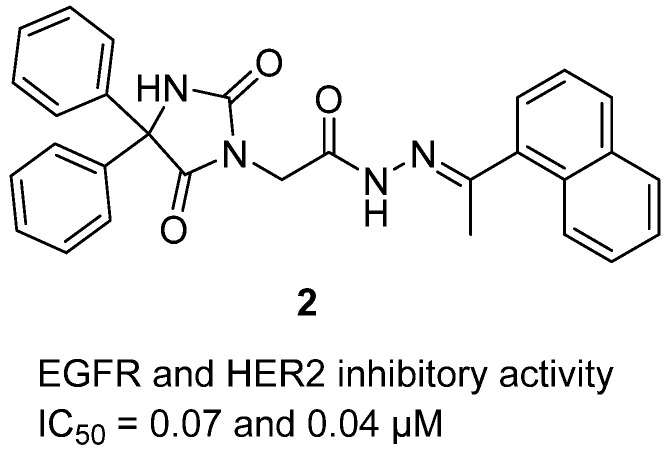 Figure 3
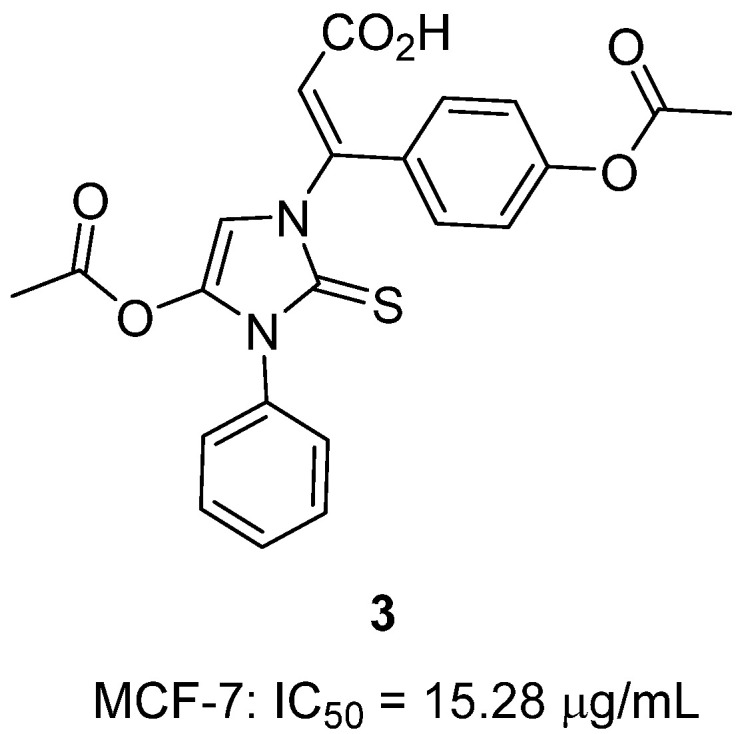 Figure 4
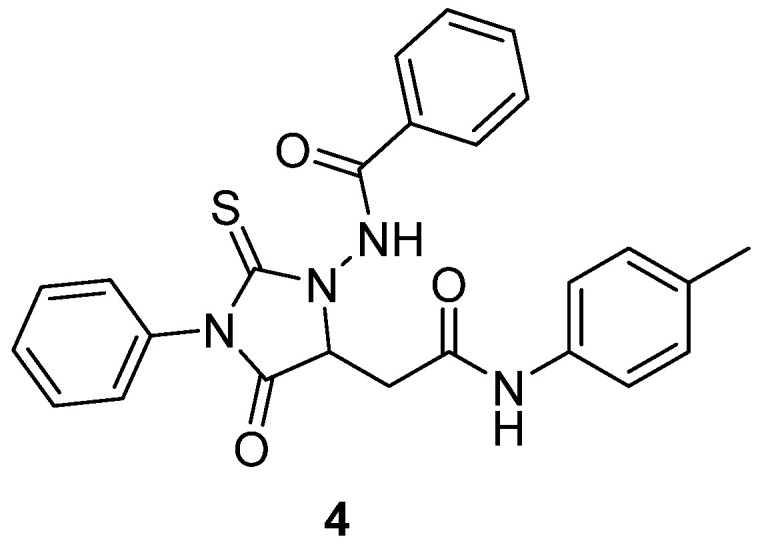 Figure 5
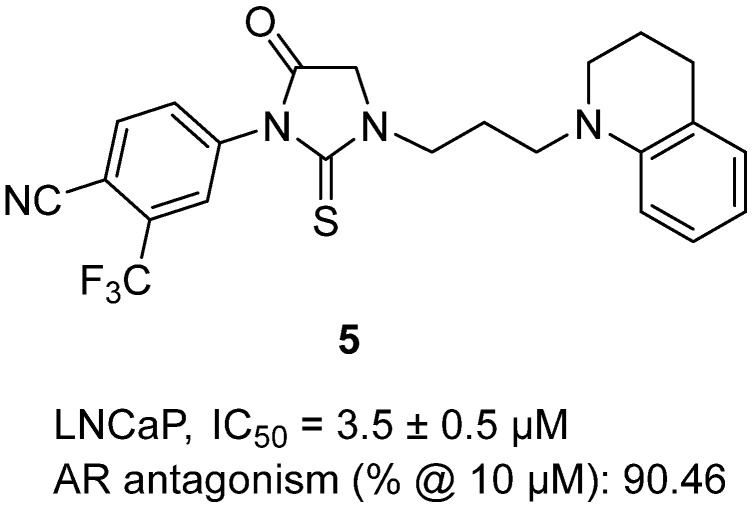 Figure 6
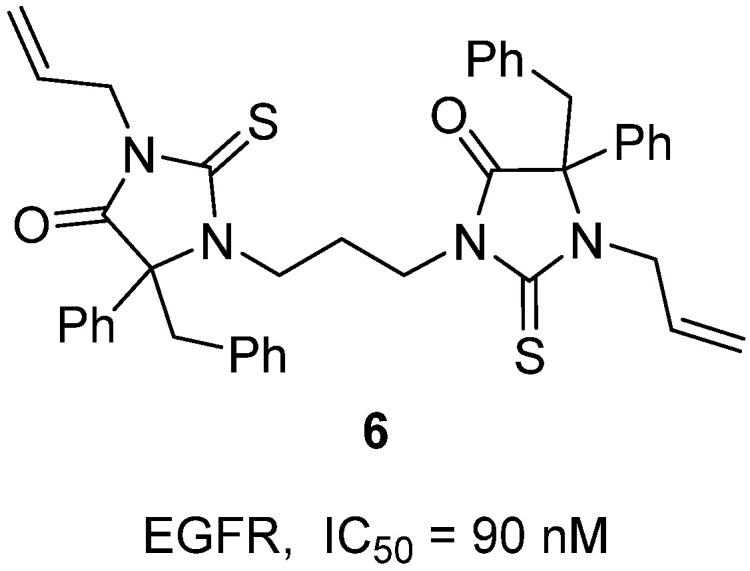 Figure 7
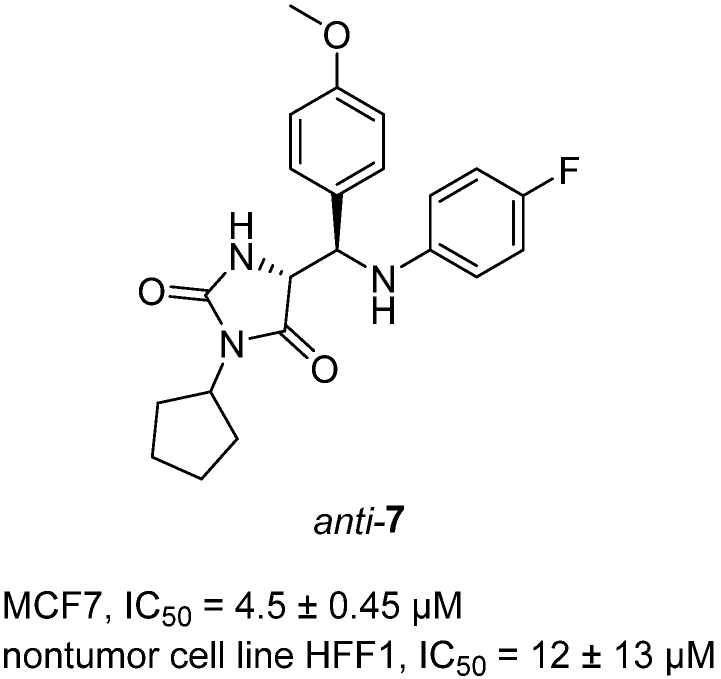 Figure 8
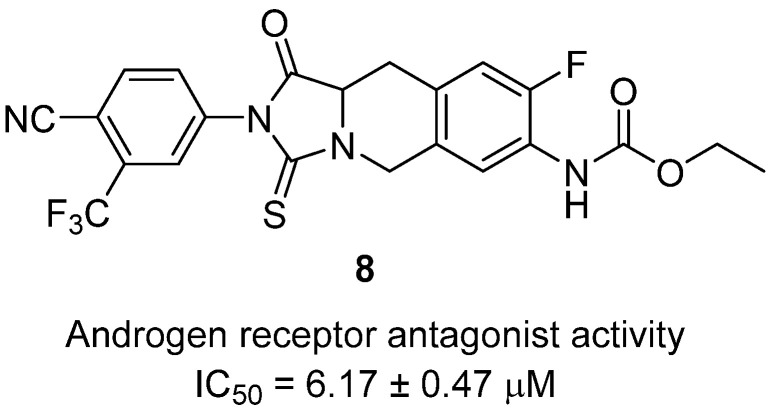 Figure 9
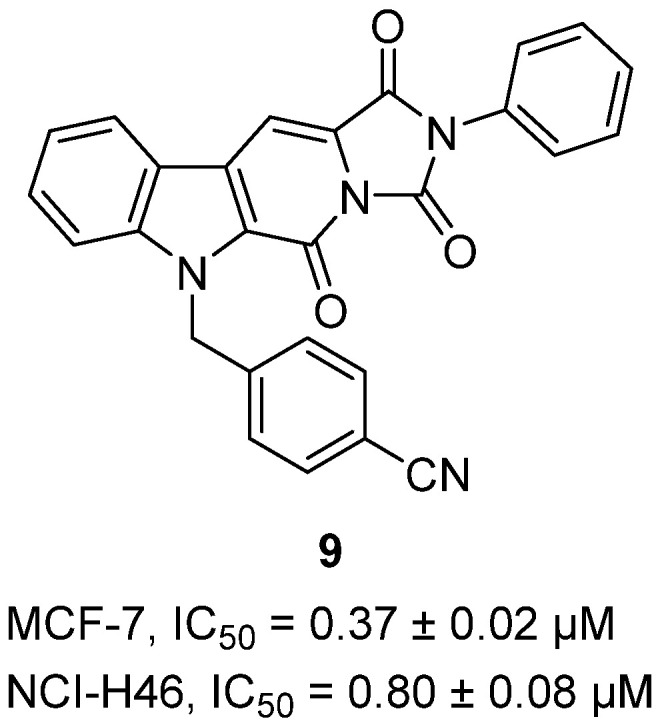 Figure 10
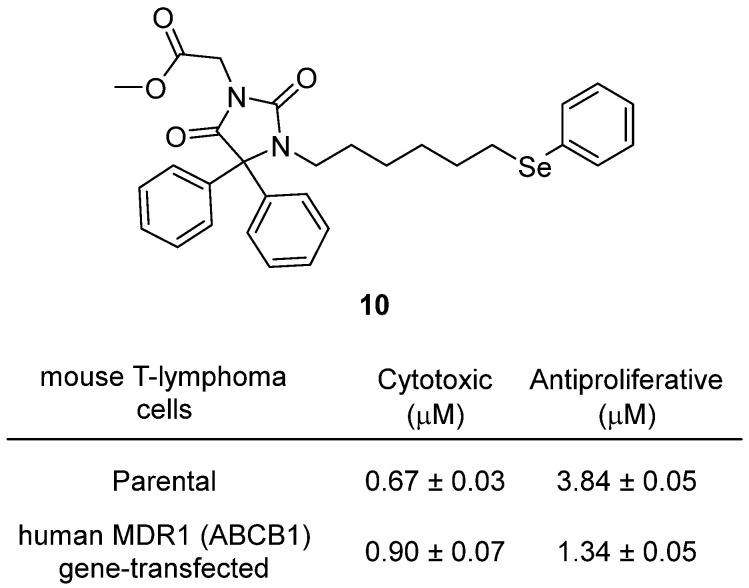 Figure 11
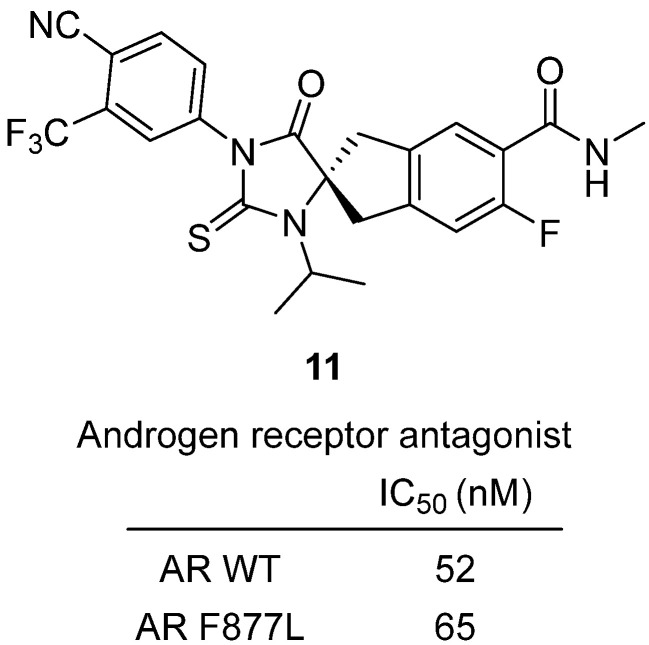 Figure 12
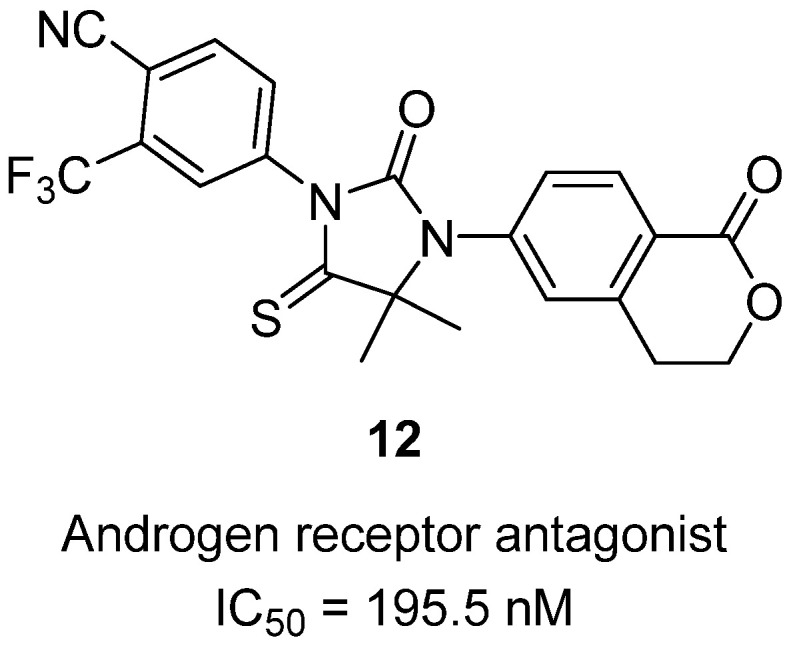 Figure 13
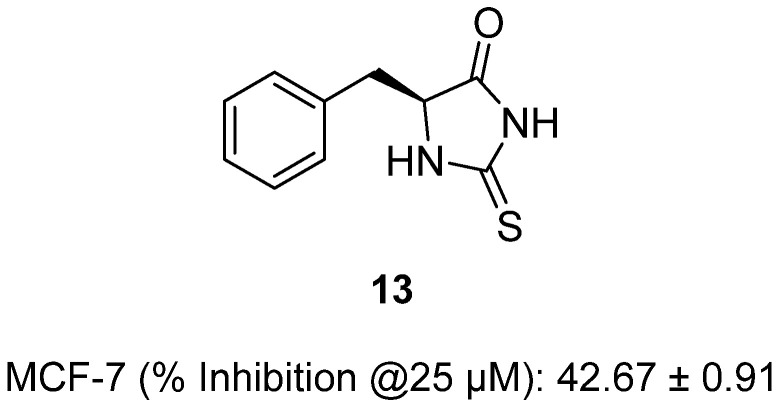 Figure 14
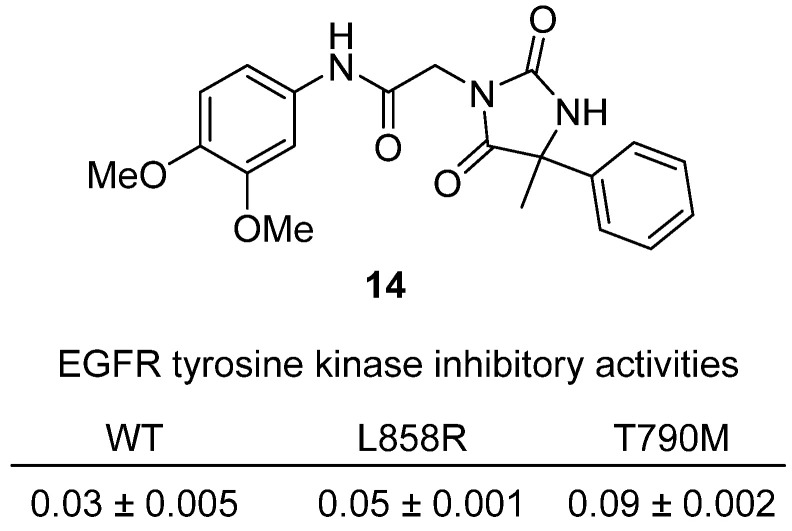 Figure 15
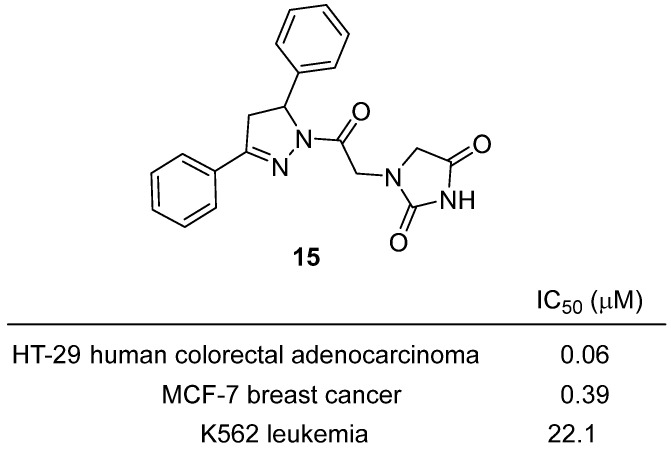 Figure 16
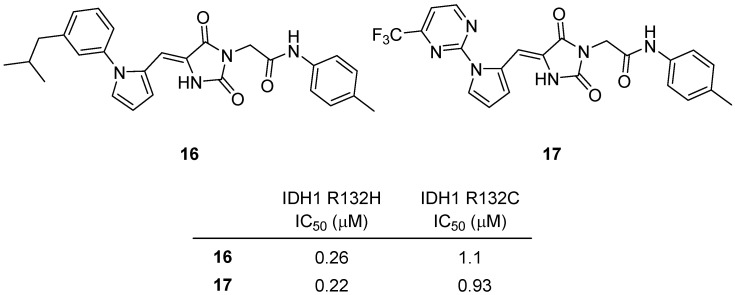 Figure 17
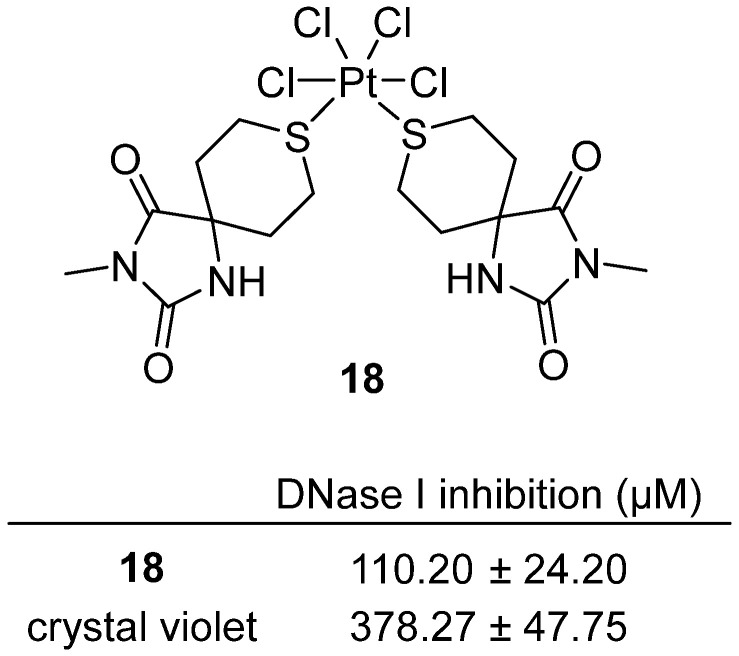 Figure 18
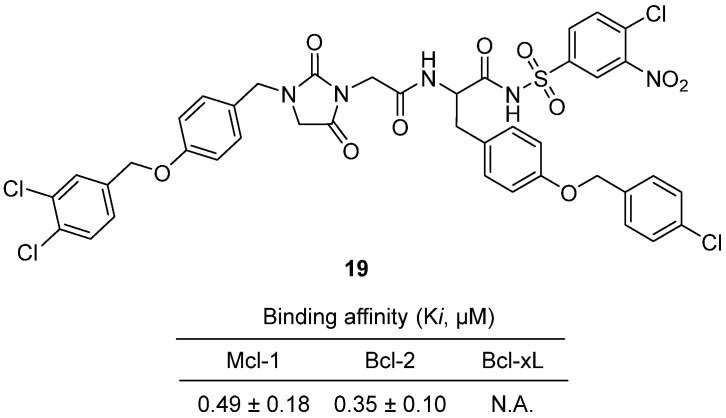 Figure 19
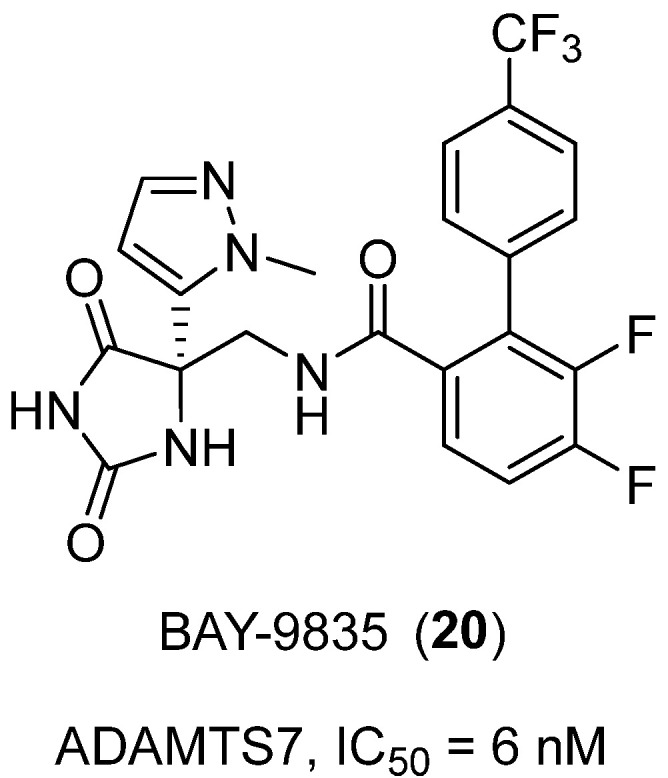 Figure 20
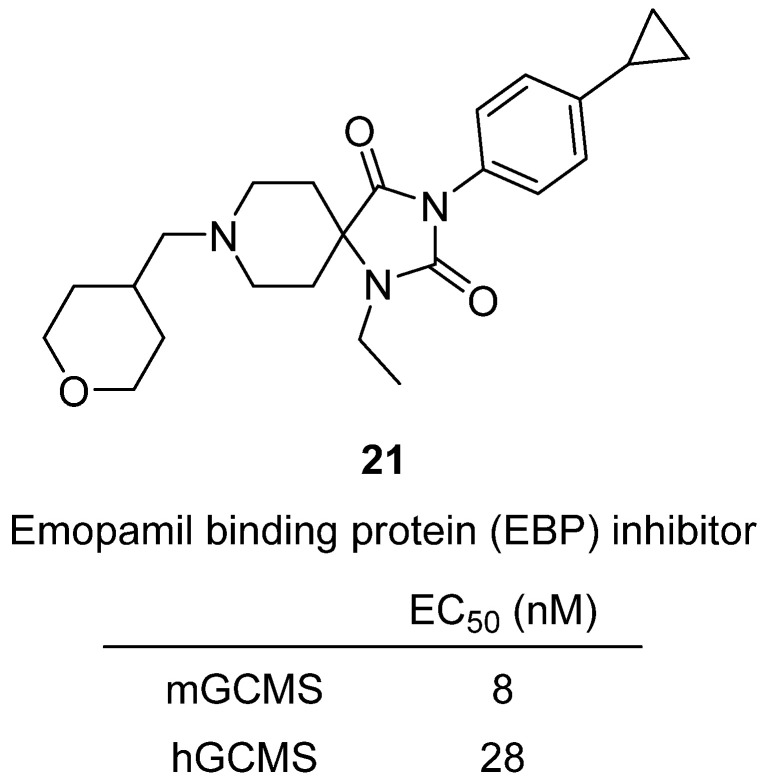 Figure 21
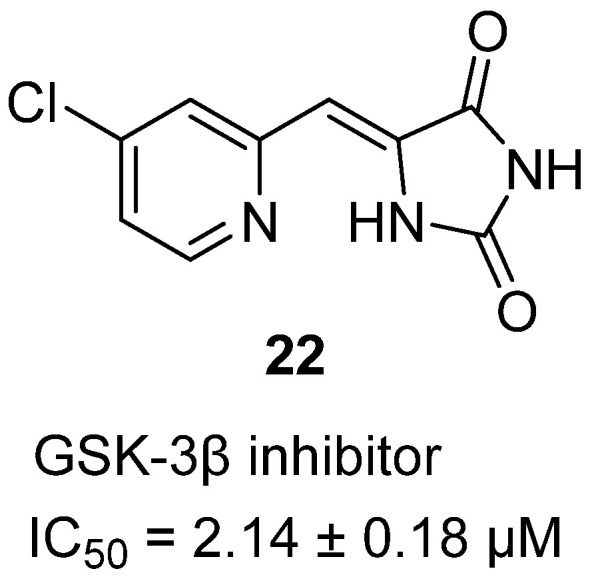 Figure 22
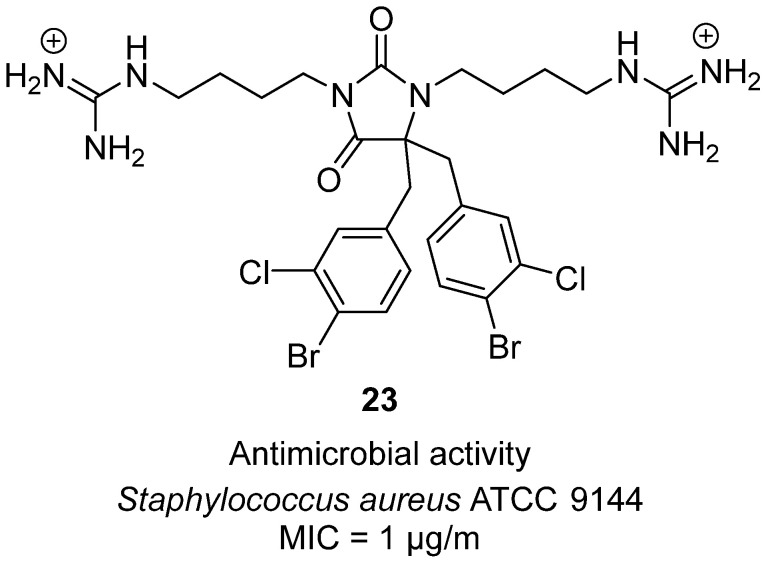 Figure 23
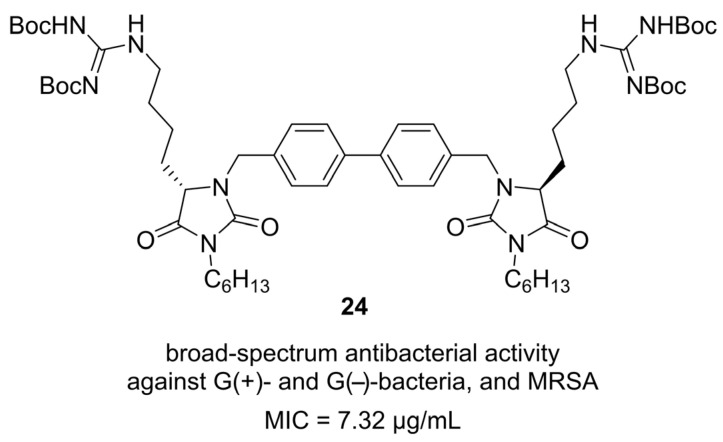 Figure 24
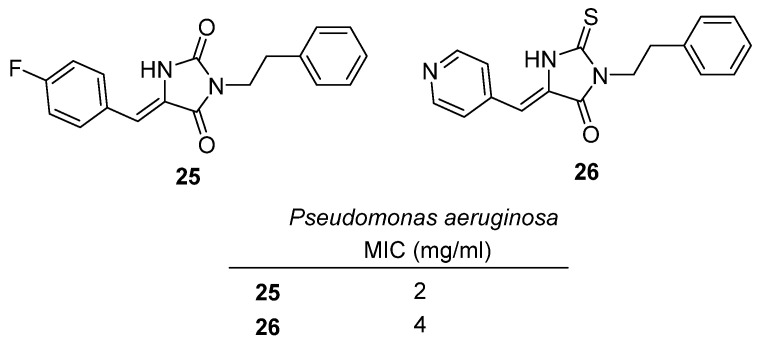 Figure 25
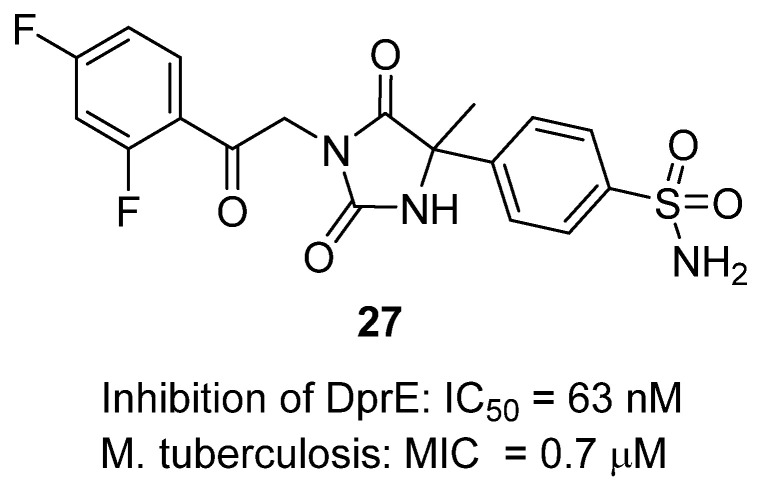 Figure 26
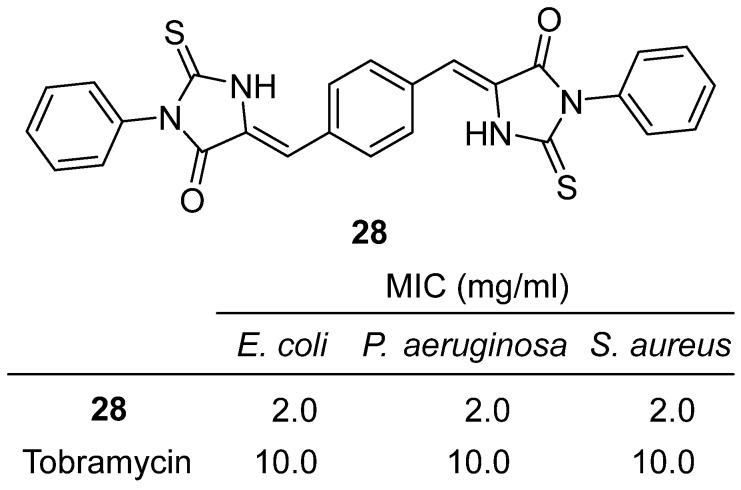 Figure 27
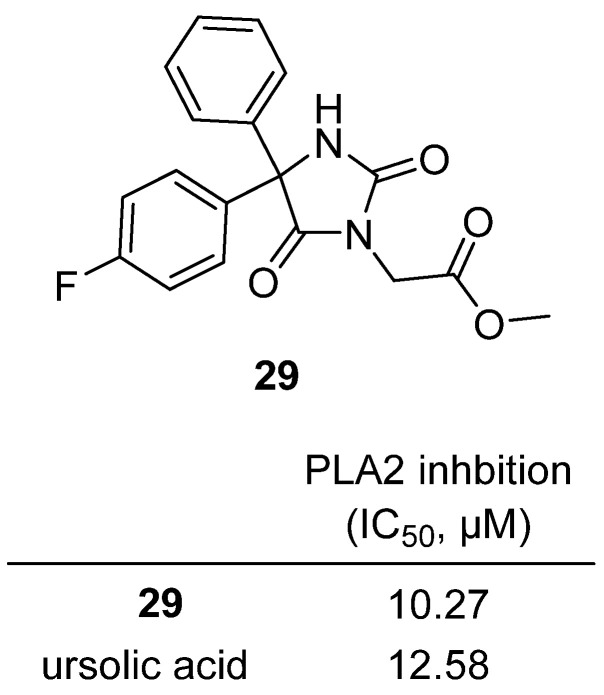 Figure 28
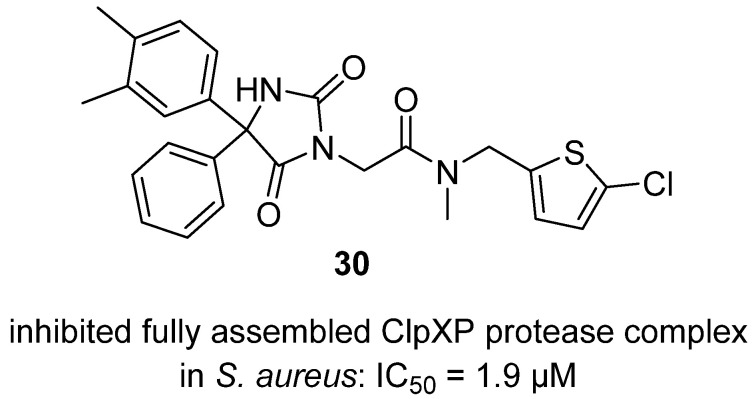 Figure 29
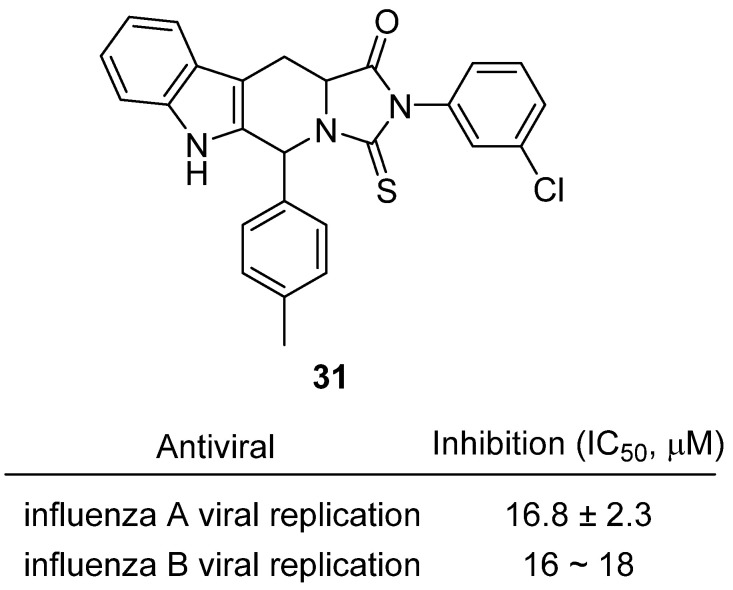 Figure 30
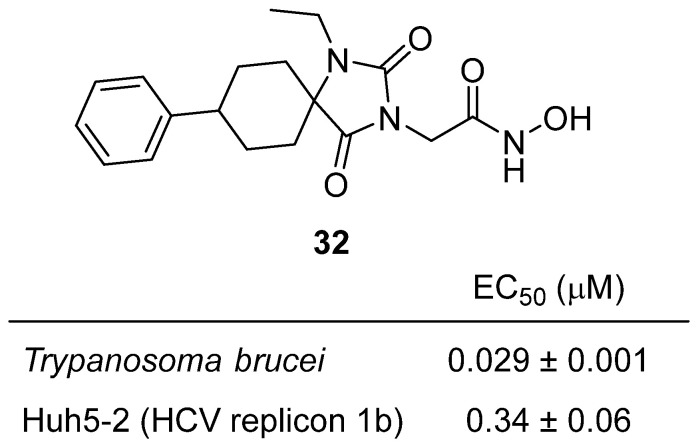 Figure 31
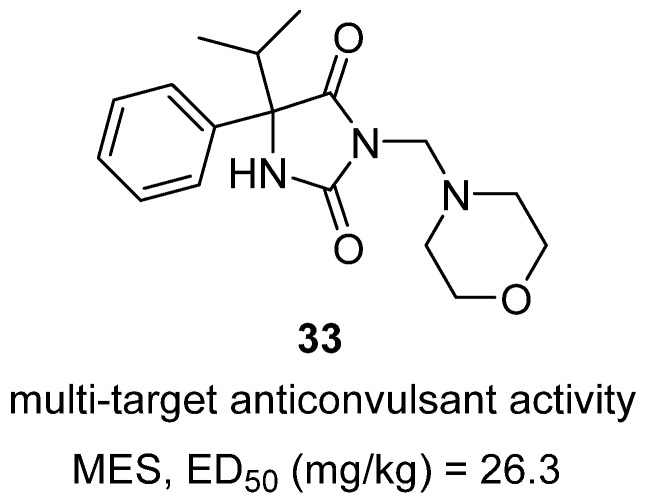 Figure 32
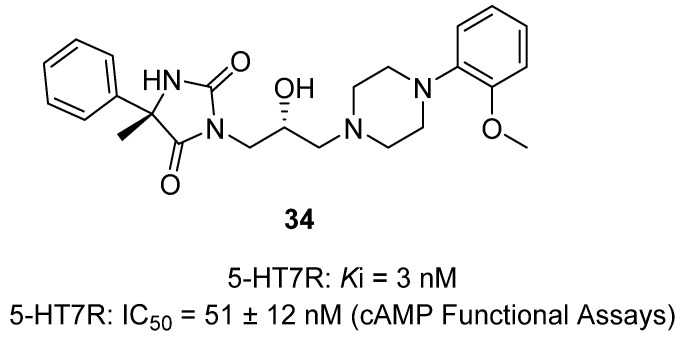 Figure 33
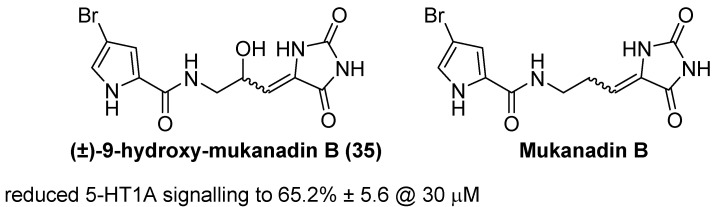 Figure 34
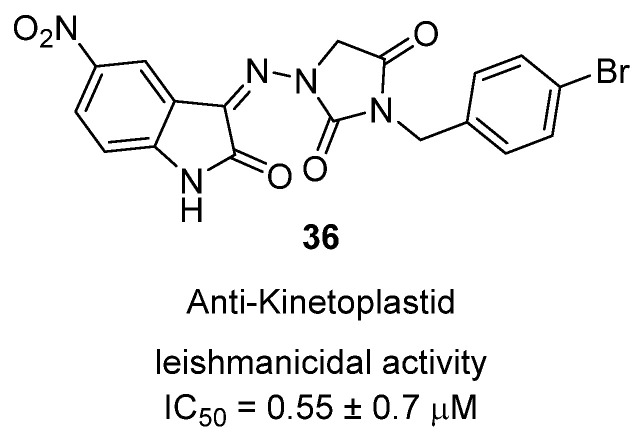 Figure 35
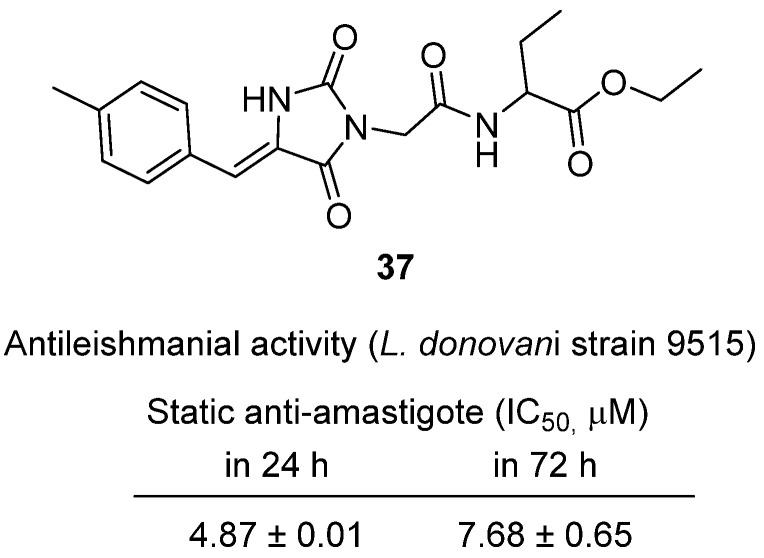 Figure 36
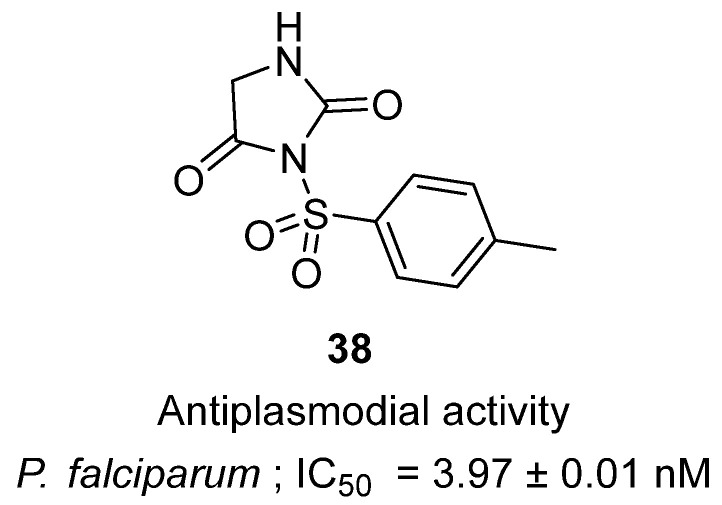 Figure 37
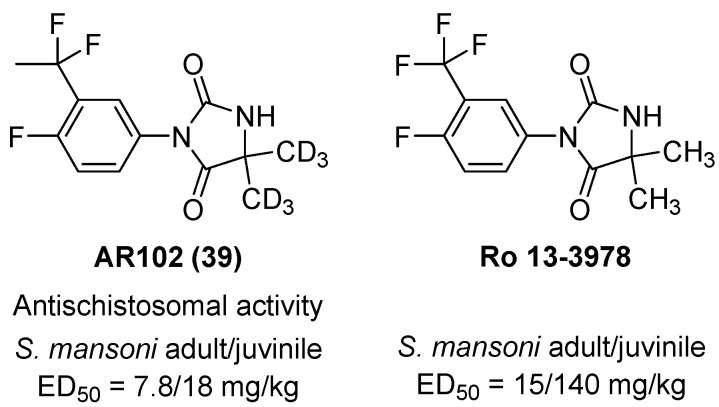 Figure 38
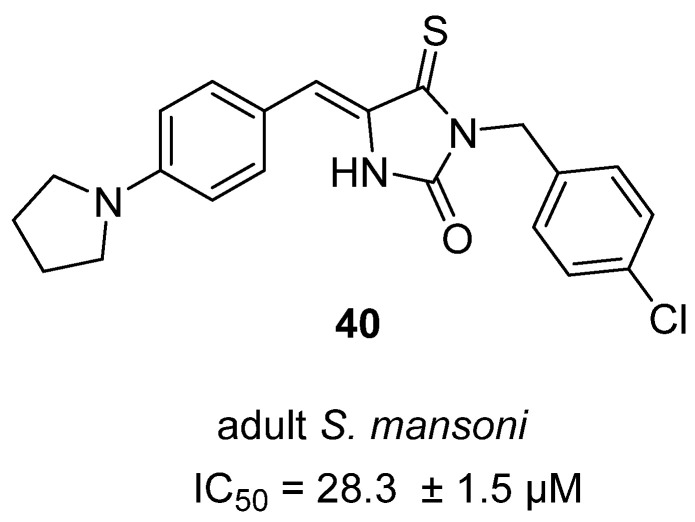 Figure 39
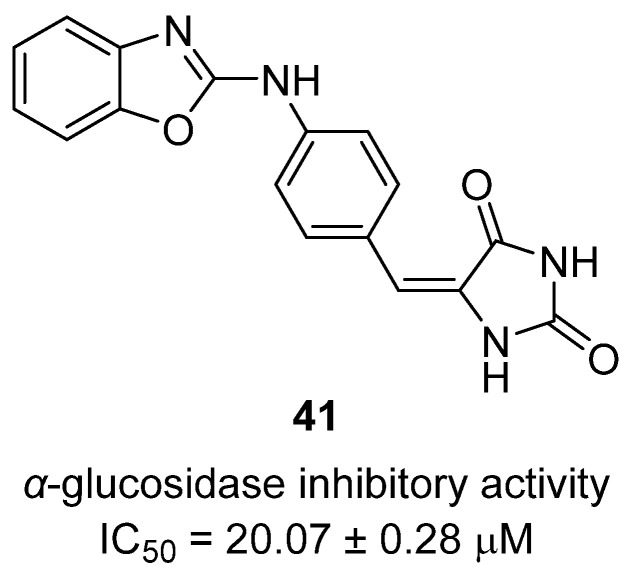 Figure 40
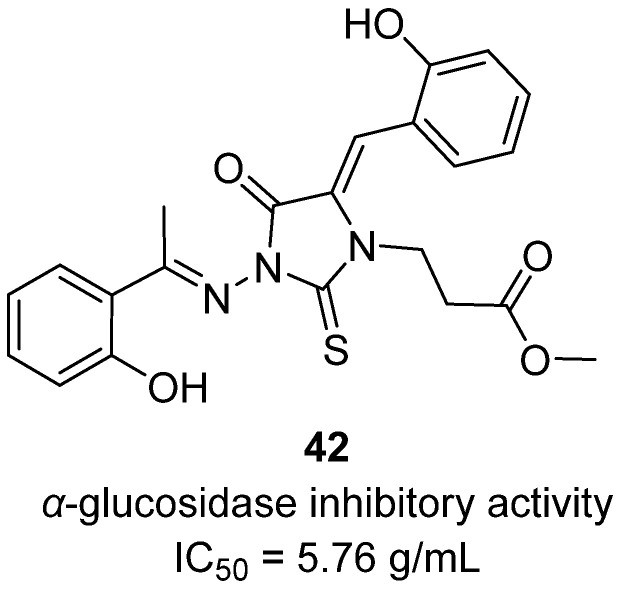 Figure 41
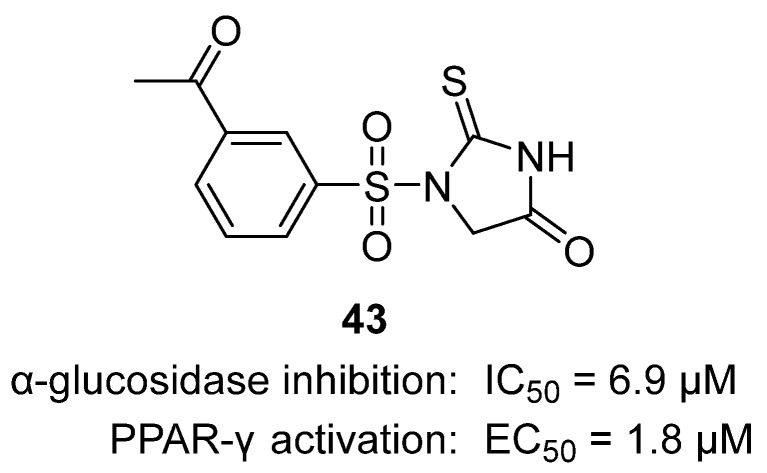 Figure 42
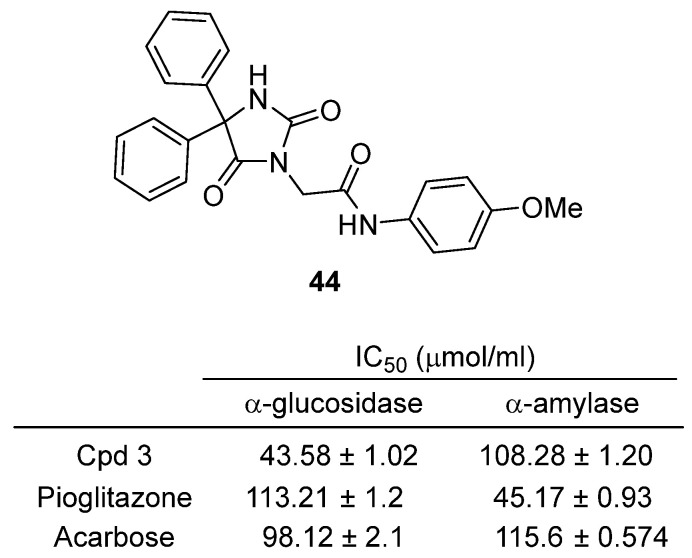 Figure 43
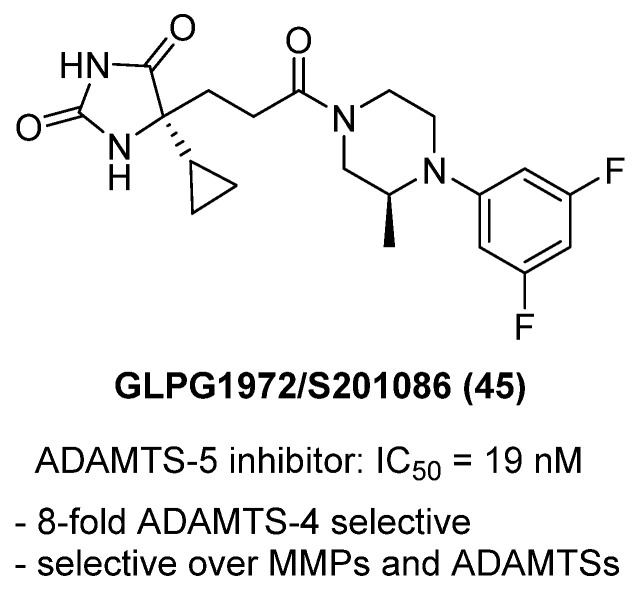 Figure 44
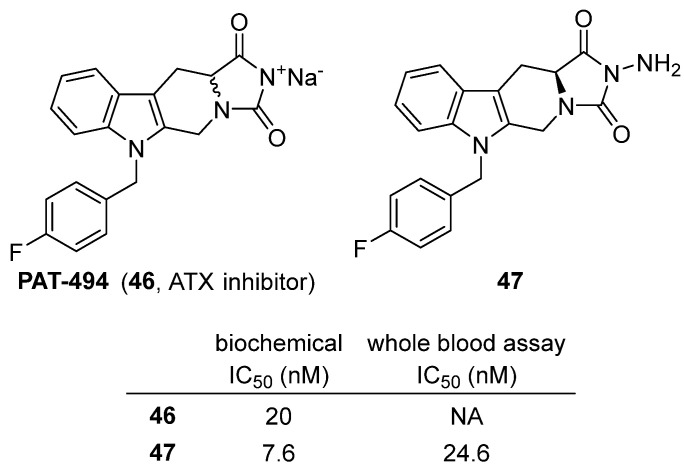 Figure 45
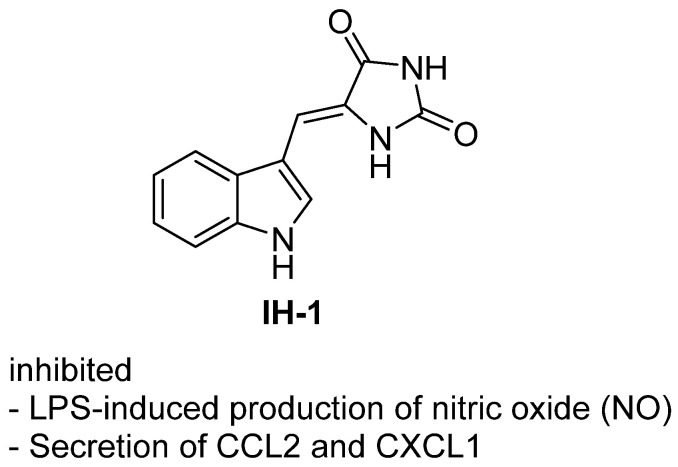 Figure 46
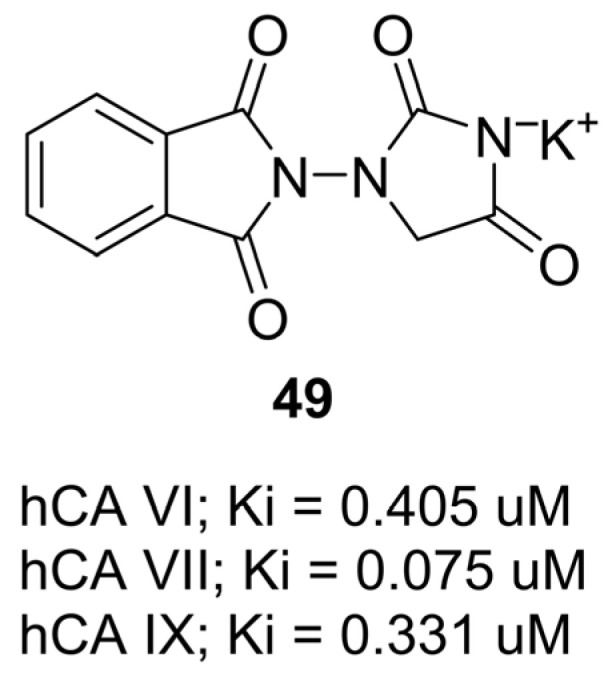 Figure 47
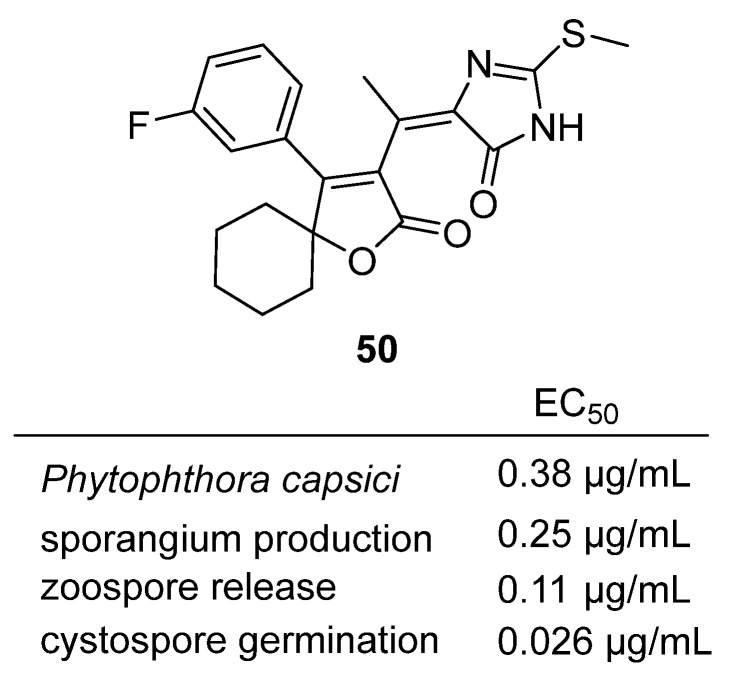 Figure 48
Peer Reviews
No public reviews on file for this paper yet. If you reviewed it on a platform where reviews are public (OpenReview, ICLR, NeurIPS, ICML), you can paste yours below so the community can read it here.
Videos
No videos yet. Explain this paper in a talk, walkthrough, or lecture? Add one.
Taxonomy
TopicsChemical Synthesis and Analysis · Synthesis of heterocyclic compounds · Ferrocene Chemistry and Applications