Diagnostic and Prognostic Value of Serum Glial Fibrillary Acidic Protein in Acute Ischemic Stroke
Luisa Agnello, Anna Maria Ciaccio, Fabio Del Ben, Mario Daidone, Gaetano Pacinella, Anna Masucci, Martina Tamburello, Caterina Maria Gambino, Antonino Tuttolomondo, Marcello Ciaccio

TL;DR
This study shows that a protein called GFAP in blood can help diagnose and predict outcomes in stroke patients.
Contribution
The study demonstrates GFAP's diagnostic and prognostic value in acute ischemic stroke for the first time.
Findings
GFAP levels were significantly higher in stroke patients compared to healthy controls.
GFAP correlated with stroke severity and disability outcomes.
GFAP showed strong diagnostic accuracy with an AUC of 0.88.
Abstract
Background: Acute ischemic stroke (AIS) remains a major cause of morbidity and mortality, with an unmet need for reliable blood-based biomarkers. Glial fibrillary acidic protein (GFAP), an astrocytic structural protein, is established in hemorrhagic stroke and traumatic brain injury, but its role in AIS remains incompletely defined. Methods: In this retrospective case-control study, we enrolled AIS patients and healthy controls. Serum GFAP was measured within 24 h using the Lumipulse G1200 automated assay. Stroke severity and outcome were assessed with the National Institutes of Health Stroke Scale (NIHSS) and functional outcome with the modified Rankin Scale (mRS). Associations with clinical measures were explored using Spearman correlation, and diagnostic accuracy was determined by ROC analysis. Results: GFAP levels were significantly higher in AIS patients than controls (median 132.9…
Genes, proteins, chemicals, diseases, species, mutations and cell lines named across the full text — each resolved to its canonical identifier and authoritative record.
Click any figure to enlarge with its caption.
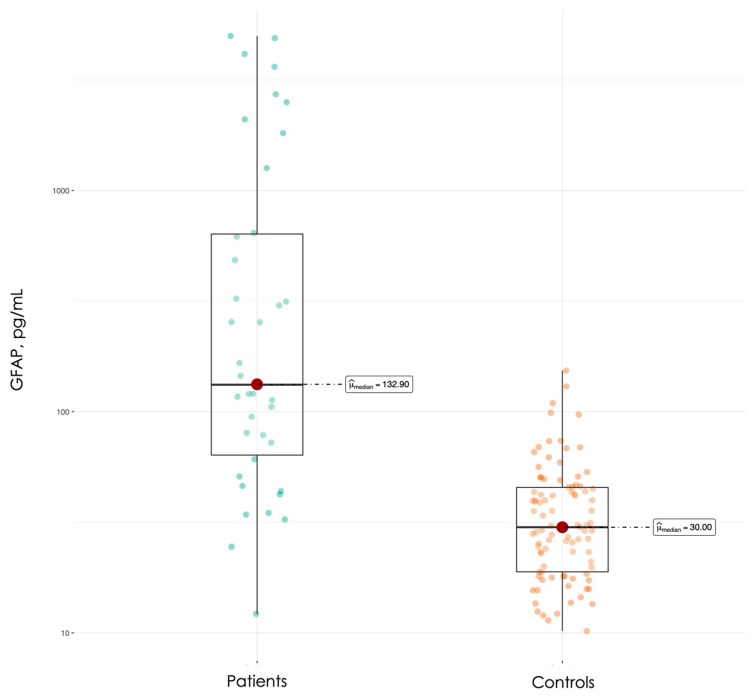 Figure 1
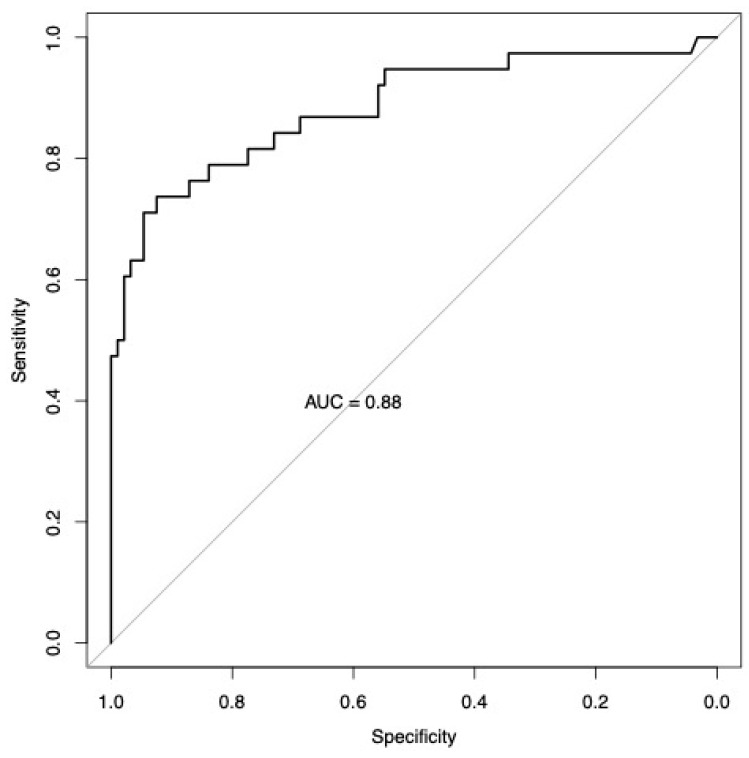 Figure 2
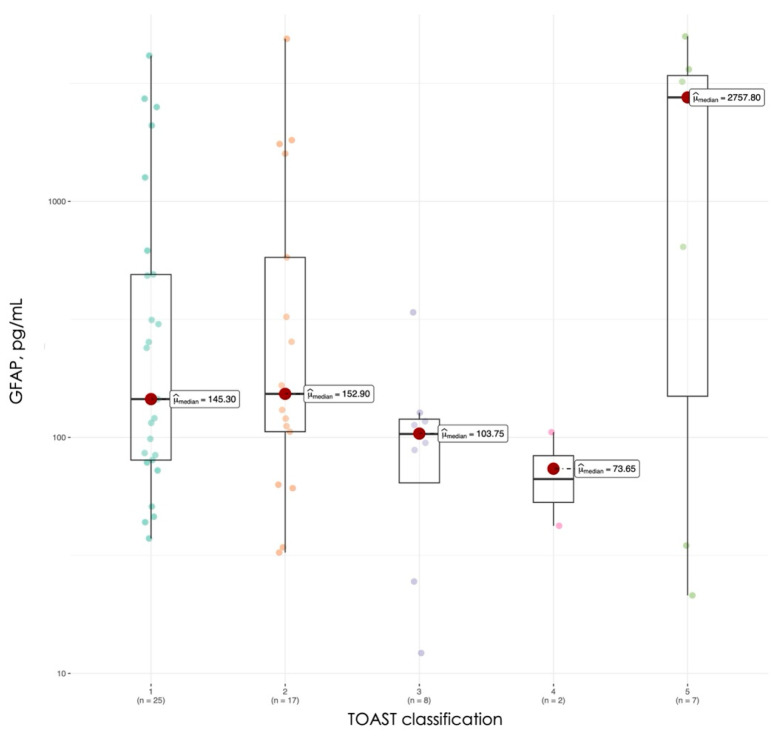 Figure 3
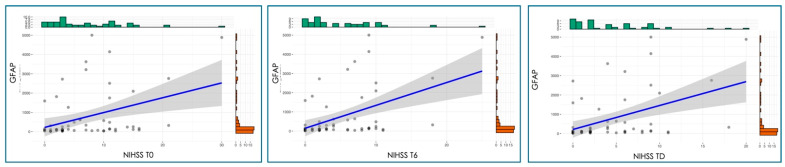 Figure 4
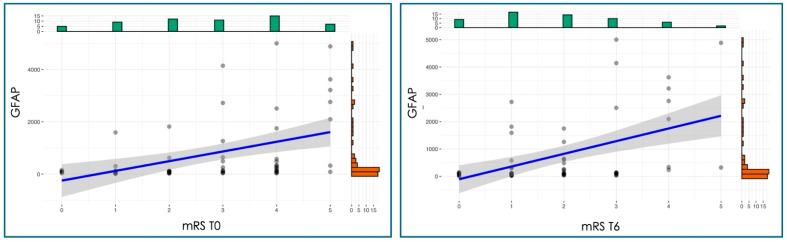 Figure 5
Peer Reviews
No public reviews on file for this paper yet. If you reviewed it on a platform where reviews are public (OpenReview, ICLR, NeurIPS, ICML), you can paste yours below so the community can read it here.
Videos
No videos yet. Explain this paper in a talk, walkthrough, or lecture? Add one.
Taxonomy
TopicsS100 Proteins and Annexins · Intracerebral and Subarachnoid Hemorrhage Research · Acute Ischemic Stroke Management