The First Poly(A) Polymerase from Alphaproteobacteria
Igor P. Oscorbin, Maria S. Kunova, Maxim L. Filipenko

TL;DR
Researchers identified and characterized the first poly(A) polymerase from Alphaproteobacteria, expanding understanding of these enzymes in bacterial RNA metabolism.
Contribution
The first functional characterization of a poly(A) polymerase from Alphaproteobacteria is presented.
Findings
Mli PAP from Marinobacter lipolyticus shares 54.8% sequence identity with E. coli PAP-1.
Mli PAP prefers ATP and Mg2+ as cofactors, with salt-dependent activity favoring KCl over NaCl.
The enzyme's activity and thermostability are comparable to E. coli PAP-1 despite its non-halophilic nature.
Abstract
Bacterial poly(A) polymerases (PAPs) play an important role in RNA metabolism but remain poorly characterized outside Gammaproteobacteria. Here, we cloned and biochemically characterized the first PAP from Alphaproteobacteria, specifically from Marinobacter lipolyticus (Mli PAP). Using homology-based screening against E. coli PAP-1, we identified Mli PAP, sharing 54.8% sequence identity with its E. coli counterpart. The enzyme was expressed in E. coli but formed insoluble inclusion bodies; the active enzyme was purified as a fusion protein with the DsbA protein and used for functional assays. Mli PAP exhibited optimal activity at 30 °C and similar thermostability to E. coli PAP-1. ATP was the preferred substrate, with Km comparable to E. coli PAP-1 (1.61 mM and 1.70 mM, respectively), and Mg2+ (10 mM) was identified as the optimal cofactor. Mli PAP displayed salt-dependent activity,…
Genes, proteins, chemicals, diseases, species, mutations and cell lines named across the full text — each resolved to its canonical identifier and authoritative record.
Click any figure to enlarge with its caption.
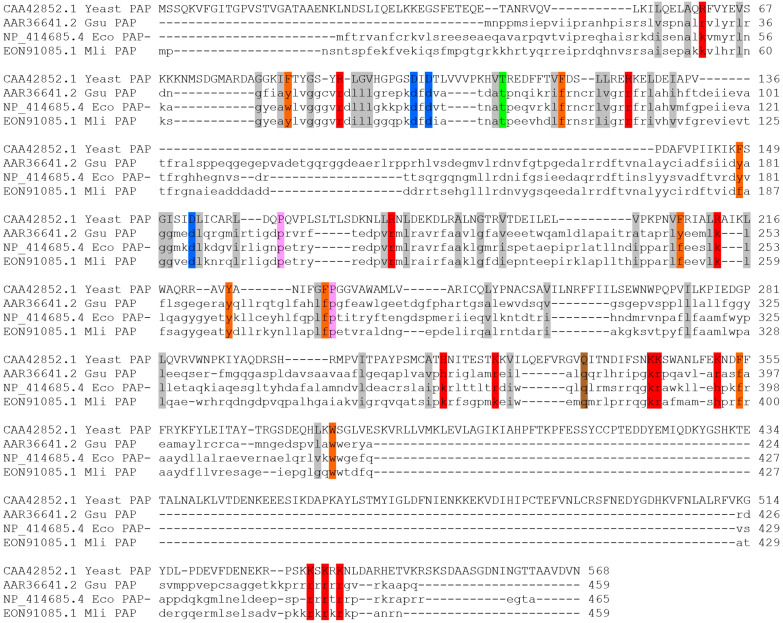 Figure 1
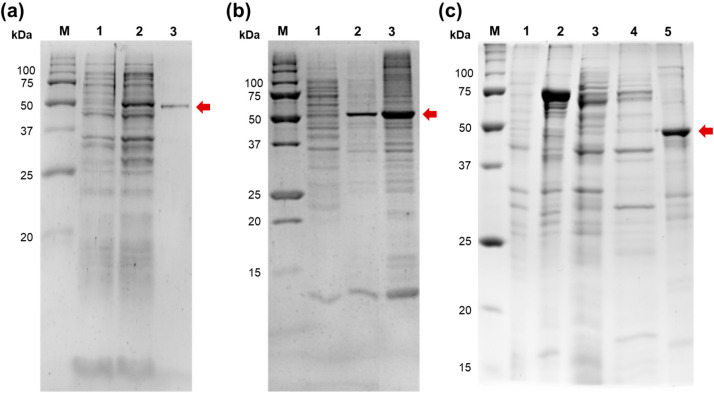 Figure 2
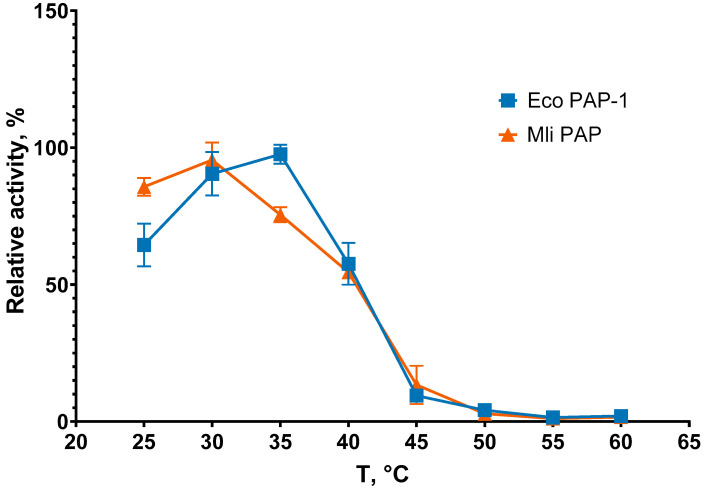 Figure 3
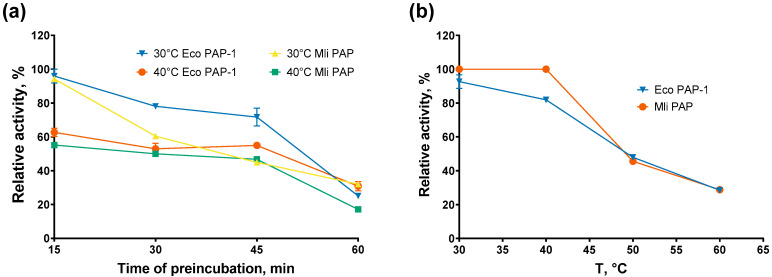 Figure 4
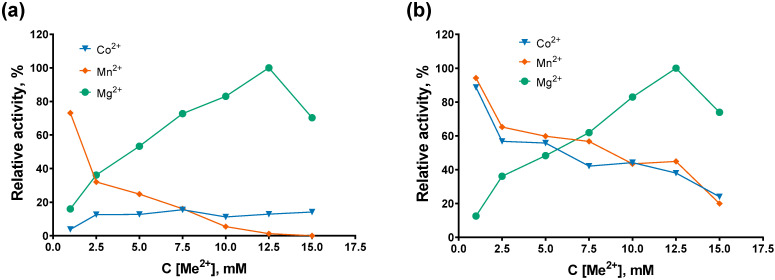 Figure 5
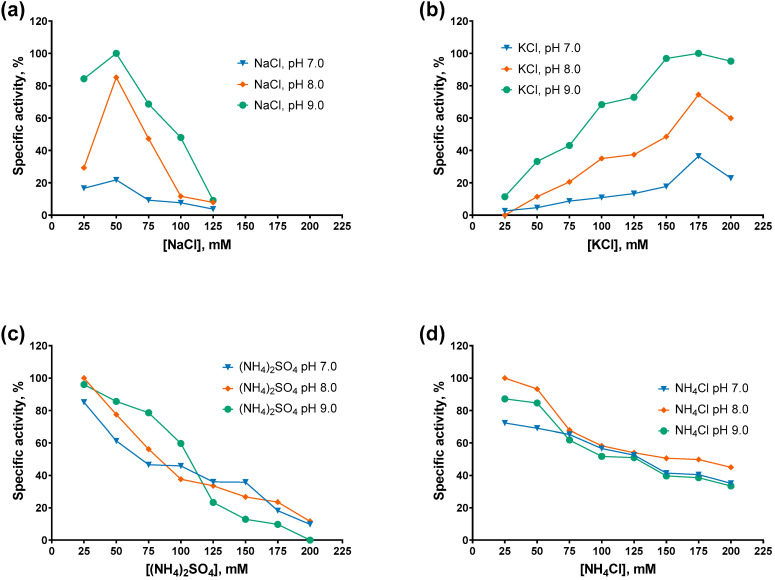 Figure 6
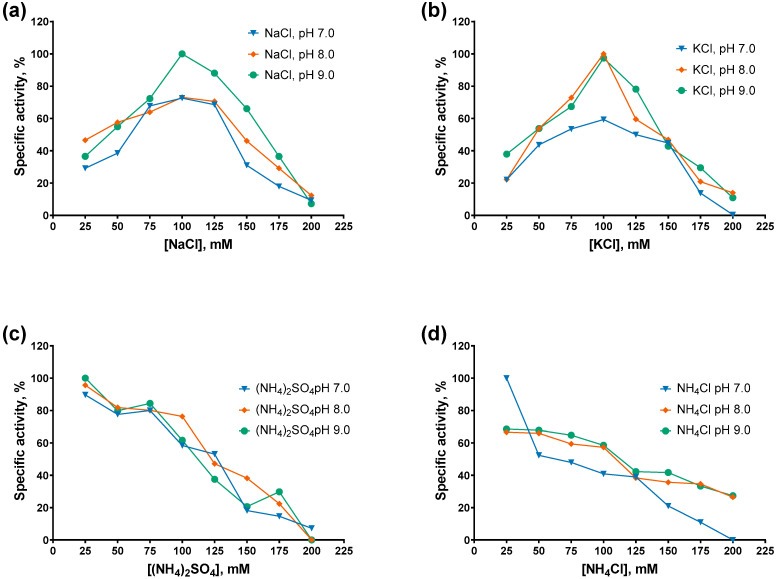 Figure 7
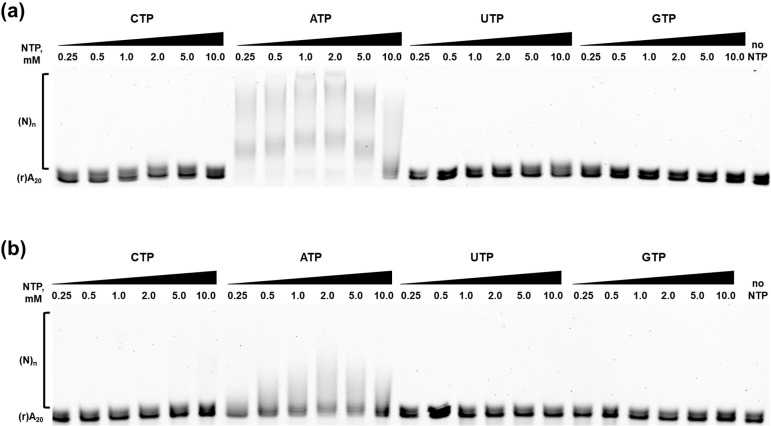 Figure 8
Peer Reviews
No public reviews on file for this paper yet. If you reviewed it on a platform where reviews are public (OpenReview, ICLR, NeurIPS, ICML), you can paste yours below so the community can read it here.
Videos
No videos yet. Explain this paper in a talk, walkthrough, or lecture? Add one.
Taxonomy
TopicsRNA and protein synthesis mechanisms · RNA Research and Splicing · Bacterial Genetics and Biotechnology