Interatrial Conduction Block in Pediatric Patients with Ostium Secundum Atrial Septal Defect
Silvia Garibaldi, Fabiana Lucà, Francesca Valeria Contini, Alessandra Pizzuto, Gianluca Mirizzi, Massimiliano Cantinotti, Martina Nesti, Luca Panchetti, Umberto Startari, Marcello Piacenti, Nadia Assanta, Andrea Rossi, Federico Landra, Giuseppe Santoro

TL;DR
The study found that about a quarter of children with a heart defect called ASD had a condition called interatrial block, which may be linked to future heart rhythm issues.
Contribution
This study is the first to systematically assess the prevalence and correlates of interatrial block in pediatric patients with large secundum atrial septal defects.
Findings
Interatrial block was present in 24.3% of pediatric patients with large secundum ASD.
Interatrial block prevalence remained unchanged after ASD closure, with no significant association to defect size or device characteristics.
Anthropometric variables like weight and height were significantly correlated with interatrial block occurrence.
Abstract
Background: Atrial arrhythmias represent a frequent long-term complication in patients with atrial septal defects (ASDs). Interatrial block (IAB), reflecting delayed or impaired conduction across Bachmann’s bundle, has been proposed as an electrophysiological substrate predisposing to atrial arrhythmogenesis. However, evidence regarding its prevalence and clinical correlates in pediatric patients with ASD remains limited. The present study aimed to characterize interatrial conduction patterns and assess the occurrence of IAB in children with large secundum ASD undergoing percutaneous closure. Methods: Between January 2020 and March 2024, 37 consecutive pediatric patients (median age 6 years, range 5–11) with large ostium secundum ASD were included in a retrospective analysis of a prospectively maintained institutional database. Standard 12-lead electrocardiograms were recorded before…
Genes, proteins, chemicals, diseases, species, mutations and cell lines named across the full text — each resolved to its canonical identifier and authoritative record.
Click any figure to enlarge with its caption.
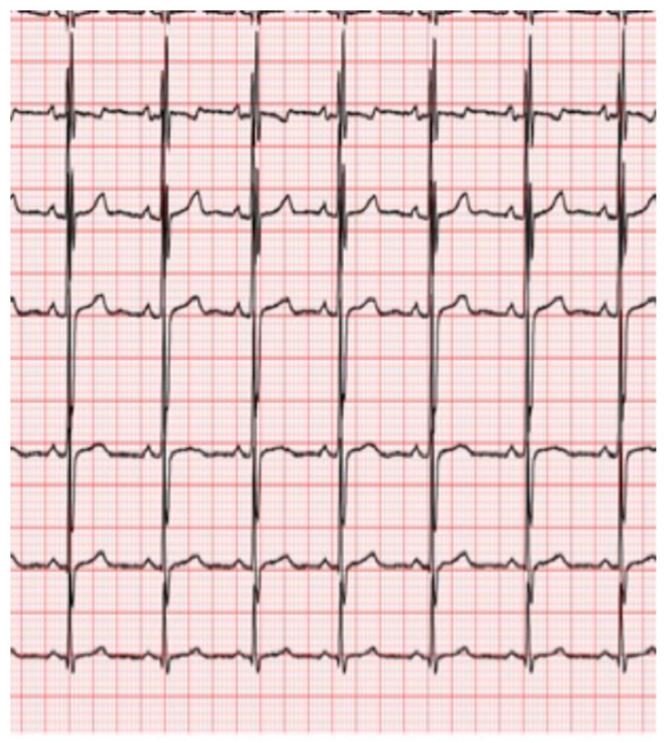 Figure 1
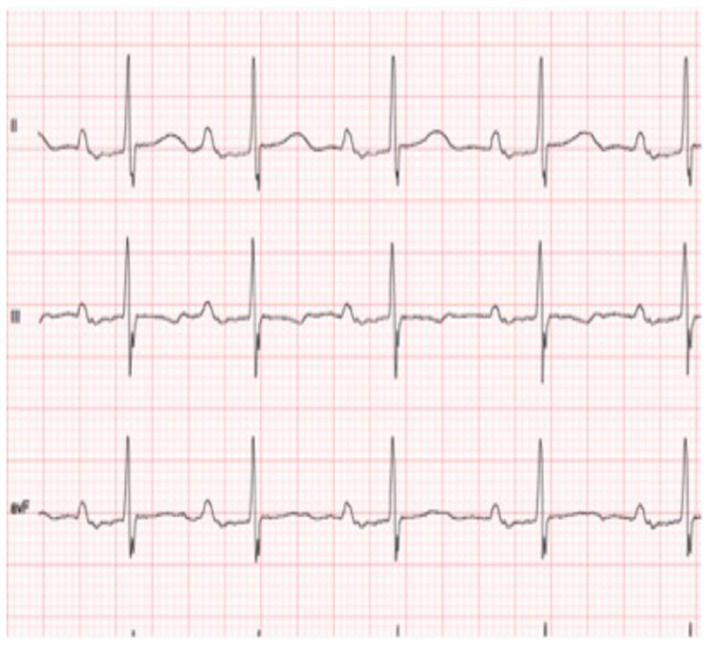 Figure 2
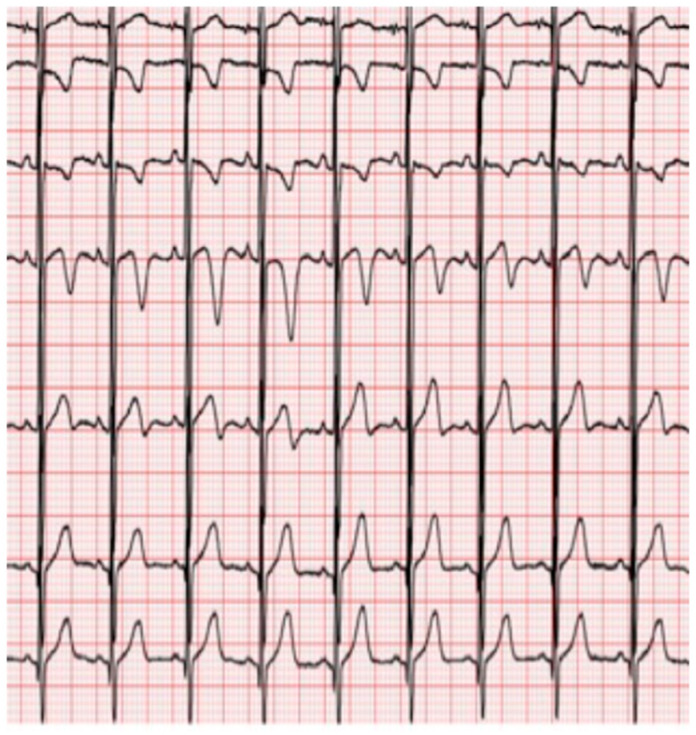 Figure 3
Peer Reviews
No public reviews on file for this paper yet. If you reviewed it on a platform where reviews are public (OpenReview, ICLR, NeurIPS, ICML), you can paste yours below so the community can read it here.
Videos
No videos yet. Explain this paper in a talk, walkthrough, or lecture? Add one.
Taxonomy
TopicsAtrial Fibrillation Management and Outcomes · Cardiovascular and Diving-Related Complications · Cardiac Arrhythmias and Treatments