Automated and Low Computational Cost Thermo-Mechanical Simulation of Arbitrary GMAW T-Joint Welds Using a Moving Heat Source
Sebastian Santarrosa-Rodriguez, Israel Martínez-Ramírez, Motomichi Yamamoto, Rocio A. Lizarraga-Morales, Felipe J. Torres, Isaí Espinoza-Torres, Víctor Manuel Vega-Gutierrez

TL;DR
This paper introduces an automated, low-cost simulation method for predicting thermal and mechanical effects in GMAW T-joint welds using finite element analysis.
Contribution
The novelty is an automated APDL-based thermo-mechanical simulation method with a volume element strategy for reduced computational cost.
Findings
The method reduces computational time by up to 50% while maintaining accuracy.
Validation with experimental results shows good agreement in temperature and displacement.
The approach enables efficient parametric analysis of T-joint geometries and welding conditions.
Abstract
Gas Metal Arc Welding (GMAW) is widely adopted in automated manufacturing industries where the accurate prediction of thermal fields and welding-induced distortions is essential to ensure joint integrity of the parts; however, finite element modeling, as the most reliable non-destructive predictive approach, remains time-consuming and highly user-specialized. This work presents an automated and low computational cost thermo-mechanical finite element methodology implemented in Ansys Parametric Design Language (APDL) for the parametric analysis of GMAW T-joints, integrating automated geometry generation, meshing, heat source implementation, and thermo-mechanical modeling for different beam and weld seam dimensions under continuous or intermittent single-pass configurations. A volume element selection strategy is introduced to limit heat input calculations to the active weld pool region,…
Genes, proteins, chemicals, diseases, species, mutations and cell lines named across the full text — each resolved to its canonical identifier and authoritative record.
Click any figure to enlarge with its caption.
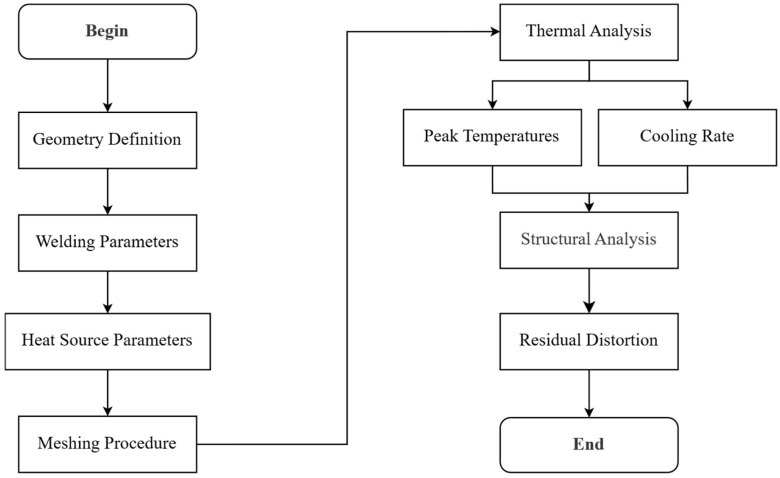 Figure 1
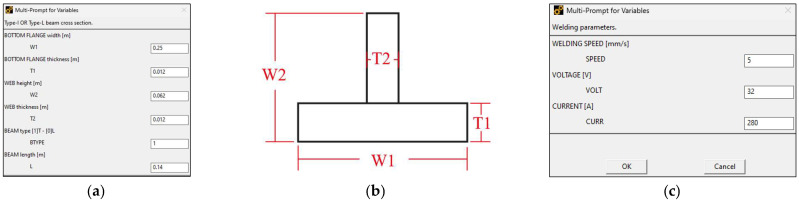 Figure 2
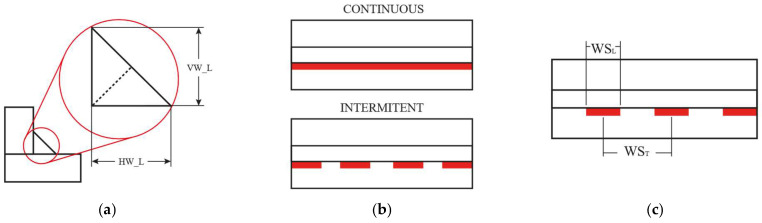 Figure 3
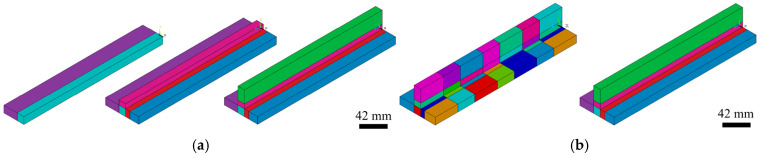 Figure 4
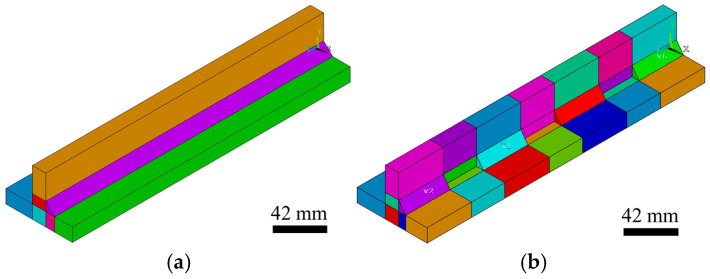 Figure 5
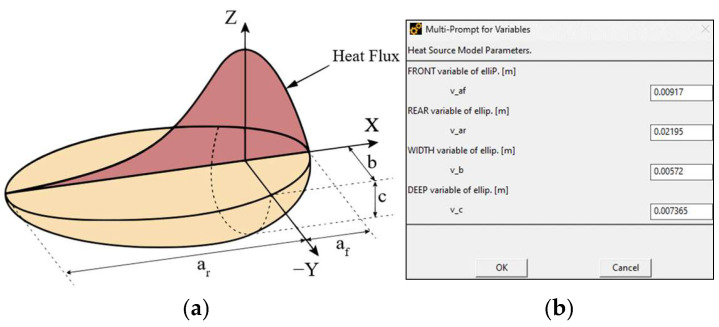 Figure 6
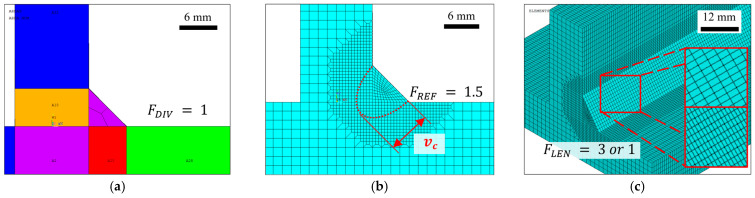 Figure 7
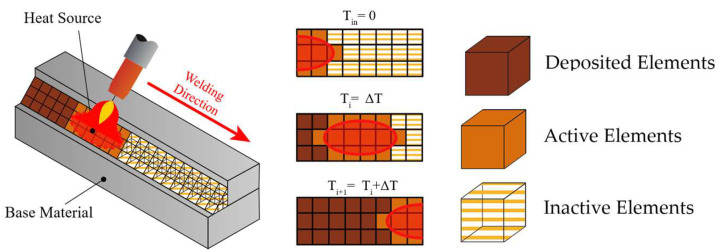 Figure 8
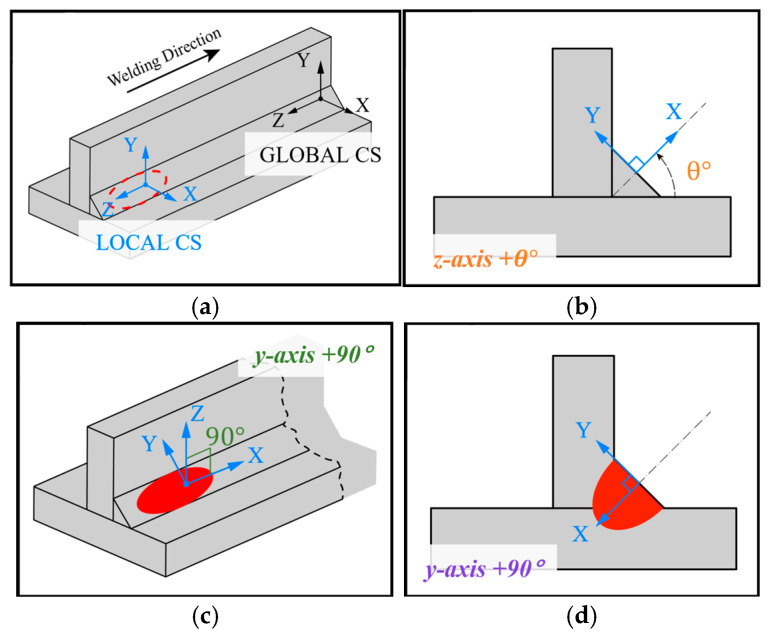 Figure 9
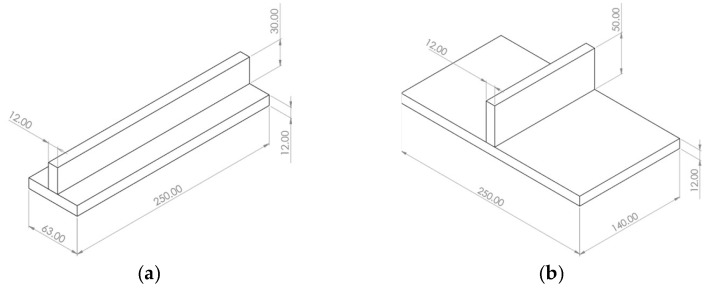 Figure 10
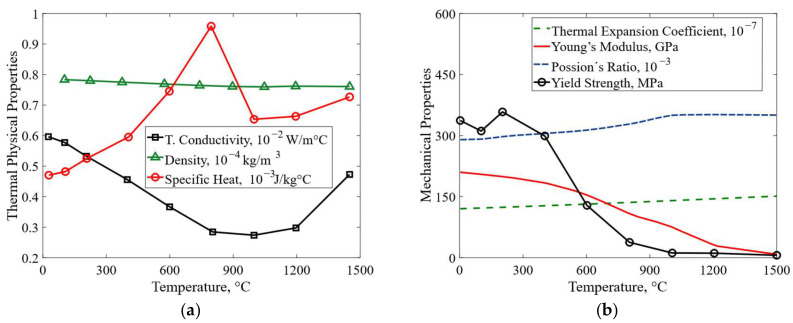 Figure 11
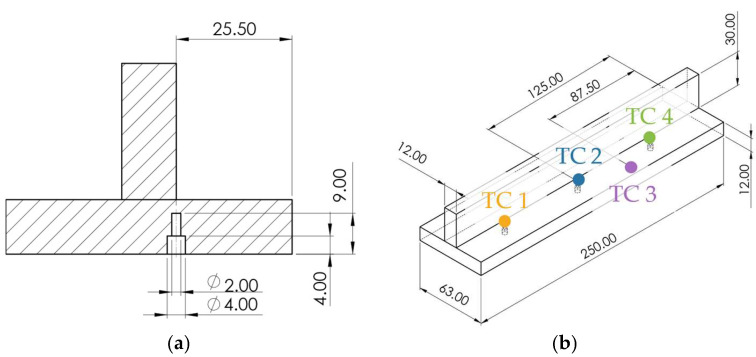 Figure 12
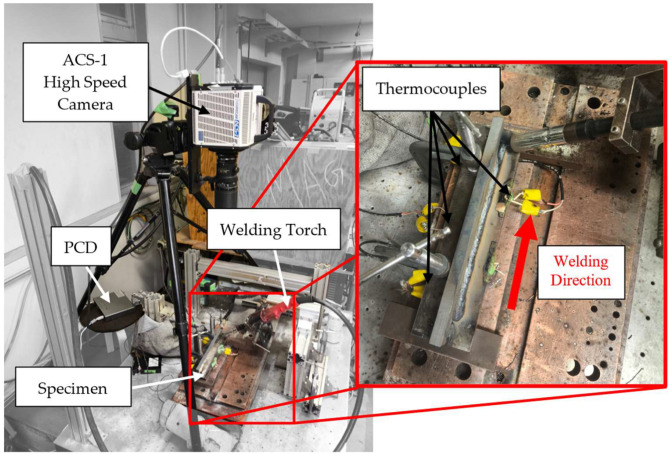 Figure 13
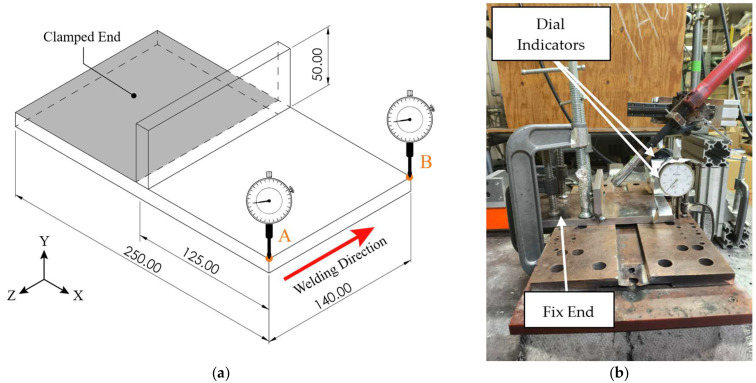 Figure 14
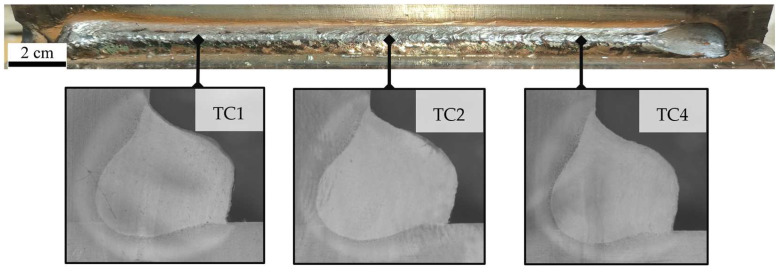 Figure 15
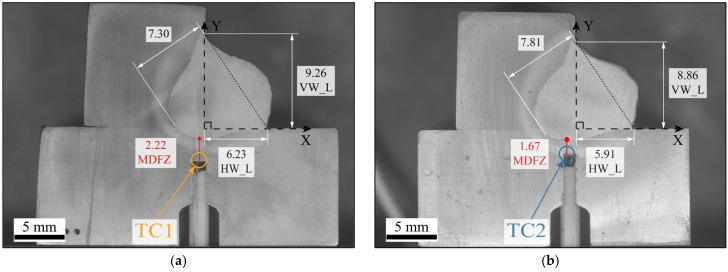 Figure 16
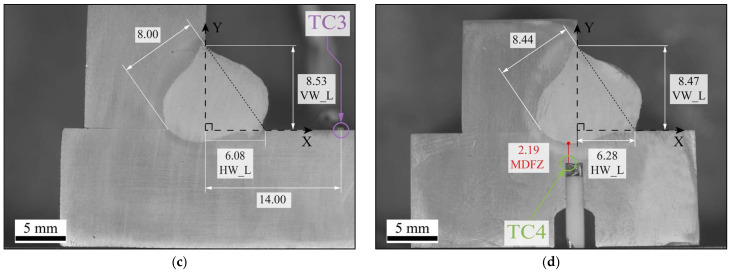 Figure 17
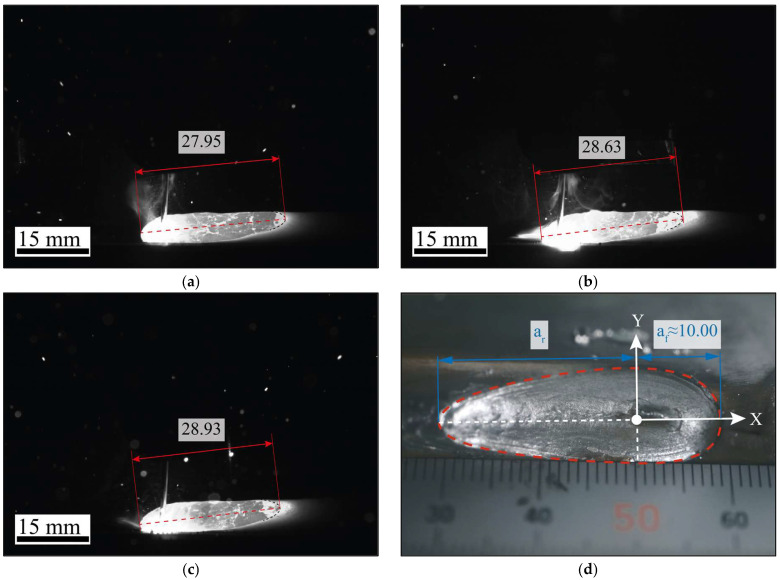 Figure 18
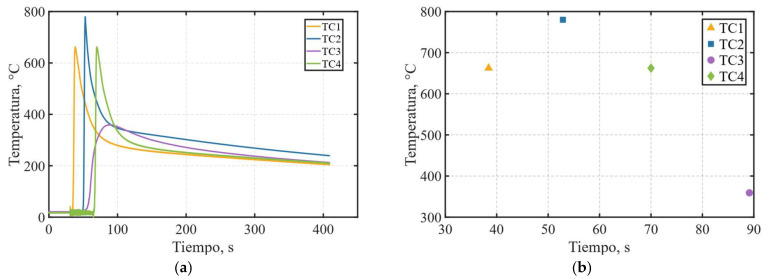 Figure 19
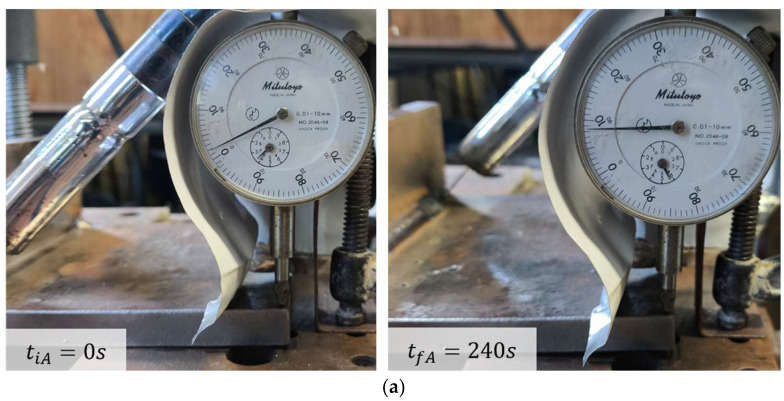 Figure 20
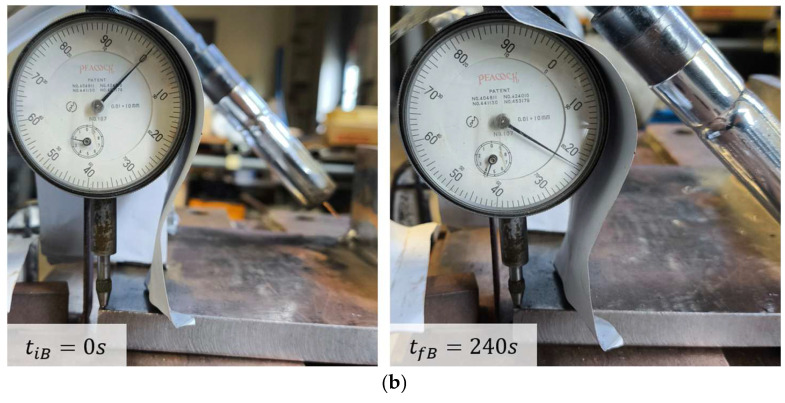 Figure 21
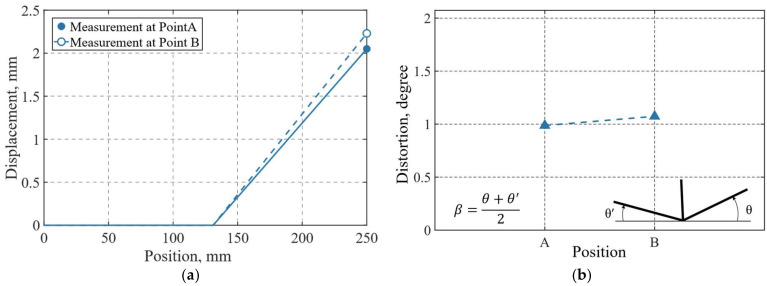 Figure 22
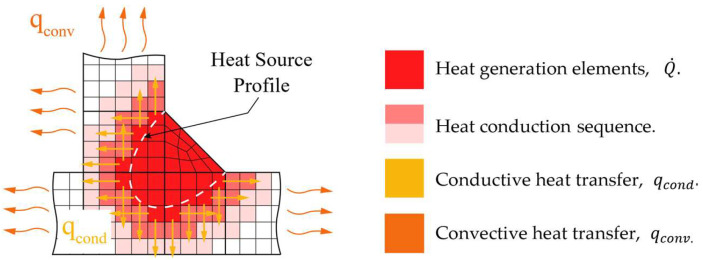 Figure 23
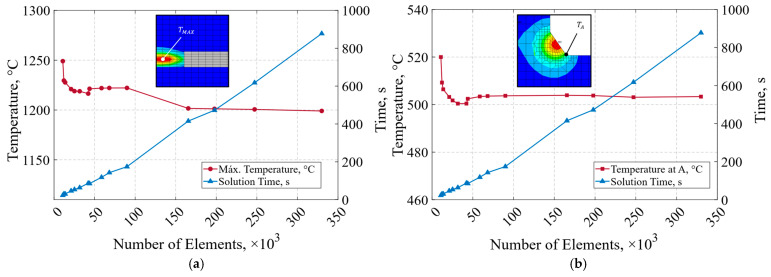 Figure 24
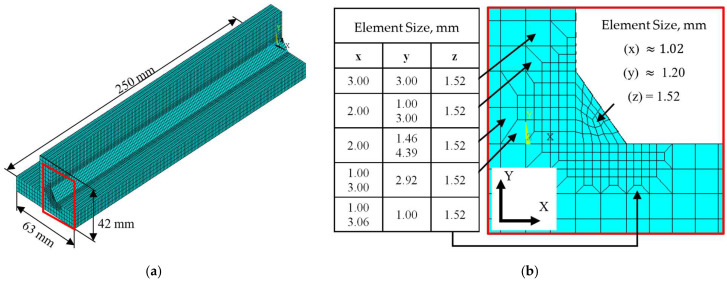 Figure 25
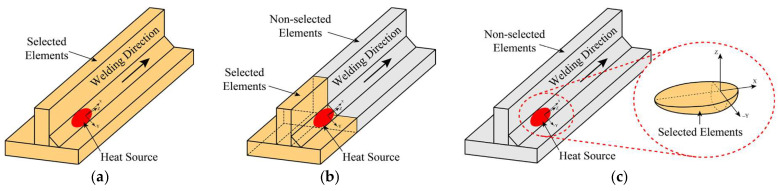 Figure 26
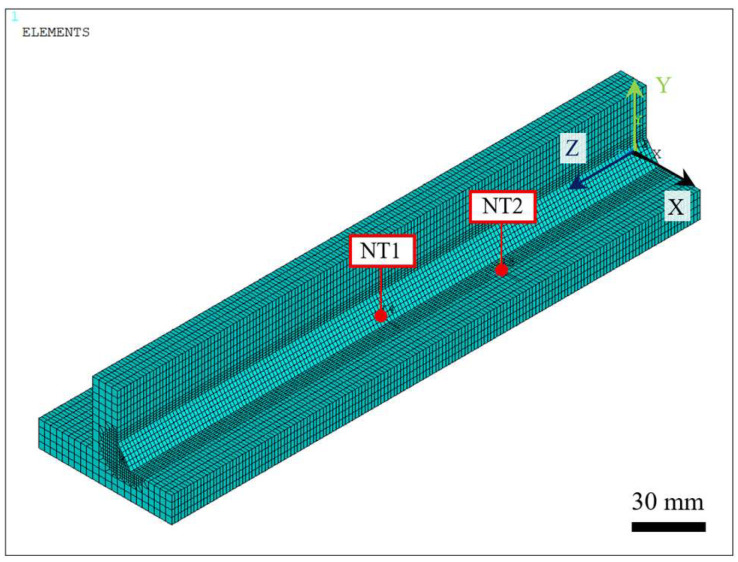 Figure 27
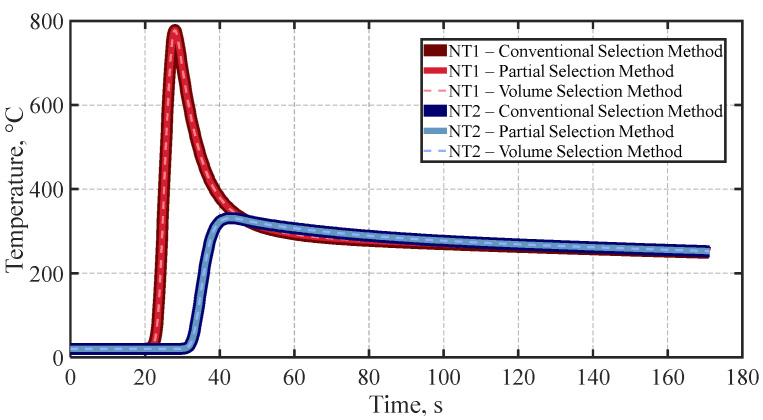 Figure 28
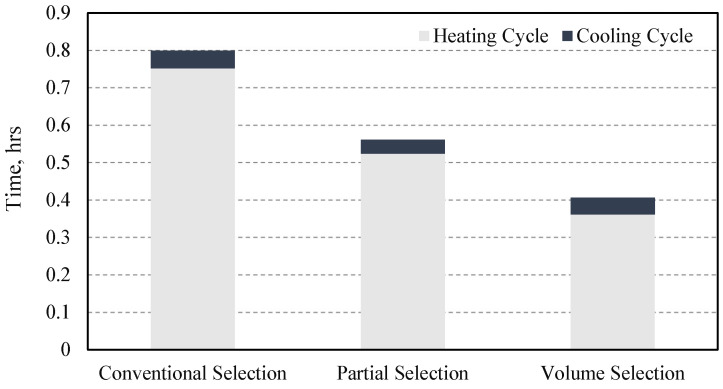 Figure 29
 Figure 30
 Figure 31
 Figure 32
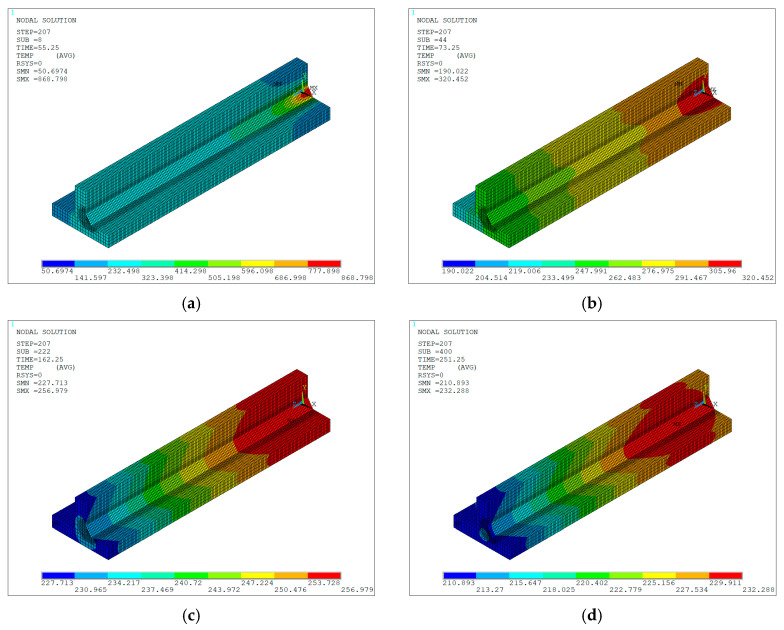 Figure 33
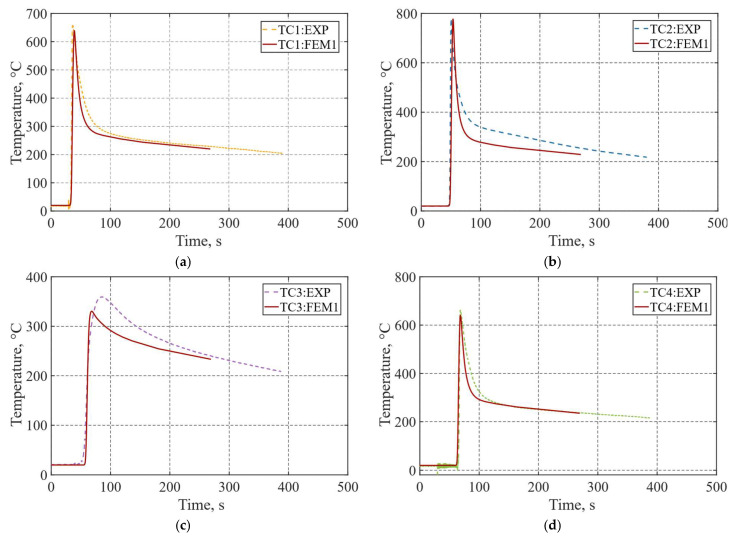 Figure 34
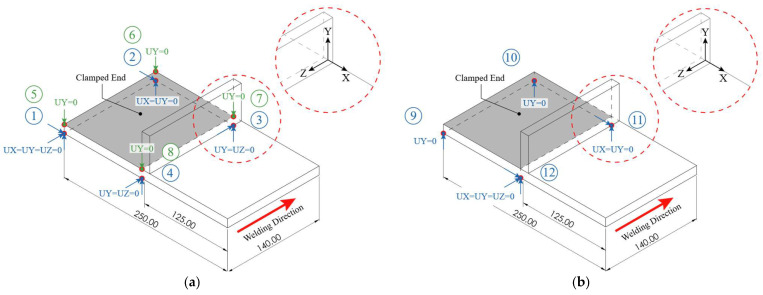 Figure 35
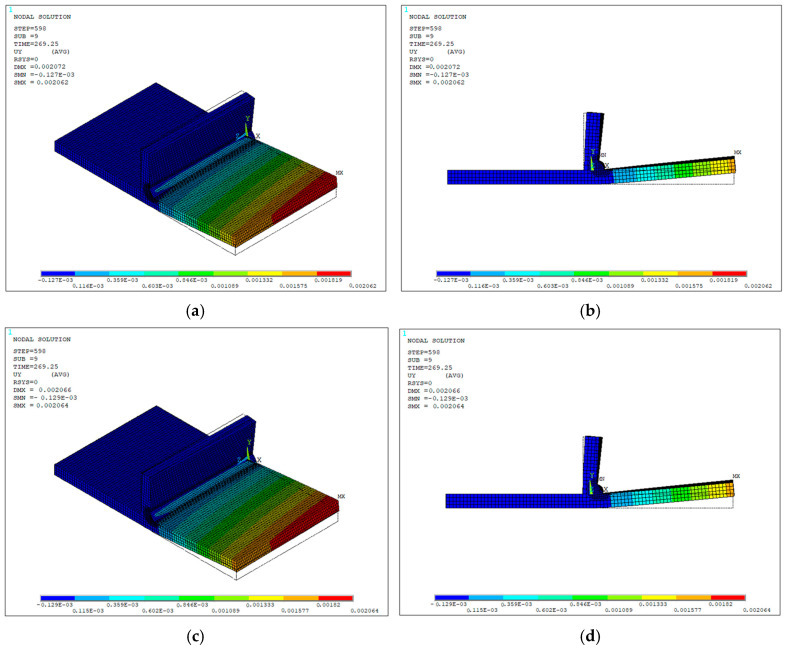 Figure 36
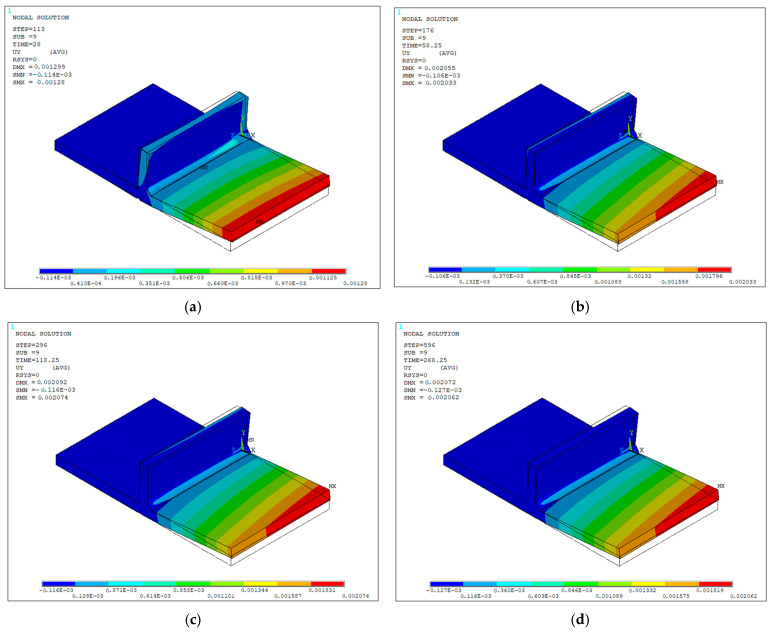 Figure 37
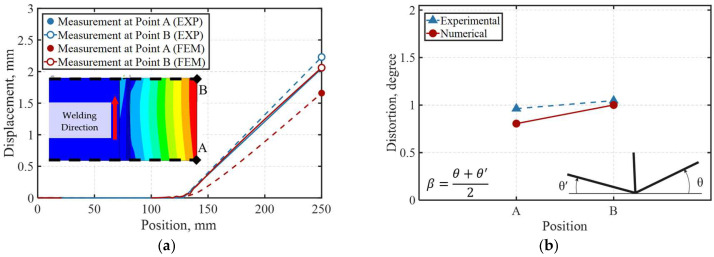 Figure 38
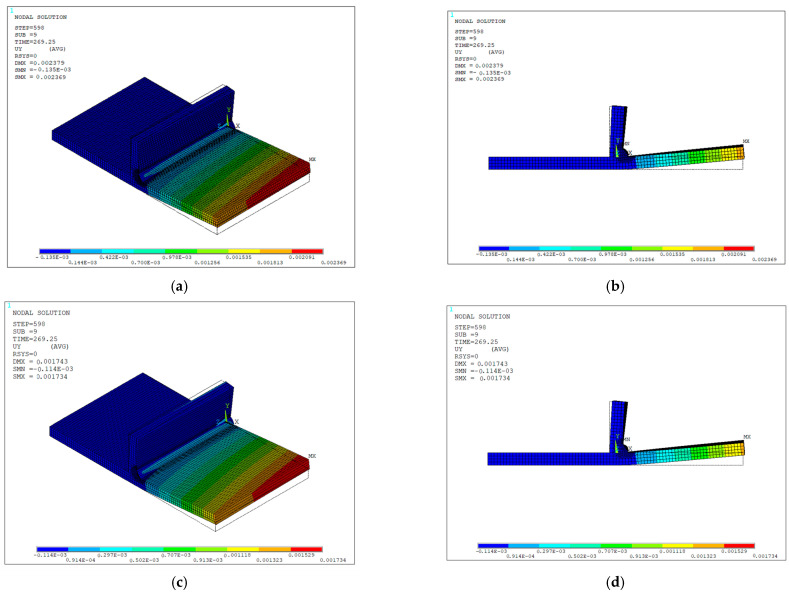 Figure 39
Peer Reviews
No public reviews on file for this paper yet. If you reviewed it on a platform where reviews are public (OpenReview, ICLR, NeurIPS, ICML), you can paste yours below so the community can read it here.
Videos
No videos yet. Explain this paper in a talk, walkthrough, or lecture? Add one.
Taxonomy
TopicsWelding Techniques and Residual Stresses · Laser and Thermal Forming Techniques · Topology Optimization in Engineering