Protective Ventilation During Controlled and Partial Ventilatory Support in ARDS: Clinical–Physiological Background and Monitoring
Rodrigo A. Cornejo, Caio C. A. Morais, Daniel H. Arellano, Roberto Brito, Abraham I. J. Gajardo, Marioli T. Lazo, Leonore B. D. Bos, Roberto González, Alejandro R. Bruhn, Jan Bakker

TL;DR
This review discusses how to safely ventilate patients with ARDS by protecting their lungs from injury during both full and partial ventilatory support.
Contribution
The paper provides a comprehensive review of protective ventilation strategies and monitoring tools to prevent lung injury in ARDS patients.
Findings
Excessive mechanical stress can cause ventilator-induced lung injury in ARDS patients.
Patient self-inflicted lung injury is a risk during partial ventilatory support due to high inspiratory efforts.
Monitoring and personalized ventilation strategies can reduce lung injury and improve outcomes.
Abstract
Acute respiratory distress syndrome (ARDS) is characterized by severe hypoxemia, low lung compliance, and marked regional heterogeneity of aeration, making the lung highly vulnerable to injurious mechanical forces. Mechanical ventilation is essential to maintain gas exchange. However, excessive stress and strain may contribute to ventilator-induced lung injury (VILI). The progressive transition to partial ventilatory support introduces an additional risk: patient self-inflicted lung injury (P-SILI), driven by vigorous inspiratory efforts, large transpulmonary pressure swings, pendelluft, and heterogeneous regional strain. Advances in monitoring, imaging, and physiology-based management offer the potential to reduce lung injury and improve outcomes in mechanically ventilated patients with ARDS. This review aims to summarize the clinical–physiological background of VILI and P-SILI,…
Genes, proteins, chemicals, diseases, species, mutations and cell lines named across the full text — each resolved to its canonical identifier and authoritative record.
Click any figure to enlarge with its caption.
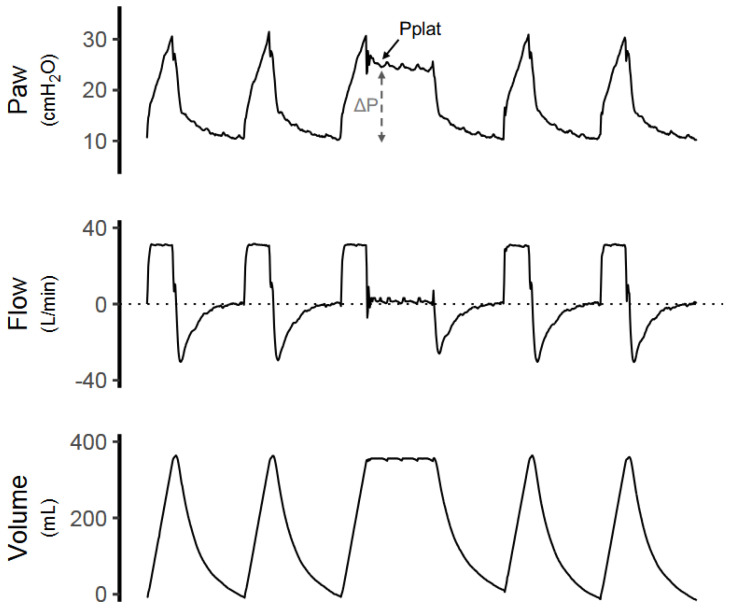 Figure 1
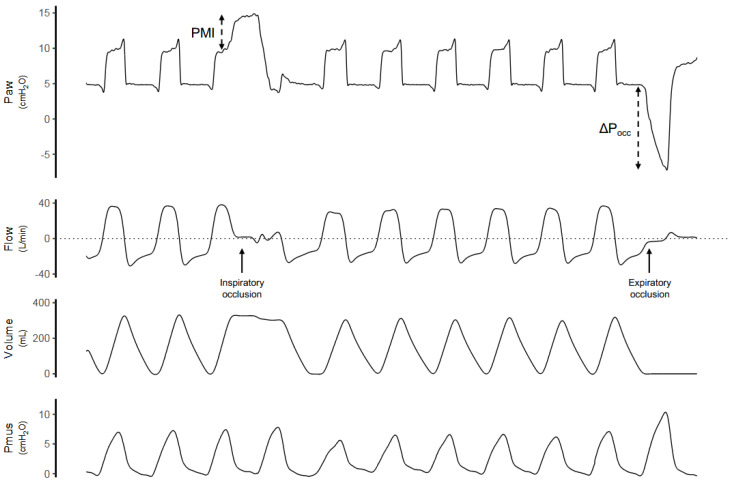 Figure 2
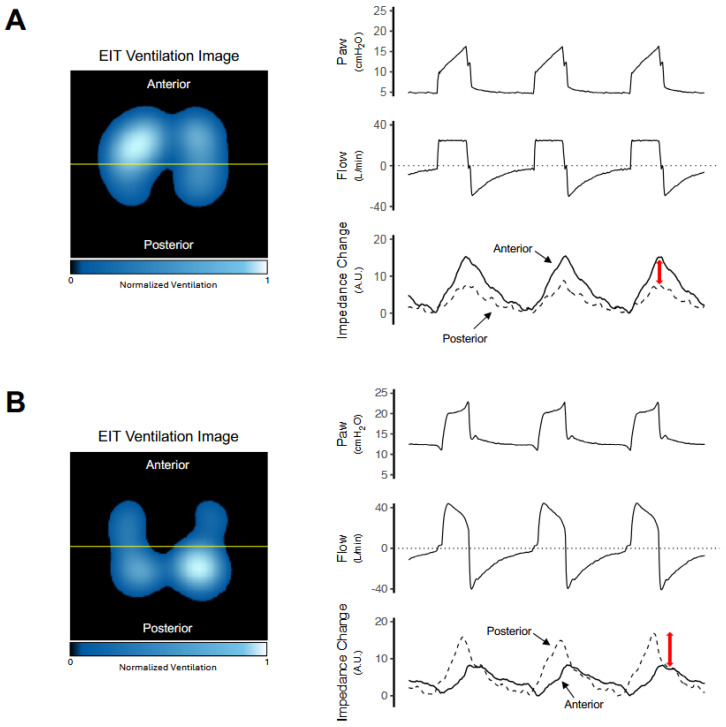 Figure 3
Peer Reviews
No public reviews on file for this paper yet. If you reviewed it on a platform where reviews are public (OpenReview, ICLR, NeurIPS, ICML), you can paste yours below so the community can read it here.
Videos
No videos yet. Explain this paper in a talk, walkthrough, or lecture? Add one.
Taxonomy
TopicsRespiratory Support and Mechanisms · Nosocomial Infections in ICU · Mechanical Circulatory Support Devices