Two-stage approach to obturator hip dislocation with subcapital femoral neck fracture: a case report
César Gonzalez-Cancino, José Barraza-Franco

TL;DR
A rare case of hip dislocation with femoral neck fracture is treated successfully using a combined surgical approach.
Contribution
A novel dual-approach single-stage surgical treatment for a rare hip injury is demonstrated.
Findings
The patient was treated with a combined Stoppa and Hardinge approach in one surgery.
At 24 months, the patient had stable radiographs and a Harris Hip Score of 86.
Early mobilization and full weight-bearing at two weeks were safely achieved.
Abstract
Anterior dislocation of the hip associated with an ipsilateral femoral neck fracture is exceedingly rare and typically results from high-energy trauma. We describe the case of a 33-year-old man who was engaged in a car crash and suffered numerous injuries, among them an anterior hip dislocation with the femoral neck trapped in the obturator foramen. The patient was treated in a single surgical procedure using a dual approach: resection of the femoral head through the Stoppa approach and placement of a primary total hip replacement through the Hardinge approach. The procedure was completed without complications, and rehabilitation included early mobilization with full weight-bearing at two weeks. At 24 months, the patient demonstrated preserved muscle strength, stable radiographs without loosening, and a Harris Hip Score of 86. This case highlights a rare injury pattern and supports the…
Genes, proteins, chemicals, diseases, species, mutations and cell lines named across the full text — each resolved to its canonical identifier and authoritative record.
Click any figure to enlarge with its caption.
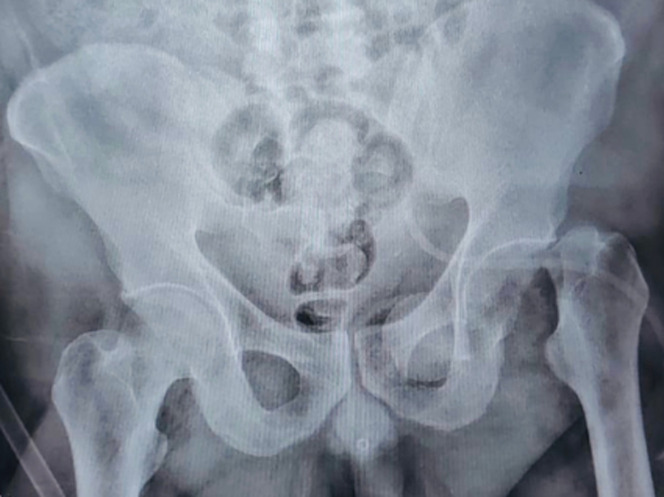 Figure 1
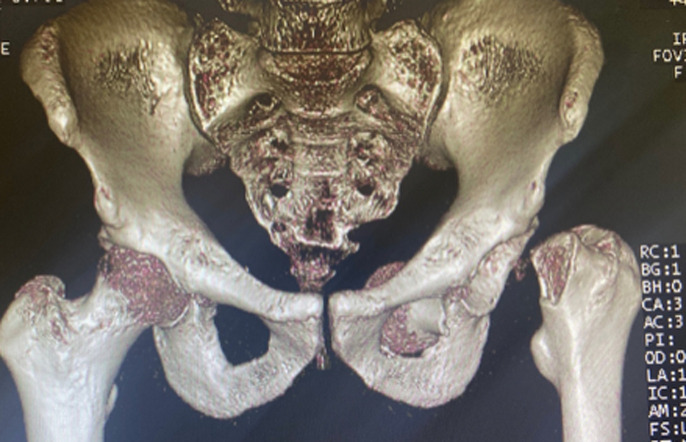 Figure 2
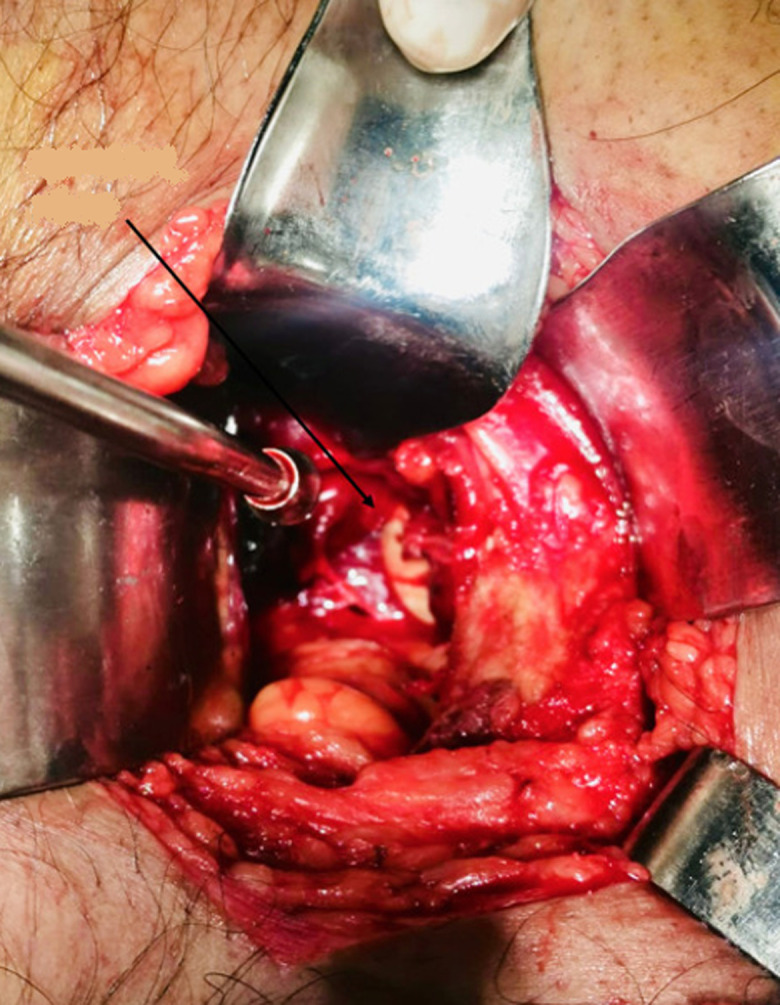 Figure 3
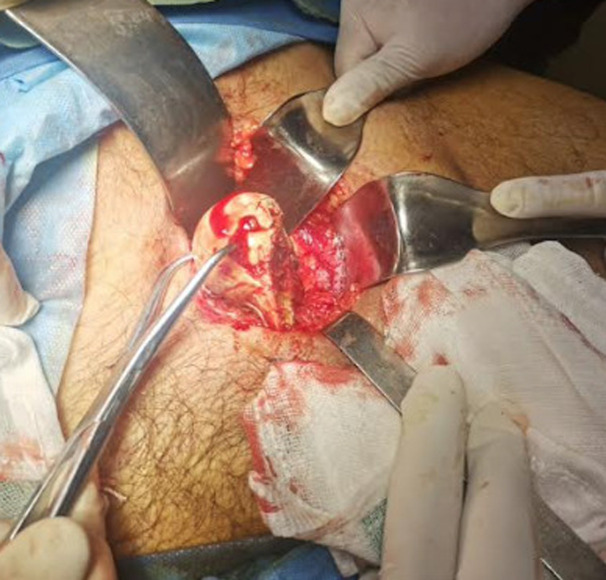 Figure 4
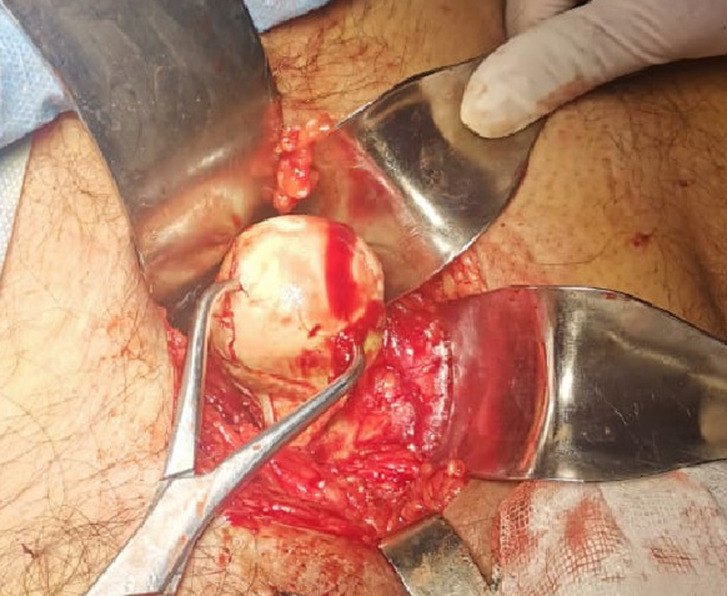 Figure 5
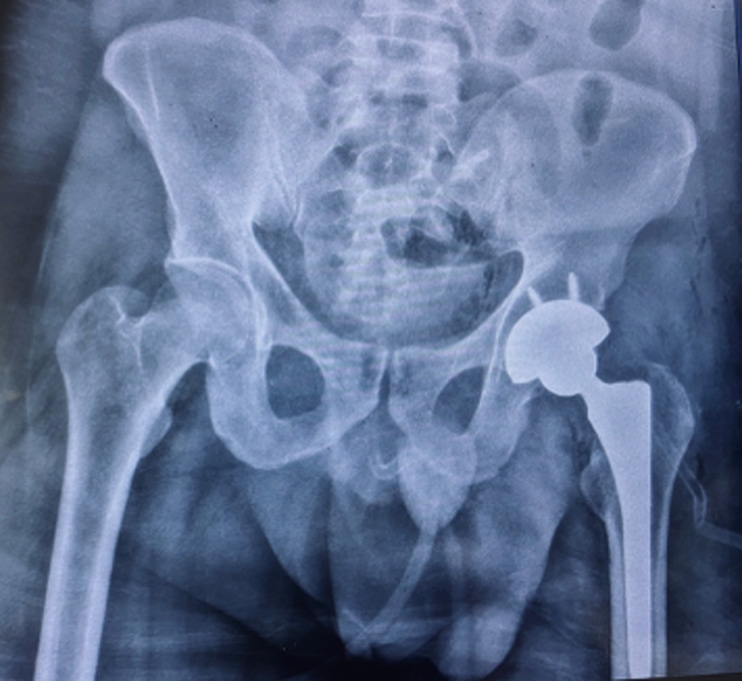 Figure 6
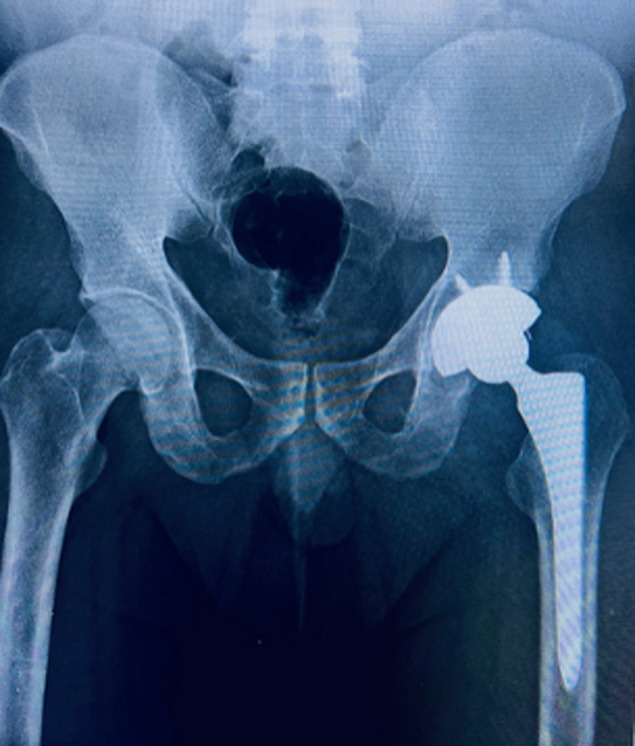 Figure 7
Peer Reviews
No public reviews on file for this paper yet. If you reviewed it on a platform where reviews are public (OpenReview, ICLR, NeurIPS, ICML), you can paste yours below so the community can read it here.
Videos
No videos yet. Explain this paper in a talk, walkthrough, or lecture? Add one.
Taxonomy
TopicsHip disorders and treatments · Hip and Femur Fractures · Orthopaedic implants and arthroplasty
Introduction
Anterior hip dislocation is uncommon, accounting for 7-13% of all hip dislocations [1], while femoral neck fractures comprise 3-5% of fractures overall [2]. The coexistence of both is exceptional, typically following high-energy trauma, since the surrounding musculature resists such displacement. Given the paucity of reported cases, evidence-based guidelines for management remain elusive, and long-term prognosis is poorly defined.
Patient and observation
Patient information: a 33-year-old male with no significant past medical history sustained a high-velocity rollover motor vehicle collision with ejection.
Timeline of current episode: for the accident, he suffered a traumatic brain injury followed by transient loss of consciousness. He required a 10-day intensive care admission for moderate head trauma. Upon stabilization, orthopedic evaluation was carried out.
Clinical findings: the orthopedic findings demonstrated a shortened left lower limb (≈4 cm), fixed external rotation (75°), severe pain with attempted movement, and periarticular swelling in the hip area. Concomitant injuries included right shoulder dislocation, right radioulnar fracture, right clavicular fracture, and left zygomatic arch fracture.
Diagnostic assessment: plain radiographs revealed anterior dislocation of the left hip, accompanied by a femoral neck fracture and migration of the femoral head into the obturator foramen within the pelvis (Figure 1). Computed tomography corroborated the intrapelvic location (Figure 2).
anteroposterior radiograph of the pelvis showing anterior hip dislocation and a femoral head fracture
three-dimensional computed tomography image showing the femoral head in an intrapelvic position
Therapeutic interventions: given polytrauma, definitive hip surgery was deferred for 26 days. A dual-stage, single-anesthetic approach was selected. Initially, with the patient supine, a Stoppa-type intrapelvic approach was performed. Intrapelvic exploration identified the femoral head penetrating the obturator membrane and lodged within the foramen (Figure 3). It was mobilized using blunt dissection and clamp forceps and removed without complications (Figure 4). The femoral head showed marked anterosuperior cartilage damage (Figure 5). Following wound closure, the patient was arranged in a side-lying position. A direct lateral (Hardinge) approach was undertaken, involving gluteal tenotomy, capsulectomy and excision of fibrotic tissue. An uncemented total hip prosthesis (B. Braun) was implanted without difficulty. Estimated blood loss was 200 mL, and no complications occurred (Figure 6).
intraoperative view of the femoral head in its intrapelvic position through the stoppa approach
femoral head removed using a clamp
cartilage damage on the anterosuperior surface of the femoral head
immediate postoperative anteroposterior radiograph of the pelvis after total hip arthroplasty
Follow-up and outcome of interventions: postoperatively, early passive and active hip mobilization was initiated. Full weight-bearing ambulation began two weeks post-surgery. At 24-month follow-up, the patient reported only minimal pain during hip flexion, no claudication, and had preserved muscular strength (Daniel´s scale 5/5). Radiographs revealed no evidence of lysis or aseptic loosening of the prosthesis (Figure 7). The Harris Hip Score was 86 points, indicating a favorable outcome.
anteroposterior radiograph of the pelvis at 2-year follow-up after total hip arthroplasty
Patient perspective: the patient was satisfied with the medical care he received, the surgical procedures performed, and his recovery.
Informed consent: written informed consent was obtained from the patient for participation in this publication.
Discussion
Simultaneous anterior hip dislocation with ipsilateral femoral neck fracture is exceedingly rare, and is associated with high-energy mechanisms in younger individuals; nearly 75% cases occurring before the age of 50 [3]. The sequelae are usually severe, with avascular necrosis of the femoral head being the most significant complication, and subsequent hip joint osteoarthritis. Bassett et al. [4], detailed that forced abduction with external rotation drives the greater trochanter and femoral neck against the rim of the acetabulum, levering the femoral head anteriorly. A flexed hip predisposes to obturator dislocation, while extension favors public dislocation. Liu et al. [5] presented a two-impact model in which the proximal femoral shaft strikes the outer and superior sections of the femoral head, propelling it anteroinferiorly through the sartorius pathway into the obturator area, where it becomes incarcerated beneath the inferior pubic branch and entrapped within the obturator foramen. Reported treatment strategies for this condition range from conservative management and internal fixation (cannulated screws or dynamic hip screw), partial hip replacement and total hip arthroplasty (THA). Management is challenging and must be individualized, as the goal is to provide an effective treatment with good medium- and long-term outcomes. Hip dislocation may also cause traction, compression, or spasm of the femoral, deep femoral, and circumflex arteries [6].
These vascular changes can sometimes be reversed by early reduction of the dislocation [7]. Preservation of the medial circumflex femoral artery and the retinacular vessels is an important factor when considering femoral head-sparing procedures [8]. Jain et al. [9], described a situation handled with uncemented total hip arthroplasty for a hip dislocation accompanied by a fracture in the femoral neck on the same side, resulting in satisfactory hip movement after six weeks. They determined that the selection of surgical intervention ought to take into account the timing of the injury, the age of the patient, individual preferences, and the extent of cartilage damage in the femoral head. In our case, we chose THA because 26 days had elapsed since the injury, and we considered the femoral head circulation irreversibly compromised. It has been noted that in two instances of internal hip dislocation of the obturator type, the posterolateral method was ineffective in extracting the dislocated femoral head from the obturator [10]. Using traditional approaches for THA to remove the femoral head directly from the obturator also makes hemostasis difficult if bleeding occurs. Due to the complex vascular anatomy of the obturator region coupled with the amount of fibrosis present due to the time of the lesion, we opted for a Stoppa-type intrapelvic approach, which allowed direct visualization and removal of the femoral head safely and efficiently, minimizing additional trauma and reducing the risk of bleeding compared with attempting removal via the direct lateral (Hardinge) approach.
Conclusion
This report outlines an uncommon instance of dislocation of the anterior hip with concomitant intrapelvic femoral neck fracture. A single-stage dual approach proved safe and effective. This allowed direct removal of the femoral head while mitigating neurovascular complications and facilitated implantation of total hip prosthesis via conventional approach without additional tissue manipulation or damage. Such a technique may represent a suitable management strategy in similar traumatic scenarios.
The reference list from the paper itself. Each links out to its DOI / PubMed record.
- 1Zetterberg C Elmerson S Andersson GB Epidemiology of hip fractures in Göteborg, Sweden, 1940-1983 Clin Orthop Relat Res 1984 Dec 19143526499323 · pubmed ↗
- 2Wojahn RD Kleweno CP Agel J Githens MF Anterior hip dislocation: characterization of a rare injury and predictors of functional outcome Injury 2021 Aug 528232723323373686010.1016/j.injury.2021.03.007 · doi ↗ · pubmed ↗
- 3Stewart MJ Milford LW Fracture-dislocation of the hip. An end-result study J Bone Joint Surg Am 1954 Apr 36A: 23154213152141 · pubmed ↗
- 4Bassett LW Gold RH Epstein HC Anterior hip dislocation: atypical superolateral displacement of the femoral head AJR Am J Roentgenol 1983 Aug 14123856660313910.2214/ajr.141.2.385 · doi ↗ · pubmed ↗
- 5Liu J Li Z Ding J Huang B Piao C Femoral neck fracture combined with anterior dislocation of the femoral head: injury mechanism and proposed novel classification BMC Musculoskelet Disord 2021 Sep 212218103454806910.1186/s 12891-021-04703-w PMC 8456574 · doi ↗ · pubmed ↗
- 6Shim SS Circulatory and vascular changes in the hip following traumatic hip dislocation Clin Orthop Relat Res 1979160255261477079 · pubmed ↗
- 7Yue JJ Wilber JH Lipuma JP Murthi A Carter JR Marcus R Eet al Posterior hip dislocations: a cadaveric angiographic study J Orthop Trauma 199610744754889214310.1097/00005131-199610000-00001 · doi ↗ · pubmed ↗
- 8Tannast M Mack PW Klaeser B Siebenrock KA Hip dislocation and femoral neck fracture: decision-making for head preservation Injury 2009 Oct 40101118241961677710.1016/j.injury.2009.06.166 · doi ↗ · pubmed ↗