Hepatic Transcriptome Variations Among Different Evolutionary Lineages of Rhinolophus ferrumequinum During Hibernation
Yue Zhu, Sen Liu, Jianying Du, Yanhong Xiao, Keping Sun

TL;DR
This study shows how two lineages of Rhinolophus ferrumequinum bats adapt differently to hibernation through unique liver gene activity patterns.
Contribution
The study reveals lineage-specific transcriptomic adaptations to hibernation in Rhinolophus ferrumequinum, highlighting distinct metabolic and immune strategies.
Findings
The central–eastern lineage shows more differentially expressed genes during hibernation phases compared to the northeastern lineage.
Both lineages shift from carbohydrate to lipid metabolism during torpor and upregulate immune genes.
Lineage-specific regulatory genes related to energy and metabolism suggest adaptation to local environmental conditions.
Abstract
The northeastern and central–eastern lineages of Rhinolophus ferrumequinum exhibit significantly divergent sets of hepatic differentially expressed genes and pathways, with minimal overlap during the torpor and arousal phases. This indicates lineage-specific transcriptomic adaptations to their respective climatic conditions and varying durations of hibernation. The greater horseshoe bat (Rhinolophus ferrumequinum), which is widely distributed across the temperate regions of China, primarily consists of two major evolutionary lineages: a northeastern (NE) lineage with a hibernation period of 6–8 months and a central–eastern (CE) lineage with a hibernation period of 4–5 months. This study conducted a comparative analysis of liver transcriptomes from these two lineages during the active, torpor, and arousal phases. The results indicated that the CE lineage exhibited a significantly…
Genes, proteins, chemicals, diseases, species, mutations and cell lines named across the full text — each resolved to its canonical identifier and authoritative record.
Click any figure to enlarge with its caption.
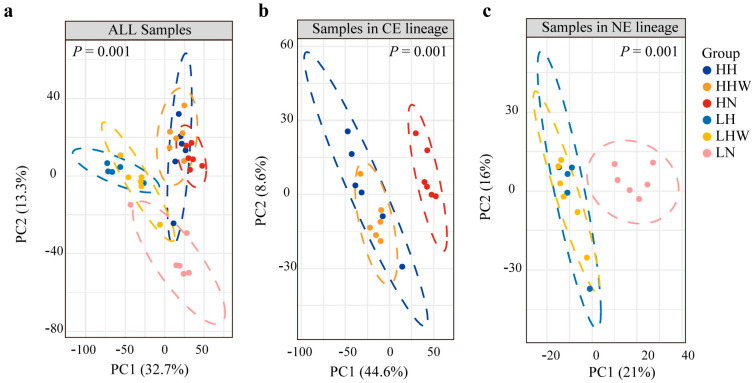 Figure 1
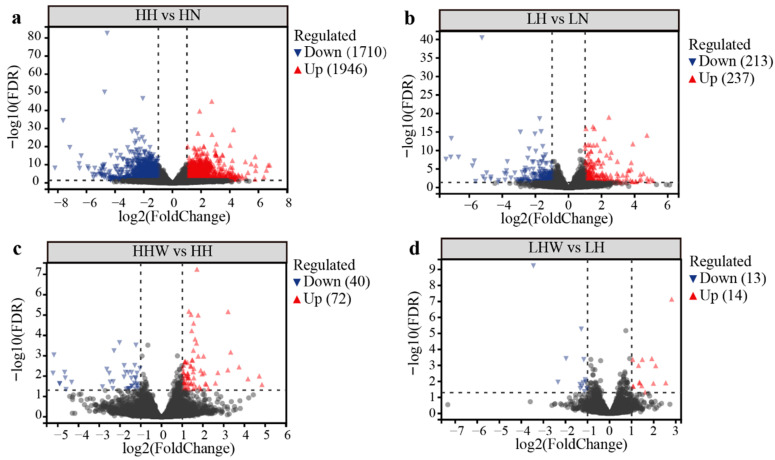 Figure 2
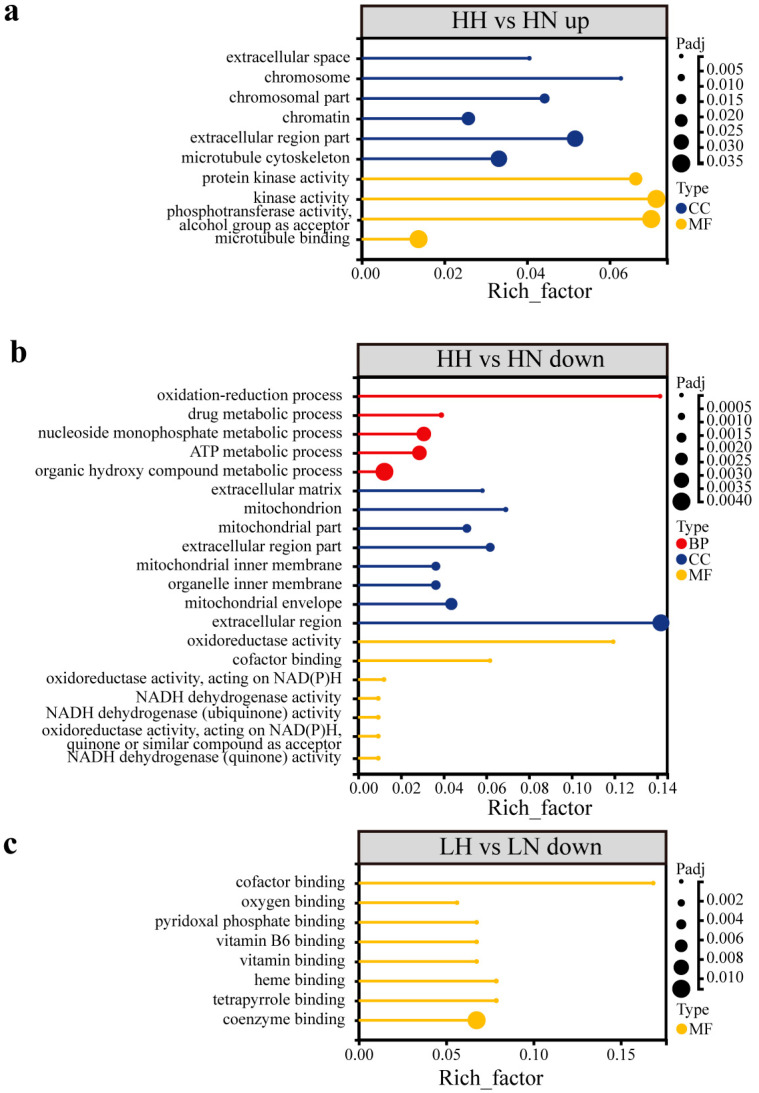 Figure 3
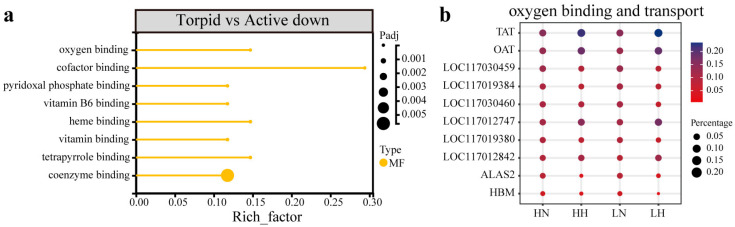 Figure 4
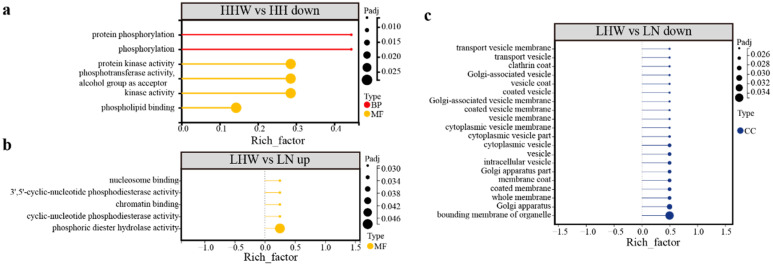 Figure 5
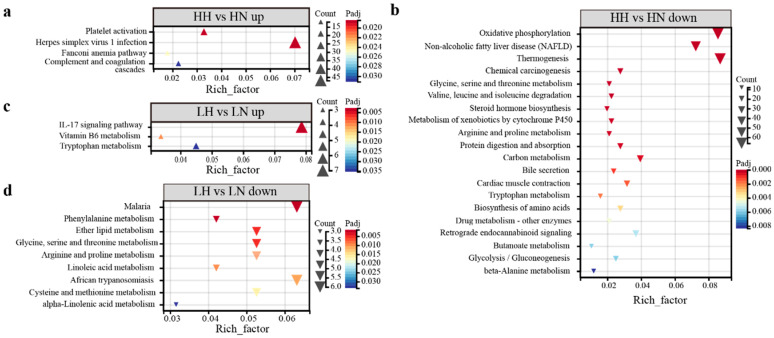 Figure 6
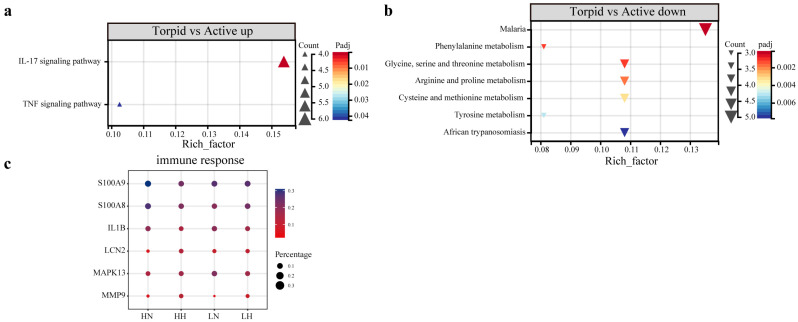 Figure 7
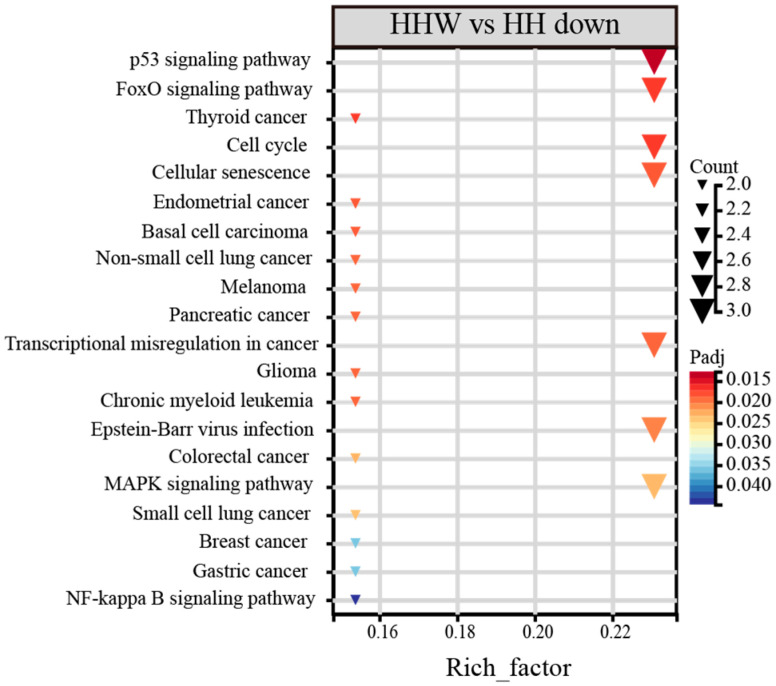 Figure 8
Peer Reviews
No public reviews on file for this paper yet. If you reviewed it on a platform where reviews are public (OpenReview, ICLR, NeurIPS, ICML), you can paste yours below so the community can read it here.
Videos
No videos yet. Explain this paper in a talk, walkthrough, or lecture? Add one.
Taxonomy
TopicsBat Biology and Ecology Studies · Physiological and biochemical adaptations · Amphibian and Reptile Biology