Is Macular Telangiectasia Type 2 Associated with Hearing Loss and Cochlear Dysfunction? A Prospective Case–Control Study
Yeşim Yüksel, Muhammet Yıldız, Muhammet Kazım Erol, Nevreste Didem Sonbay Yılmaz, Yusuf Sühan Toslak, Ufuk Ercanlı, Ayse Cengiz Ünal, Erdem Atalay Çetinkaya

TL;DR
This study found that people with Macular Telangiectasia Type 2 have hearing issues related to cochlear dysfunction, suggesting the need for auditory screening in this group.
Contribution
The study is the first to demonstrate a link between MacTel2 and peripheral auditory dysfunction, specifically involving outer hair cells in the cochlea.
Findings
MacTel2 patients showed significantly higher air-conduction thresholds in extended high frequencies compared to controls.
DPOAE amplitudes were markedly reduced in MacTel2 patients across tested frequencies.
ABR parameters were preserved, indicating normal brainstem-level auditory conduction in MacTel2 patients.
Abstract
Background/Objectives: Macular telangiectasia type 2 (MacTel2) is a progressive parafoveal retinal disorder with emerging evidence supporting broader neurodegenerative and metabolic involvement. Given the vulnerability of cochlear structures to systemic and microvascular stressors, this study aimed to investigate whether MacTel2 is associated with measurable auditory dysfunction. Methods: This prospective case–control study included 42 participants: 21 patients with clinically and multimodally confirmed MacTel2 and 21 age- and sex-matched healthy controls. All participants underwent standardized audiological assessment, including tympanometry, conventional and extended high-frequency pure-tone audiometry (0.5–16 kHz), distortion product otoacoustic emissions (DPOAE; 0.5–8 kHz), and click-evoked auditory brainstem response (ABR). Hearing loss was graded using the World Health…
Genes, proteins, chemicals, diseases, species, mutations and cell lines named across the full text — each resolved to its canonical identifier and authoritative record.
Click any figure to enlarge with its caption.
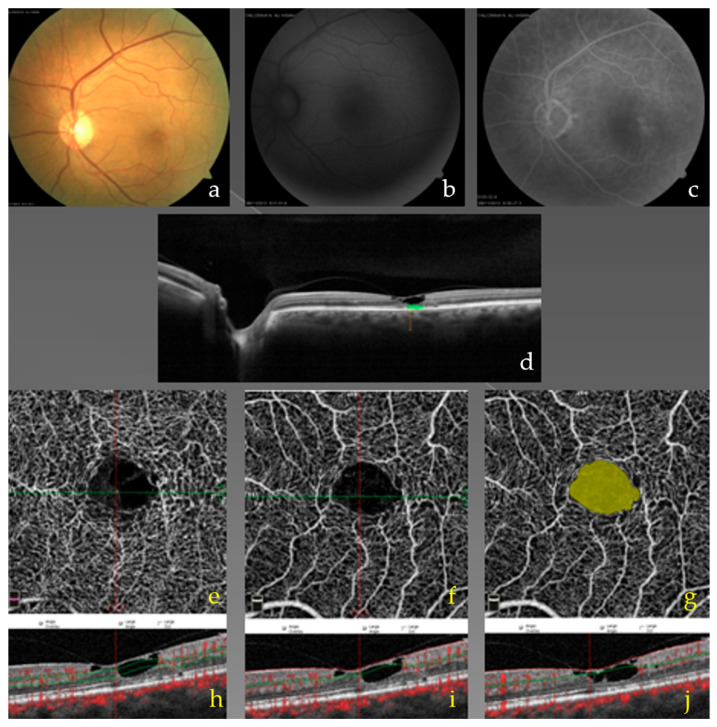 Figure 1
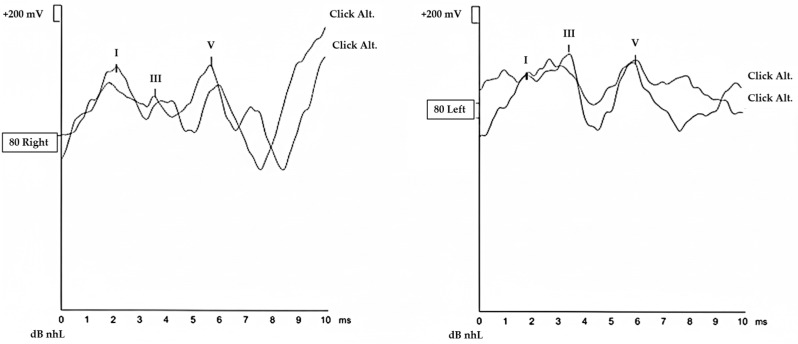 Figure 2
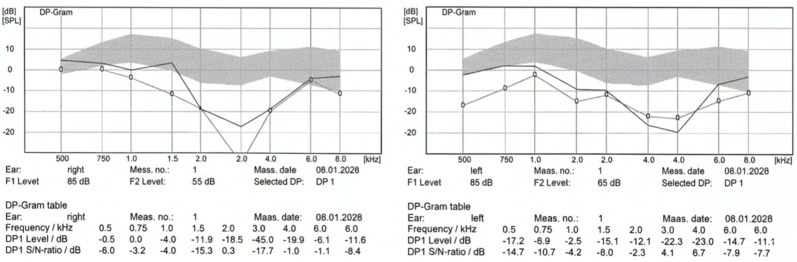 Figure 3
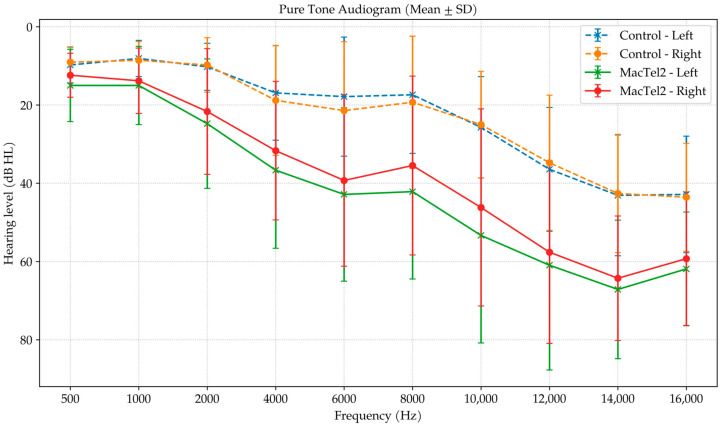 Figure 4
Peer Reviews
No public reviews on file for this paper yet. If you reviewed it on a platform where reviews are public (OpenReview, ICLR, NeurIPS, ICML), you can paste yours below so the community can read it here.
Videos
No videos yet. Explain this paper in a talk, walkthrough, or lecture? Add one.
Taxonomy
TopicsRetinal Development and Disorders · Retinal Diseases and Treatments · Hearing, Cochlea, Tinnitus, Genetics