DNA Aptamers: Reloaded Tools for Breast Cancer Therapeutics
Karen Carrasco-Maure, Mauricio González-Olivares, Lorena Lobos-González

TL;DR
This paper reviews how DNA aptamers can improve breast cancer diagnostics and treatment, especially in regions with limited access to advanced therapies.
Contribution
The paper provides a comprehensive review of recent advances in aptamer-based theranostics for breast cancer.
Findings
Aptamers offer advantages like low immunogenicity and scalable synthesis for cancer targeting.
Aptamers enable sensitive diagnostics and targeted drug delivery through biosensors and nanomedicine.
Aptamers may democratize precision oncology in regions with limited access to advanced technologies.
Abstract
Breast cancer is still a leading cause of mortality among women, mainly due to late detection, tumor heterogeneity, and limited access to advanced therapies. Therefore, there is a need for precise, reproducible, and affordable tools for diagnostics and therapeutics. Aptamers—synthetic single-stranded oligonucleotides that fold into specific three-dimensional structures—offer high affinity and selectivity for cancer targets, with advantages such as low immunogenicity, chemical stability, and scalable synthesis. This review summarizes recent progress in the use of aptamers for breast cancer, including biosensors and liquid biopsy applications, prognostic profiling of aggressive subtypes, and therapeutic conjugates such as aptamer–drug and aptamer–siRNA combinations. Upon overcoming current challenges in pharmacokinetics and clinical validation, aptamers should become transformative tools…
Genes, proteins, chemicals, diseases, species, mutations and cell lines named across the full text — each resolved to its canonical identifier and authoritative record.
Click any figure to enlarge with its caption.
 Figure 1
 Figure 2
 Figure 3
 Figure 4
 Figure 5
 Figure 6
 Figure 7
 Figure 8
 Figure 9
 Figure 10
 Figure 11
 Figure 12
 Figure 13
 Figure 14
 Figure 15
 Figure 16
 Figure 17
 Figure 18
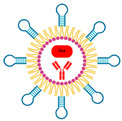 Figure 19
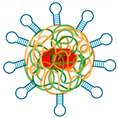 Figure 20
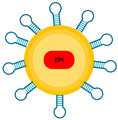 Figure 21
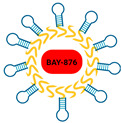 Figure 22
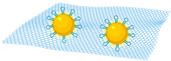 Figure 23
 Figure 24
 Figure 25
Peer Reviews
No public reviews on file for this paper yet. If you reviewed it on a platform where reviews are public (OpenReview, ICLR, NeurIPS, ICML), you can paste yours below so the community can read it here.
Videos
No videos yet. Explain this paper in a talk, walkthrough, or lecture? Add one.
Taxonomy
TopicsAdvanced biosensing and bioanalysis techniques · Advanced Biosensing Techniques and Applications · Nanopore and Nanochannel Transport Studies