Computational Analysis of Excavatolide B–Human STING Interactions Implicates a Cys148–Adjacent Corridor with Within-Cavity Sub-Pose Diversity
Tien-Lin Chang, Hsiao-Yu Sun, Ping-Jyun Sung, Hsi-Wen Sun

TL;DR
This study uses computational methods to explore how a marine compound interacts with a human protein involved in inflammation and cancer, revealing a new binding site and mechanism.
Contribution
The study identifies a non-covalent binding corridor near Cys148 in hSTING, offering a structural basis for drug design.
Findings
Excavatolide B binds to a cryptic pocket near Cys148 in the hSTING CDN-binding cleft.
MD simulations show sub-pose diversity within the binding cavity rather than a single rigid conformation.
Excavatolide B modulates hSTING by reshaping the receptor rather than through covalent bonding.
Abstract
Chronic, dysregulated inflammation contributes to colitis-associated colorectal cancer (CRC), and the cGAS–STING pathway represents a central but therapeutically challenging node because both insufficient and excessive STING activity can be pathogenic. Here, we integrate AlphaFold3 (AF3) receptor modeling, diffusion-based docking, and explicit-solvent molecular dynamics (MD) simulations to characterize how the marine briarane diterpenoid excavatolide B (ExcB) engages the human STING (hSTING) cyclic dinucleotide (CDN)-binding cleft. The structural integrity of the AF3 hSTING model was validated through both intrinsic confidence scores (pLDDT, PAE) and comparative benchmarking against experimental CTD structures (PDB: 4EF5, 6A05). Notably, the local geometries of key pocket-defining residues—including His157, Tyr167, and Thr263—remained consistent with established crystallographic data.…
Genes, proteins, chemicals, diseases, species, mutations and cell lines named across the full text — each resolved to its canonical identifier and authoritative record.
Click any figure to enlarge with its caption.
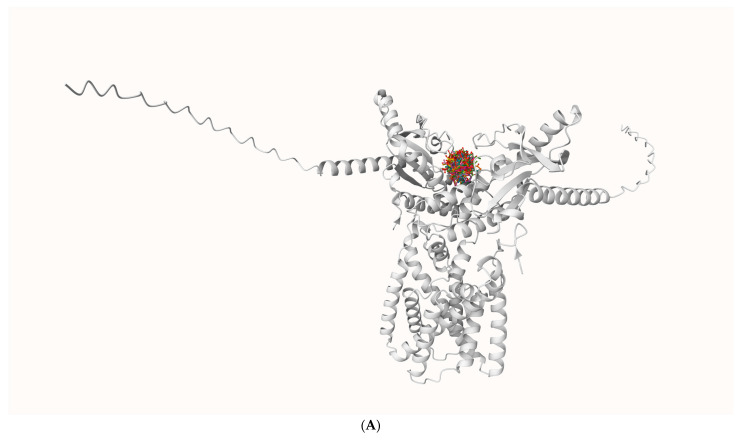 Figure 1
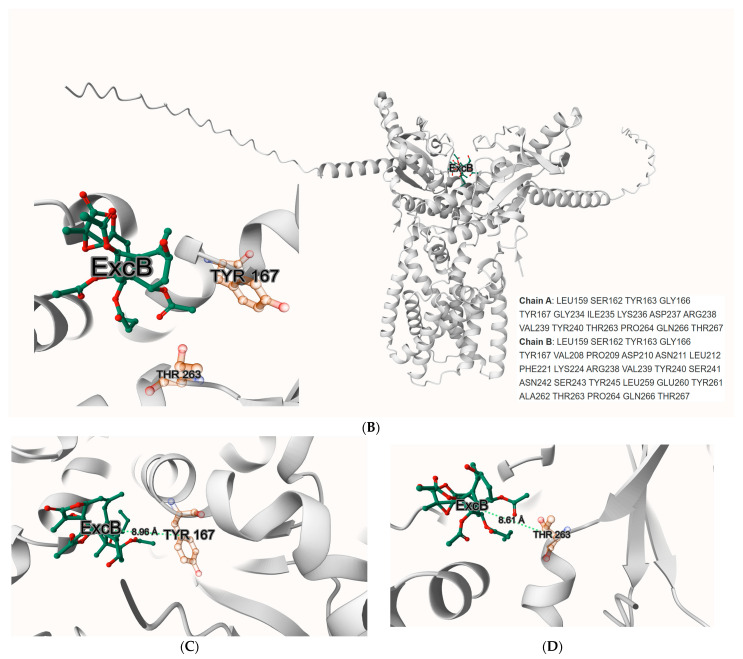 Figure 2
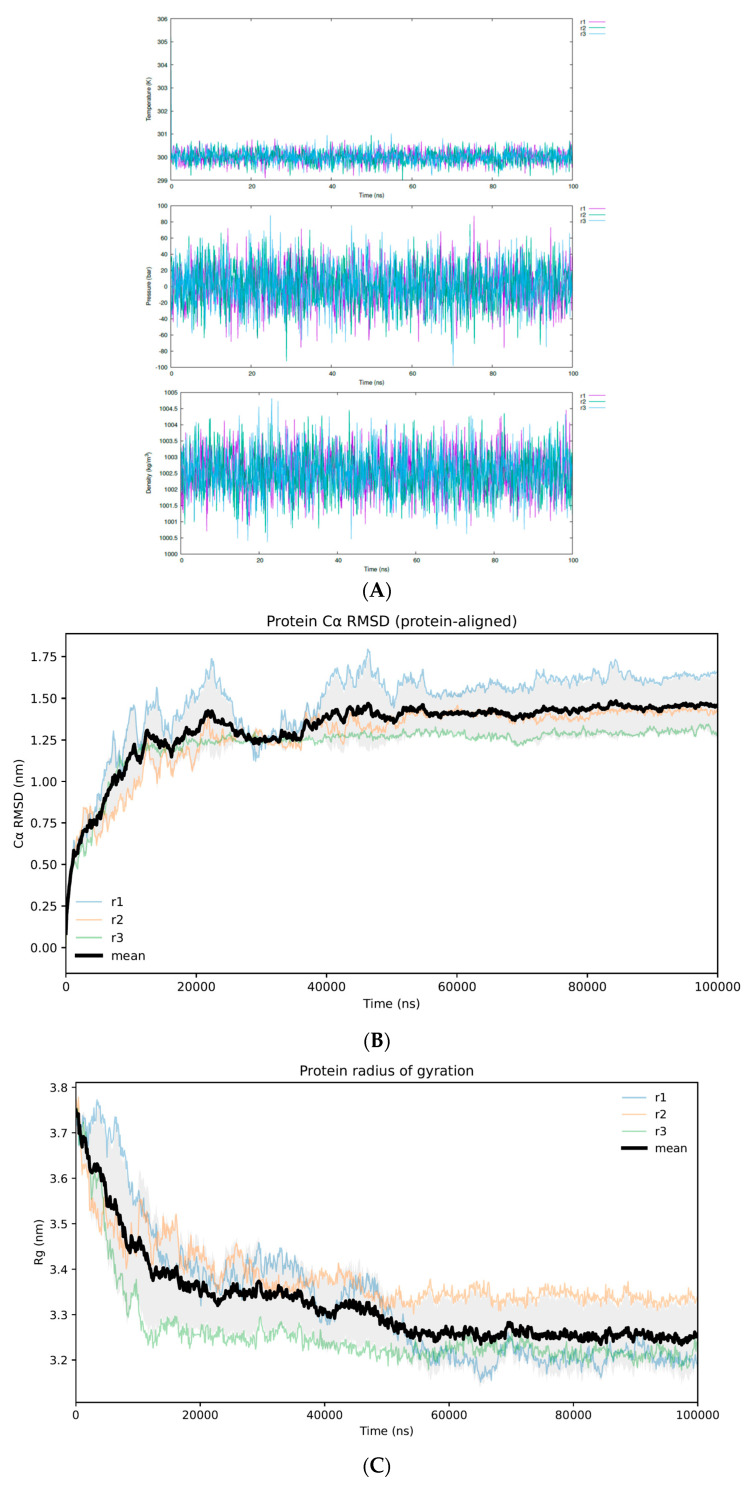 Figure 3
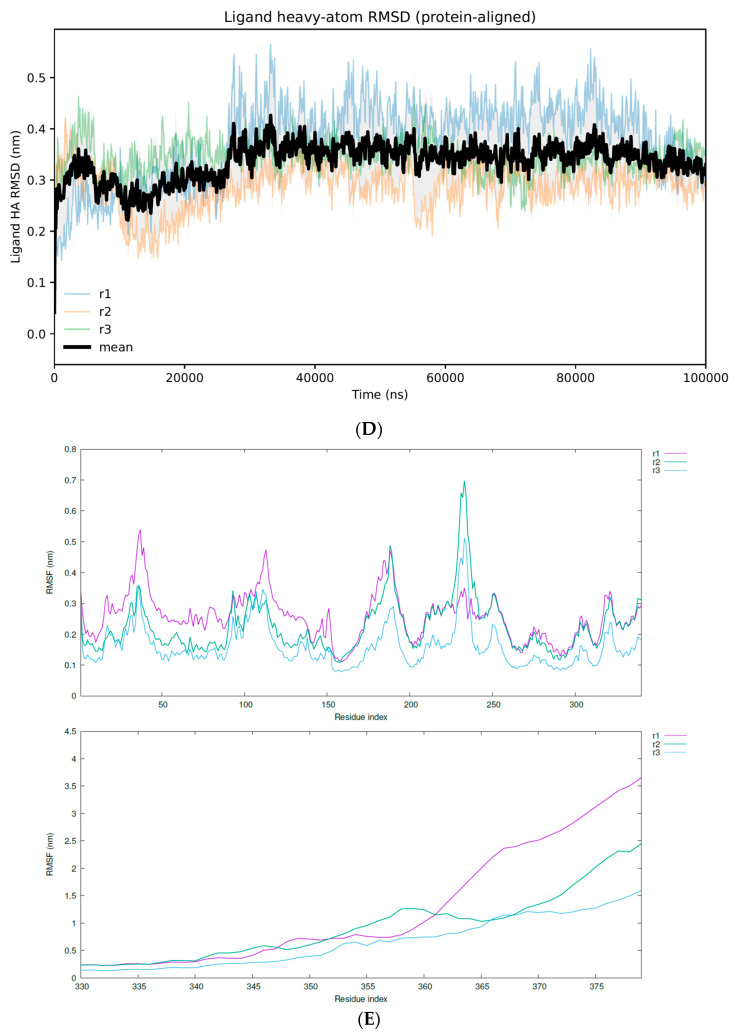 Figure 4
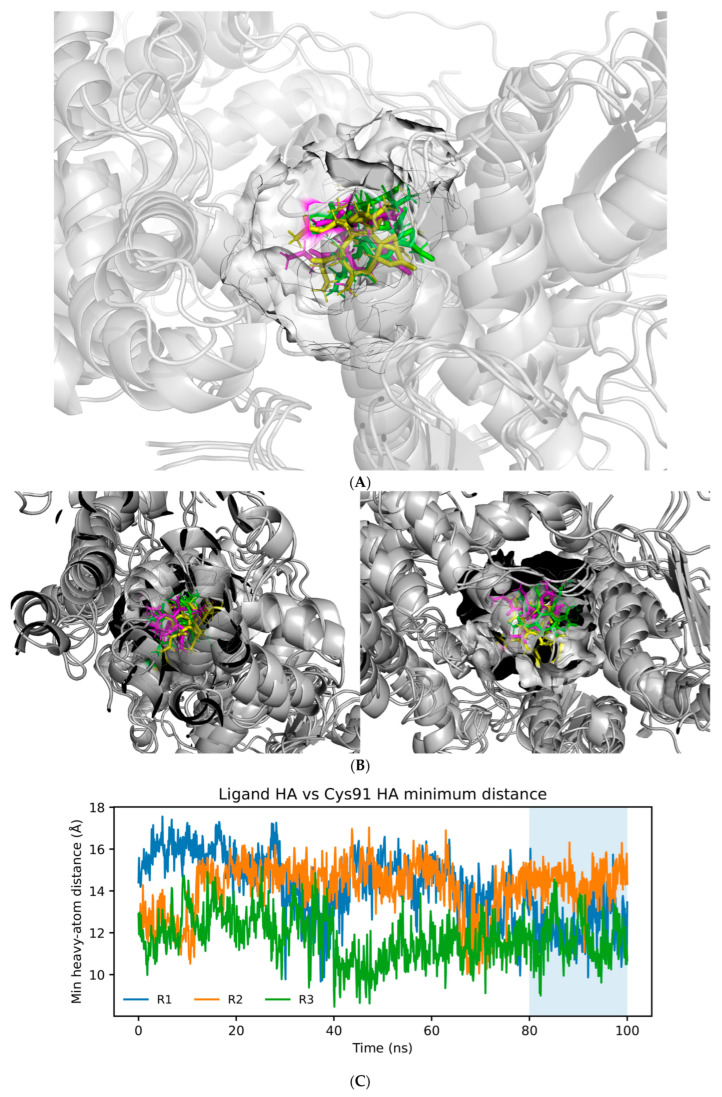 Figure 5
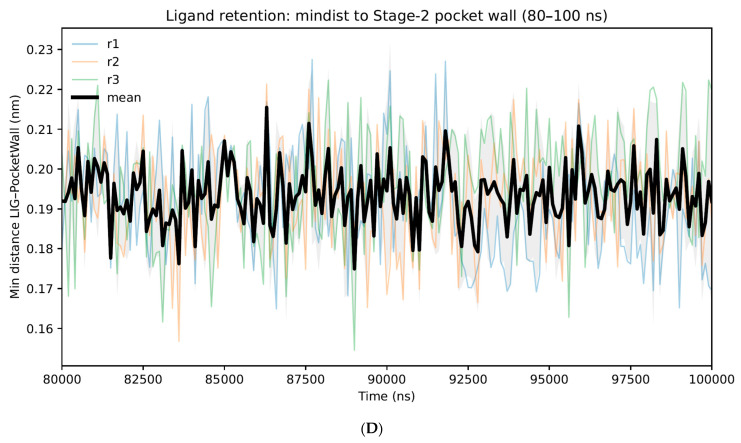 Figure 6
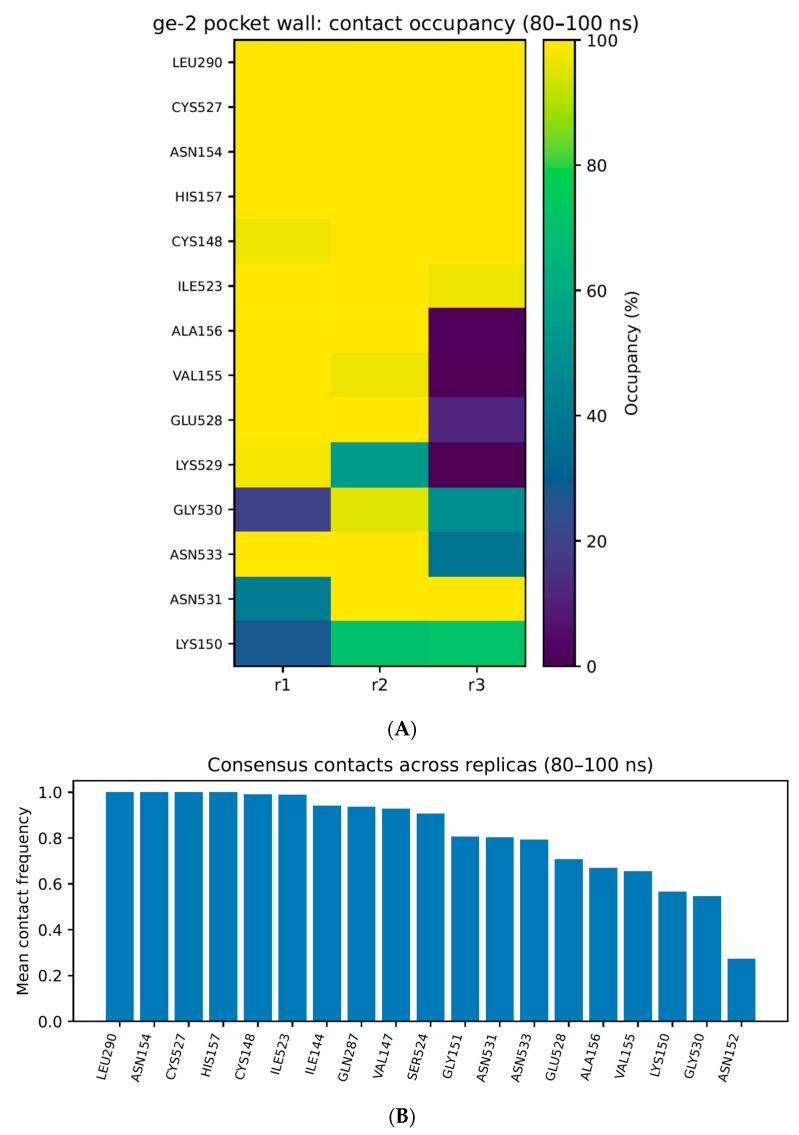 Figure 7
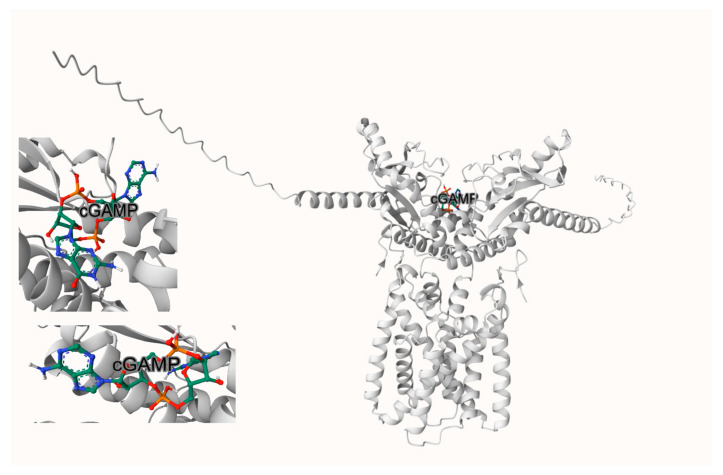 Figure 8
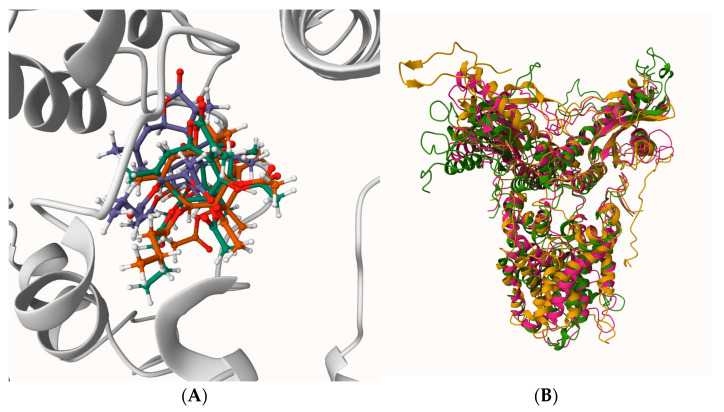 Figure 9
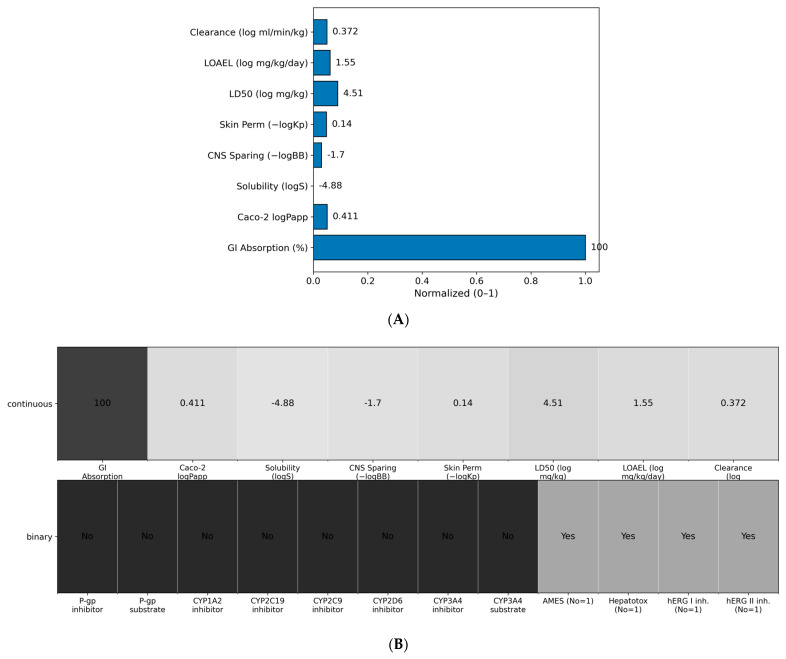 Figure 10
Peer Reviews
No public reviews on file for this paper yet. If you reviewed it on a platform where reviews are public (OpenReview, ICLR, NeurIPS, ICML), you can paste yours below so the community can read it here.
Videos
No videos yet. Explain this paper in a talk, walkthrough, or lecture? Add one.
Taxonomy
Topicsinterferon and immune responses · RNA and protein synthesis mechanisms · Inflammasome and immune disorders