Endoscopic Ultrasound-Guided Versus Percutaneous Transhepatic Biliary Drainage After Failed Endoscopic Retrograde Cholangiopancreatography in Malignant Biliary Obstruction: A Single-Center Retrospective Cohort
Wojciech Ciesielski, Łukasz Durko, Ludomir Stefańczyk, Adam Dobek, Anna Bulicz, Amelia Wojnicka, Zuzanna Sosnowska, Agata Grochowska, Janusz Strzelczyk, Piotr Hogendorf, Adam Durczyński, Tomasz Klimczak

TL;DR
This study compares two drainage methods for biliary blockage after failed ERCP, finding that endoscopic ultrasound-guided drainage offers better survival but more complications.
Contribution
The study provides a direct comparison of EUS-BD and PTBD outcomes in malignant biliary obstruction after ERCP failure, focusing on survival and complications.
Findings
EUS-BD showed significantly better six-month survival compared to PTBD.
EUS-BD had higher complication rates compared to PTBD.
Both methods achieved 100% technical success in relieving biliary obstruction.
Abstract
Malignant biliary obstruction (MBO) can be managed through endoscopic retrograde cholangiopancreatography (ERCP) with stent placement. However, in less than 10% of cases, this method fails to restore biliary flow. In such cases, endoscopic ultrasound biliary drainage methods (EUS-BD) and percutaneous transhepatic biliary drainage (PTBD) can be used as an alternative approach. It remains unclear which procedure offers better outcomes for patients. In this study of 101 patients with MBO after a failed ERCP, we compared these two methods in terms of effectiveness, safety, and survival. Both techniques successfully relieved bile duct obstruction, but they differed in complication rates and patient survival. Our findings may help clinicians select the most appropriate drainage method and inform future research aimed at improving care for patients with advanced biliary cancers. Background:…
Genes, proteins, chemicals, diseases, species, mutations and cell lines named across the full text — each resolved to its canonical identifier and authoritative record.
Click any figure to enlarge with its caption.
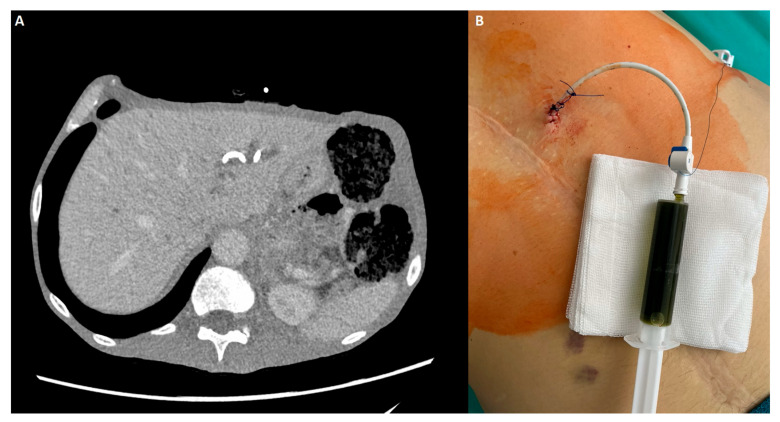 Figure 1
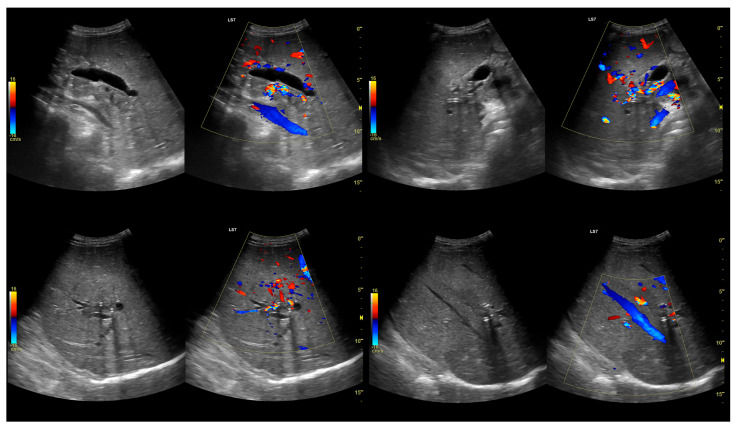 Figure 2
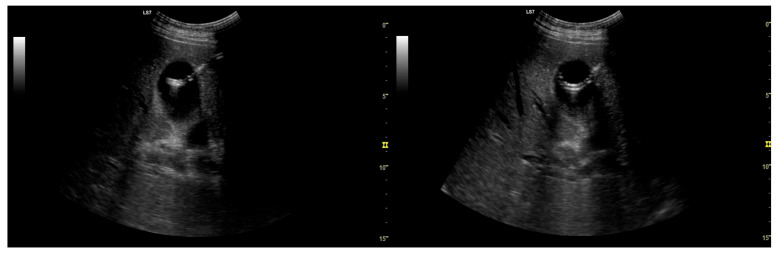 Figure 3
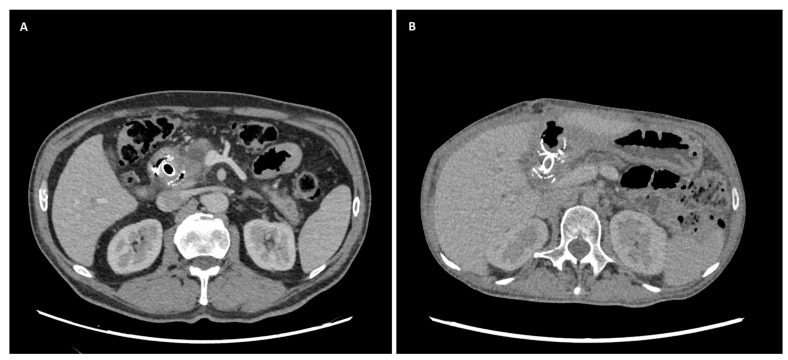 Figure 4
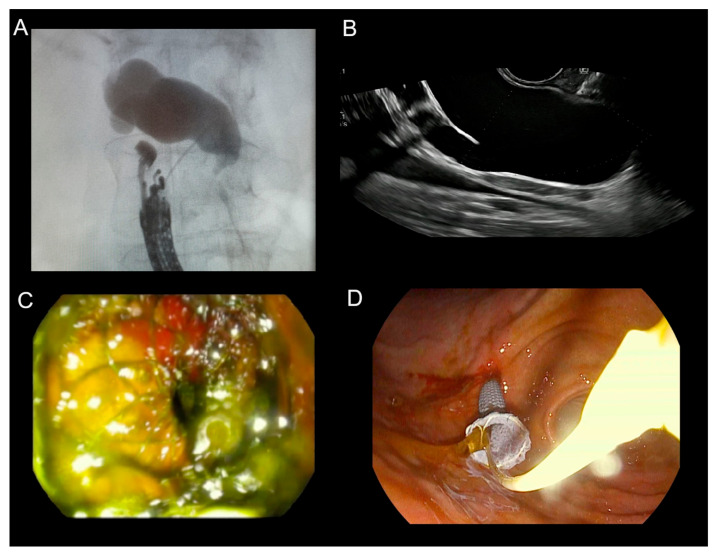 Figure 5
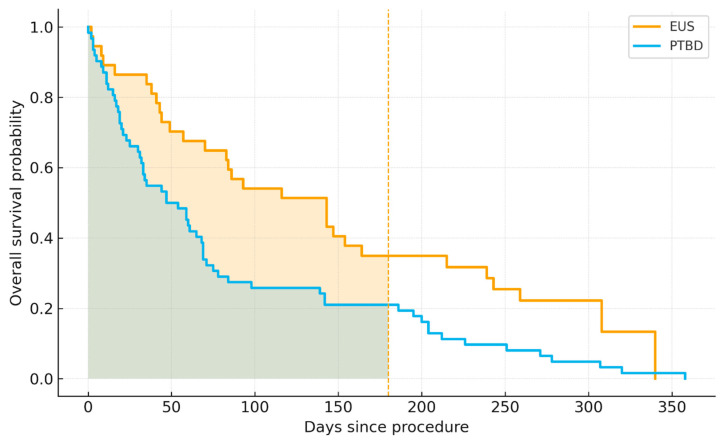 Figure 6
Peer Reviews
No public reviews on file for this paper yet. If you reviewed it on a platform where reviews are public (OpenReview, ICLR, NeurIPS, ICML), you can paste yours below so the community can read it here.
Videos
No videos yet. Explain this paper in a talk, walkthrough, or lecture? Add one.
Taxonomy
TopicsGallbladder and Bile Duct Disorders · Pancreatic and Hepatic Oncology Research · Pancreatitis Pathology and Treatment