Multistep ctDNA Monitoring of Minimal Residual Disease in Colorectal Cancer Liver Metastases: From Tissue NGS to Highly Sensitive Digital PCR Platforms
Izabela Górzyńska, Agata Konieczka, Paweł Gaj, Michał Świerniak, Tomasz Stokłosa, Michał Grąt, Oskar Kornasiewicz

TL;DR
This study shows that digital PCR can detect tiny amounts of cancer DNA in blood, helping predict cancer recurrence in colorectal cancer patients after surgery.
Contribution
A personalized multistep ctDNA monitoring approach using digital PCR for MRD detection in CRC liver metastases is introduced.
Findings
Digital PCR platforms showed 100% qualitative concordance in detecting ctDNA, outperforming traditional methods.
Ultra-low Variant Allele Frequencies were detected, identifying high molecular burdens correlating with rapid disease progression.
MRD-negative status was found in 70% of patients, indicating potential for recurrence-free survival prediction.
Abstract
Background/Objectives: Colorectal cancer (CRC) liver metastases present a significant clinical challenge due to high recurrence risks post-resection. Traditional diagnostics often fail to detect early-stage minimal residual disease (MRD). This preliminary pilot study evaluated ctDNA dynamics in 10 patients with liver metastases using a personalized multistep approach. Methods: Following primary tumor Next-Generation Sequencing (NGS) to identify somatic mutations in KRAS, NRAS, TP53, RET, APC, and WRN, custom TaqMan assays were designed for longitudinal plasma analysis. Four methodologies were compared: HRM-PCR, PNA-enhanced qPCR, and two digital platforms (dPCR and ddPCR). Results: While HRM-PCR sensitivity was limited in plasma, digital platforms demonstrated 100% qualitative concordance. MRD-negative status (VAF 0.00%) was identified in 70% of cases (P01, P03, P06, P07, P08, P09,…
Genes, proteins, chemicals, diseases, species, mutations and cell lines named across the full text — each resolved to its canonical identifier and authoritative record.
Click any figure to enlarge with its caption.
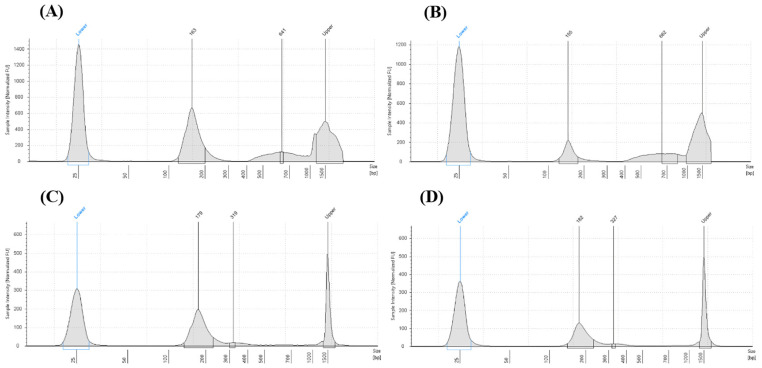 Figure 1
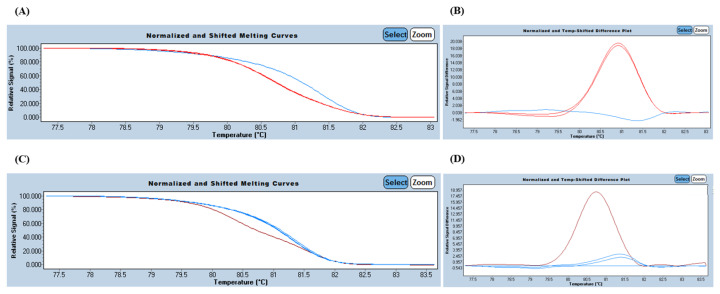 Figure 2
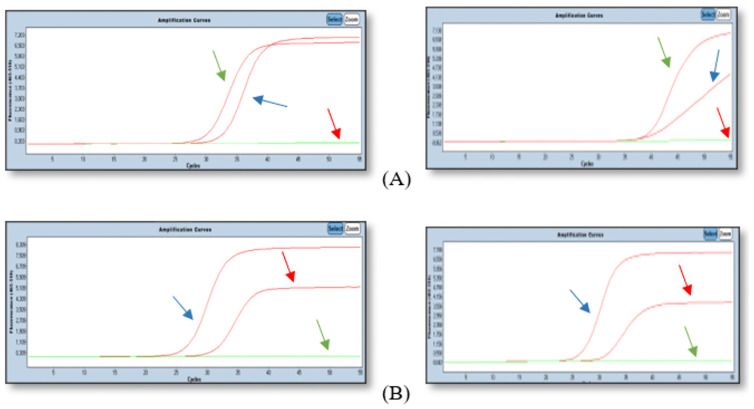 Figure 3
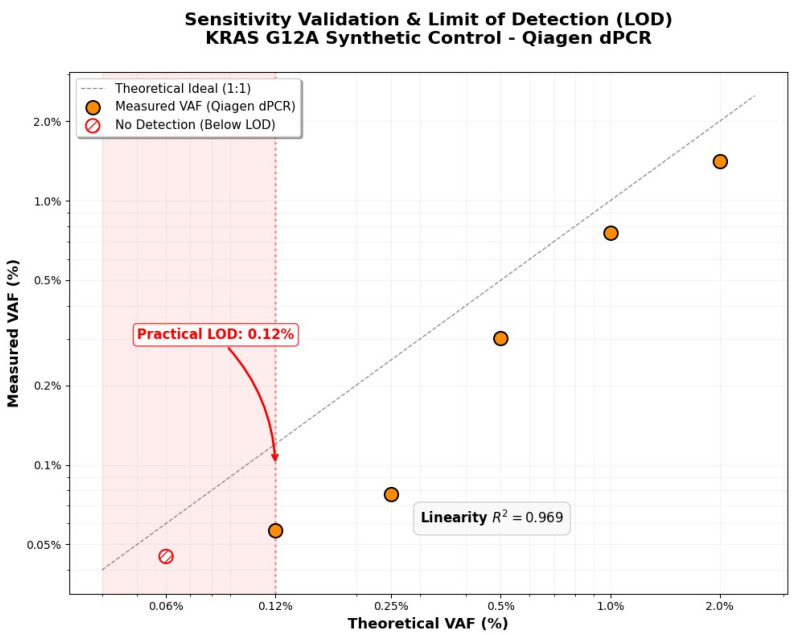 Figure 4
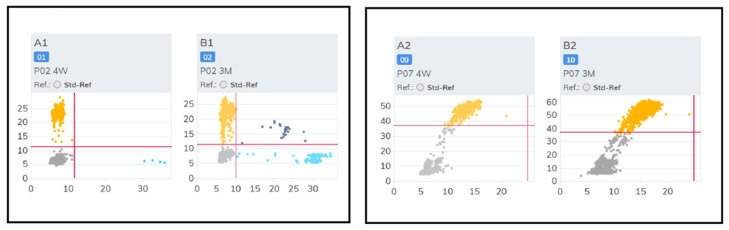 Figure 5
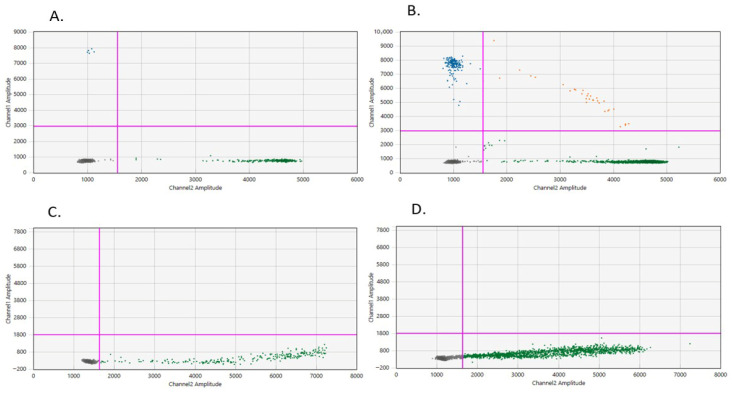 Figure 6
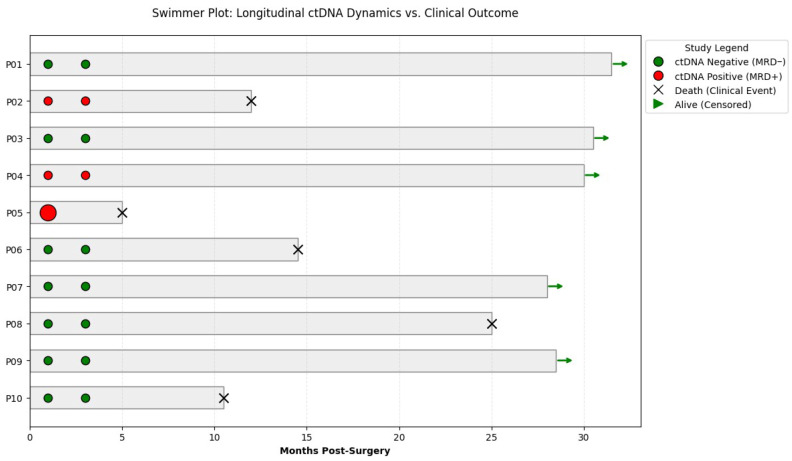 Figure 7
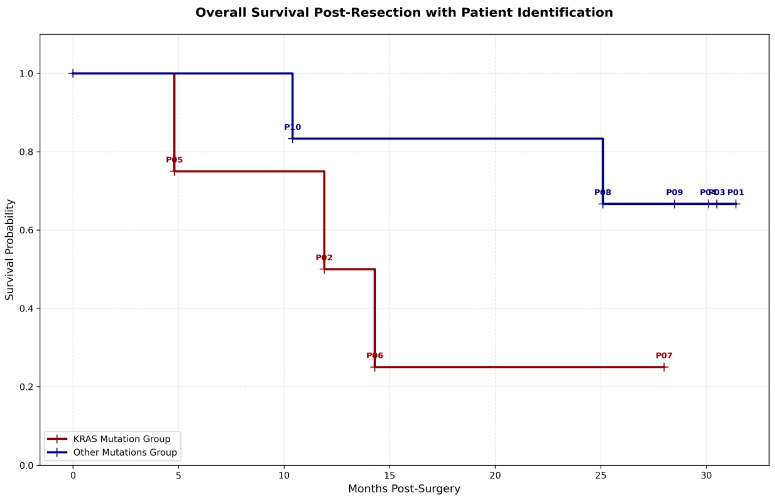 Figure 8
Peer Reviews
No public reviews on file for this paper yet. If you reviewed it on a platform where reviews are public (OpenReview, ICLR, NeurIPS, ICML), you can paste yours below so the community can read it here.
Videos
No videos yet. Explain this paper in a talk, walkthrough, or lecture? Add one.
Taxonomy
TopicsCancer Genomics and Diagnostics · Molecular Biology Techniques and Applications · Colorectal Cancer Treatments and Studies