Integrative Meta-Analysis Identifies Epithelial–Mesenchymal Transition Gene Signatures as Key Determinants of Ovarian Cancer Progression and Treatment Outcome
Matteo Cassandri, Paola Pontecorvi, Fabrizio Cece, Simona Camero, Giada Mele, Enrico Romano, Simona Ceccarelli, Roberto Rizzi, Francesco Marampon, Antonio Angeloni, Cinzia Marchese, Francesca Megiorni

TL;DR
This study finds that genes involved in epithelial-mesenchymal transition (EMT) are linked to ovarian cancer progression and treatment response, suggesting potential biomarkers for personalized therapy.
Contribution
The study identifies a novel four-gene EMT signature associated with drug sensitivity in ovarian cancer.
Findings
Recurrent genomic and transcriptomic alterations were found in EMT-associated genes in ovarian cancer.
A four-EMT gene signature (EFNA1, OVOL2, GATA3, DSG2) correlates with differential sensitivity to VEGFR and EGFR inhibitors.
EMT-driven molecular changes contribute to ovarian cancer progression and chemoresistance.
Abstract
Ovarian cancer (OC) remains one of the most lethal gynecologic malignancies, with nearly 80% of patients diagnosed at advanced stages due to the absence of early symptoms and the nonspecific nature of later clinical manifestations. This highlights the urgent need for robust molecular biomarkers that can refine patient stratification and guide personalized therapeutic approaches. A major determinant of OC aggressiveness is the epithelial-to-mesenchymal transition (EMT), a transcriptionally driven program that represses epithelial identity while promoting mesenchymal traits, thereby enhancing invasion, dissemination, recurrence, and resistance to therapy. EMT dysregulation is widespread in OC and fuels tumor heterogeneity, metastatic spread, and chemoresistance. To investigate the contribution of EMT-related genes in OC biology, we analyzed whole-genome sequencing and RNA-seq data from…
Genes, proteins, chemicals, diseases, species, mutations and cell lines named across the full text — each resolved to its canonical identifier and authoritative record.
Click any figure to enlarge with its caption.
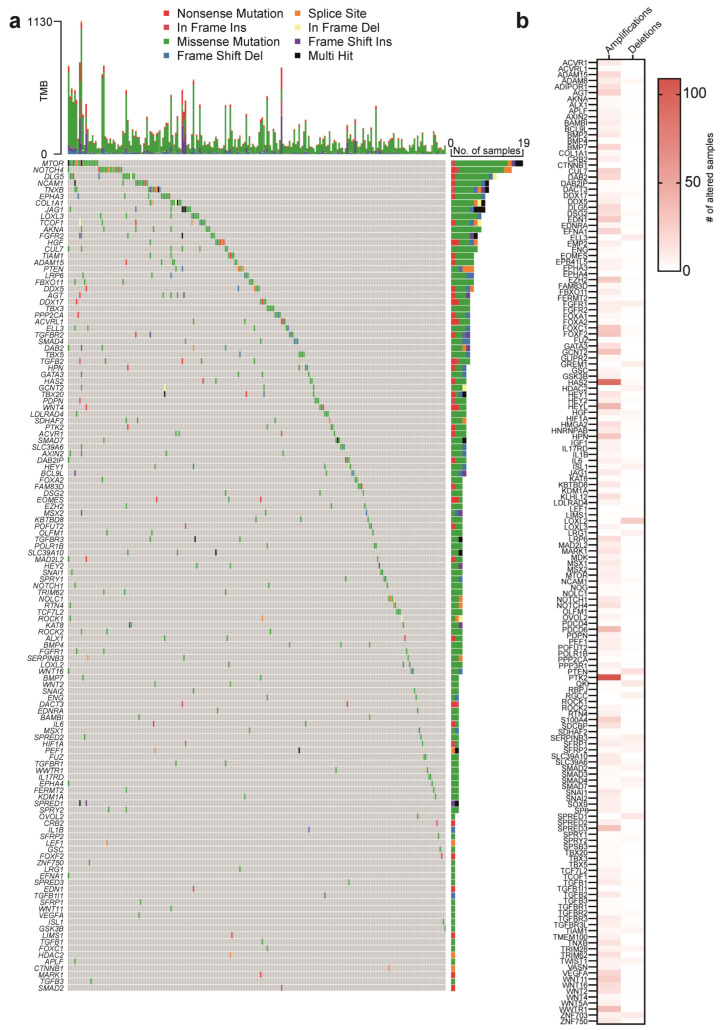 Figure 1
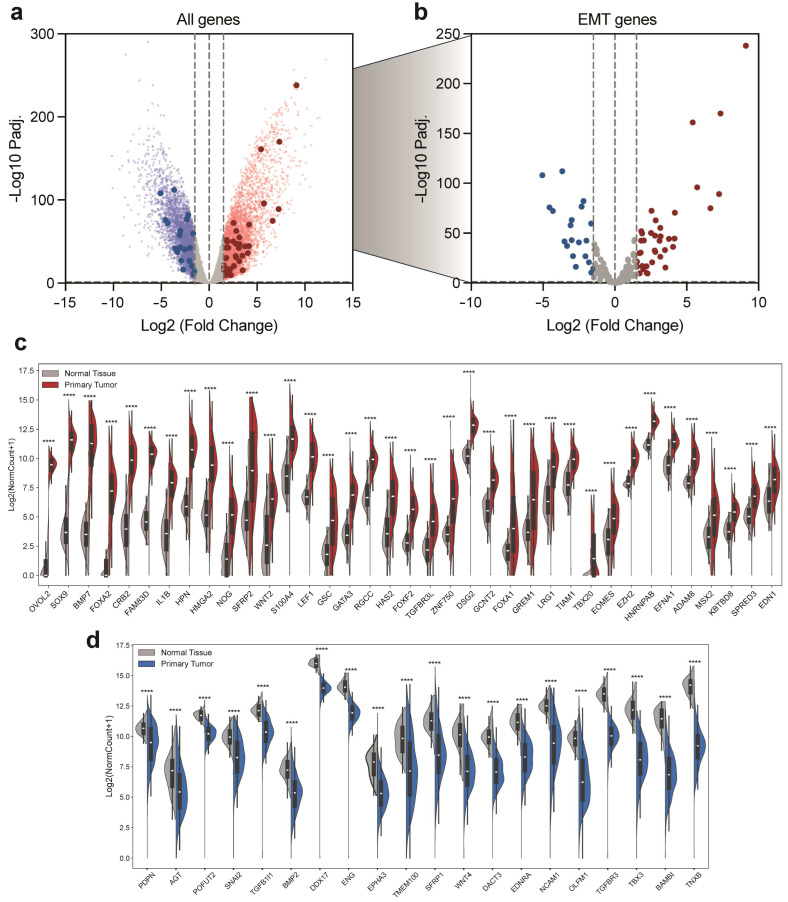 Figure 2
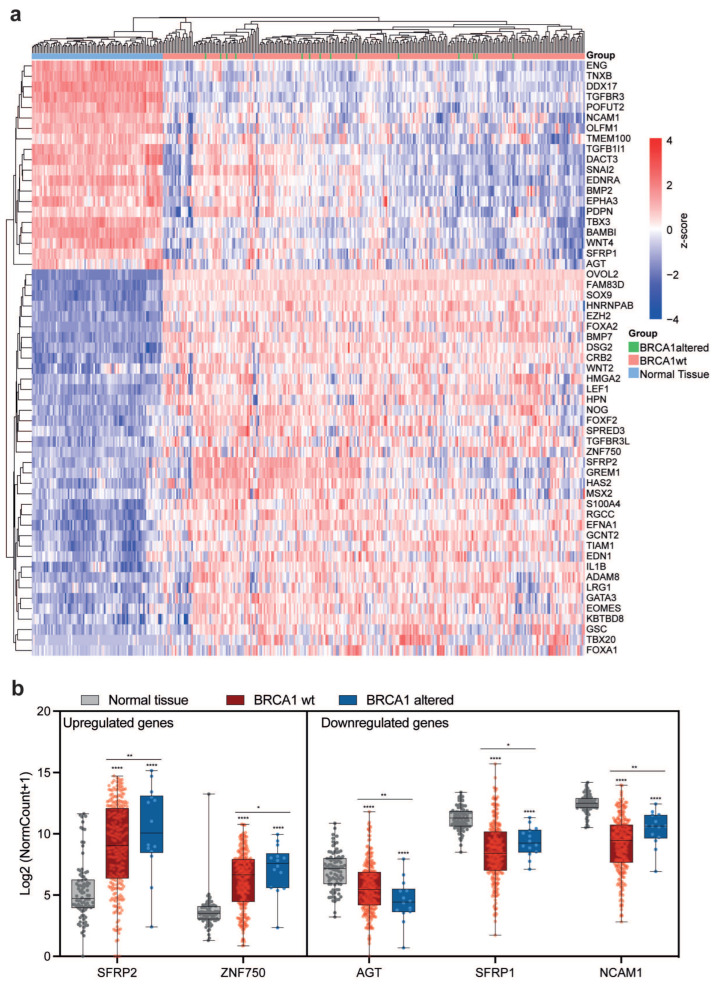 Figure 3
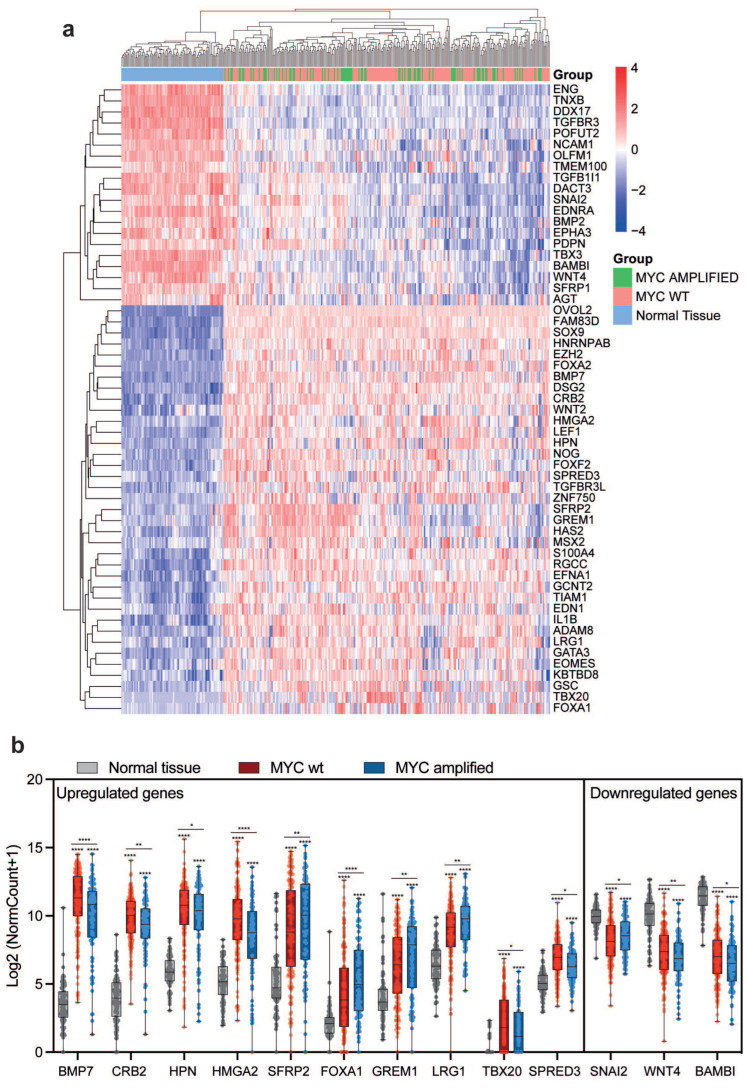 Figure 4
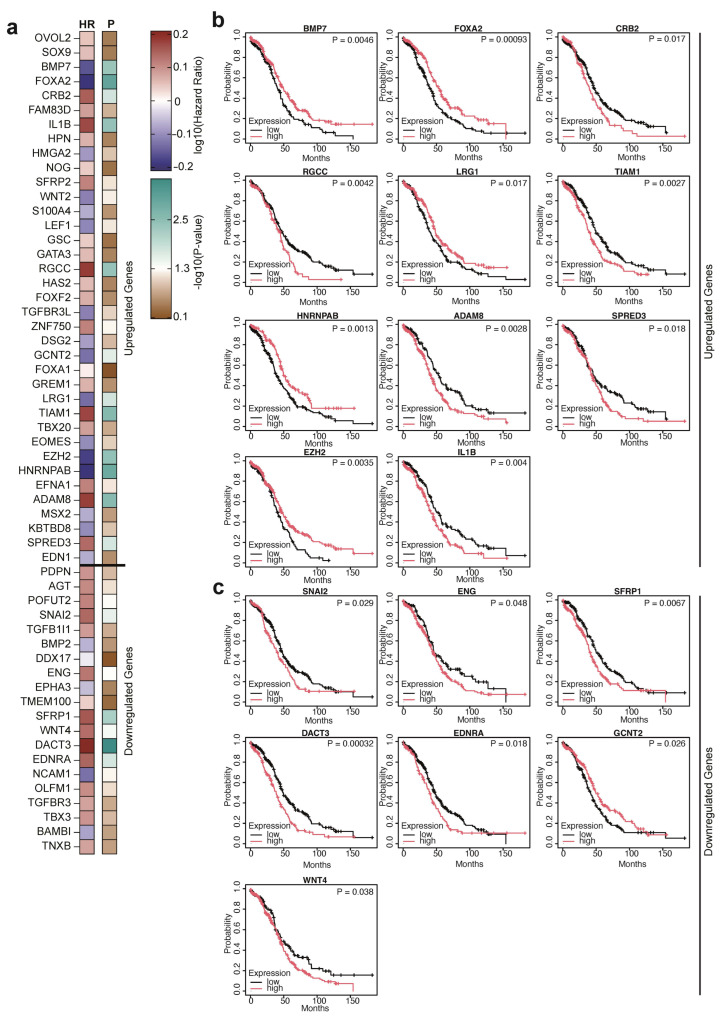 Figure 5
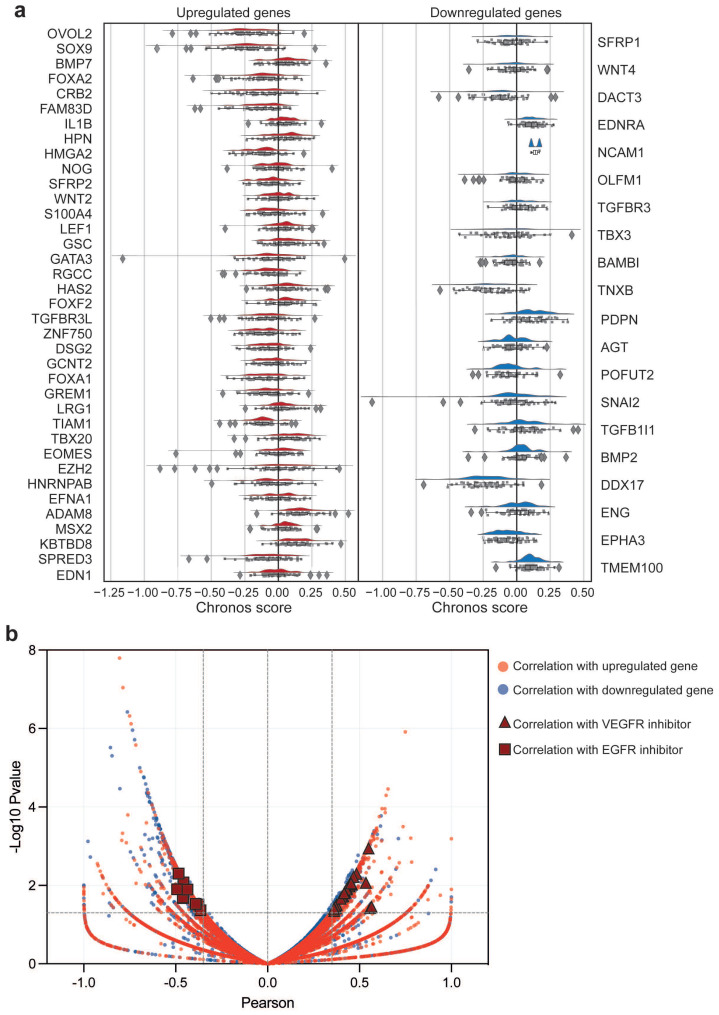 Figure 6
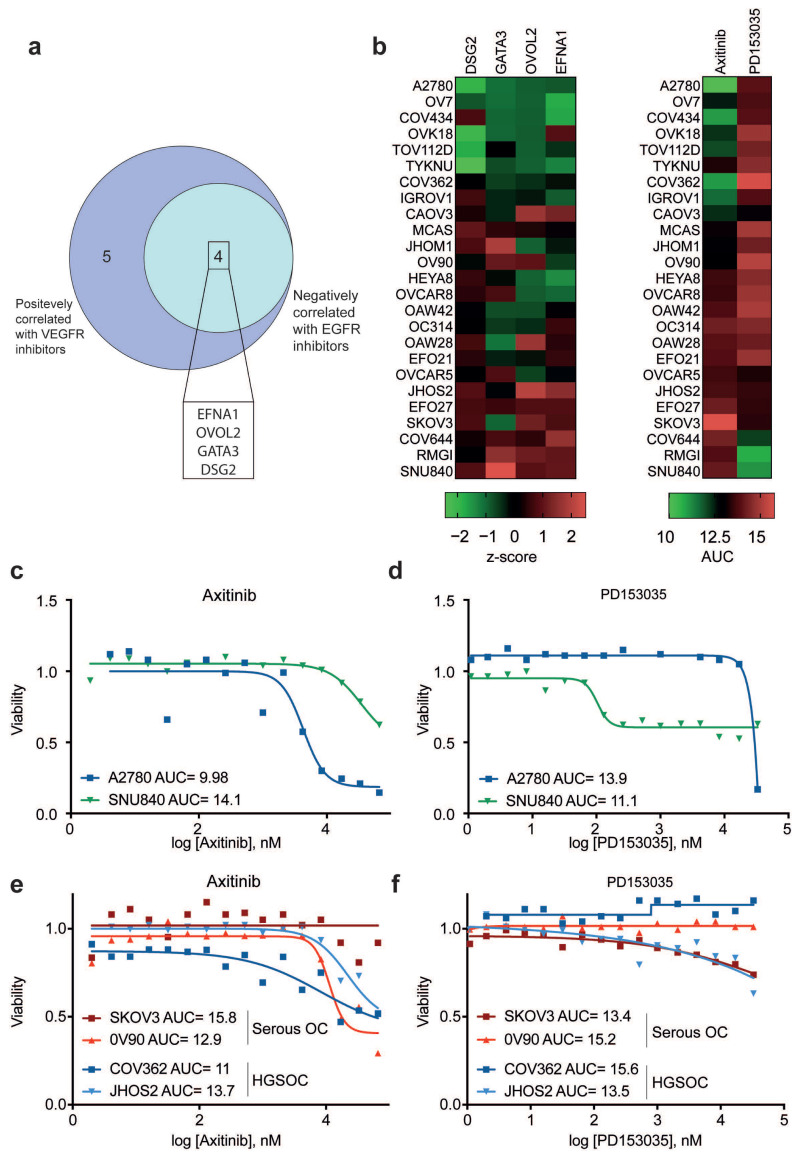 Figure 7
Peer Reviews
No public reviews on file for this paper yet. If you reviewed it on a platform where reviews are public (OpenReview, ICLR, NeurIPS, ICML), you can paste yours below so the community can read it here.
Videos
No videos yet. Explain this paper in a talk, walkthrough, or lecture? Add one.
Taxonomy
TopicsCancer Cells and Metastasis · Ovarian cancer diagnosis and treatment · Ferroptosis and cancer prognosis