Bioactive Natural Products Targeting Androgen Receptor Signaling in Prostate Cancer: A Systematic Review
Febby Pratama, Dhania Novitasari, Richa Mardianingrum, Holis Abdul Holik, Nur Kusaira Khairul Ikram, Muchtaridi Muchtaridi

TL;DR
This review explores natural compounds that can target the androgen receptor in prostate cancer, offering potential new treatments for drug-resistant cases.
Contribution
The study systematically identifies and categorizes bioactive natural products that modulate the androgen receptor signaling pathway in prostate cancer.
Findings
Natural compounds like neoisoliquiritin and α-terthienyl suppress androgen receptor activity and nuclear translocation.
α-mangostin degrades AR-V7, a resistant variant of the androgen receptor, while manzamine A inhibits AR biosynthesis via E2F8.
Compounds from Annona muricata and (-)-epicatechin modulate resistance through 5-α-reductase inhibition and ZIP9 activation.
Abstract
Prostate cancer is a leading cause of death in men, often because the disease becomes resistant to standard therapies that target male hormones. This resistance occurs when the cancer’s “control switch”, known as the androgen receptor, continues to drive growth despite treatment. This systematic review examines 15 recent studies to identify natural compounds that can successfully block this switch through various biological methods. We found that these natural substances can deactivate the receptor, break down its resistant forms, and prevent it from reaching the cell’s nucleus. The emergence of resistance, particularly in castration-resistant prostate cancer (CRPC), necessitates the exploration of innovative therapeutic approaches. This systematic review consolidates contemporary evidence regarding natural products as potential bioactive alternatives for modulating the androgen…
Genes, proteins, chemicals, diseases, species, mutations and cell lines named across the full text — each resolved to its canonical identifier and authoritative record.
Click any figure to enlarge with its caption.
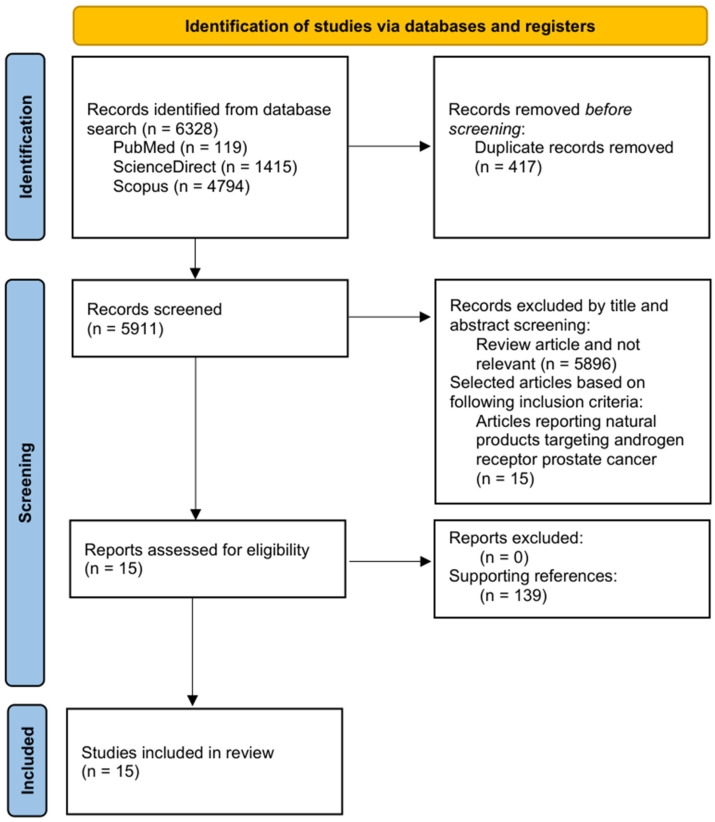 Figure 1
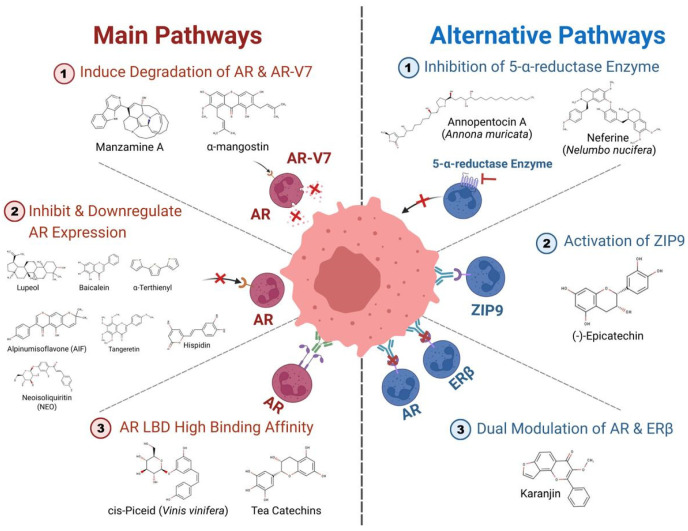 Figure 2
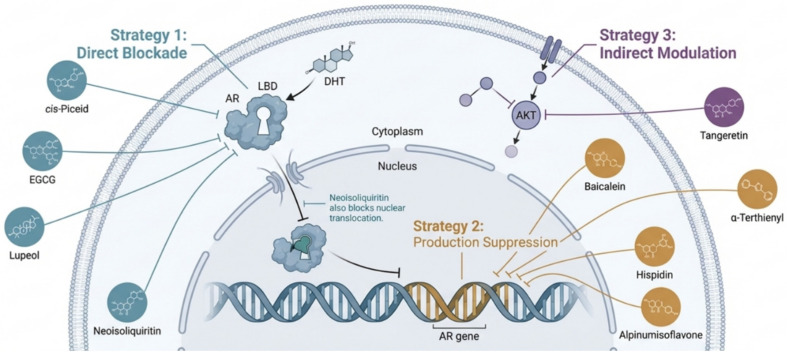 Figure 3
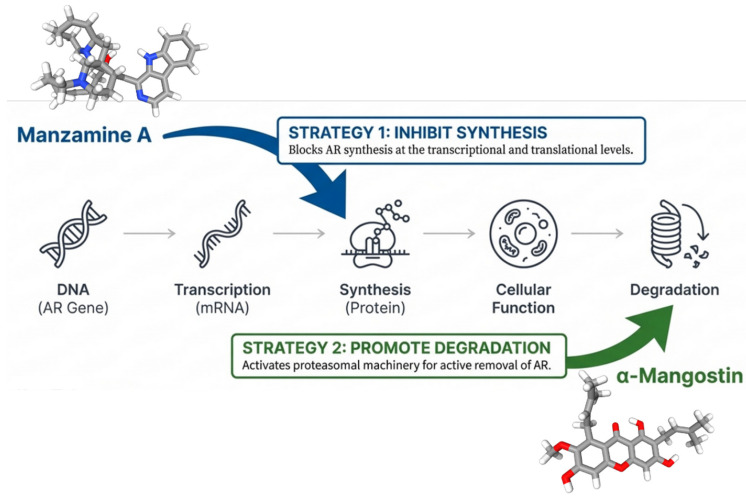 Figure 4
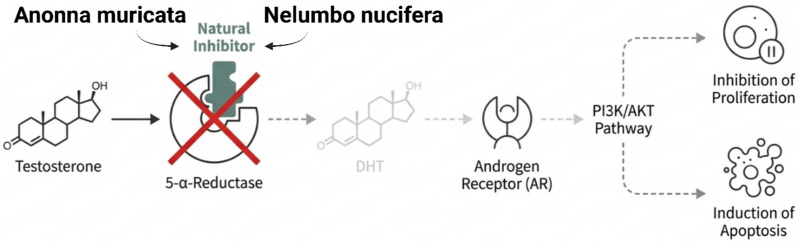 Figure 5
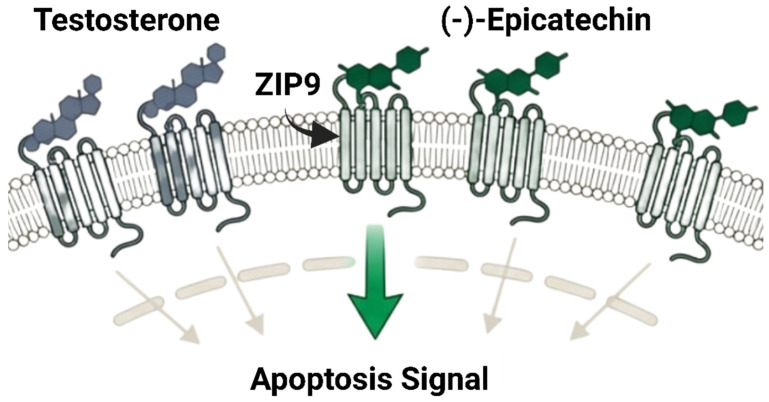 Figure 6
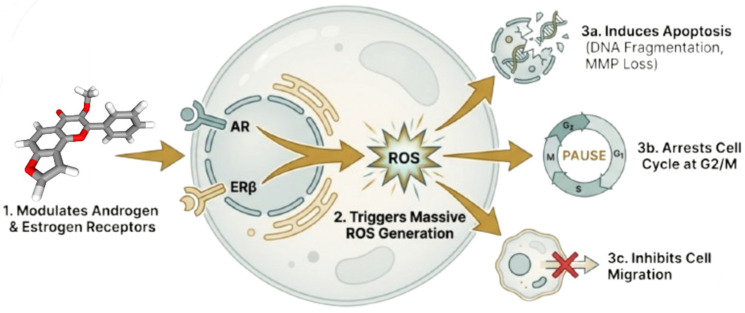 Figure 7
Peer Reviews
No public reviews on file for this paper yet. If you reviewed it on a platform where reviews are public (OpenReview, ICLR, NeurIPS, ICML), you can paste yours below so the community can read it here.
Videos
No videos yet. Explain this paper in a talk, walkthrough, or lecture? Add one.
Taxonomy
TopicsTraditional and Medicinal Uses of Annonaceae · Biological Stains and Phytochemicals · Histone Deacetylase Inhibitors Research