Flavor Formation in Goat Meat: A Lipid-Centric Comparative Study of High-Altitude and Low-Altitude Breeds
Jingjing Li, Yidan Xu, Zhenzhen Zhang, Yanqiu Huang, Nan Zhang, Wangjie Zhaxi, Zhaxi Danba, Duoji Jinmei, Tianzeng Song, Wangsheng Zhao

TL;DR
This study compares the lipid profiles and flavor compounds of high-altitude and low-altitude goat breeds to explain differences in meat flavor.
Contribution
The study identifies specific lipid-flavor compound correlations that explain the unique fruity flavor of high-altitude Xizang goat meat.
Findings
Xizang goats showed higher glycerophospholipids and specific lipid species linked to fruity esters.
Fourteen volatile organic compounds were identified as key drivers of flavor differences between the breeds.
Phospholipid-rich lipidomes in Xizang goats correlate with a more complex and preferred sensory profile.
Abstract
Flavor is a pivotal determinant of goat meat quality, influenced by multiple factors. This study investigated flavor formation from a lipid perspective by comparing two distinct breeds at two years old and fed the same diet: the high-altitude Xizang goat (XG; n = 6, 26.23 ± 0.72 kg), renowned for its unique meat flavor, and the low-altitude meat-type Jianzhou big-ear goat (JBG; n = 6, 63.93 ± 0.98 kg). Lipid profiles were analyzed using liquid chromatography–tandem mass spectrometry (LC–MS/MS), and flavor variations were assessed using gas chromatography–mass spectrometry (GC–MS). We identified 630 significantly differential lipids (VIP > 1, p < 0.05) between the breeds. The XG group exhibited a distinct lipid composition characterized by a higher proportion of glycerophospholipids (45.1%) and the upregulation of specific species such as PC (13:0_16:0) and PE(16:0_20:5), whereas…
Genes, proteins, chemicals, diseases, species, mutations and cell lines named across the full text — each resolved to its canonical identifier and authoritative record.
Click any figure to enlarge with its caption.
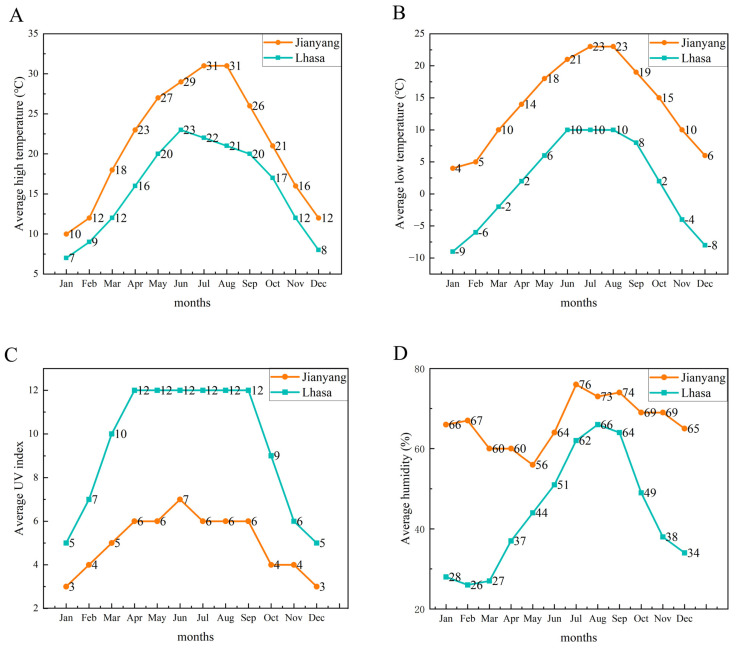 Figure 1
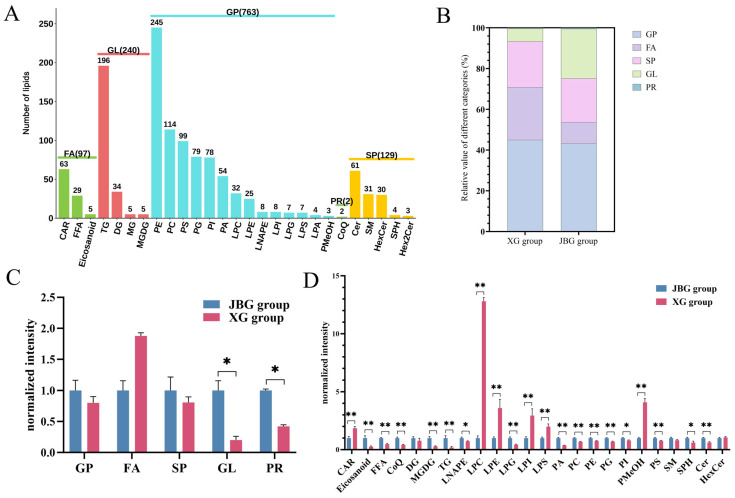 Figure 2
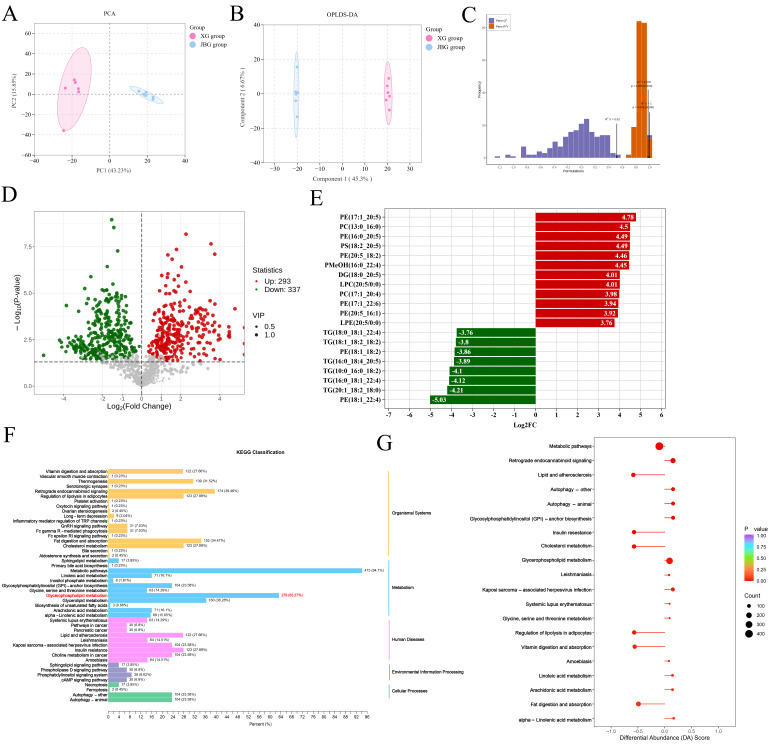 Figure 3
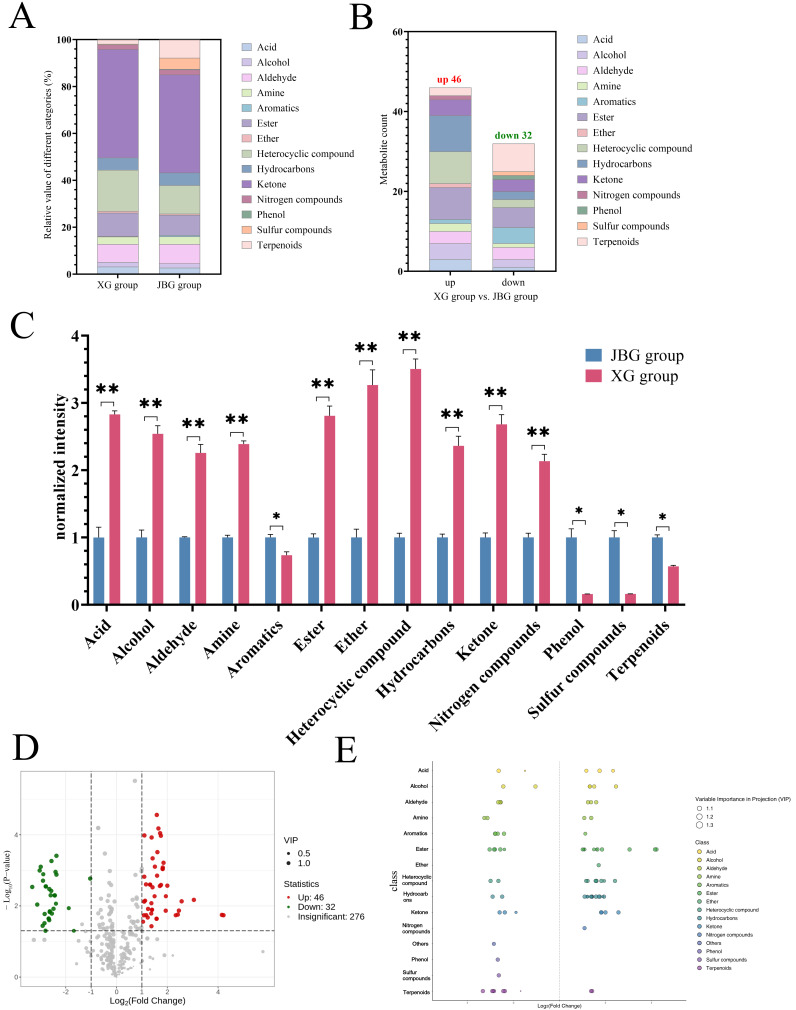 Figure 4
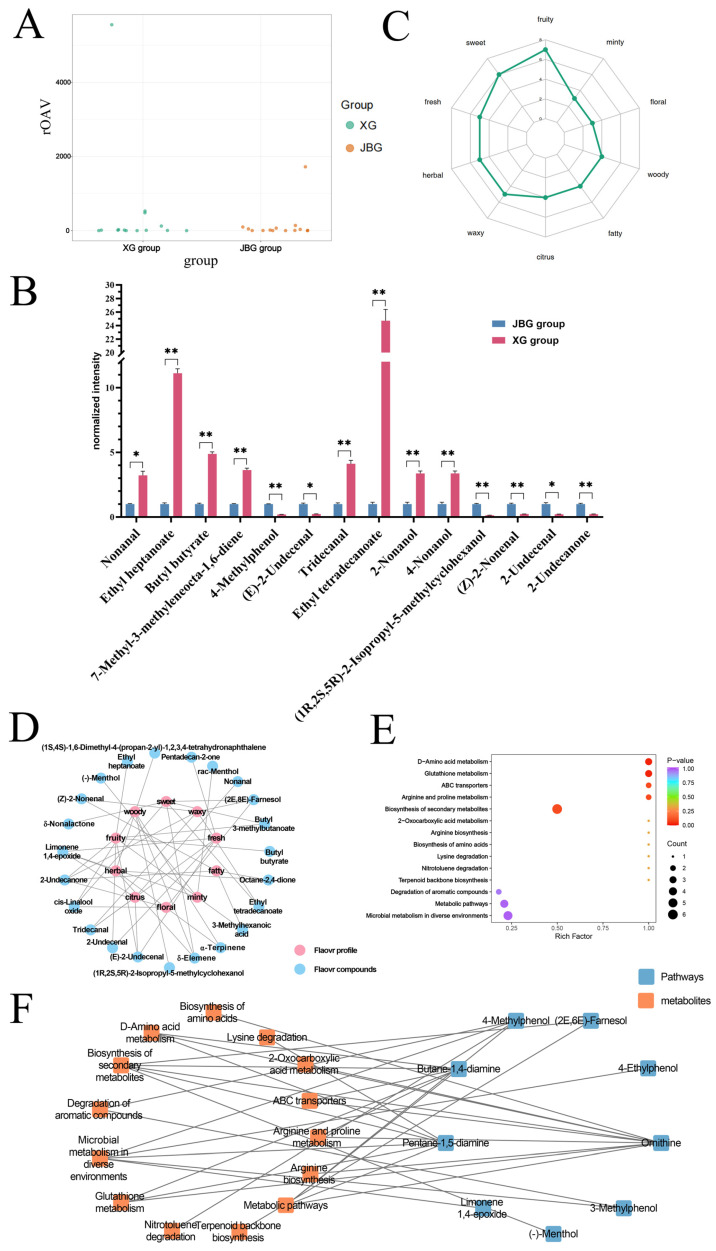 Figure 5
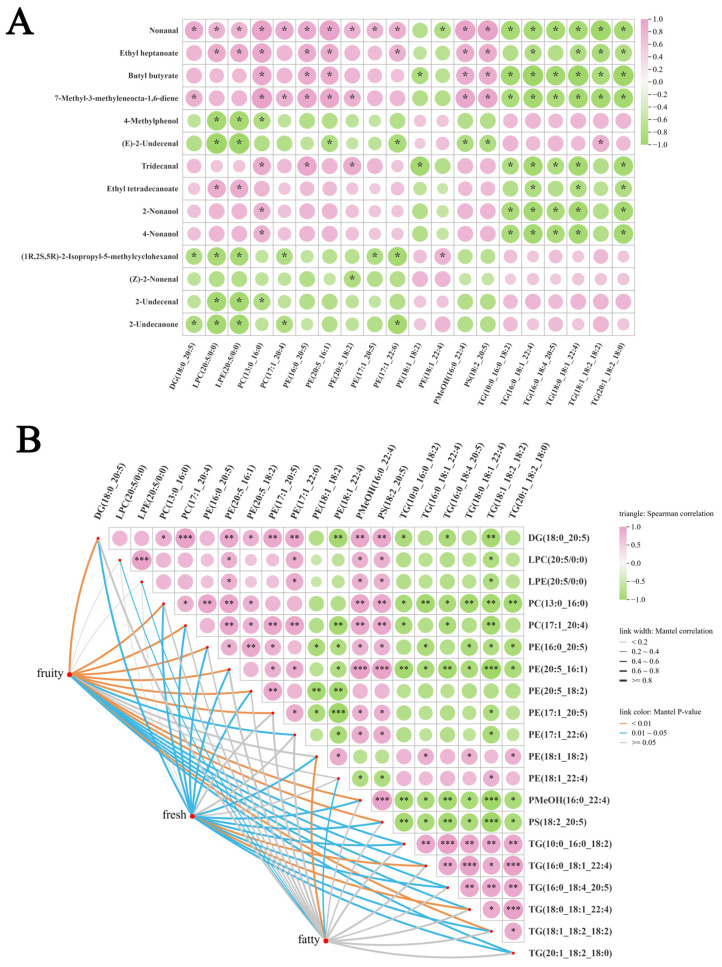 Figure 6
Peer Reviews
No public reviews on file for this paper yet. If you reviewed it on a platform where reviews are public (OpenReview, ICLR, NeurIPS, ICML), you can paste yours below so the community can read it here.
Videos
No videos yet. Explain this paper in a talk, walkthrough, or lecture? Add one.
Taxonomy
TopicsMeat and Animal Product Quality · Ruminant Nutrition and Digestive Physiology · Fatty Acid Research and Health