First Report on the Acoustic Signals of Lahille’s Bottlenose Dolphins in Argentina
Gisela Giardino, Agustina Macchi, Margherita Silvestri, Franck Malige, Ricardo Bastida, Mauricio Soto-Gamboa, Iván A. Hinojosa, Diego Rodríguez, Ignacio Rabinovich, Herve Glotin, Julie Patris

TL;DR
This study is the first to describe the sounds made by Lahille’s bottlenose dolphins in Argentina, helping to monitor and protect this endangered species.
Contribution
The first detailed acoustic characterization of Lahille’s bottlenose dolphins in Argentina using passive acoustic monitoring.
Findings
Dolphin activity is mainly diurnal and synchronized with the tidal cycle, especially during the ebbing tide.
The acoustic repertoire includes echolocation clicks, whistles, bray-calls, and chirps with specific frequency ranges.
Whistle frequencies overlap with other regional populations, while echolocation clicks are broadband with a peak around 40 kHz.
Abstract
Lahille’s bottlenose dolphin is the most endangered small cetacean in Argentina. While it was once common along the northern coast of Buenos Aires, the population collapsed in the 1980s and 1990s due to overfishing and pollutants, leaving only small, isolated groups today. These fragmented and small populations are difficult to study using traditional visual studies. In this study, we used passive acoustic monitoring—underwater sound recorders—to detect dolphins in the turbid inner channels of the Bahía Blanca Estuary. We provide the first detailed description of the species’ acoustic signals in Argentina, including echolocation clicks and communication whistles. Our results reveal that dolphin activity is predominantly diurnal and strongly synchronized with the tidal cycle, particularly during the ebbing tide. These findings suggest that dolphins coordinate their movements with water…
Genes, proteins, chemicals, diseases, species, mutations and cell lines named across the full text — each resolved to its canonical identifier and authoritative record.
Click any figure to enlarge with its caption.
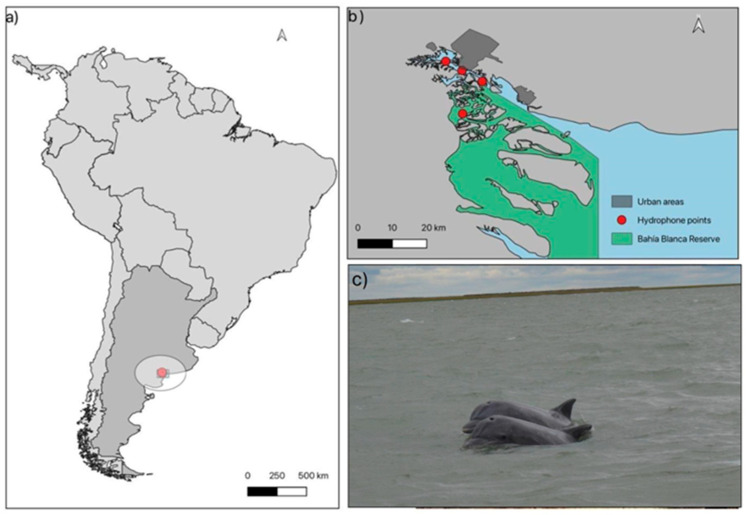 Figure 1
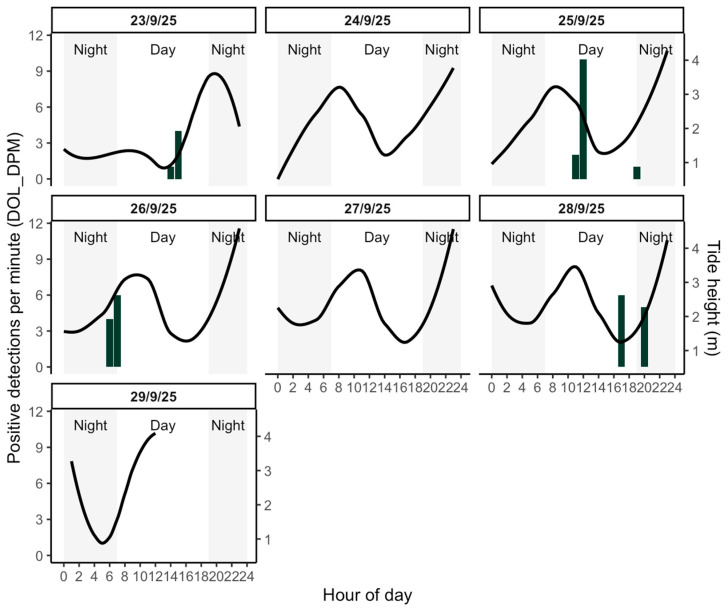 Figure 2
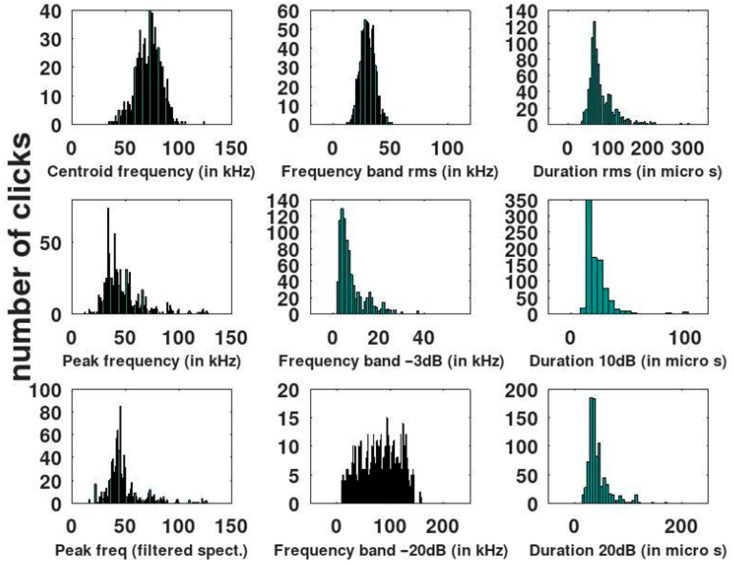 Figure 3
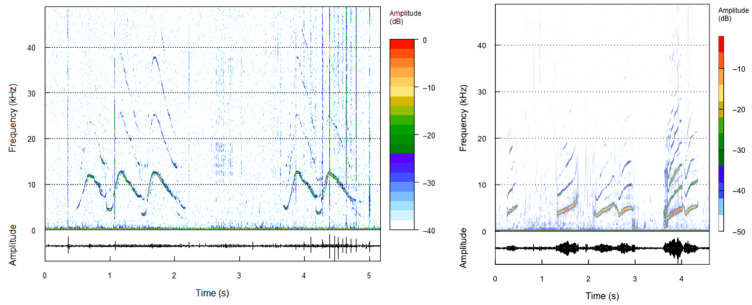 Figure 4
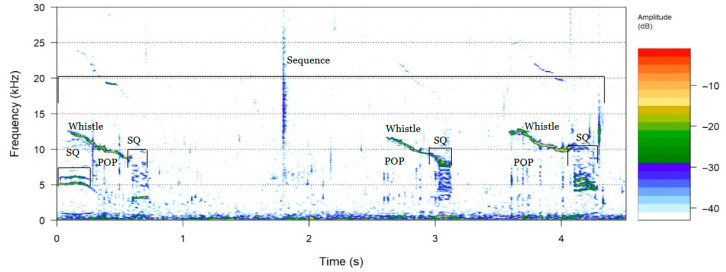 Figure 5
Peer Reviews
No public reviews on file for this paper yet. If you reviewed it on a platform where reviews are public (OpenReview, ICLR, NeurIPS, ICML), you can paste yours below so the community can read it here.
Videos
No videos yet. Explain this paper in a talk, walkthrough, or lecture? Add one.
Taxonomy
TopicsMarine animal studies overview · Ichthyology and Marine Biology · Animal Vocal Communication and Behavior