Ketamine as a Bridge Therapy: Reducing Acute Suicidality in Hospital Settings
Paul E. Lie, Titus Y. Lie, Madeleine Nguyen, Donald Y. C. Lie

TL;DR
This paper reviews ketamine's potential as a fast-acting treatment to reduce acute suicidality while waiting for traditional antidepressants to take effect.
Contribution
Proposes a novel hypothetical framework for using ketamine as a bridge therapy to fill the latency gap of SSRIs in treating acute suicidality.
Findings
Ketamine's mechanism of action is faster than SSRIs, reducing the risk period for suicidal behaviors.
Controlled clinical use of ketamine shows low addiction risks compared to recreational use.
The proposed 'Bridge Protocol' requires further validation through longitudinal studies.
Abstract
This narrative literature review explores the clinical use of Ketamine as part of an untested hypothetical model framework for bridge therapy for acute suicidality. Long-term suicide rates continue to increase in the United States and in many other countries, creating a pressing public health challenge with a variety of treatment considerations. Existing standard-of-care SSRI therapeutics have a delay between administration and symptom relief at 2–6 weeks, leaving a so-called danger zone of about 1–3 months of risk for suicidal follow-through behaviors. Ketamine, a potent NMDA (N-methyl-D-aspartate) receptor antagonist, has recently seen widespread interest in both regulatory and clinical settings for increasing neuroplasticity and alleviating depressive symptoms. Ketamine’s mechanism-of-action through mTORC1 is much faster than SSRI’s downstream transcriptional regulation, leading to…
Genes, proteins, chemicals, diseases, species, mutations and cell lines named across the full text — each resolved to its canonical identifier and authoritative record.
Click any figure to enlarge with its caption.
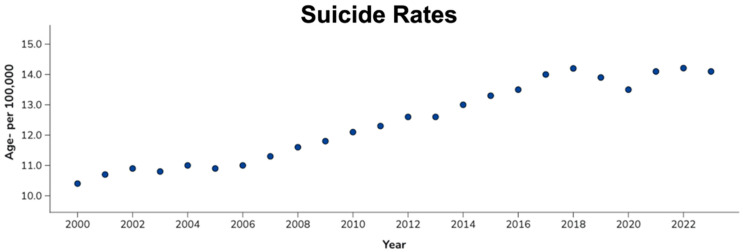 Figure 1
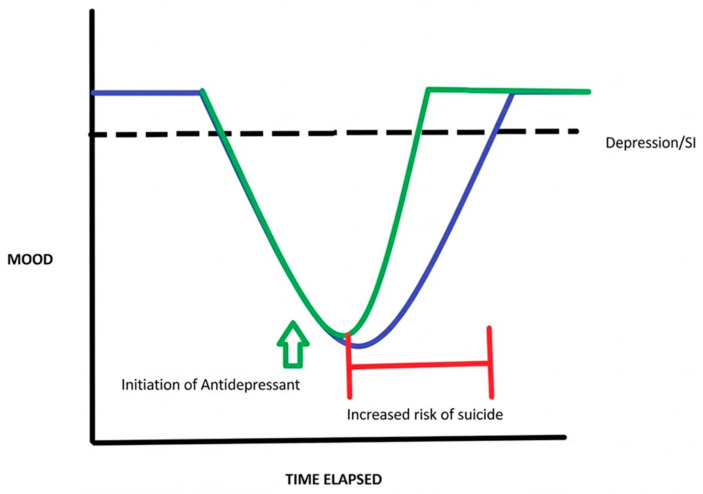 Figure 2
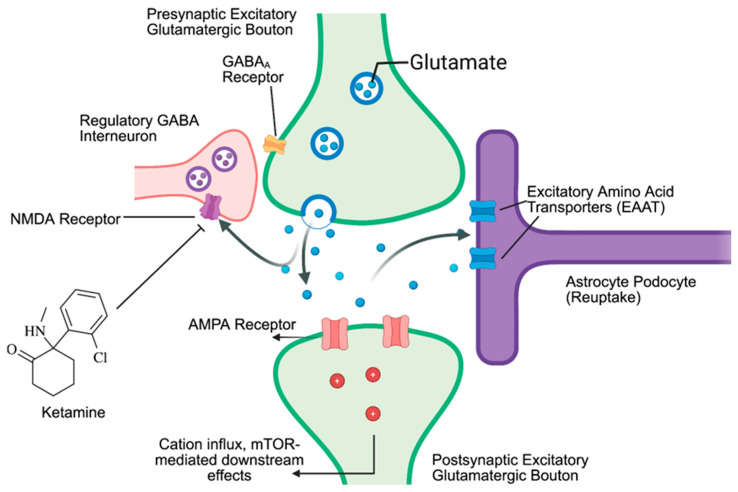 Figure 3
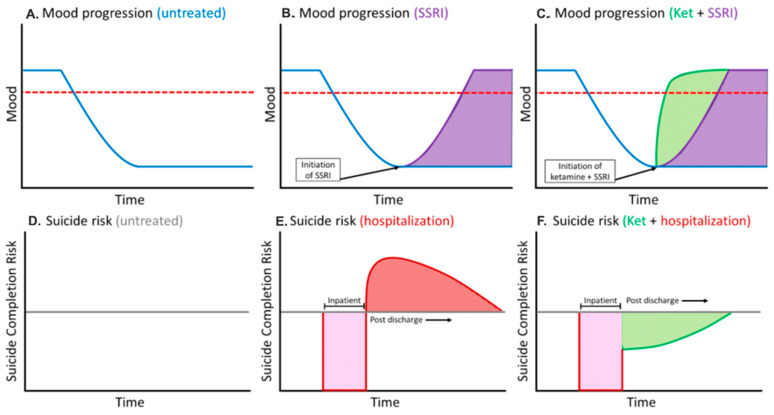 Figure 4
Peer Reviews
No public reviews on file for this paper yet. If you reviewed it on a platform where reviews are public (OpenReview, ICLR, NeurIPS, ICML), you can paste yours below so the community can read it here.
Videos
No videos yet. Explain this paper in a talk, walkthrough, or lecture? Add one.
Taxonomy
TopicsTreatment of Major Depression · Neurotransmitter Receptor Influence on Behavior · Tryptophan and brain disorders