In Vitro Thrombogenicity Evaluation of Hemodialyzers
Adam M. Zawada, Robert Nitschel, Craig Kamerath, Nathan Crook, Skyler Boyington, Ansgar Erlenkoetter

TL;DR
This study evaluates how different hemodialyzers affect blood clotting in a lab setting, focusing on a new dialyzer with a more hydrophilic membrane.
Contribution
The study provides guidance for in vitro thrombogenicity testing of dialyzers and identifies factors influencing results.
Findings
The FX CorAL dialyzer showed the lowest platelet activation and complement activation compared to other dialyzers.
Dialyzer type had the strongest impact on thrombogenicity results compared to dialysate or electrolyte composition.
No significant differences were found among dialyzers regarding plasmatic coagulation.
Abstract
Investigation of dialyzer thrombogenicity is a critical step during the development of a new dialyzer. Novel dialyzer membranes aim to reduce the inherent thrombogenic potential of artificial surfaces by, e.g., increasing membrane hydrophilicity. Reliable in vitro testing is fundamental during dialyzer development and must be in line with the current standards. Using the novel FX CorAL dialyzer with its increased membrane hydrophilicity as an example, this study characterizes dialyzer thrombogenicity in an in vitro test setup in line with ISO 10993-4 and identifies factors which influence dialyzer thrombogenicity. In a recirculation setup with human blood, platelet activation (platelet counts, β-thromboglobulin, platelet adsorption), coagulation (thrombin–antithrombin III complex) and complement activation (sC5b-9) were investigated among polysulfone- (FX CorAL, FX CorDiax, Optiflux,…
Genes, proteins, chemicals, diseases, species, mutations and cell lines named across the full text — each resolved to its canonical identifier and authoritative record.
Click any figure to enlarge with its caption.
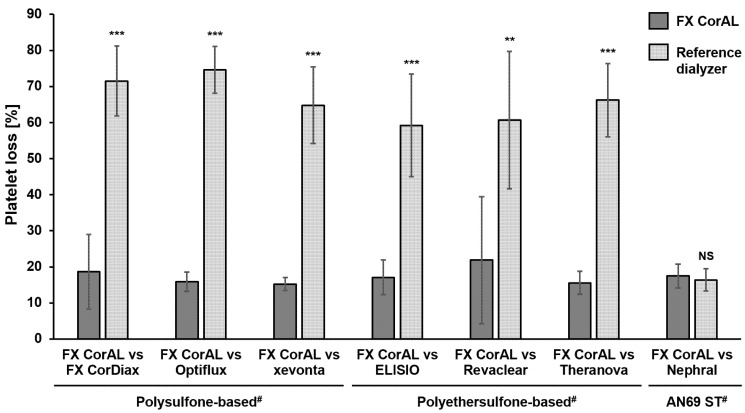 Figure 1
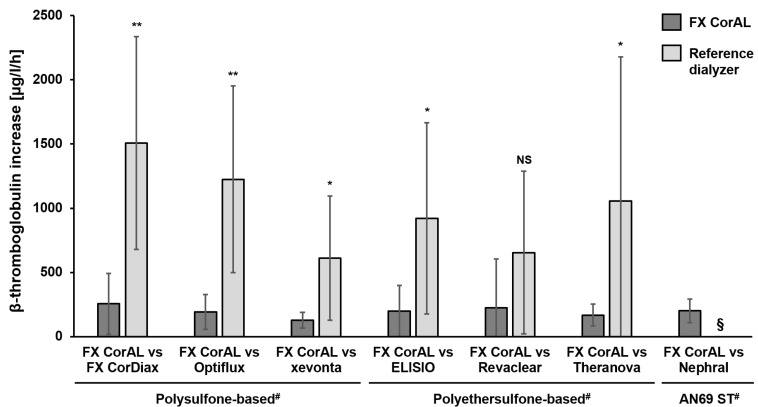 Figure 2
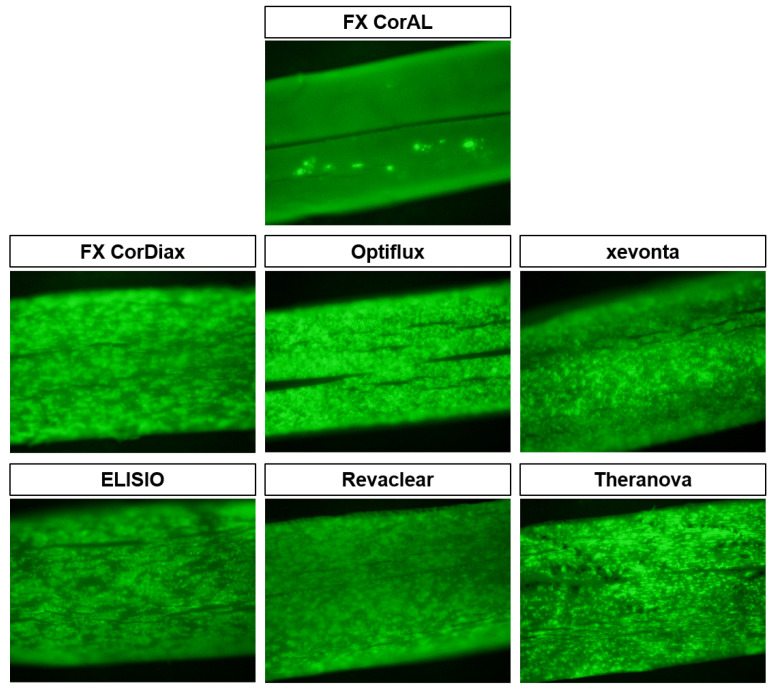 Figure 3
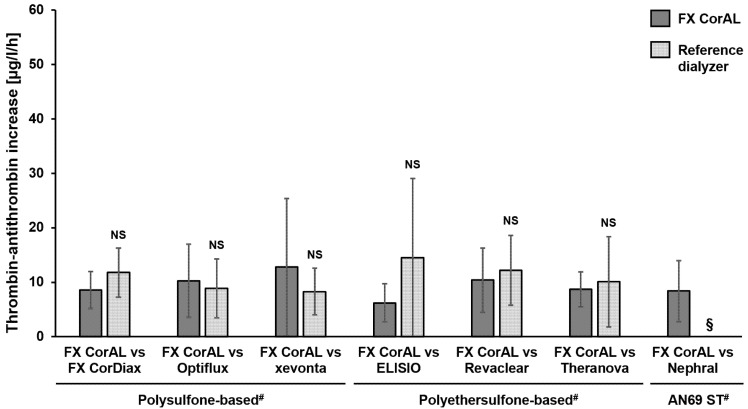 Figure 4
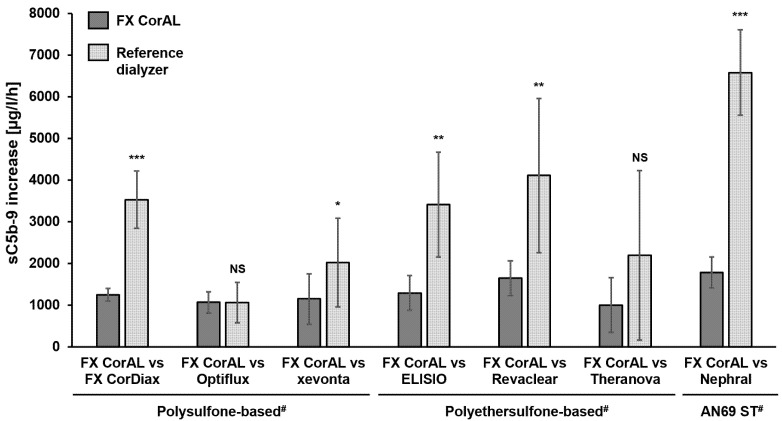 Figure 5
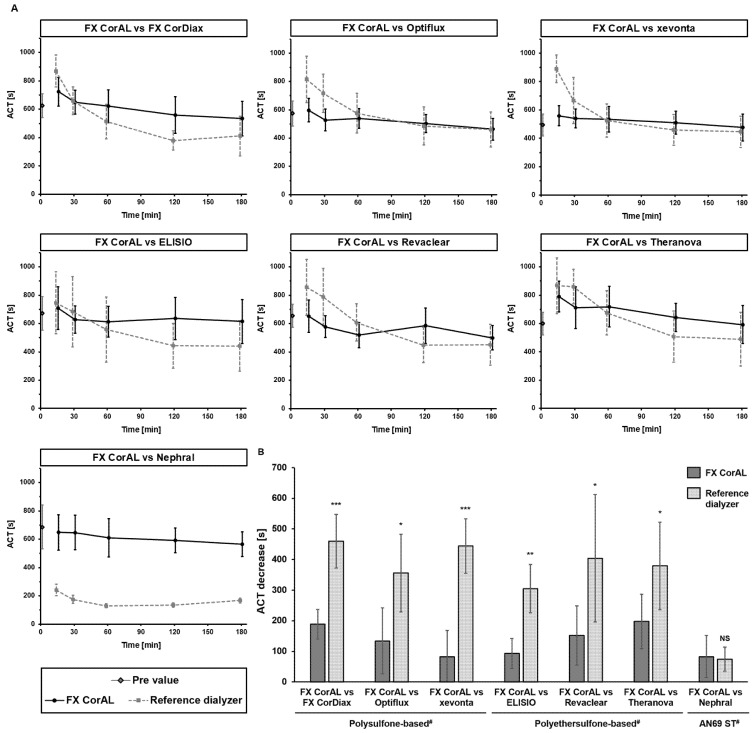 Figure 6
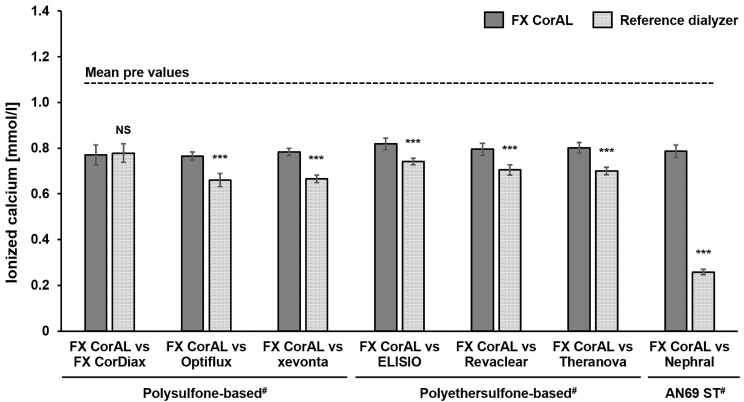 Figure 7
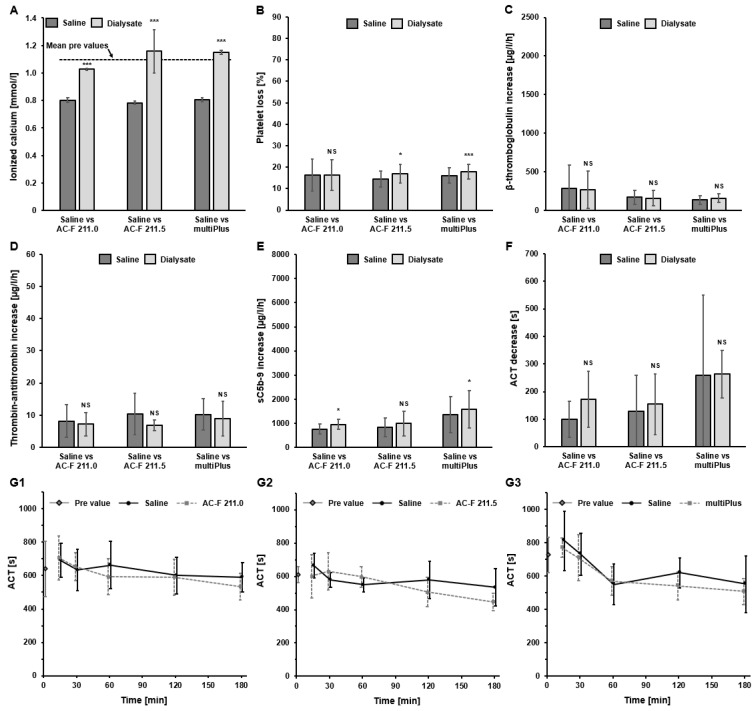 Figure 8
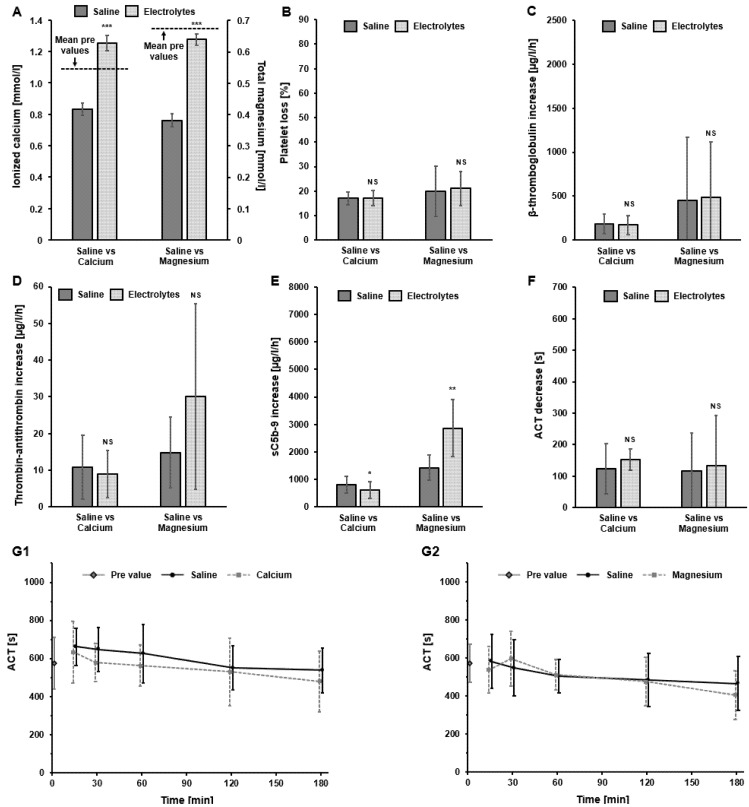 Figure 9
 Figure 10
Peer Reviews
No public reviews on file for this paper yet. If you reviewed it on a platform where reviews are public (OpenReview, ICLR, NeurIPS, ICML), you can paste yours below so the community can read it here.
Videos
No videos yet. Explain this paper in a talk, walkthrough, or lecture? Add one.
Taxonomy
TopicsDialysis and Renal Disease Management · Polymer Surface Interaction Studies · Enzyme Catalysis and Immobilization