The CDO1–ACSM3 Axis Mediates Renal Tubule Lipid Deposition and Injury by Causing Mitochondrial Dysfunction in Lupus Nephritis
Zibo Zhang, Jinxi Liu, Yunhe Liu, Liwei Wang, Zekun Li, Yan Dong, Yuexin Tian, Xinyan Miao, Qingjuan Liu, Wei Zhang, Huifang Guo, Lingling Xing, Lin Yang, Xiaojuan Feng, Shuxia Liu

TL;DR
The study identifies a new mechanism involving CDO1 and ACSM3 that causes kidney damage in lupus nephritis by disrupting mitochondrial function and lipid buildup.
Contribution
The novel contribution is the discovery of the CDO1–ACSM3 axis as a mediator of renal tubule injury through mitochondrial dysfunction in lupus nephritis.
Findings
CDO1 downregulates ACSM3, leading to mitochondrial dysfunction and lipid deposition in renal tubules.
ACSM3 deficiency causes mitochondrial abnormalities and worsens kidney injury in lupus nephritis.
CDO1 and ACSM3 are potential therapeutic targets for treating lupus nephritis.
Abstract
What are the main findings? In Lupus nephritis, CDO1 downregulated ACSM3 expression, leading to mitochondrial morphology disorder and dysfunction, which in turn mediates renal tubular lipid deposition and injury. In Lupus nephritis, CDO1 downregulated ACSM3 expression, leading to mitochondrial morphology disorder and dysfunction, which in turn mediates renal tubular lipid deposition and injury. What is the implication of the main finding? CDO1 and ACSM3 are potential therapeutic targets for lupus nephritis. CDO1 and ACSM3 are potential therapeutic targets for lupus nephritis. Renal tubular injury plays a critical role in the progression of lupus nephritis (LN); however, the underlying mechanisms remain poorly understood. In this study, we found that CDO1 expression was significantly positively correlated with the degree of renal tubular injury in renal tissues from LN patients.…
Genes, proteins, chemicals, diseases, species, mutations and cell lines named across the full text — each resolved to its canonical identifier and authoritative record.
Click any figure to enlarge with its caption.
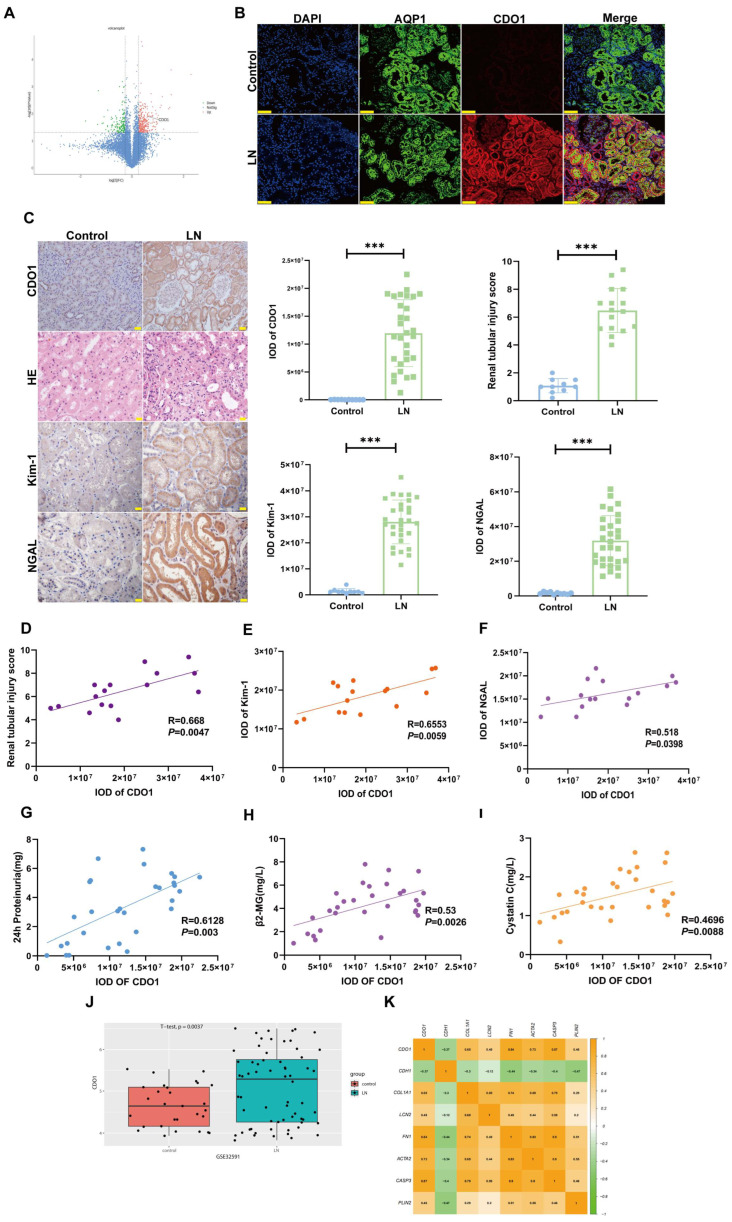 Figure 1
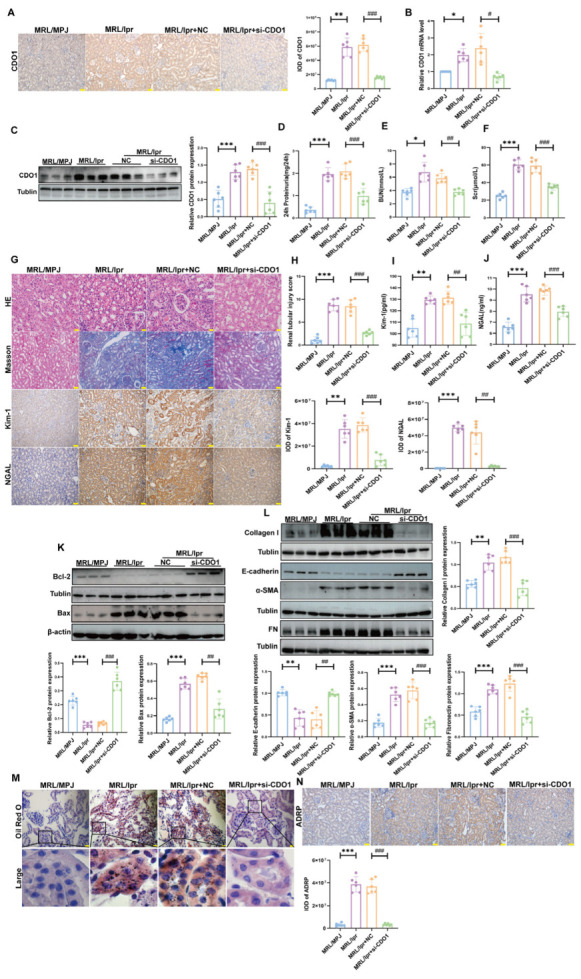 Figure 2
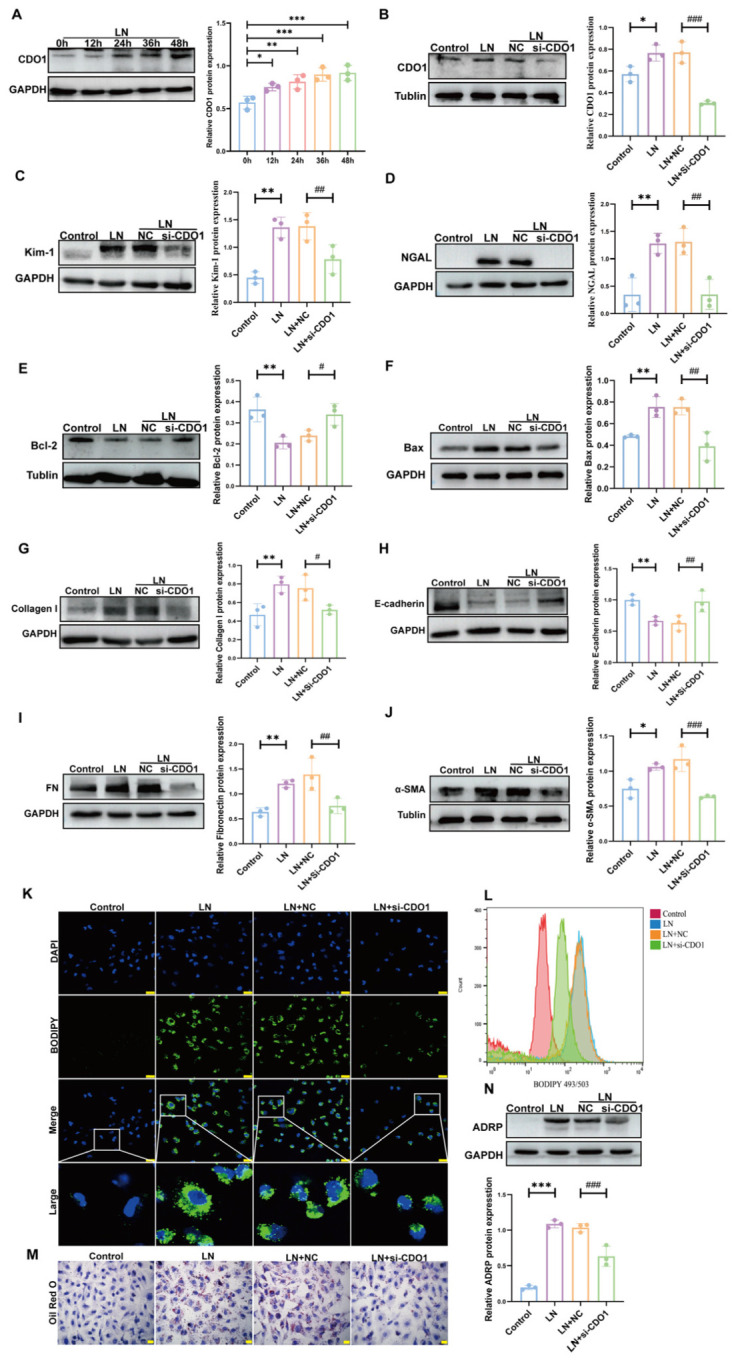 Figure 3
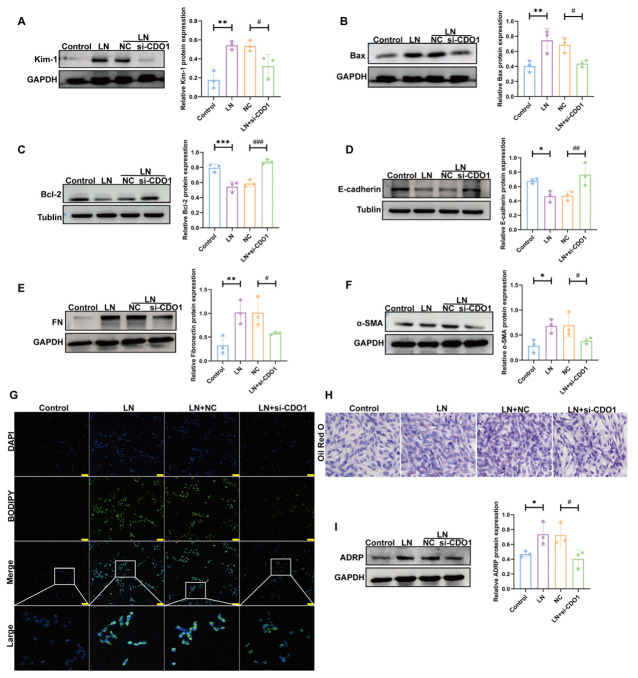 Figure 4
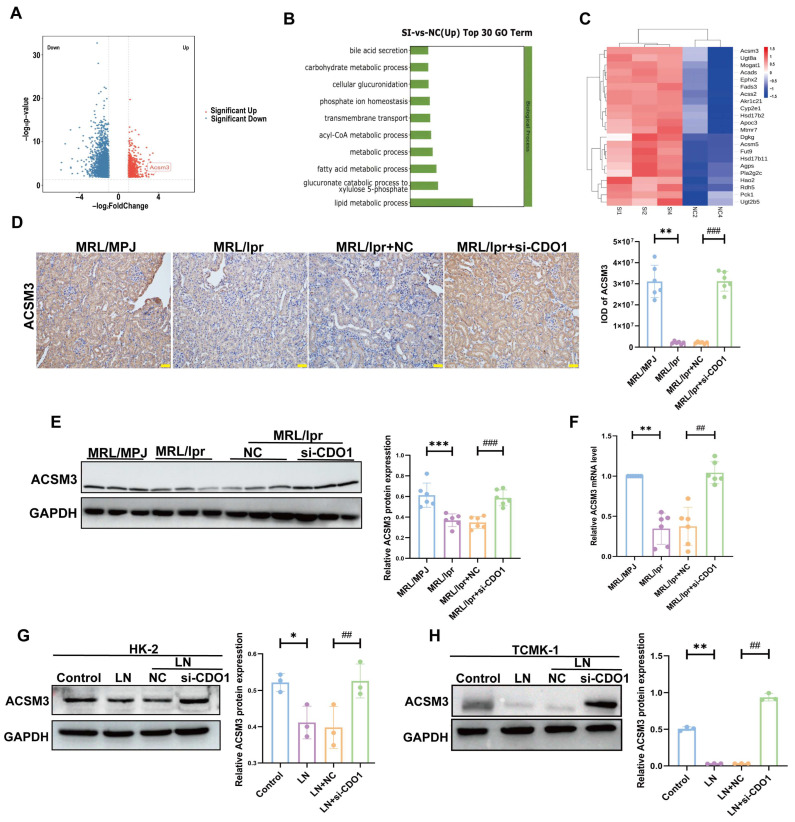 Figure 5
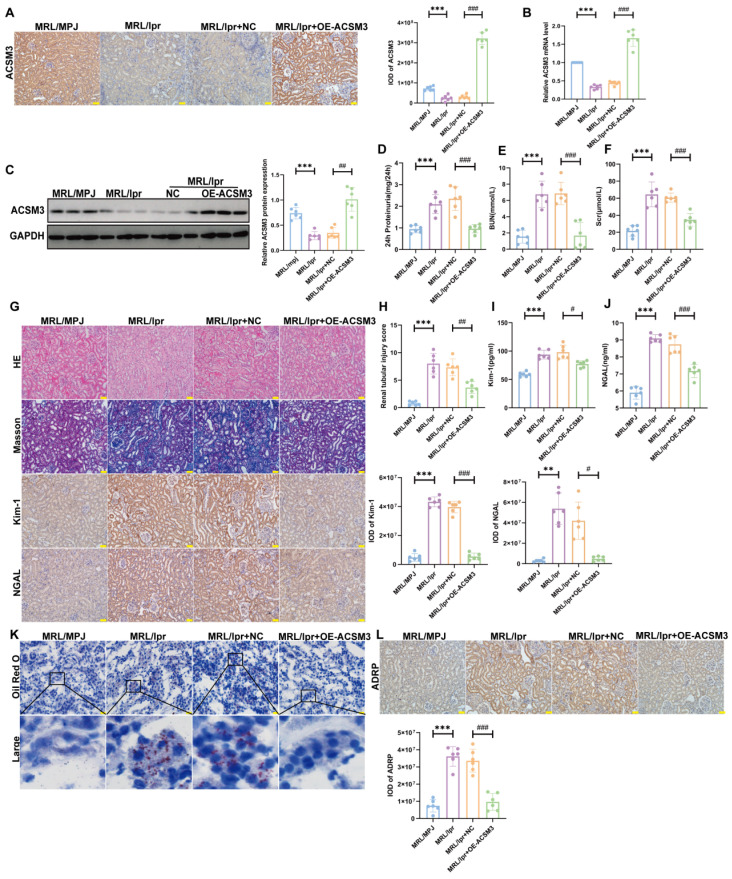 Figure 6
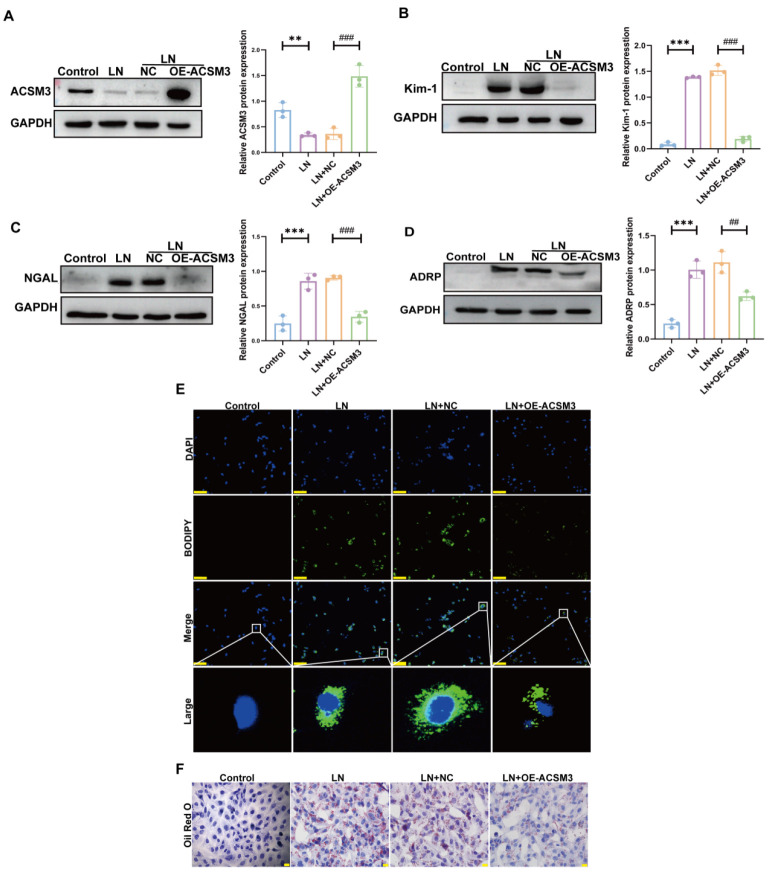 Figure 7
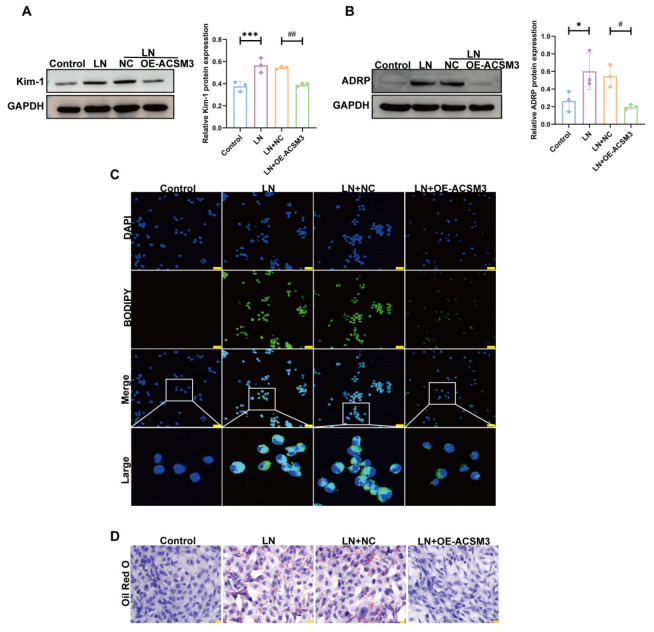 Figure 8
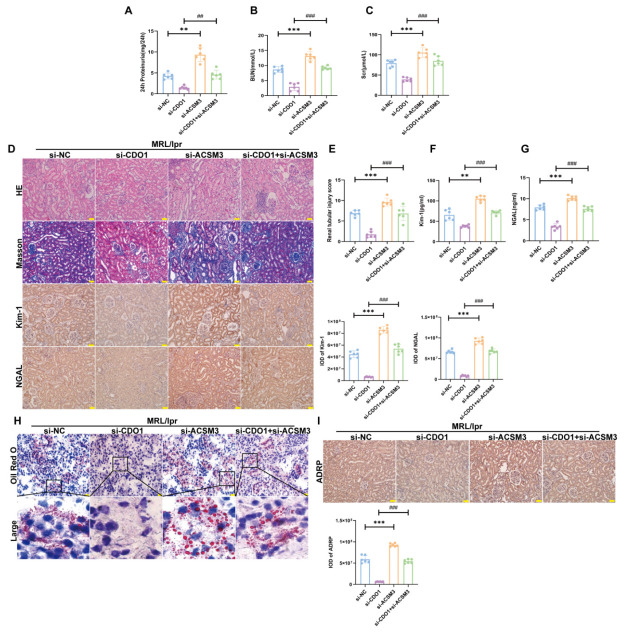 Figure 9
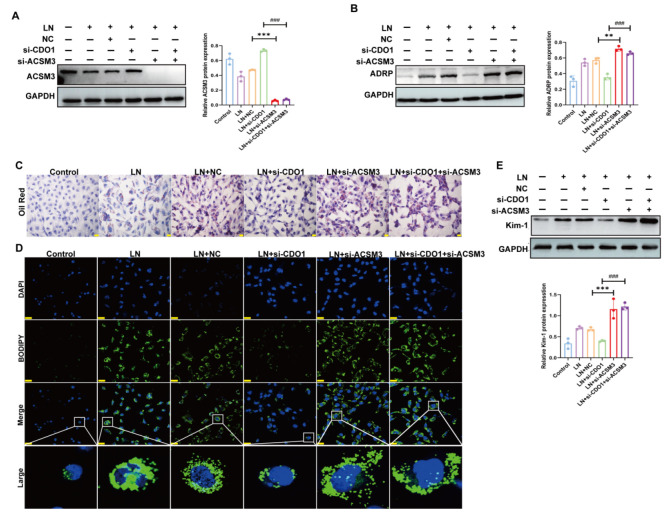 Figure 10
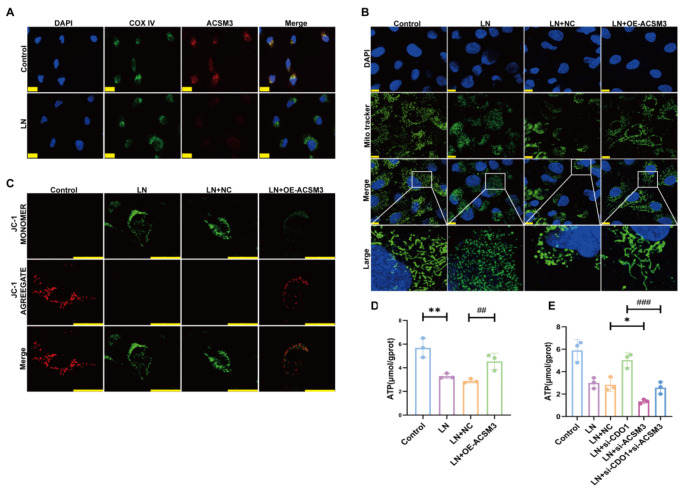 Figure 11
Peer Reviews
No public reviews on file for this paper yet. If you reviewed it on a platform where reviews are public (OpenReview, ICLR, NeurIPS, ICML), you can paste yours below so the community can read it here.
Videos
No videos yet. Explain this paper in a talk, walkthrough, or lecture? Add one.
Taxonomy
TopicsMitochondrial Function and Pathology · Neurogenesis and neuroplasticity mechanisms · Cell death mechanisms and regulation