The Role of Prognostic Clinical-Pathological, (Immuno-) Histological, and Molecular Parameters in Pseudomyxoma Peritonei Patients Undergoing Cytoreductive Surgery and Hyperthermic Intraperitoneal Chemotherapy: A Systematic Review and Meta-Analysis
Jan Philipp Ramspott, Anna Kolmhofer, Lukas Schabl-Cayron, Philipp Schredl, Klaus Emmanuel, Dino Bekric, Jaroslav Presl, Andreas Pascher, Daniel Neureiter, Tarkan Jäger

TL;DR
This study reviews factors affecting survival in pseudomyxoma peritonei patients treated with surgery and heated chemotherapy, emphasizing the need for personalized treatment based on patient and tumor characteristics.
Contribution
A systematic review and meta-analysis identifying key prognostic factors for pseudomyxoma peritonei patients undergoing CRS and HIPEC.
Findings
Age, sex, completeness of cytoreduction, and peritoneal cancer index are significantly associated with prognosis.
Tumor markers like CEA, CA 19-9, and CA-125, along with tumor grade and Ki-67, are linked to patient outcomes.
Heterogeneity and publication bias were observed, but clinical-pathological and histological parameters remain important for prognosis.
Abstract
Pseudomyxoma peritonei is a rare condition in which mucinous tumor cells spread throughout the abdomen, most often originating from a ruptured mucinous tumor of the appendix. The principal therapeutic approach, combining cytoreductive surgery to remove visible disease with hyperthermic intraperitoneal chemotherapy, has greatly improved patient survival. However, recurrence remains a major concern, making careful selection of patients essential. This meta-analysis synthesizes the role of prognostic clinical-pathological, (immuno-) histological, and molecular parameters in pseudomyxoma peritonei patients undergoing cytoreductive surgery and hyperthermic intraperitoneal chemotherapy. The findings emphasize the importance of using detailed tumor and patient characteristics to guide personalized, multidisciplinary treatment decisions. Looking ahead, future research should integrate molecular…
Genes, proteins, chemicals, diseases, species, mutations and cell lines named across the full text — each resolved to its canonical identifier and authoritative record.
Click any figure to enlarge with its caption.
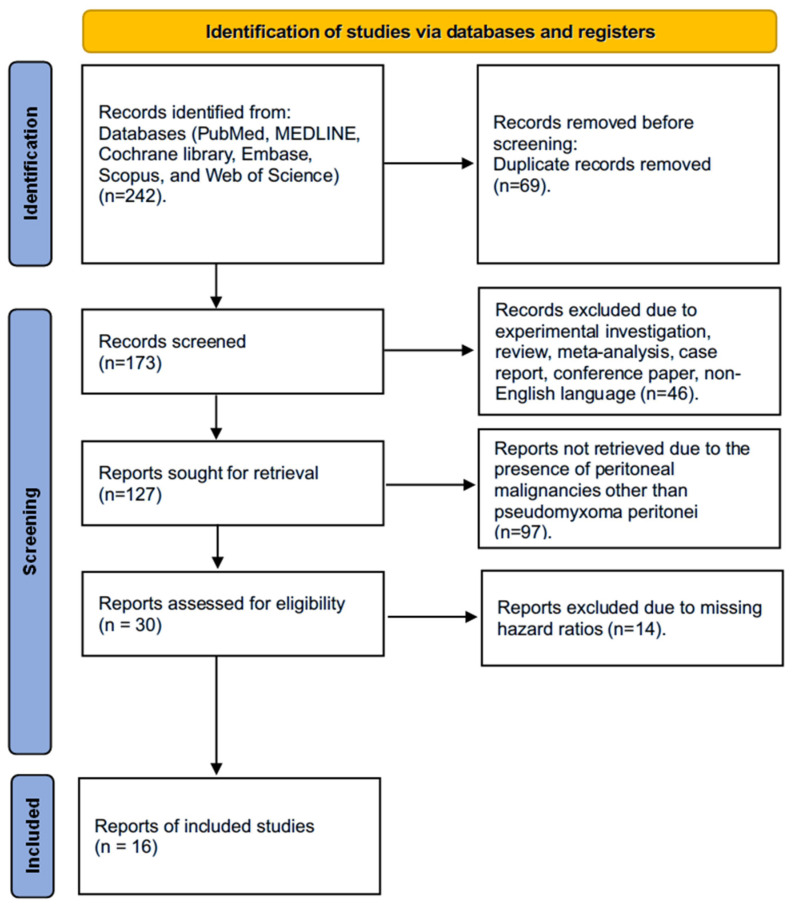 Figure 1
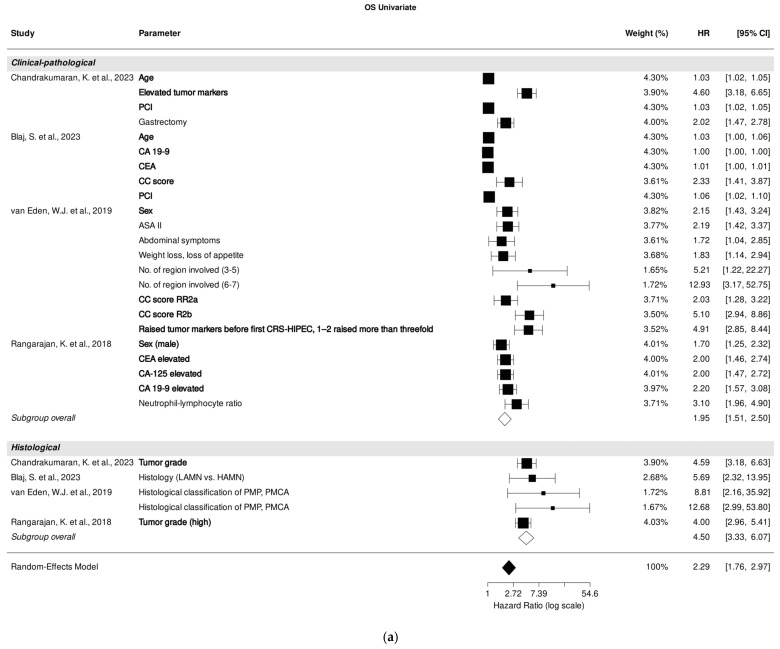 Figure 2
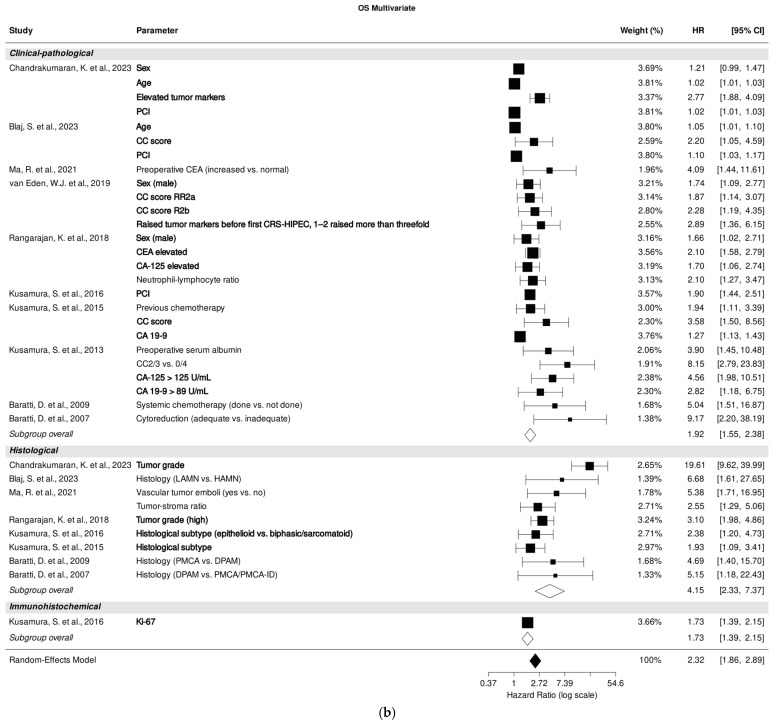 Figure 3
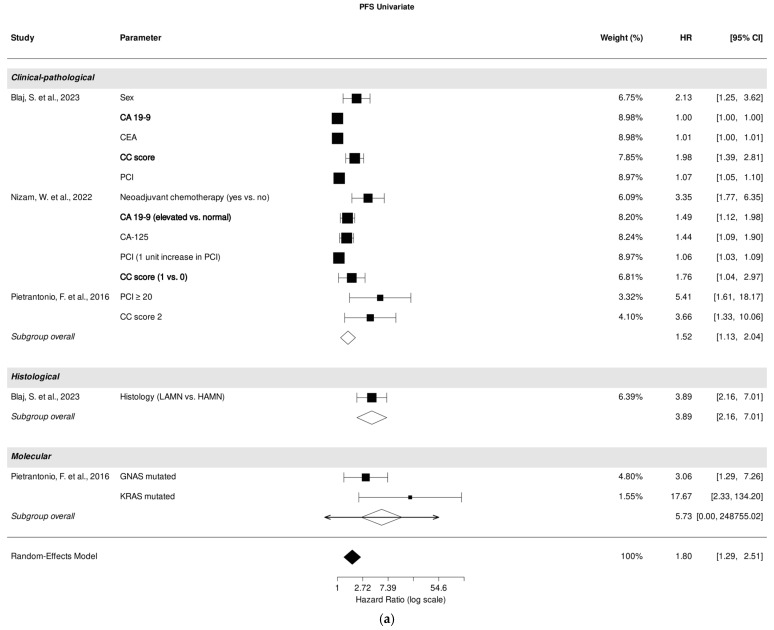 Figure 4
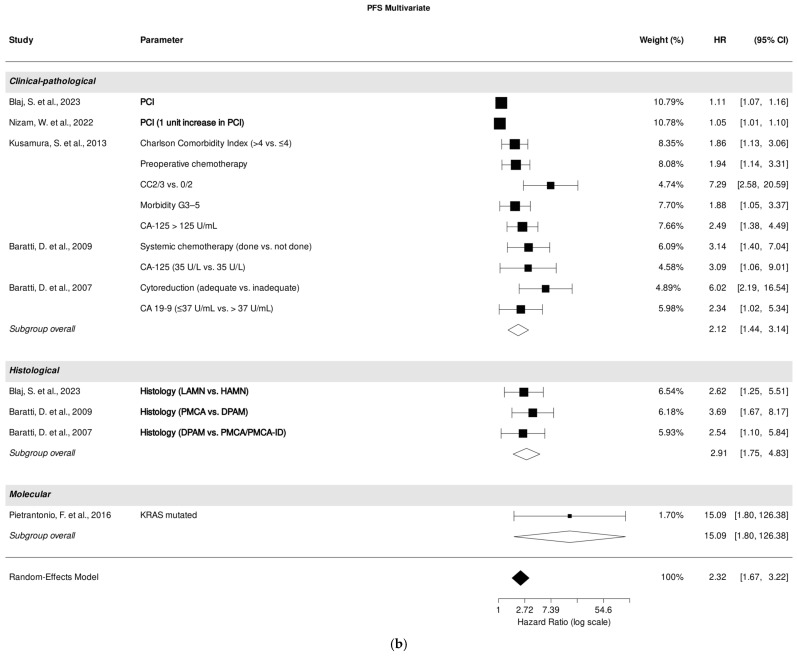 Figure 5
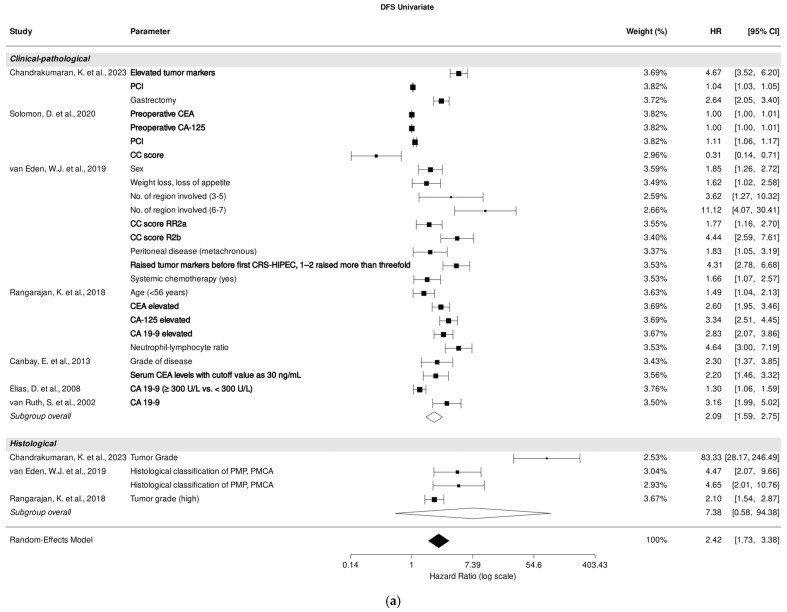 Figure 6
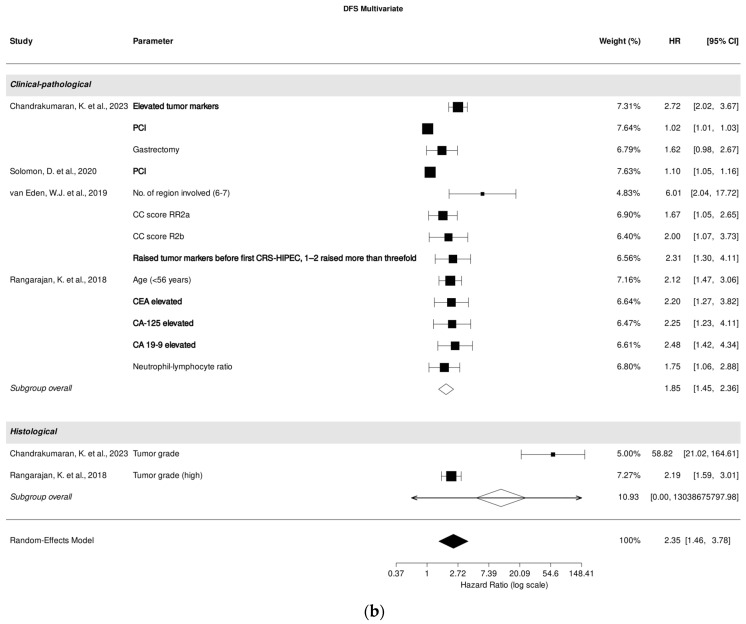 Figure 7
Peer Reviews
No public reviews on file for this paper yet. If you reviewed it on a platform where reviews are public (OpenReview, ICLR, NeurIPS, ICML), you can paste yours below so the community can read it here.
Videos
No videos yet. Explain this paper in a talk, walkthrough, or lecture? Add one.
Taxonomy
TopicsIntraperitoneal and Appendiceal Malignancies · Adrenal and Paraganglionic Tumors · Ovarian cancer diagnosis and treatment