Advances in Imaging and Diagnosis of Emphysematous Cholecystitis
Kathleen H. Miao, Julia H. Miao, Sonam Rosberger, Abraham H. Dachman, Bachir Taouli, Sara C. Lewis

TL;DR
This paper reviews imaging techniques for diagnosing emphysematous cholecystitis, a severe gallbladder condition, and highlights new technologies to improve early detection and patient outcomes.
Contribution
The paper introduces emerging imaging innovations like dual-energy and photon-counting CT and AI-assisted analysis for diagnosing emphysematous cholecystitis.
Findings
Computed tomography is the most accurate imaging modality for detecting gas in emphysematous cholecystitis.
Dual-energy and photon-counting CT improve tissue contrast and gas detection in gallbladder imaging.
AI-assisted imaging analysis can expedite diagnosis and triage in emergency settings.
Abstract
Emphysematous cholecystitis is a rare but severe variant of acute cholecystitis characterized by gas-forming organisms within the gallbladder wall or lumen. It progresses rapidly and carries substantial mortality, making early and accurate recognition essential. Although its pathogenesis involves gallbladder wall ischemia with superimposed infection by gas-producing bacteria—most commonly Clostridium species—the clinical presentation is often nonspecific, particularly in patients with diabetes mellitus or immunosuppression. Imaging therefore serves as the cornerstone of diagnosis. Abdominal radiographs may demonstrate intraluminal or intramural gas, while ultrasound can reveal echogenic foci with reverberation artifacts, though overlying bowel gas and diagnostic mimics may limit sensitivity. Computed tomography remains the most accurate modality, precisely delineating gas within the…
Genes, proteins, chemicals, diseases, species, mutations and cell lines named across the full text — each resolved to its canonical identifier and authoritative record.
Click any figure to enlarge with its caption.
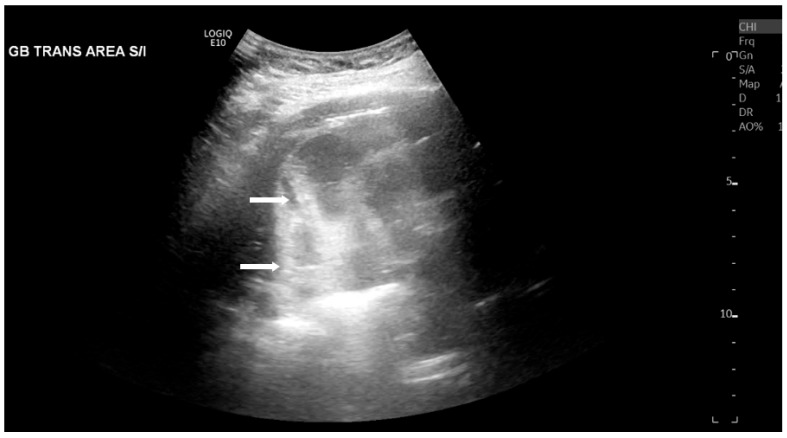 Figure 1
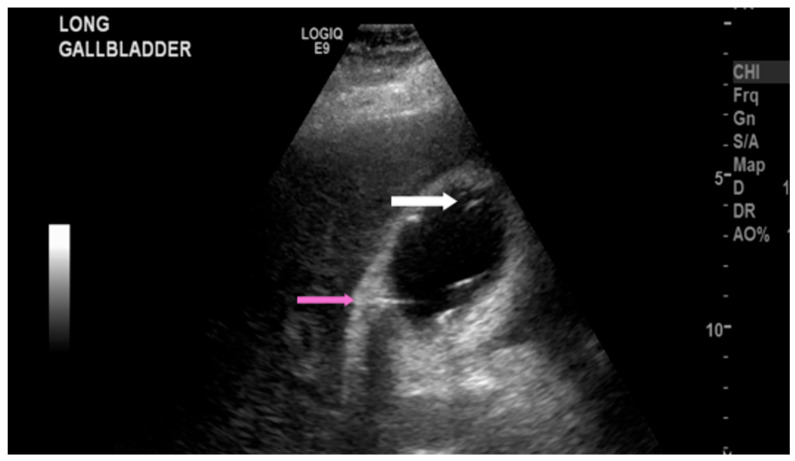 Figure 2
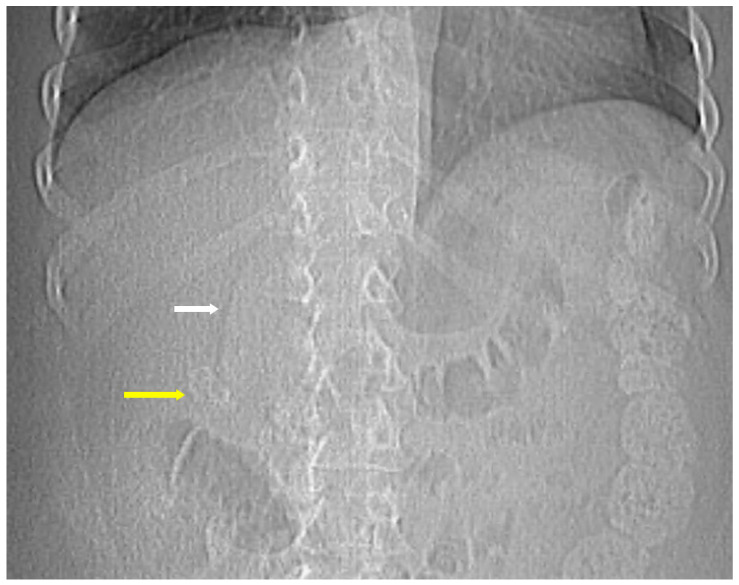 Figure 3
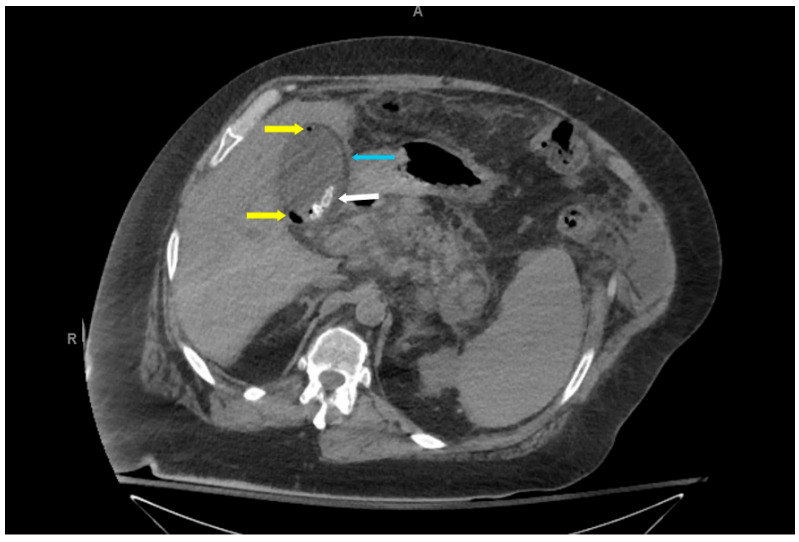 Figure 4
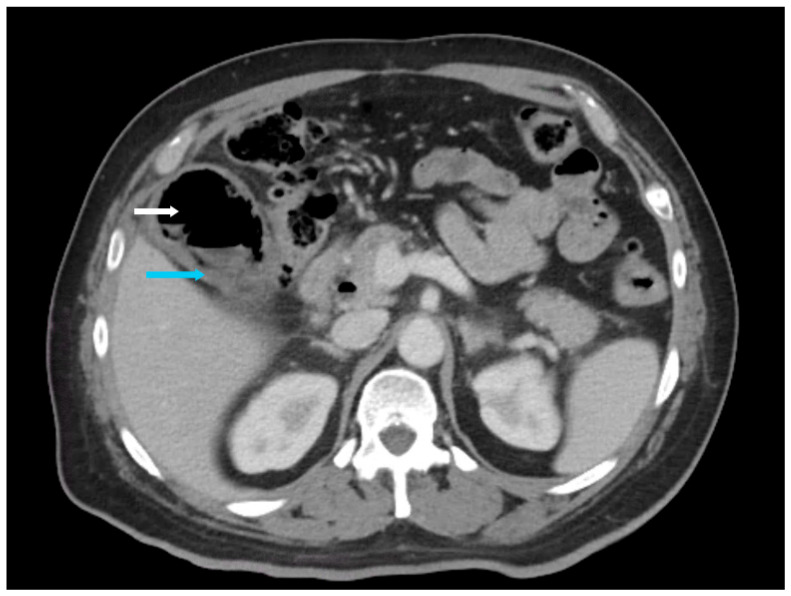 Figure 5
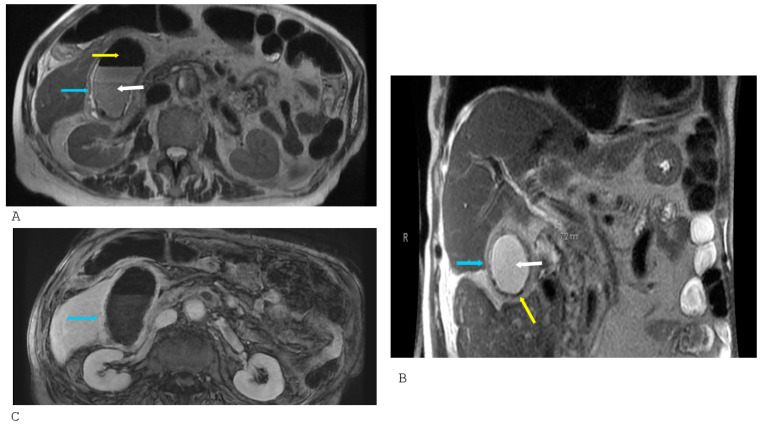 Figure 6
Peer Reviews
No public reviews on file for this paper yet. If you reviewed it on a platform where reviews are public (OpenReview, ICLR, NeurIPS, ICML), you can paste yours below so the community can read it here.
Videos
No videos yet. Explain this paper in a talk, walkthrough, or lecture? Add one.
Taxonomy
TopicsGallbladder and Bile Duct Disorders · Appendicitis Diagnosis and Management · Biliary and Gastrointestinal Fistulas