The Dynamic Endothelial Activation and Stress Index (EASIX) as a Predictor of Early Death and Long-Term Survival in Acute Promyelocytic Leukemia (APL): A Multicenter Study
Fazıl Çağrı Hunutlu, Vildan Özkocaman, Mehmet Baysal, Hikmet Öztop, Saide Elif Güllülü Boz, Nevriye Gül Ada Tak, Oğuzhan Sertkaya, İlknur Kara, Emre Akar, Şüheda Çakmak, Ahmet Mert Yanık, Tuba Güllü Koca, İbrahim Ethem Pınar, Vildan Gürsoy, Tuba Ersal, Seval Akpınar, Yusuf Bilen

TL;DR
This study shows that tracking changes in a vascular stress marker called EASIX during early treatment can predict survival outcomes in acute promyelocytic leukemia patients.
Contribution
The study introduces EASIX as a dynamic prognostic tool for real-time risk assessment in acute promyelocytic leukemia.
Findings
Worsening EASIX scores during the first week of treatment independently predict early death and poor survival.
Dynamic EASIX monitoring provides better risk stratification than static baseline measurements.
Patients with improved EASIX scores had significantly better 3-year event-free and overall survival.
Abstract
Acute promyelocytic leukemia is a highly curable leukemia subtype; however, early mortality driven by severe coagulopathy and vascular injury remains a significant clinical challenge. Traditional risk models rely solely on static measurements taken at diagnosis, failing to capture the rapid physiological changes that occur during the initial phase of treatment. This study addressed this gap by evaluating the dynamic evolution of the endothelial activation and stress index, a composite marker of vascular stress, over the first week of therapy. We demonstrated that patients experiencing a deterioration in endothelial function faced a drastically increased risk of early death, whereas those who achieved stabilization exhibited excellent survival outcomes. These findings offer clinicians a practical, real-time tool for identifying high-risk patients who require intensified supportive care,…
Genes, proteins, chemicals, diseases, species, mutations and cell lines named across the full text — each resolved to its canonical identifier and authoritative record.
Click any figure to enlarge with its caption.
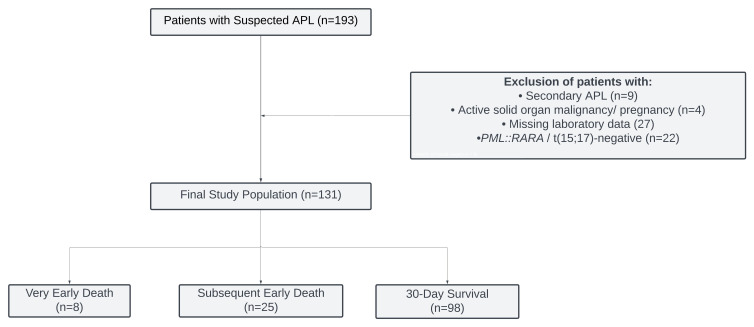 Figure 1
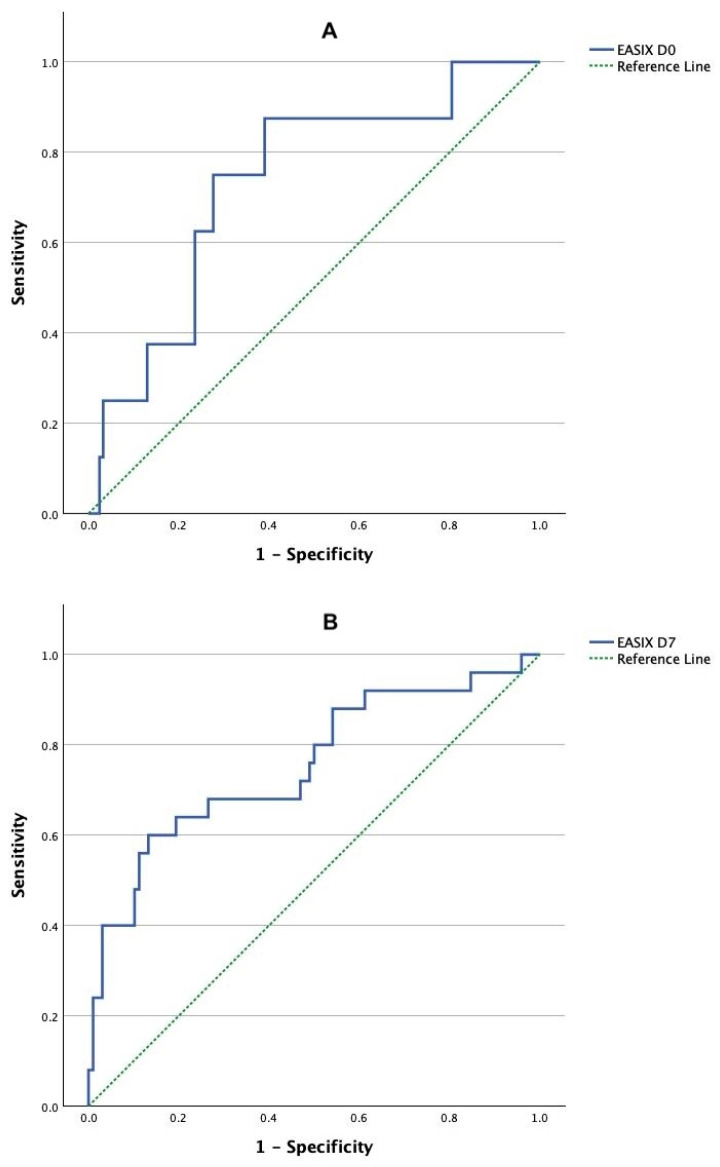 Figure 2
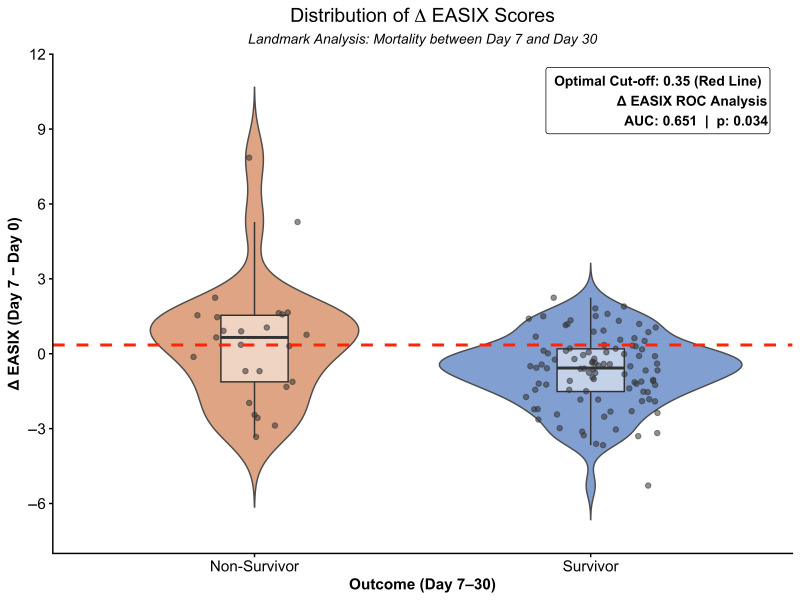 Figure 3
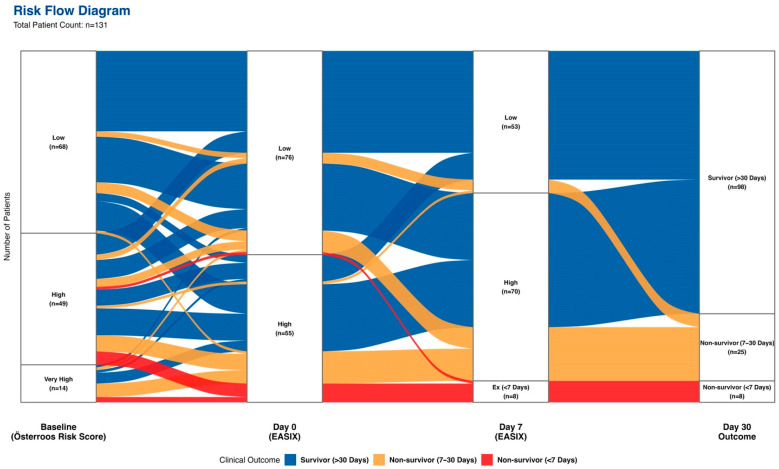 Figure 4
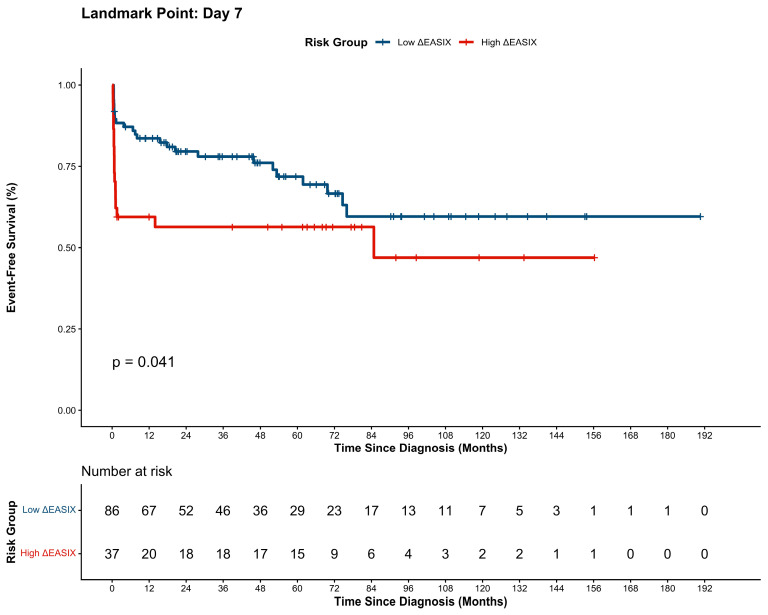 Figure 5
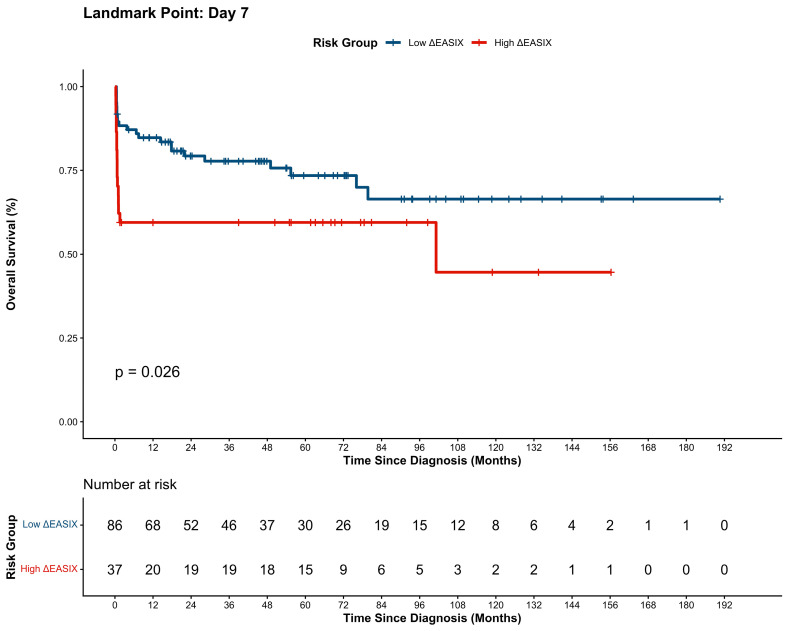 Figure 6
Peer Reviews
No public reviews on file for this paper yet. If you reviewed it on a platform where reviews are public (OpenReview, ICLR, NeurIPS, ICML), you can paste yours below so the community can read it here.
Videos
No videos yet. Explain this paper in a talk, walkthrough, or lecture? Add one.
Taxonomy
TopicsRetinoids in leukemia and cellular processes · Pregnancy and preeclampsia studies · Inflammatory Biomarkers in Disease Prognosis